Executive Overview
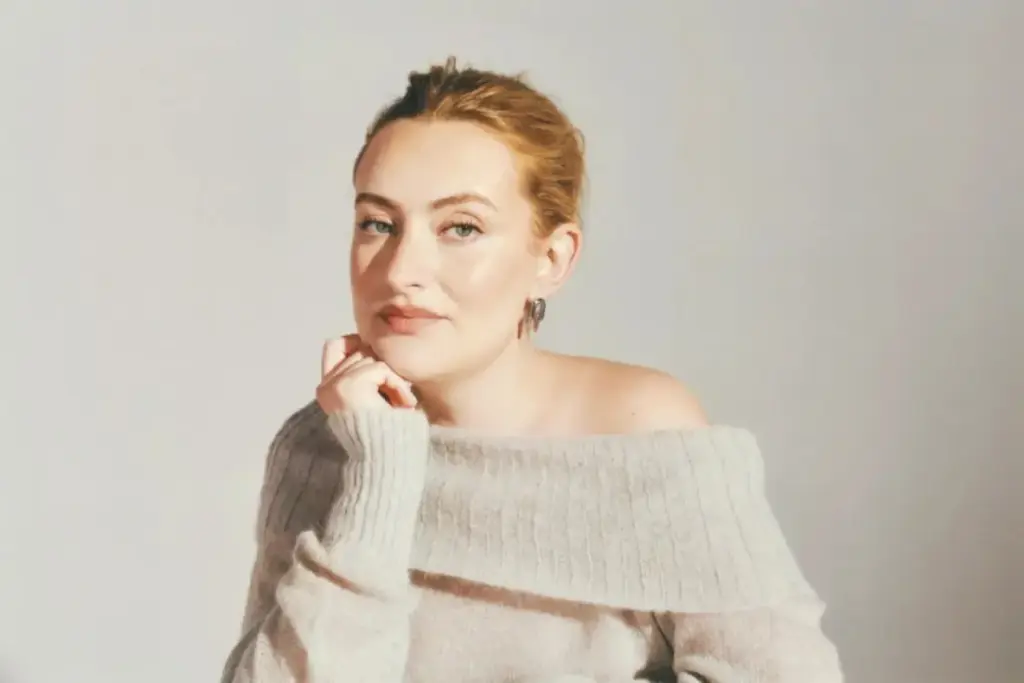
The digital media landscape is experiencing another seismic shift as streaming titan Netflix officially secures distribution rights for Chicken Shop Date, the internationally acclaimed, brilliantly deadpan interview series created, written, and hosted by Amelia Dimoldenberg. After a dominant 12-year run primarily anchored on YouTube, the culturally ubiquitous show is preparing for its grand finale. However, its swan song will not echo exclusively on Google’s video-sharing platform.
Beginning October 2, the final season of Chicken Shop Date will debut simultaneously on both YouTube and Netflix. This dual-platform release marks a critical evolution for the franchise, bridging the gap between independent digital creation and traditional streaming ubiquity. Furthermore, the agreement encompasses a robust licensing deal for the show’s rich back catalog, introducing a curated selection of Dimoldenberg’s most viral, painfully awkward, and deeply charming celebrity "dates" to Netflix’s global subscriber base of hundreds of millions.
For YouTube, this acquisition serves as yet another stark reminder of the aggressive strategies traditional streamers are deploying to poach top-tier creator talent. While Netflix has previously experimented with licensing content from internet personalities, its recent maneuvers indicate a deeper, more aggressive appetite for digital-first intellectual property. As Dimoldenberg closes the book on twelve years of frying-pan-humor and deadpan flirting, the industry is left wondering: Is Chicken Shop Date simply taking a seat at a bigger table, or is this the beginning of the mass migration of elite digital creators to subscription video-on-demand (SVOD) giants?
Detailed Chronology: From Local London Outlets to Global Streaming Stardom
To understand the magnitude of the Netflix partnership, one must trace the improbable, meticulously calculated trajectory of Chicken Shop Date.
The Humble Beginnings (2014)
Launched in 2014, the series began as a localized, lo-fi passion project born out of London’s underground music and youth culture scenes. Dimoldenberg, then a journalism student and writer for The Cut, originally conceived the show as a satirical take on dating shows, interviewing British grime artists inside various fast-food fried chicken shops across the UK capital. Armed with a deadpan persona, impassive facial expressions, and a complete refusal to play by traditional interview rules, Dimoldenberg carved out a wholly unique niche.
The Pivot to Global Pop Culture
For the first several years, the guest list consisted predominantly of UK-based rappers, drill artists, and indie musicians. However, as the digital age accelerated and viral video snippets became the primary currency of internet fame, the show’s format proved universally infectious. The cringe-comedy dynamic—where mega-celebrities were forced to sit on uncomfortable plastic chairs, eat slightly greasy chips, and endure Dimoldenberg’s clinical, unblinking romantic overtures—transcended cultural barriers.
Over 115 episodes, the guest roster transformed from underground Grime MCs to global A-listers. The show has hosted legendary actors, pop icons, and internet royalty, including:
- Andrew Garfield (in an episode widely credited as a masterclass in chemistry and viral tension)
- Billie Eilish
- Jack Harlow
- Louis Theroux
- Daniel Kaluuya
- Cher
- Sabrina Carpenter
- Ryan Reynolds
- Hugh Jackman
- Damson Idris
- Central Cee
The Grand Finale and the Netflix Crossroad
As Chicken Shop Date approaches its milestone conclusion, Dimoldenberg has opted to go out at the absolute peak of her cultural influence. Rather than letting the format slowly stale, the final season will deliver a cinematic-style conclusion to the YouTube staple. Crucially, the simultaneous launch on Netflix ensures that this final chapter will achieve a scale of distribution previously unimaginable for a self-produced YouTube property.
Per reports from Variety, the deal also secures licensing rights for historic episodes, though the exact volume—whether Netflix is acquiring all 115 installments or a curated "best-of" anthology—remains unconfirmed at the time of publication.
Supporting Context & Metrics: The Economics of Creator Poaching
The partnership between Amelia Dimoldenberg and Netflix is far more than a simple content licensing agreement; it is a case study in the shifting power dynamics of the modern entertainment economy.
The YouTube Hegemony vs. The SVOD Allure
For over a decade, YouTube has enjoyed an unassailable monopoly on the creator economy, offering unparalleled direct-to-consumer reach, algorithmic discovery, and monetization models driven by AdSense and brand integrations. Creators owned their intellectual property, controlled their editing suites, and maintained unfiltered relationships with their audiences.
However, as subscriber growth slows and streaming services seek culturally relevant hooks to retain younger demographics (Gen Z and Generation Alpha), platforms like Netflix have aggressively targeted top-tier digital creators. These creators bring built-in, fiercely loyal fanbases, proven formats, and immediate social media discourse—assets that traditional Hollywood development pipelines often struggle to manufacture organically.
Previous Netflix Creator Experiments
Netflix’s pivot toward digital-first talent is not entirely unprecedented, but it is rapidly accelerating. While back-catalog licensing deals have become common, Netflix has increasingly moved past passive distribution into active production partnerships. Industry watchers often point to Netflix’s developmental relationships with mega-creators such as:
- Salish Matter
- Alan Chikin Chow
- The Stokes Twins
Unlike the Chicken Shop Date arrangement—which primarily acts as a distribution and catalog expansion deal—these other creator agreements often involve full-scale developmental financing. Netflix steps in as a studio backer, funding fresh, exclusive content built specifically for the streaming ecosystem.
The Unanswered Questions
As analysts dissect the Dimoldenberg-Netflix pact, several key questions remain unanswered:
- Catalog Scope: Does the licensing agreement cover the entirety of the 115-episode back catalog, or are certain music licensing rights and early-era episodes left behind on YouTube?
- Spinoff Properties: Will Netflix attempt to acquire or develop derivative works? Specifically, industry observers are watching to see if Dimoldenberg’s Formula 1-themed interview series, Passenger Princess, will eventually find a home alongside Chicken Shop Date on the platform.
- Future Development: While Chicken Shop Date is officially ending its primary run, does the overarching business relationship leave room for Dimoldenberg to develop entirely new television formats under the Netflix corporate umbrella? At present, industry insiders emphasize that any developmental speculation remains purely hypothetical.
Official Statements & Industry Reaction
The transition from independent digital distribution to a global streaming behemoth represents a massive milestone for Dimoldenberg, who has carefully guarded the artistic and comedic integrity of her brand for over a decade.
In an official statement addressing the partnership, Dimoldenberg reflected on the journey from grassroots creator to international media maven:
"From self-releasing our very first episode of Chicken Shop Date to partnering with Netflix, this journey has been all about connecting directly with people who love the show. I’m thrilled that our catalog is expanding its reach with Netflix, bringing our dates to a whole new world of fans without losing our original essence."
The statement underscores a central anxiety common among digital creators transitioning to traditional studios: the fear of dilution. By insisting that the show retain its "original essence," Dimoldenberg signals to her core audience that the move to Netflix will not sanitize the awkward, deadpan, and delightfully unpolished charm that defined the series from a London chicken shop counter.
Meanwhile, industry reactions from Silicon Valley to Los Angeles have been swift. Executives at YouTube are reportedly monitoring the deal closely. While back-catalog licensing deals rarely spell immediate disaster for YouTube—since the final season will still premiere on the platform concurrently—the psychological blow is significant. When a flagship, culture-defining creator like Dimoldenberg accepts a co-distribution deal with Netflix, it validates the streaming service as a viable, prestigious home for internet-native talent.
Future Outlook: What Chicken Shop Date’s Exit Means for the Creator Economy
As the dust settles on the announcement, the implications of the Chicken Shop Date Netflix deal extend far beyond a single show’s final season. We are entering an era of platform convergence, where the rigid barrier between "YouTube creator" and "television star" has effectively evaporated.
1. The Death of the Format Divide
For years, traditional media treated digital creators as second-class entertainment acts—good for quick viral marketing, but unsuited for long-form, prestige curation. Amelia Dimoldenberg’s integration into Netflix proves that digital-first formats can command the same prestige, licensing dollars, and global marketing muscle as traditional studio-backed talk shows.
2. The Maturation of Creator IP
Creators are no longer just making "videos"; they are building robust intellectual property libraries. Just as legacy television studios monetize their back catalogs through syndication and streaming licensing, digital creators are realizing that a decade’s worth of digital archives represents a lucrative, long-term financial asset. Expect to see more prominent YouTubers hiring entertainment lawyers, talent agents, and catalog acquisition specialists to package their past work for SVOD buyers.
3. What’s Next for Amelia Dimoldenberg?
As the curtain falls on Chicken Shop Date, the primary intrigue centers on Dimoldenberg’s next professional incarnation. Having conquered red carpets (most notably serving as a viral awards-season correspondent for the Oscars and Golden Globes) and internet interview formats, her transition into broader television production feels inevitable. Whether that future unfolds in partnership with Netflix, independent production houses, or entirely new digital frontiers, one thing is certain: the world will keep showing up for her reservations.
As October 2 approaches, fans around the globe are clearing their schedules, stocking up on their favorite comfort food, and preparing for one final, deeply uncomfortable, and utterly unforgettable date.