The occasional bad hair day is a universal human experience. Historically, the immediate instinct to combat unruly strands involved little more than a frantic twist secured by a scrunchie or a heavy-duty claw clip. However, contemporary style trends suggest a far more elevated approach: the silk hair scarf. Epitomizing the effortless, breezy energy of the summer season, a meticulously draped or tied silk wrap delivers immediate polish, blending casual utility with high-fashion gravitas.
Long before their current Y2K-fueled revival on modern runways and social media feeds, scarf hairstyles were the undisputed signature of Hollywood royalty and international style icons. Figures such as Jackie Onassis, Grace Kelly, Rita Moreno, and Audrey Hepburn famously utilized silky wraps during high-speed convertible rides or international jet-setting excursions. Yet, the narrative of the hair scarf extends far beyond cinematic glamour. Across the globe, women have worn scarves for generations out of pure utility—protecting delicate hair cuticles from environmental stressors like UV rays and wind—as well as for profound religious and cultural reasons. Women in the SWANA (Southwest Asia and North Africa) region, for example, have long occupied the vanguard of headscarf artistry, establishing intricate trends that global fashion markets continually absorb and adapt.
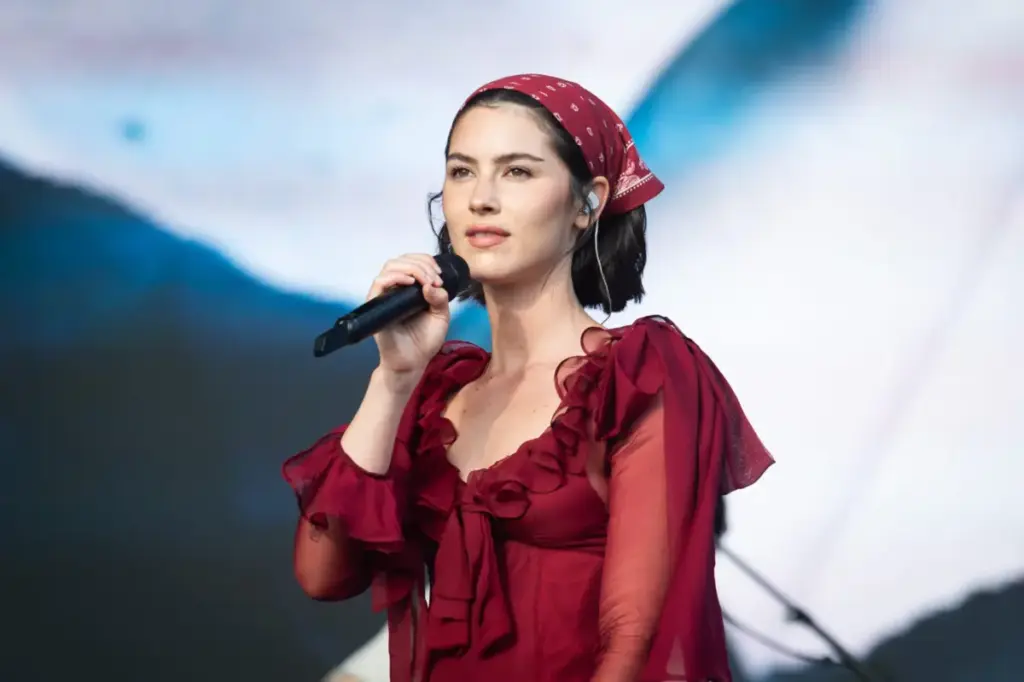
Today, this storied accessory enjoys a massive resurgence. From trendsetters like Hailey Bieber to the street-style elite populating Copenhagen Fashion Week, the hair scarf is dominating the sartorial landscape. For those who have historically felt intimidated by the perceived complexity of styling a scarf, the truth is remarkably straightforward: modern scarf hairstyles are far simpler to execute than they appear. From interwoven braids to modern takes on the classic babushka, the contemporary hair scarf is a versatile canvas waiting to be explored.
Detailed Chronology: From Old Hollywood Icons to Modern Runways
To truly understand the modern obsession with hair scarves, one must examine the chronological evolution of the trend, tracing its path from functional necessity to cultural touchstone and high-fashion staple.
The Mid-Century Golden Age (1950s–1960s)
During the mid-20th century, the silk headscarf transitioned from a practical garment into a symbol of effortless affluence. Silver-screen icons cemented the look in the global consciousness. Audrey Hepburn’s immaculate silk wraps in films like Roman Holiday and Grace Kelly’s iconic Hermès scarf tied gracefully under her chin while navigating the roads of the French Riviera defined an era of sophisticated travel. During this period, scarves served a dual purpose: they protected professionally styled blowouts from the wind in open-top sports cars while simultaneously projecting an aura of enigmatic, jet-set luxury.
The Bohemian and Y2K Shifts (1970s–2000s)
As fashion shifted away from rigid mid-century structures toward more relaxed, bohemian aesthetics in the 1970s, scarves found new life tied loosely around foreheads as sweatbands or woven haphazardly through long, cascading locks. Decades later, the turn of the millennium introduced a hyper-accessible, pop-culture-driven iteration of the trend. The Y2K era saw figures like Britney Spears, Christina Aguilera, and Destiny’s Child donning colorful cotton bandanas folded into simple headbands, pairing them with low-rise jeans, tinted sunglasses, and baby tees.
The Contemporary Global Revival (2020s–Present)
In recent years, the hair scarf has experienced a sophisticated renaissance. Driven by a collective nostalgia for past decades paired with a modern desire for low-maintenance yet high-impact styling, designers and street-style stars have reinvented the accessory. Fashion weeks in New York, Paris, Copenhagen, and Almaty have showcased the scarf not merely as an afterthought, but as the anchoring element of entire collections. Today’s revival honors its diverse cultural roots, celebrating everything from traditional SWANA draping techniques to cutting-edge avant-garde wrapping methods seen on international runways.
Supporting Context & Metrics: The Anatomy of Modern Scarf Styling
Mastering the modern hair scarf trend requires understanding the diverse array of techniques currently dominating street style. Whether you are aiming for a whimsical daytime look or an understated, glamorous evening aesthetic, there is a specific method tailored to every hair texture and length.
1. The Braided Scarf
Integrating a lightweight silk or cotton scarf directly into a traditional three-strand or French braid instantly introduces a dose of whimsical texture.
Styling Tip: Choose a print or colorway that deliberately contrasts with your natural hair color. If your hair is raven-black or deep espresso, opt for a vibrant white, pastel, or primary-colored scarf so the fabric distinctly pops rather than getting lost within your strands.
2. The Sleek Headband
When the objective is to keep hair completely away from the face during warmer months, a folded silk scarf functioning as a headband is an optimal choice.
Styling Tip: Pair this structured wrap with a chic top knot or a high bun for a fun, architectural statement that elevates casual athleisure or office-ready attire.
3. The Classic Pony Tie
Perhaps the most approachable entry point for beginners, the pony tie involves simply securing your hair into a ponytail or braid and wrapping the base with a short or long scarf.
Styling Tip: Experiment with varying lengths. A long, trailing scarf adds dramatic fluid motion as you walk, catching the breeze and adding visual depth to even the simplest jeans-and-tee combination.
4. The Babushka
Tied neatly under the chin, the babushka-inspired headscarf evokes a potent mix of mystery and Old Hollywood glamour. It has rapidly become one of the most widely embraced styles due to its minimalist execution and maximum visual payoff.
Styling Tip: Pair a neutral-toned babushka with oversized sunglasses and a tailored trench coat for an instant anonymity-chic aesthetic.
5. The Full-Coverage Low Bun
For complete scalp and hair coverage—whether for cultural reasons, protective styling, or simply managing an unwashed hair day—wrapping the head entirely and gathering the remaining fabric into a low bun effect offers an elegant, fuss-free solution.
6. The Modern Veil & Cap Styles
Innovations in fabric texture have expanded the boundaries of headscarves. Crochet weaves, for instance, emulate relaxed, artisanal summer vibes, while styles cut longer in the back resemble short, delicate veils. Meanwhile, the "cap" style provides structured coverage, effortlessly upgrading straightforward wardrobe staples like button-downs and denim.
Official Statements and Industry Insights
Top-tier stylists, global fashion directors, and cultural historians note that the endurance of the hair scarf lies in its unique intersection of utility and self-expression.
"Accessories are no longer secondary thoughts in the design process; they are the narrative anchors of modern wardrobes," notes prominent street-style documentation. "A silk scarf bridges the gap between historical heritage and contemporary street culture faster than almost any other item in a woman’s closet."
Furthermore, hair care professionals frequently advocate for silk and satin hair wraps as a foundational element of healthy hair maintenance. Beyond its aesthetic merits, the friction-free nature of high-grade mulberry silk prevents moisture loss, minimizes frizz, and protects delicate hair cuticles from environmental friction, making it a dermatologist- and trichologist-approved fashion choice.
Future Outlook: Where the Trend is Headed
As the fashion industry pivots increasingly toward sustainable, multi-use luxury items, the hair scarf is poised to remain a permanent fixture in seasonal wardrobes. Because a single square of silk can be worn as a head wrap, tied around a handbag handle, styled as a halter top, or worn around the neck, it represents the ultimate high-ROI accessory for the conscious consumer.
Future iterations will likely lean further into artisanal craftsmanship, highlighting hand-rolled hems, bespoke block-printing, and sustainable organic textiles. As global style boundaries continue to blur, the cross-cultural appreciation for head-wrapping traditions will ensure that the hair scarf evolves not as a fleeting micro-trend, but as an enduring symbol of timeless elegance and personal identity.