Executive Overview
In the rapidly evolving landscape of advanced dermatology and professional medical aesthetics, few ingredients have transitioned from niche regenerative therapies to mainstream skin-care superstars as swiftly as polydeoxyribonucleotide, universally known as PDRN. Once strictly confined to clinical protocols for burn management, chronic wound healing, and post-surgical recovery, PDRN has firmly captured the attention of both aesthetic practitioners and consumers. Today, it stands at the vanguard of a massive cultural shift in beauty: a definitive pivot away from aggressive, short-term "quick fixes" toward long-term skin health, cellular preservation, and biological longevity.
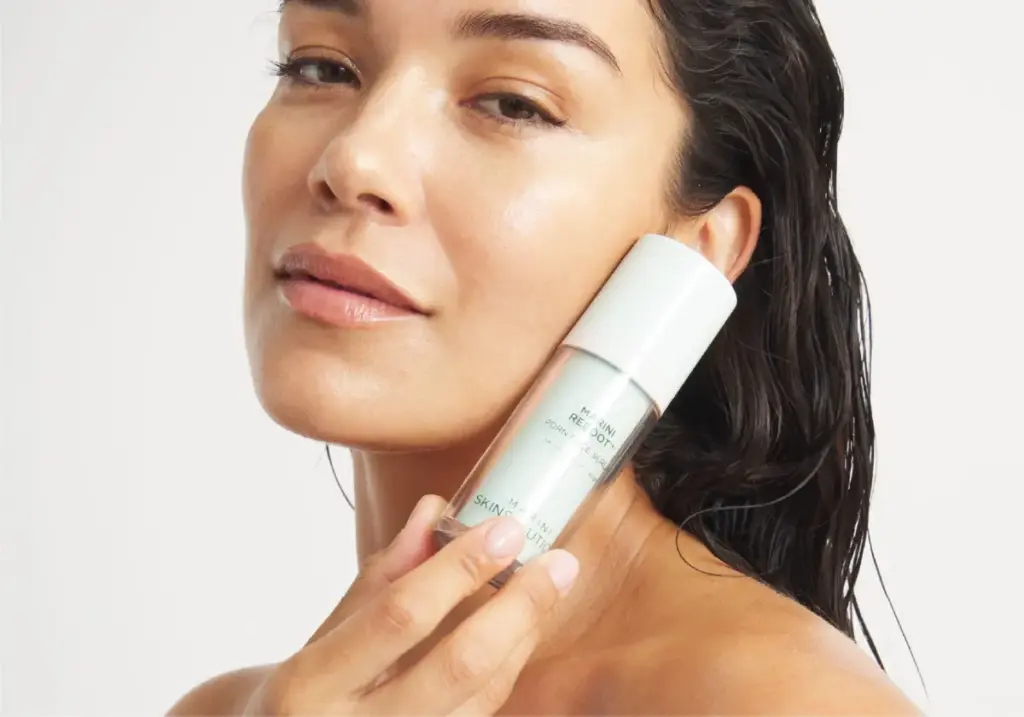
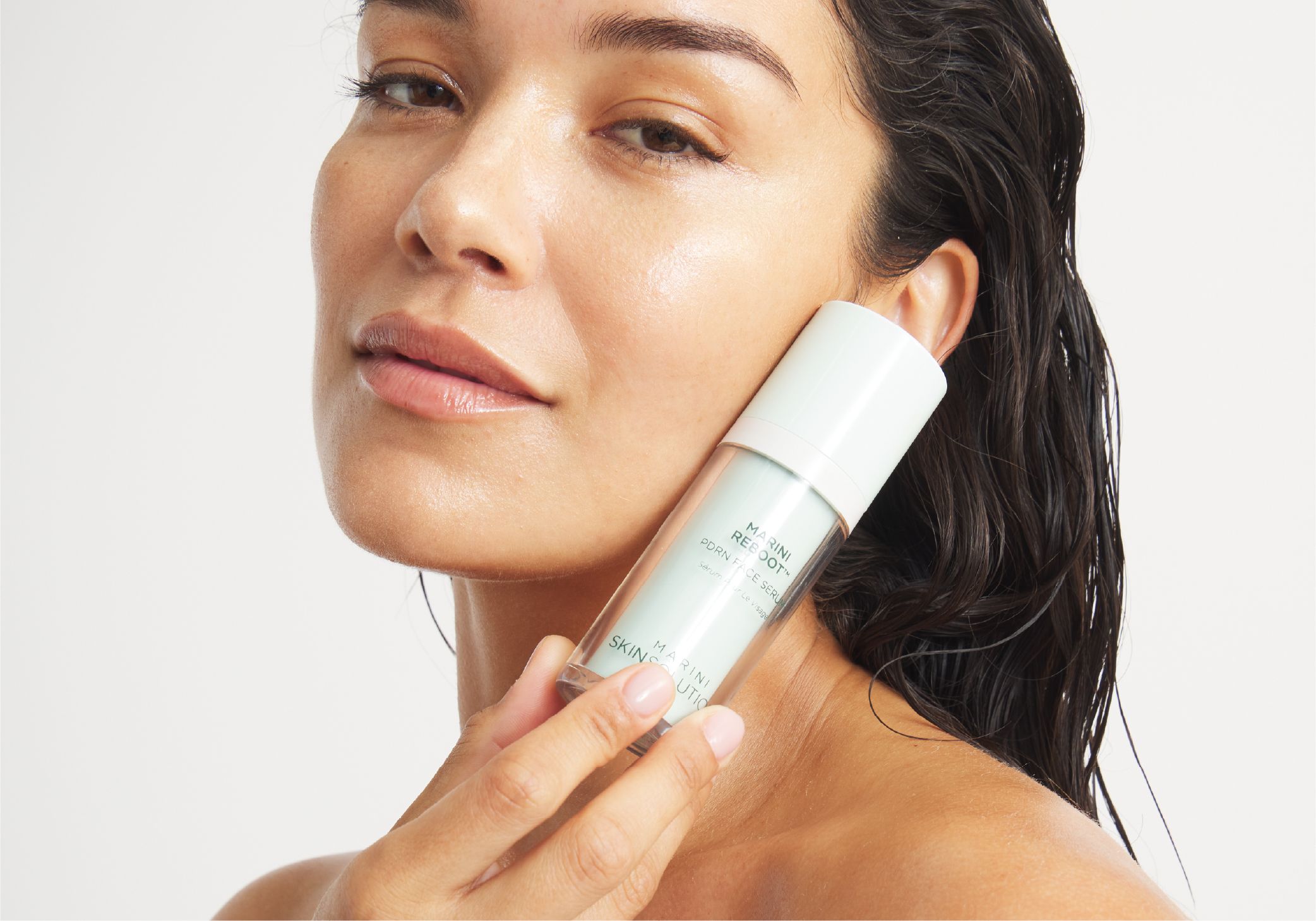
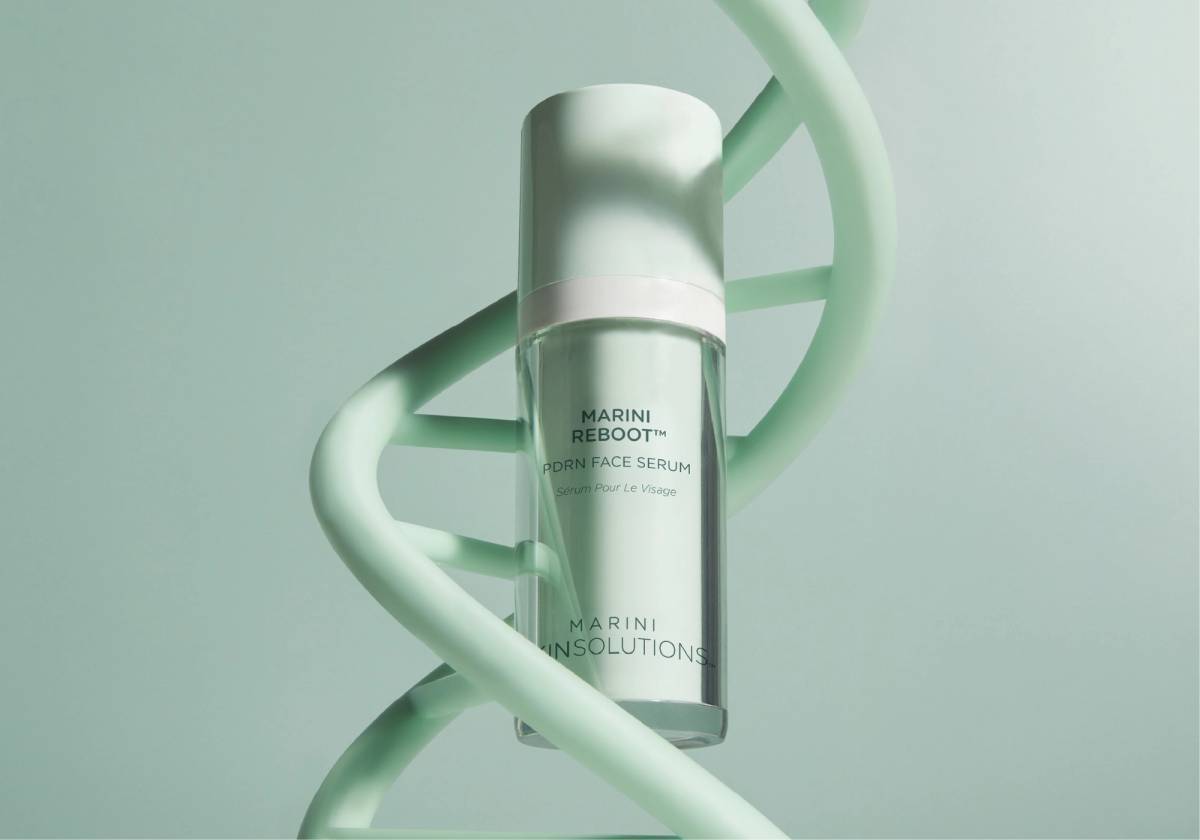
However, as the commercial market becomes rapidly saturated with over-the-counter PDRN formulations riding the wave of sudden viral popularity, a critical chasm has emerged between marketing hype and genuine clinical efficacy. Enter the Marini SkinSolutions Marini Reboot PDRN Face Serum ($185). As the first topical PDRN formulation introduced by a major physician-dispensed skincare brand specifically engineered for both immediate post-procedure recovery and long-term daily maintenance, this product represents a significant leap forward. Backed by rigorous, institutional clinical data demonstrating measurable improvements in barrier integrity, hydration, and dermal health, Marini Reboot offers a masterclass in how cutting-edge biotechnology can be successfully translated for everyday topical use.
This comprehensive report examines the scientific mechanics of PDRN, traces its fascinating chronological evolution from international clinical therapeutics to aesthetic serums, analyzes the structural hurdles of transdermal penetration, and evaluates the rigorous clinical metrics distinguishing elite formulations from transient market trends.
Detailed Chronology: From European Burn Wards to Global Aesthetic Dominance
To fully comprehend the current PDRN renaissance, one must look far beyond contemporary social media feeds and examine a decades-long clinical trajectory rooted in European regenerative medicine.
The Therapeutic Origins (Early 2000s and Prior)
Long before it became a coveted ingredient for smoothing fine lines and brightening hyperpigmentation, PDRN was developed and extensively utilized in clinical settings across Italy and other parts of Europe. Initially extracted and purified from the germ cells (sperm) of Oncorhynchus mykiss (salmon)—whose DNA structural homology closely mirrors that of human beings—PDRN was deployed primarily as a powerful therapeutic agent. Burn units, plastic surgery recovery wards, and dermatology clinics relied on its profound tissue-regenerative properties to accelerate the healing of severe skin lesions, trophic ulcers, and traumatic wounds.
During these formative decades, medical practitioners observed that PDRN did not merely close wounds; it fundamentally improved the quality of the regenerated tissue, reducing scarring and accelerating cellular turnover without provoking adverse immunological responses.
The Aesthetic Pivot (2010s–Early 2020s)
As regenerative medicine increasingly intersected with aesthetic dermatology, forward-thinking practitioners in Asian markets—notably South Korea—began utilizing injectable forms of PDRN (often popularized in treatments colloquially known as "Rejuran healers" or "baby skin injections") to restore dermal density, improve elasticity, and impart a luminous, glass-skin effect. These clinical treatments relied on micro-injections to bypass the skin barrier, delivering the macromolecule directly into the dermis.
The Topical Revolution (Present Day)
The past twenty-four months have marked the next logical, yet technically demanding, evolution: the formulation of topical PDRN serums designed for home use and immediate post-procedural application. This transition has democratized access to regenerative technology, allowing patients to extend the benefits of in-office procedures into their daily bathroom routines. However, this democratization has also introduced significant formulation hurdles, chief among them being the challenge of transdermal delivery. While injectable PDRN bypasses the stratum corneum entirely, a topical serum must successfully navigate the skin’s natural protective barrier to elicit meaningful biological change.
Supporting Context & Metrics: The Science of Cellular Activation
To understand why PDRN generates such profound physiological effects, one must examine its biochemical mechanisms at the cellular level. According to Dr. Mary Lynn Moran, a facial plastic surgeon based in Franklin, Tennessee, PDRN functions as an extraordinary biological catalyst.
"PDRN is a purified DNA fragment typically extracted from salmon sperm cells," explains Dr. Moran. "Salmon DNA is the preferred source because it is structurally similar to human DNA, making it more biocompatible. These DNA fragments bind to the adenosine A2A receptor, which acts as a switch to turn on activity in fibroblasts, endothelial cells, and immune cells."
The "Swiss Army Knife" of Skin Rejuvenation
Rather than targeting a single isolated aging concern—such as inhibiting tyrosinase for hyperpigmentation or solely stimulating collagen via retinoids—PDRN initiates a complex, multi-pathway signaling cascade. Dr. Moran characterizes the ingredient as a true "Swiss Army knife" for skin repair:
- Fibroblast Proliferation & Collagen Synthesis: By engaging cellular receptors, PDRN stimulates fibroblasts to ramp up the production of structural proteins, restoring structural integrity and diminishing the appearance of fine lines and wrinkles.
- Angiogenesis & Microcirculation: It promotes the formation of new blood vessels (endothelial cell activation), drastically improving microcirculation and ensuring optimal nutrient and oxygen delivery to aging or compromised tissues.
- Anti-Inflammatory Modulation: PDRN downregulates pro-inflammatory cytokines, making it uniquely suited for inflamed, irritated, or traumatized skin.
- Melanin Inhibition: Clinical observations indicate that the signaling cascade helps regulate melanogenesis, assisting in the fading of persistent brown spots and post-inflammatory hyperpigmentation.
- Barrier Restoration & TEWL Reduction: By reinforcing lipid matrices and cellular cohesion, it significantly decreases transepidermal water loss (TEWL) and fortifies the skin barrier against environmental aggressors.
Overcoming the Molecular Size Barrier
A central skepticism among dermatological formulators concerns molecular weight. Naturally occurring PDRN consists of relatively large macromolecular chains. When applied topically to intact, aging skin, these large structures frequently struggle to penetrate past the stratum corneum, remaining trapped on the skin’s surface where their biological potential is wasted.
"My question when an ingredient is proven to work in a lab or on wounded healing skin is always, ‘does it penetrate intact aging skin?’" notes Dr. Moran. "That is where the rubber meets the road."
Advanced formulations like Marini Reboot address this critical limitation by utilizing low-molecular-weight PDRN fragments suspended in an optimized, highly concentrated vehicle. This engineering feat allows the DNA fractions to successfully traverse the epidermal barrier and interact with target receptors in the viable epidermis and dermis, transforming a laboratory therapeutic into a high-performance topical active.
Official Statements & Expert Analysis: The Formulation Synergy
While PDRN serves as the undisputed headline ingredient in advanced longevity serums, expert formulators emphasize that an active is only as effective as its supporting matrix. The Marini Reboot formulation intentionally pairs low-molecular-weight PDRN with a sophisticated ensemble of synergistic compounds designed to maximize bioavailability and fortify skin health.
1. Collagen-Supporting Peptides
"The peptide in Reboot signals an increase in the production of the building blocks of repair, so it enhances the ability of PDRN to do its job," Dr. Moran explains. By simultaneously signaling structural protein synthesis through dual pathways (PDRN receptor activation and peptide-mediated signaling), the skin experiences an amplified regenerative response.
2. Ferment Technology and Bioavailability
The inclusion of specialized Lactobacillus ferments and yeast extracts serves a dual purpose. First, they optimize the microbiome and enhance the bioavailability of accompanying nutrients. Second, they work synergistically with barrier-repair lipids such as squalane, ceramides, and sodium lactate.
"Without a good barrier, the skin becomes inflamed and prone to infection and injury, and it loses water at an accelerated rate," warns Dr. Moran. By locking in hydration and repairing lipid micro-tears, these supporting agents create an optimal physiological environment for PDRN to perform uninterrupted.
3. Universal Compatibility and Zero-Titulartion Tolerability
Unlike many gold-standard anti-aging ingredients—most notably retinoids and high-percentage alpha-hydroxy acids (AHAs)—which rely on controlled micro-injury, cellular irritation, and forced turnover to yield results, PDRN operates entirely without inducing irritation.
"Some skin-care products work by causing a degree of irritation, which then necessitates repair," says Dr. Moran. "The beauty of PDRN is that it doesn’t irritate the skin and doesn’t depend on irritation to function. There is also no adjustment or titration needed."
This unique profile makes PDRN universally suitable for virtually all skin types, including chronic hyper-sensitivities, rosacea-prone skin, and compromised barriers. (The sole clinical contraindication remains individuals with severe, documented fish or salmon allergies).
Clinical Results That Matter: Data-Driven Validation
In an aesthetic market frequently driven by marketing buzzwords and transient TikTok trends, the inclusion of robust, independent clinical data serves as the ultimate differentiator. Marini Reboot’s clinical validation was established through a rigorous, 12-week IRB-approved independent physician study that tracked measurable biophysical parameters in human participants.
The quantitative findings underscore the formulation’s clinical-grade performance:
- Skin Hydration: Participants experienced an extraordinary 69% increase in overall skin hydration levels over the 12-week study period.
- Barrier Integrity: Transepidermal water loss (TEWL) was reduced by 23%, demonstrating a profound strengthening of the stratum corneum lipid barrier.
- Visible Anti-Aging Improvements: Physician-assessed evaluations confirmed statistically significant reductions in the visual severity of fine lines, wrinkles, uneven pigmentation, and brown spots.
- Luminosity and Quality: Subjects demonstrated generalized improvements in dermal density, tactile elasticity, and overall skin radiance.
These objective metrics substantiate the transition of PDRN from an intriguing theoretical concept to a clinically validated powerhouse for skin longevity.
Future Outlook: The Intersection of Daily Care and In-Office Procedures
Perhaps the most exciting frontier for topical PDRN is its seamless integration into professional, in-office aesthetic treatment plans. Historically, patients undergoing aggressive clinical procedures—such as ablative or non-ablative laser resurfacing, deep chemical peels, micro-needling, and radiofrequency (RF) micro-needling—were forced to strictly halt their active anti-aging regimens (like retinoids and acids) in the weeks leading up to and following their procedures to prevent adverse inflammatory complications.
PDRN flips this paradigm entirely. Because its biological ancestry is rooted in burn and wound recovery, its introduction before and after procedural intervention acts as a physiological accelerant.
+-------------------------------------------------------------------------+
|                  THE REGENERATIVE TREATMENT TIMELINE                    |
+-------------------------------------------------------------------------+
|                                                                         |
|  [ PRE-TREATMENT ]              [ PROCEDURAL INTERVENTION ]             |
|  • Apply PDRN Serum             • Laser Resurfacing / Chemical Peel     |
|  • Prime & Fortify Barrier      • Micro-needling / RF Micro-needling    |
|  • Boost Cellular Reserves      • Controlled Micro-Injury               |
|                                                                         |
|                                       │                                 |
|                                       ▼                                 |
|                         [ POST-TREATMENT RECOVERY ]                     |
|                         • Immediate Post-Procedure Application          |
|                         • Accelerated Re-epithelialization              |
|                         • Minimized Downtime & Reduced Inflammation     |
|                                                                         |
+-------------------------------------------------------------------------+
"The outcome of any treatment that creates inflammation or injury is going to be improved by using PDRN," states Dr. Moran. "Its benefit can be reaped by using it leading up to treatment to improve the health of the skin and boost its ability to repair itself, as well as at the time of treatment. Studies show that it will optimize and speed up the recovery phase as well, making the decision around when and whether to do a procedure much less burdensome."
The Paradigm Shift Toward Skin Longevity
As consumers increasingly reject the exhausting cycle of aggressive skin stripping and artificial quick fixes, the philosophical framework of dermatology is shifting toward skin longevity—maintaining optimal biological function, cellular health, and structural integrity over a lifetime.
By bridging the gap between clinical-grade regenerative medicine and daily home care, advanced formulations like the Marini Reboot PDRN Face Serum redefine what is possible in topical skincare. They ensure that the profound healing properties once reserved for sterile clinical environments are now accessible every single day, empowering patients to cultivate resilient, radiantly healthy skin across every stage of life.