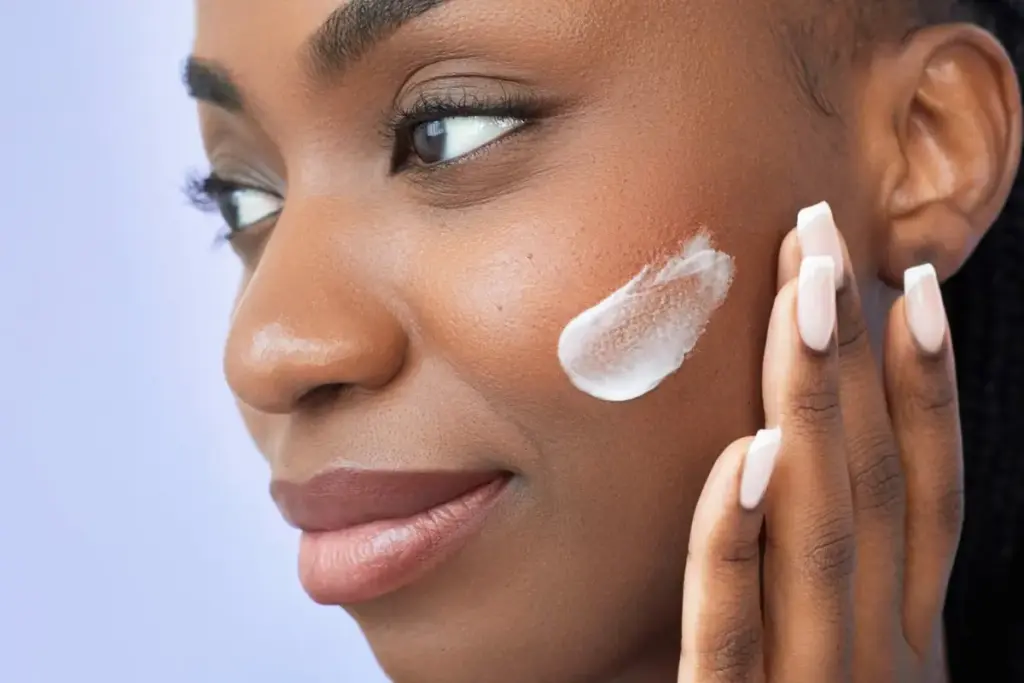
As August yields to the crisper, cooler days of autumn, a familiar realization often sets in for many beauty enthusiasts. That dewy, effortless radiance cultivated during the early weeks of June can abruptly give way to a constellation of post-summer skin concerns: stubborn hyperpigmentation, heightened sensitivity, persistent dehydration, and a generalized textural dullness.
Months spent braving high UV indices, heatwaves, heavy applications of water-resistant sunscreens, chlorinated pools, and salty sea air take a cumulative toll. Compounded by travel, air conditioning, and a more relaxed approach to multi-step evening regimens, the skin barrier frequently emerges from the summer months compromised and fatigued.
However, rather than attempting a wholesale overhaul of the bathroom cabinet, dermatologists advise viewing September as a crucial period for a strategic seasonal reset. By systematically reintroducing powerful active ingredients, prioritizing lipid replenishment, and refining cleansing habits, skin health can be successfully restored ahead of the harsher winter months.
Executive Overview
The transition from summer to autumn marks a distinct inflection point in dermatological care. According to Dr. Malvina Cunningham, consultant dermatologist at Renew + Me, the cellular damage accumulated over months of high sun exposure tends to manifest visibly around the end of August.
"September is when accumulated summer damage actually becomes visible. Luckily, the cooler, lower UV autumn months can be the ideal time to treat it." — Dr. Malvina Cunningham
This article explores the foundational pillars of a post-summer skin transformation. We examine why active ingredients like retinoids and chemical exfoliants should be gradually brought back into rotation, how to systematically address stubborn UV-induced pigmentation, the importance of reinforcing the skin barrier with ceramide-rich formulations, and why daily broad-spectrum UV protection remains non-negotiable year-round. Featuring expert commentary, clinical context, and curated product recommendations across various price points, this guide offers an authoritative roadmap for revitalizing your complexion as the seasons shift.
Detailed Chronology: The Lifecycle of Seasonal Skin Stress
To effectively treat post-summer skin, it is helpful to understand the chronological progression of stress that the integumentary system undergoes throughout the warmer months.
Phase 1: Peak Summer (June – July)
During the height of summer, the skin is in a state of continuous defense. Elevated ultraviolet (UVA and UVB) radiation stimulates melanogenesis—the production of melanin—resulting in tans, but also triggering uneven pigmentation, sunspots, and melasma flare-ups. Simultaneously, high temperatures and humidity prompt excessive sebum production and sweat, which, when mixed with heavy sunscreens and environmental pollutants, often lead to follicular congestion and breakouts. To cope with the heat, many individuals abandon heavier creams in favor of lightweight, minimal gel moisturizers, inadvertently short-changing the skin of essential lipids.
Phase 2: The Late-Summer Threshold (Late August)
By the time late August arrives, the protective mechanisms of the skin begin to buckle under the cumulative weight of environmental aggressors. Chronic exposure to UV rays degrades collagen and elastin fibers, while intermittent dehydration from air travel and climate-controlled environments compromises the stratum corneum (the outermost layer of the skin). Hair appears drier, pedicures chip, and the complexion loses its superficial vibrancy as a thick layer of dehydrated, dead skin cells accumulates on the surface.
Phase 3: The Autumn Reset (September Onward)
As ambient temperatures drop and solar radiation levels decline, the physiological environment becomes far more hospitable for targeted skin repair. With reduced UV intensity, dermatologists can safely reintroduce potent cell-turnover agents—such as retinoids and exfoliating acids—without immediately risking severe photosensitivity or hyperpigmentation. This transition window provides a brief, optimal timeframe to repair barrier function, fade lingering sun spots, and build resilience before indoor heating and biting winter winds arrive.
Supporting Context & Metrics: Understanding Environmental Impact
Environmental factors exert a profound, measurable influence on skin physiology. Clinical studies consistently demonstrate that exposure to high UV indices accelerates photoaging by up to 80% on unprotected skin, breaking down structural proteins and generating reactive oxygen species (ROS) that damage cellular DNA.
- Transepidermal Water Loss (TEWL): During hot summer months, increased sweating combined with prolonged exposure to air conditioning accelerates TEWL. This leaves the skin barrier porous and vulnerable, often misdiagnosed as oily skin when it is actually severely dehydrated.
- Melanin Overproduction: UV exposure triggers localized clusters of melanocyte activity. Without targeted intervention, these post-summer pigmentation spots can become deeply embedded, lingering well into the winter months.
- The Role of Ceramides: The stratum corneum relies on a lipid matrix composed of roughly 50% ceramides, 25% cholesterol, and 15% free fatty acids. Heat, sweat, and aggressive summer cleansing can deplete these vital lipids, necessitating a deliberate shift toward ceramide-infused moisturizers and balms as the weather cools.
Strategic Steps for Your Post-Summer Skin Reset
Navigating the autumn transition requires a phased, intentional approach. Throwing an array of high-strength actives at an irritated, sensitized summer complexion will yield little more than inflammation. Instead, target specific concerns methodically.
1. Reintroduce Retinoids Gradually
If you dialed back your usage of retinol or prescription retinoids (such as tretinoin) during the sun-drenched summer months to minimize the risk of irritation and photosensitivity, autumn is the optimal season to bring them back.
Retinoids accelerate cellular turnover, stimulating collagen production and improving both texture and tone. However, jumping straight back into nightly applications is a recipe for redness and peeling.
- For Beginners & Sensitive Skin: Look for encapsulated formulations that deliver active retinol slowly, minimizing irritation. The CeraVe Resurfacing Retinol Serum with Ceramides & Niacinamide (£23.50) is an accessible entry point, blending encapsulated retinol with barrier-strengthening ceramides and brightening niacinamide to tackle post-blemish marks and rough texture.
- For Targeted Clinical Repair: Those seeking a more personalized, prescription-strength approach can utilize services like the Renew + Me Nightly Active Treatment (£34.99/month), which formulates bespoke blends featuring tretinoin alongside azelaic acid and niacinamide, anchored by a protective base of ceramides, hyaluronic acid, ectoin, and soothing oat kernel.
2. Tackle Post-Summer Pigmentation
Stubborn dark spots and uneven skin tone require specialized intervention. Dr. Cunningham recommends incorporating azelaic acid into your routine, a powerhouse ingredient that helps normalize melanin production, reduces redness, and gently refines texture without the intense irritation associated with other brightening agents.
- Targeted Serums: The Allies of Skin Azelaic & Kojic Advanced Clarifying Serum (£94) pairs azelaic acid with kojic acid to aggressively target hyperpigmentation, dark spots, and post-inflammatory marks.
- Exfoliating Acids: To slough away the dull, dead skin cells responsible for end-of-summer ashenness, chemical exfoliants offer a reliable solution. The Ordinary Glycolic Acid 7% Exfoliating Toner (£11.90) utilizes a potent concentration of glycolic acid to boost radiance and improve textural irregularities. For a more streamlined approach, Medicube Zero Pore Pads (£23.90) offer a pre-soaked, swipe-and-go format designed to clear away excess oil and micro-congestion accumulated over months of heavy sunscreen use.
Dermatological Caveat: Never layer retinoids, azelaic acid, and exfoliating acids all at once on day one. Select the primary skin concern you wish to address and slowly phase products into your evening routine at 48-to-72-hour intervals.
3. Fortify and Repair the Skin Barrier
As ambient humidity drops, the lightweight gel-creams that served you well in July will no longer suffice. Transitioning to richer, lipid-replenishing moisturizers helps restore the skin’s natural protective shield.
- Luxurious Repair: Augustinus Bader The Rich Cream (£80) utilizes the brand’s proprietary TFC8® complex—a sophisticated matrix of amino acids, high-grade vitamins, and synthesized peptides—to rapidly restore softness, elasticity, and suppleness to compromised skin.
- Accessible Hydration: For those looking to boost moisture levels without a complete overhaul, the Byoma Hydrating Serum (£12.99) introduces an extra tier of hydration beneath your standard moisturizer, reinforcing the skin barrier on a budget.
4. Rethink Your Cleansing Ritual
The cleansers required to strip away waterproof sunscreens, heavy makeup, and sweat during a heatwave can prove overly harsh when autumn arrives. Swapping foaming washes for nourishing balms and milks preserves the skin’s natural lipid mantle.
- Balms and Oils: The Inkey List Oat Balm Cleanser (£15) offers a deeply comforting, soothing cleanse that effortlessly melts away impurities while leaving the skin feeling plump, nourished, and calm.
- Comprehensive Multi-Taskers: The Fenty Skin Total Cleans’R Remove-It-All Cleanser (£32) effectively clears away daily grime and long-wear formulas without stripping the skin of essential moisture, leaving the complexion soft and refreshed.
5. Never Retire Your SPF
A common misconception is that sunscreen can be safely tucked away alongside swimsuits and sandals once summer ends. Dermatologists universally emphasize that ultraviolet A (UVA) rays—which penetrate clouds, window glass, and contribute significantly to premature skin aging and hyperpigmentation—remain present 365 days a year.
Furthermore, because active ingredients like retinoids and chemical exfoliants increase photosensitivity, daily broad-spectrum UV protection is doubly critical during your autumn skin reset.
- Daily Protection: The Heliocare 360 Acnimat SPF50+ (£32.99) provides exceptionally high, broad-spectrum defense while maintaining a lightweight, mattifying finish, making it ideal for combination, oily, or blemish-prone complexions that dislike heavy or greasy formulations.
Future Outlook
As the beauty industry continues to evolve toward preventative, barrier-centric care, the approach to seasonal skincare transitions is undergoing a fundamental shift. Gone are the days of aggressive skin-stripping cycles in pursuit of quick fixes. Instead, modern dermatological philosophy champions cyclical, intuitive care—listening closely to the skin’s biological needs as environmental parameters fluctuate.
Looking ahead, we can expect greater integration of personalized dermatology services, biotechnology-derived barrier lipids, and intelligent formulations designed to mitigate the skin-aging effects of urban pollution and shifting climate patterns year-round. By mastering the autumn reset, you not only repair the visible damage of the past summer but also fortify your skin’s resilience for the seasonal challenges yet to come.