Executive Overview
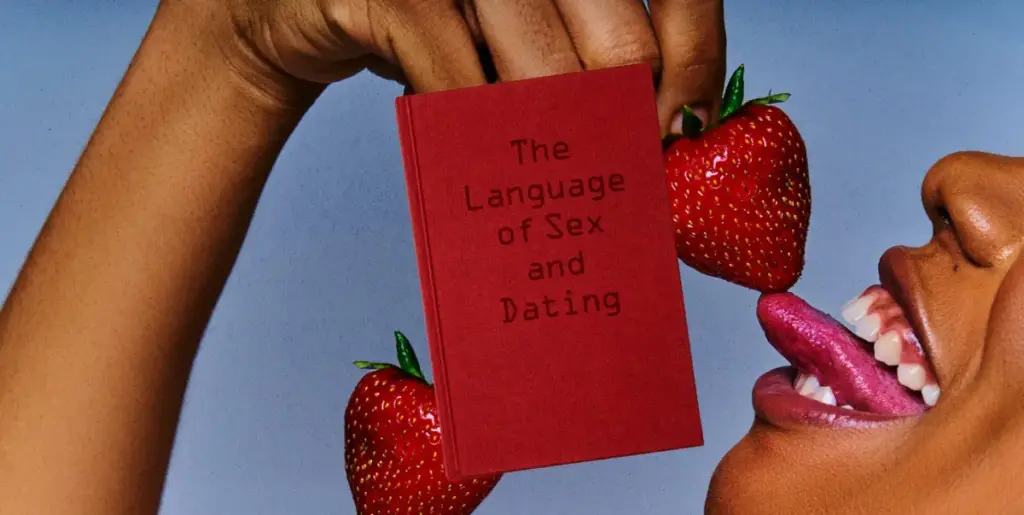
The vernacular of human sexuality is undergoing a profound and rapid transformation. For generations, the language surrounding intimacy, desire, and romantic orientation was largely confined to medicalized Latin, clinical psychology, or hushed colloquialisms. Today, however, contemporary culture faces a distinct "vocabulary problem."
In the span of a single generation, the cultural lexicon has expanded from basic anatomical terms to a hyper-specialized vocabulary capable of parsing the nuances of gender identity, edge-play kinks, digital dating behaviors, and fluid romantic structures. Where terms like edging and gooning once belonged to hyper-niche corners of the internet, they are now part of mainstream discourse. Similarly, distinctions that once required clinical definitions—such as polyamory, solo polyamory, and the complex mechanics of modern dating—are now signaled through shorthand like having a "roster" or engaging in a "situationship."
This explosion of language is not merely a linguistic curiosity. According to sex educators and sociologists, sexuality is shaped by everything from personal identity, lifestyle, and culture to deeply held desires, boundaries, and kinks. Having a precise vocabulary empowers individuals to communicate what they want, articulate how they identify, and find communities of like-minded people.
However, this linguistic boom is heavily mediated by contemporary digital infrastructure. Platforms like TikTok make it appear as though the internet invents a new sex term every thirty seconds. In reality, much of this "new" slang has deep historical roots within marginalized communities, including African American Vernacular English (AAVE), queer and ballroom cultures, and underground kink spaces. Furthermore, the modern velocity of sex slang is sustained by an ongoing cat-and-mouse game between creators and platform algorithms, where coded words are invented to bypass sexual-content filters, only to be absorbed into the broader cultural mainstream.
Detailed Chronology: From Margins to Mainstream
To understand how contemporary sex slang arrived in the public consciousness, one must trace its path from hidden subcultures to digital platforms. The evolution of this lexicon can be understood through four distinct historical and cultural phases:
Phase 1: Pre-Digital Subcultures and Marginalized Roots
Long before viral videos popularized terms like edge play, dom/sub dynamics, or fluid identity markers, specialized sexual language was cultivated within protective, closed communities.
- The Kink and BDSM Communities: For decades, formal and informal BDSM spaces developed intricate glossaries to ensure safety, consent, and clear communication during high-risk activities. Terms detailing power exchanges, aftercare, and specific physiological boundaries were vital tools for risk mitigation.
- Queer and Ballroom Spaces: Historically, LGBTQ+ communities generated rich vocabularies to describe non-traditional family structures, gender expressions, and attractions that defied the heteronormative baseline. Concepts like chosen family, non-monogamy, and gender fluidity were named and preserved within these spaces long before mainstream dictionaries recognized them.
- AAVE and Urban Dialects: Much of the kinetic, descriptive slang used in modern dating—referencing dynamics of attraction, pursuit, and interpersonal gamesmanship—finds its foundational roots in AAVE, eventually migrating into broader pop culture via music, social media, and digital networking.
Phase 2: The Rise of Online Forums and Niche Communities (Early 2000s–2010s)
With the advent of forums, message boards, and early social networking sites, subcultural sex language began to bleed into the digital ether. Communities dedicated to asexuality (such as the Asexuality Visibility and Education Network) meticulously mapped out the asexual spectrum, introducing terms like demisexual, greysexual, and aegosexual to help individuals articulate internal experiences that lacked historical validation. Concurrently, online kink databases and relationship forums standardized terms for alternative relationship structures, paving the way for mainstream discussions on ethical non-monogamy (ENM).
Phase 3: The Algorithmic Arms Race (Late 2010s–Present)
In the era of hyper-regulated social media platforms, the creation of sex slang took on a functional economic and operational purpose. Creators, sex educators, and casual users alike began inventing euphemisms and code words to bypass algorithmic censorship—colloquially known as "de-platforming" or "shadowbanning" filters. When platforms cracked down on specific anatomical or explicit keywords, users substituted them with playful or coded alternatives. This cat-and-mouse game accelerated the turnover rate of slang, turning what used to be slow-evolving linguistic drift into a hyper-fast cycle of invention, viral adoption, and eventual commercialization.
Phase 4: Mainstream Integration and the Modern Lexicon
Today, terms originating from queer theory, kink subcultures, and dating app culture sit comfortably side-by-side in mainstream lifestyle publications, podcasts, and digital spaces. This democratization of language has lowered the barrier to entry for self-discovery, allowing individuals across generations to find accurate descriptors for their internal desires and relationship models.
Supporting Context & Metrics: The Anatomy of Modern Intimacy
The contemporary landscape of sex and relationship terminology can be categorized into several distinct pillars: identity and orientation, kinks and sensation play, dating behaviors, and physiological phenomena.
1. Sexual Orientation and Identity Markers
The expansion of identity language reflects a cultural shift away from rigid binaries toward a more nuanced understanding of attraction.
- Abrosexual & Asexual Spectrum: An abrosexual person experiences fluid sexual attraction that shifts over time. Meanwhile, the asexual spectrum (often abbreviated as "ace-spec") encompasses identities characterized by little, no, or conditional sexual attraction. Sub-identities include aegosexual (experiencing arousal or fantasy without the desire to participate personally), demisexual (attraction forming only after a strong emotional bond), and greysexual (attraction experienced rarely or under limited conditions).
- Polysexual, Omnisexual, and Gynesexual: These terms refine the parameters of attraction. Polysexuals are attracted to multiple genders; omnisexuals to all genders (while recognizing gender as part of the dynamic); and gynesexuals are drawn specifically to femininity and feminine qualities, regardless of the target’s gender identity.
2. Kinks, BDSM, and Sensation Play
Modern kink vocabulary emphasizes explicit consent, psychological exploration, and sensory experimentation.
- Edge Play & Primal Play: Edge play refers to high-risk BDSM activities that push physical or psychological boundaries. Primal play centers on instinctual, physical expressions of arousal, such as chasing, wrestling, or predator/prey role-play.
- Specialized Kinks: The lexicon extends into hyper-specific territories, including FinDom (financial domination), age play (consensual adult role-play involving caregiver/submissive dynamics), blood play (incorporating real or simulated blood into scenes under strict safety protocols), and temperature play (using heat and cold for sensation contrast).
3. Modern Dating and Relationship Dynamics
As traditional marriage and dating timelines fracture, the dating app economy has generated its own cynical yet practical vocabulary.
- The "Roster" and "Situationship": A roster describes maintaining multiple casual romantic or sexual connections simultaneously without exclusivity. A situationship denotes an unlabelled, ambiguous romantic connection that defies traditional commitment.
- Digital Ghosting Variants: Beyond standard ghosting, modern vernacular includes orbiting (remaining visible via social media likes and views after a relationship ends), submarining (resurfacing out of nowhere as if nothing happened), and roaching (hiding the fact that one is dating multiple people until confronted).
Official Statements and Expert Perspectives
To contextualize the psychological and cultural weight of this linguistic expansion, leading sex educators and therapists emphasize the vital role that vocabulary plays in human well-being.
"Sexuality is shaped by everything from identity, lifestyle, and culture, to desires, boundaries, kinks, likes, and dislikes. Having that vocabulary can make it easier to communicate what we want, describe how we identify, and find people who get it."
— Lisa Finn, Sex Educator at Babeland
Finn’s perspective underscores that language is not merely descriptive; it is prescriptive and therapeutic. When individuals possess the exact terminology to name their desires, feelings of isolation or confusion diminish.
Similarly, certified sex and couples therapists note that specialized lexicons—particularly within kink and non-monogamy—serve as essential frameworks for safety. Therapists specializing in BDSM and alternative lifestyles frequently point out that the rigor required to define terms like ethical non-monogamy, relationship anarchy, or kitchen table polyamory forces partners into deeper, more honest negotiations regarding consent, emotional safety, and physical boundaries.
Future Outlook: Where is Intimate Language Headed?
As we look toward the future of human communication and sexuality, several distinct trajectories emerge regarding how we will speak about intimacy:
-
The De-stigmatization of Clinical and Kink Terminology:
As public discourse becomes increasingly sex-positive and psychologically literate, terms that were once pathologized or hidden are experiencing normalization. Concepts associated with BDSM, alternative relationship architectures, and fluid sexual orientations are transitioning from underground subcultures into standard relationship education. -
The Impact of Artificial Intelligence and Algorithmic Moderation:
The linguistic cat-and-mouse game between online creators and platform algorithms will likely intensify. As AI content moderators become more sophisticated at detecting coded sexual slang, communities will continue to invent new idioms. This dynamic guarantees that the lexicon of sex will remain perpetually unstable, fast-moving, and youth-driven. -
Inclusivity and Global Cross-Pollination:
Future developments in sexual vocabulary will likely feature greater integration of non-Western frameworks, indigenous conceptualizations of gender and pleasure, and increasingly precise legal and social definitions that protect marginalized identities.
Ultimately, the ongoing evolution of sex slang reflects a fundamental human desire: the search for precise articulation in an increasingly complex emotional and digital world. By expanding our vocabulary, we do not merely invent new words—we expand the boundaries of human empathy, self-awareness, and relational freedom.