Executive Overview
In the realm of British daytime television, few formats capture the delicate balance between environmental sustainability, artisanal craftsmanship, and emotional storytelling quite as effectively as the BBC’s Money for Nothing. For years, viewers have tuned in to watch talented designers rescue discarded items from the scrapheap, breathing new life into forgotten household objects. However, even within a beloved ensemble of expert upcyclers, certain personalities leave an indelible mark on the audience’s collective consciousness.
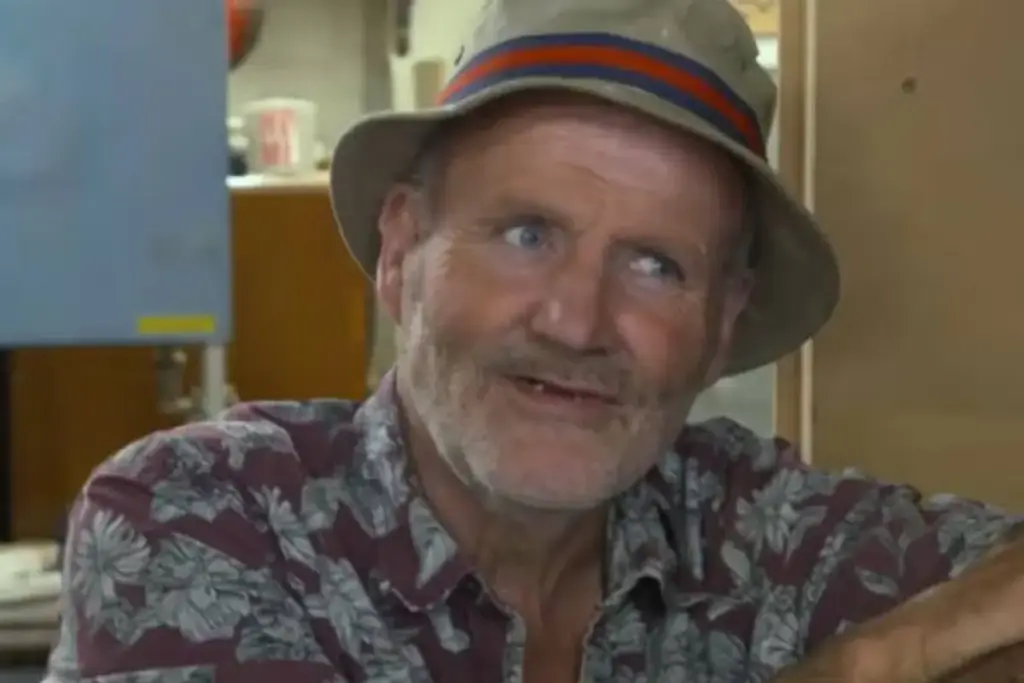
Enter master woodworker Norman Wilkinson. After a prolonged absence that spanned nearly a decade—leaving fans wondering about the reasons behind his departure—Wilkinson has officially been confirmed for a dramatic return to the program. His comeback highlights the upcoming launch of the show’s landmark 19th series.
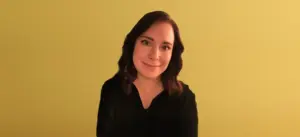
The announcement was initially brought to light by fellow presenter Sarah Moore during a promotional interview alongside co-star Jacqui Joseph. Moore did not hold back her enthusiasm, describing Wilkinson’s return as the absolute standout highlight of the new run. Rather than easing back into the workshop with a standard furniture restoration, Wilkinson was handed an extraordinary, highly complex project: transforming a ruined 1920s church organ into a bespoke, heirloom-quality writing desk.
This comprehensive report examines the circumstances surrounding Norman Wilkinson’s long-awaited return, the intricate details of his ambitious organ-to-desk restoration project, the broader cultural impact of Money for Nothing, and what this exciting casting development means for the future of the beloved BBC franchise.
Detailed Chronology: The Absence, The Announcement, and The Comeback
Years in the Wilderness: Unpacking the Long Absence
To fully appreciate the magnitude of Norman Wilkinson’s return, one must understand the vacuum left by his departure. Having established himself as a fan favorite during the early seasons of Money for Nothing, Wilkinson’s signature calm demeanor, encyclopedic knowledge of timber, and peerless woodworking precision made him an anchor of the show’s expert team.
Yet, approximately eight to nine series ago, Wilkinson quietly vanished from our television screens. In an industry where personnel changes are often heavily publicized, his exit was met with minimal fanfare or official explanation. As Moore noted during her recent interview, the cast and crew were tight-lipped about the reasons for his sudden absence: "We couldn’t really comment on why he wasn’t on it anymore or anything like that."

This shroud of mystery only served to amplify his status among the show’s devoted fanbase. Across internet forums, social media groups, and fan message boards, viewers regularly inquired about the master woodworker, lamenting the loss of his traditional craftsmanship and gentle screen presence. The prolonged silence created a narrative of unfinished business, making his eventual reappearance one of the most anticipated moments in recent BBC daytime history.
The Reveal: Sarah Moore Breaks the Silence
The news of Wilkinson’s return broke on Monday, August 31, when presenter Sarah Moore sat down to discuss the highlights of the forthcoming television schedule. While chatting with co-presenter Jacqui Joseph about the creative challenges and triumphs of the upcoming episodes, Moore seized the moment to drop the bombshell that fans had been waiting nearly a decade to hear.
"I think the standout item was Norman," Moore declared, shifting the focus away from standard upcycling projects to celebrate the human element of the show. She acknowledged his long hiatus, noting that he had been off screens for "eight or nine series," before emphasizing his enduring popularity among the viewing public. Moore’s candid remarks immediately generated a wave of excitement across media outlets, setting off a flurry of anticipation ahead of the series premiere.
The Epic Project: Breathing New Life into a 1920s Organ
True to form, the production team did not ease Wilkinson back in with a simple chair refurbishment or a quick coat of paint. Instead, they tested his master craftsmanship with one of the most challenging briefs in the history of the programme: a dilapidated 1920s church organ destined for the scrap heap.
Organs are notoriously difficult objects to repurpose. They combine complex internal mechanics, fragile reeds, intricate cabinetry, and heavy acoustic materials that are rarely compatible with modern domestic interior design. Yet, for a woodworker of Wilkinson’s caliber, the challenge presented an opportunity to showcase the pinnacle of upcycling artistry.
Working meticulously in his workshop, Wilkinson deconstructed the ruined instrument, salvaging the finest sections of aged timber and architectural molding. Through hours of precise cutting, joining, sanding, and finishing, he converted the decrepit musical artifact into a stunning, custom-made writing desk.

Describing the finished piece, Moore expressed awe at the transformation:
"He came back to do an amazing transformation of an organ, a sort of small church organ. I think it’s just so lovely that he’s back on, he made a great job of it… It just looks like the kind of furniture that you know in 200 years’ time people will be using it. And it was a beautiful desk made out of an organ, and people won’t even know that it was ever anything else. It’s just such a great makeover."
Supporting Context & Metrics: The Phenomenon of Money for Nothing
Understanding the BBC Daytime Staple
To comprehend why Norman Wilkinson’s return is major news for British television, one must examine the cultural footprint of Money for Nothing. Commissioned by the BBC, the show operates on a brilliantly simple yet compelling premise: items that members of the public are about to throw away at household waste recycling centres are intercepted by expert presenters.
Instead of letting these objects rot in landfills or undergo energy-intensive industrial recycling, the show hands them over to top-tier artisans, designers, and restorers. These experts invest their time, skill, and creative vision into transforming trash into treasure. Once the items are successfully upcycled, they are sold on, with the profits returned to the original owners—minus the production costs of the makeover.
The program champions several critical contemporary values:
- Sustainability and the Circular Economy: By demonstrating how everyday waste can be diverted from landfills, the show educates and inspires viewers to rethink their consumption and disposal habits.
- The Celebration of Skilled Labor: In an era dominated by fast furniture and mass-produced flat-pack items, Money for Nothing celebrates heritage crafts, woodworking, upholstery, metalwork, and industrial design.
- Emotional Resonance: The program thrives on human stories—the items often carry sentimental value from deceased relatives, childhood memories, or forgotten chapters of local history.
Viewing Figures and Scheduling
Money for Nothing occupies a prime afternoon slot in the BBC’s broadcasting schedule, airing Monday through Thursday at 2:00 PM on BBC One. In addition to its traditional linear broadcast audience, the series commands impressive streaming figures on BBC iPlayer, appealing to a diverse demographic ranging from younger DIY enthusiasts to older viewers who appreciate traditional craftsmanship.

The launch of the 19th series marks a remarkable milestone for a factual entertainment format. Longevity of this scale is rare in modern television, driven largely by the warmth, chemistry, and undeniable talent of its presenting and crafting lineup. Wilkinson’s return for the opening episode of Series 19 is widely viewed by industry analysts as a strategic masterstroke designed to generate maximum buzz, reward loyal viewers, and drive streaming numbers on iPlayer.
Official Statements and Industry Reactions
The announcement of Wilkinson’s return has elicited a wave of positive reactions from colleagues, media commentators, and fans alike.
Sarah Moore’s commentary during her promotional rounds underlined the profound professional respect and personal affection shared among the show’s cast. Her remarks emphasized that Wilkinson’s absence was felt deeply behind the scenes, making his reunion with the production crew a genuinely emotional moment.
"So I think people would be really pleased to see him," Moore stated during her interview with Jacqui Joseph. "The standout moment was Norman; he did such a solid job."
Television critics and entertainment journalists have similarly highlighted the casting coup. Publications across the UK have praised the BBC for bringing back a legacy talent who embodies the authentic, unpretentious spirit of the show. Unlike reality television formats that rely on manufactured drama and interpersonal conflict, Money for Nothing succeeds because of its genuine warmth, competence, and educational value—qualities that Norman Wilkinson personifies.
Future Outlook: Series 19 and Beyond
As Money for Nothing embarks on its 19th series, the return of Norman Wilkinson signals a revitalized era for the program. The opening episode, featuring his masterful conversion of the 1920s organ into an heirloom writing desk, sets an extraordinarily high benchmark for the rest of the season.

What Lies Ahead for the Franchise?
- Elevated Craftsmanship Standards: Wilkinson’s return raises the bar for complex restorations across the board. The success of the organ project may encourage producers to greenlight even more ambitious, large-scale upcycling briefs in future episodes.
- Audience Engagement and Nostalgia: The triumphant comeback of a legacy favorite demonstrates that the production team listens closely to its audience. Fan engagement on social media platforms—such as Threads and Instagram—is expected to peak as viewers tune in to witness Wilkinson work his magic once again.
- Educational Impact: As environmental consciousness continues to dominate public discourse, programs like Money for Nothing play a vital role in normalizing sustainable living. By showcasing how a ruined, obsolete church organ can be reborn as functional, timeless furniture, Wilkinson and his colleagues provide a masterclass in creative conservation.
Viewing Information
Fans eager to witness Norman Wilkinson’s triumphant return to television can catch the premiere episode of the 19th series. Money for Nothing broadcasts from Monday to Thursday at 2:00 PM on BBC One, with all episodes made available for catch-up and streaming via BBC iPlayer.
Whether you are a lifelong devotee of British woodworking, an advocate for sustainable living, or simply someone who appreciates a heartwarming television comeback, the return of master craftsman Norman Wilkinson is unmissable viewing.