Executive Overview
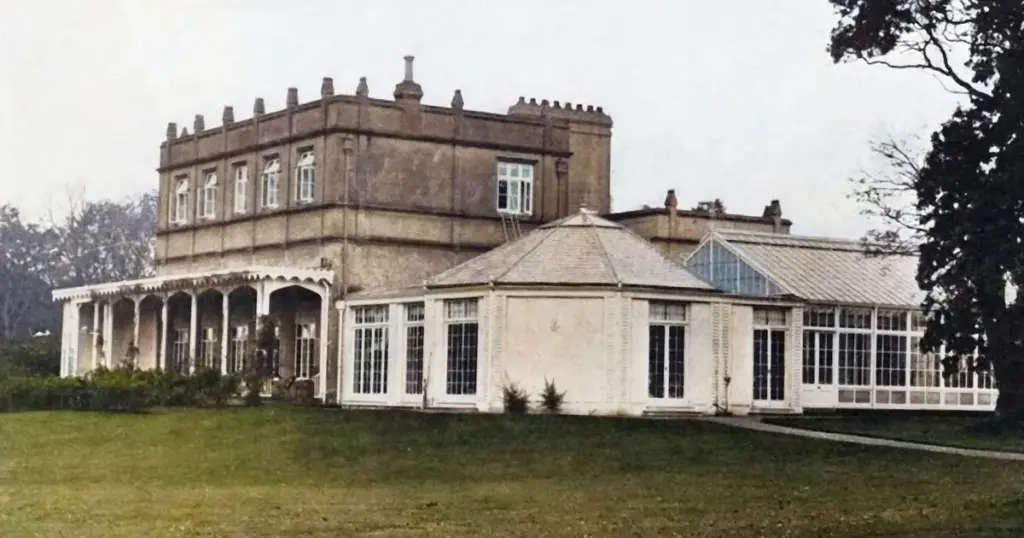
The sweeping changes transforming the British Royal Family have reached a historic turning point following confirmation that Royal Lodge—the sprawling 30-room Grade II-listed mansion in Windsor Great Park—is being offered for commercial lease starting in October. This development brings a definitive close to a turbulent era defined by high-stakes royal controversy, shifting institutional priorities, and the abrupt departure of Andrew Mountbatten-Windsor earlier this year.
Having occupied the prestigious Berkshire residence for more than two decades under a 75-year lease secured in 2003, Mountbatten-Windsor vacated the property on February 2. His exit came amidst intensifying public scrutiny, the fallout from newly released files concerning Jeffrey Epstein, and subsequent legal developments that culminated in his arrest on suspicion of misconduct in public office on his 66th birthday.
As the Crown Estate prepares to offer the historic property to the open rental market, prospective tenants face an unprecedented vetting process. Beyond undergoing stringent security evaluations by state and private agencies, any future occupant must be prepared to absorb the staggering financial realities of managing such an expansive estate. Industry reports estimate that the annual upkeep alone hovers around £400,000. With no senior members of the royal family stepping forward to assume stewardship of the residence, the Crown Estate—operating with commercial pragmatism—is turning to the private sector to safeguard the financial and physical integrity of one of Windsor’s most storied architectural landmarks.
Detailed Chronology: From 2003 Lease to the 2026 Departure
The history of Royal Lodge in the 21st century is a case study in royal real estate management, legal agreements, and public relations fallout. Understanding how the property transitioned from a secure royal residence to an open-market rental requires examining the pivotal milestones that defined Mountbatten-Windsor’s tenure.
2003: The 75-Year Lease Agreement
In 2003, following the passing of Queen Elizabeth The Queen Mother—who had long used the property as a cherished country sanctuary—the Crown Estate entered into a landmark agreement with Andrew Mountbatten-Windsor. The transaction granted him a 75-year lease on the main house, alongside several auxiliary cottages, security accommodations, and approximately 40 hectares (nearly 100 acres) of surrounding Windsor Great Park land.
The terms of the lease placed substantial maintenance and repair obligations on the lessee. Over the years, Mountbatten-Windsor invested millions of his own funds into modernizing the structure, which required extensive structural remediation when he first took possession. For nearly two decades, the estate served as his primary private residence, a home he shared for significant periods with his former wife, Sarah Ferguson.
February 2, 2026: The Abrupt Relocation
The structural stability of Mountbatten-Windsor’s residency began to fracture under the weight of mounting controversies. On February 2, 2026, amid the publication of explosive new files relating to his historical association with convicted sex offender Jeffrey Epstein, Mountbatten-Windsor abruptly packed up and moved out of Royal Lodge.
The departure was initially framed as a temporary displacement to facilitate structural renovations at the Windsor property. However, intelligence insiders and royal commentators quickly recognized the move as a permanent retreat from the Windsor estate. He was initially relocated to Wood Farm before establishing a more permanent residence at Marsh Farm, tucked away on the remote Sandringham Estate in Norfolk—a location far removed from the public glare of Windsor and central London.
February 19, 2026: The Arrest and Legal Fallout
The crisis deepened significantly just weeks after his departure. On February 19, 2026—coinciding with his 66th birthday—Mountbatten-Windsor was arrested by law enforcement on suspicion of misconduct in public office. The dramatic intervention marked an unprecedented legal nadir for a senior member of the House of Windsor in modern history.

Though Mountbatten-Windsor has consistently and strenuously denied any wrongdoing through his legal representatives, the arrest irrevocably severed his remaining ties to working royal life and accelerated institutional efforts to distance the monarchy from his private affairs.
October 2026: The Open Market Lease
By late August 2026, preparations were finalized to release the property to the rental market. With the lease officially remaining under structural management structures, the Crown Estate opted to market the expansive 30-room mansion to affluent private tenants starting in October. This move signals a radical departure from traditional royal allocations, treating a historic Crown property as a pure commercial asset.
Supporting Context & Metrics: The Architectural and Financial Realities of Royal Lodge
Royal Lodge is far more than a simple country home; it is a sprawling, historically complex compound that demands immense resources to maintain. Evaluating the property requires a deep dive into its architectural heritage, physical dimensions, and the immense financial liabilities associated with its upkeep.
+-------------------------------------------------------------------------+
                    ROYAL LODGE: KEY METRICS & ASSETS
+-------------------------------------------------------------------------+
| Metric / Asset             | Details                                    |
+----------------------------+--------------------------------------------+
| Architectural Status       | Grade II Listed Country House              |
| Primary Footprint          | 30 Principal Rooms                         |
| Surrounding Land           | Approx. 40 Hectares (100 Acres)            |
| Ancillary Structures       | Multiple Cottages, Lodges, Swimming Pool   |
| Historical Neighbors       | Royal Chapel of All Saints (Built 1825)    |
| Estimated Annual Upkeep    | ~£400,000                                  |
| Lease Structure            | 75-Year Crown Estate Lease (Orig. 2003)    |
+-------------------------------------------------------------------------+
Architectural Heritage and Historical Significance
Dating back centuries and designated as a Grade II listed building, Royal Lodge occupies a privileged position within Windsor Great Park. The estate is famously intertwined with 20th-century royal history, having served as the beloved country retreat of King George VI and Queen Elizabeth (later the Queen Mother) from the 1930s onward. It was here that the young then-Princess Elizabeth and Princess Margaret spent formative years of their youth, and the property retains a sentimental weight within the family archives.
Beyond the main 30-room mansion, the estate grounds encompass a diverse array of physical assets:
- The Grounds: Spanning roughly 40 hectares of impeccably landscaped gardens, mature woodland, and private pathways within Windsor Great Park.
- Ancillary Buildings: Several separate staff cottages, guest lodges, and dedicated security installations constructed to house protection officers during Mountbatten-Windsor’s residency.
- Recreational Facilities: A private outdoor swimming pool and extensive leisure amenities.
- The Royal Chapel of All Saints: Located immediately adjacent to the estate grounds and built in 1825, this historic chapel has long served as a private place of worship for members of the royal family residing on the Windsor estate.
The Financial Burden of Upkeep
Maintaining a Grade II listed heritage property of this magnitude is a formidable financial undertaking. Industry analysts and real estate experts cited by The Times estimate that the routine annual maintenance, structural preservation, insurance, and groundskeeping costs for Royal Lodge amount to approximately £400,000 per year.
Because historical preservation laws strictly govern alterations and repairs to Grade II listed buildings—requiring specialized materials, artisan craftsmanship, and adherence to heritage guidelines—costs can escalate rapidly. Any prospective tenant entering into a lease agreement must prove not only their liquid capital and income streams to cover market-rate rental fees but also possess the robust financial reserves required to sustain the property’s rigorous preservation standards.
Official Statements and Institutional Perspectives
The decision by the Crown Estate to lease Royal Lodge to an external private tenant highlights a pragmatic, business-first operational philosophy that often runs parallel to the traditional traditions of the British monarchy.
The Crown Estate’s Commercial Mandate
As an independent commercial business created by Act of Parliament, the Crown Estate is legally bound to enhance the value of the estate and generate revenue for the public treasury. The management of its vast portfolio—which includes urban real estate, agricultural land, and marine assets—is strictly divorced from the personal whims of individual royals.

A well-placed insider told The Mail on Sunday:
"The Crown Estate is a business, so the bean counters there are relieved Andrew didn’t give up his lease early, as the ongoing costs would have become their obligation, not Andrew’s."
This perspective illuminates the complex behind-the-scenes negotiations between royal households and estate administrators. By maintaining the lease structure while opening the estate to a third-party tenant, the Crown Estate ensures that the substantial financial liabilities of the property remain externalized, insulating public funds and institutional coffers from neglect-related deterioration.
The Royal Family’s Calculated Distance
Conspicuously, no senior member of the working royal family has expressed interest in claiming Royal Lodge as a primary or secondary residence. Speculation had previously linked various royals to the property, but King Charles III and senior advisors have deliberately steered clear of absorbing the estate into the active royal portfolio.
This reluctance is driven by two primary factors:
- Optics and Public Relations: In an era where the monarchy is striving to project financial restraint and absolute accountability, taking on a lavish 30-room Windsor mansion tainted by scandal would represent an unacceptable public relations liability.
- Consolidation of Royal Real Estate: The current reign has focused on streamlining royal residences, reducing operational footprints, and consolidating working royals into more secure, easily managed environments (such as apartments within Kensington Palace or smaller residences on the Windsor and Balmoral estates).
Future Outlook: What Lies Ahead for Royal Lodge and Its Residents?
As October approaches and the marketing campaign for Royal Lodge shifts into high gear, the property stands at a fascinating crossroads between its aristocratic past and its corporate future.
The Screening Process for Prospective Tenants
Given the high-profile nature of the estate and its location within the secure perimeter of Windsor Great Park, leasing the property is far from a standard real estate transaction. Prospective tenants will face multi-layered vetting procedures, including:
- Comprehensive financial audits to verify the ability to absorb £400,000+ in annual maintenance costs alongside lease fees.
- Rigorous security clearance checks conducted in coordination with protection commands and intelligence agencies, given the estate’s proximity to sensitive royal infrastructure.
- Strict compliance agreements regarding heritage preservation, environmental stewardship within Windsor Great Park, and adherence to Crown Estate regulations.
The Permanent Chapter Closure for Mountbatten-Windsor
For Andrew Mountbatten-Windsor, the transition of Royal Lodge to a commercial tenant marks the definitive severing of his physical anchor in Windsor. Settled in the relative obscurity of Marsh Farm on the Sandringham Estate, his daily life is now bounded by Norfolk’s rural seclusion rather than the corridors of royal power.
Whether the open market will successfully attract a tenant capable of meeting the stringent financial and security demands of Royal Lodge remains to be seen. What is certain, however, is that the era of royal family members occupying the estate by virtue of birthright and hereditary leasehold has come to an unceremonious and definitive end. The Crown Estate’s pivot to commercial leasing establishes a new precedent for royal property management—one where financial accountability and strict corporate governance supersede historical privilege.