Executive Overview
In an era where the social fabric is continually evolving, the institution of marriage faces a fascinating sociological turning point. With UK marriage rates projected to decline by a staggering 28 percent by 2050, receiving a wedding invitation is no longer a routine seasonal expectation—it is a rare, highly valued privilege. Couples who choose to formalize their unions in the modern landscape are investing heavily in creating unforgettable experiences, and they rightfully expect their guests to reciprocate that dedication.
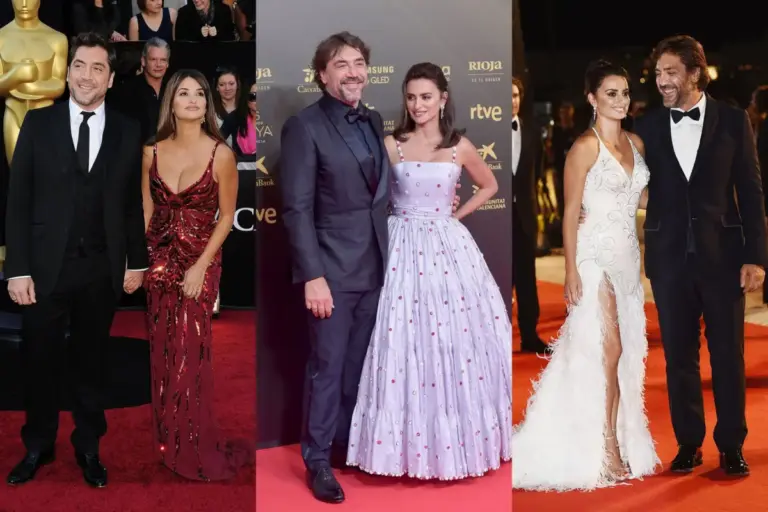
This unspoken social contract does not require buying a brand-new wardrobe. Instead, it invites a deeper level of intentionality: "guest homework." Whether repurposing a ten-year-old satin shift dress borrowed from a sibling or unearthing archival designer pieces, elevating one’s look is about rising to the occasion. Furthermore, for couples attending together, the modern wedding presents a unique styling equation. Balancing personal aesthetics with partner coordination has become an essential form of non-verbal etiquette. Far beyond simply matching color palettes or leaning into a shared fashion era, successful co-styling is about investing an equal level of care, polish, and respect into your collective presentation.
Detailed Chronology: The Evolution of Wedding Guest Attire and Coordinated Style
To understand where modern wedding fashion stands, it is helpful to trace how guest expectations have transformed over the decades.
The Shift from Obligation to Celebration
- The Mid-to-Late 20th Century: Wedding guest attire was rigidly bound by traditional formalities. Morning suits, matching hats, and conservative pastel dresses were the undisputed uniform. Individuality was often sacrificed for uniformity, and the concept of "plus-one coordination" rarely extended beyond matching a tie to a partner’s corsage.
- The Turn of the Millennium: As formal dress codes relaxed across society, wedding fashion experienced a period of bohemian fluidity and casualization. However, this pendulum swing occasionally tipped too far, leading to an era of under-dressed attendees who treated high-formality events with casual indifference.
- The Post-Pandemic Renaissance: Following years of restricted gatherings, the modern wedding renaissance has redefined celebrations into high-production, deeply personal milestones. Guests are no longer passive observers; they are active participants in a curated aesthetic universe.
The Rise of the Coordinated Couple
In recent years, celebrity culture and high-profile nuptials have brought partner styling into sharp focus. Consider the public fascination with the meticulously paired appearances of modern style icons. When Justin Bieber—a master of effortless, slouchy street style—and Hailey Bieber attended the star-studded Malibu wedding of Jordyn Woods and NBA star Karl-Anthony Towns, their looks offered a masterclass in mutual refinement. Hailey’s embellished halter-neck Versace evening gown from the autumn/winter 2023 runway synced harmoniously with Justin’s sharp, single-breasted suit.
This streamlined, monochromatic approach eliminates the jarring visual disparity that often occurs when one partner arrives in black-tie splendor while the other sports casual wear or mismatched separates. It reflects a broader cultural movement toward unified aesthetics, where couples act as a cohesive style unit rather than two independent entities sharing a table.
Supporting Context & Metrics: The Changing Landscape of Matrimony and Fashion
The Demographic Shift
Recent insights from legal and demographic studies highlight a profound cultural shift:
- Decline in Marriage Rates: Statistical projections indicate that UK marriages are set to decline by roughly 28 percent by the year 2050.
- The Scarcity Principle: As marriages become statistically less common, the cultural weight of each ceremony increases. Each wedding represents a deliberate, counter-cultural investment in lifelong commitment, making the invitation a significant honor.
- Sustainability and Circular Fashion: Rather than fueling fast-fashion production lines for a single weekend, modern attendees are turning toward archival fashion, rental platforms, and vintage markets. This shift aligns high-effort presentation with sustainable consumption.
The Psychology of "Guest Homework"
Why does preparing an outfit matter so profoundly? Fashion psychologists note that how we dress for an event communicates our respect for the hosts. When a guest whose day-to-day style leans toward the casual—perhaps defined by lived-in denim, suncream-stained basics, or broken-in footwear—makes a visible effort to polish their appearance, it signals a deep appreciation for the milestone being celebrated.
This preparation involves meticulous "guest homework":
- The Tailor’s Touch: Mending fallen hems, adjusting waistlines, and ensuring garments fit flawlessly weeks before the event.
- The Dry-Cleaner’s Schedule: Securing professional cleaning well in advance to avoid last-minute wardrobe panic.
- The Footwear MOT: Entrusting well-worn heels or dress shoes to a cobbler for heel replacements and structural reinforcement, ensuring you can dance the night away without fashion emergencies.
Official Statements and Industry Perspectives
Leading voices in fashion and event curation have increasingly weighed in on the delicate balance of guest etiquette and aesthetic alignment.

"Investing wedding-level effort in one’s appearance is a tangible form of storytelling. When couples coordinate thoughtfully, they aren’t just matching colors—they are signaling a shared respect for the hosts’ vision and the gravity of the occasion." — Leading Fashion Editor & Commentator
Stylists and event planners emphasize that communication is the cornerstone of successful guest dressing. Checking in with the wedding party months in advance regarding dress code nuances—such as whether an all-black evening dress ensemble is welcomed—prevents any accidental clashes with bridal party palettes or cultural expectations.
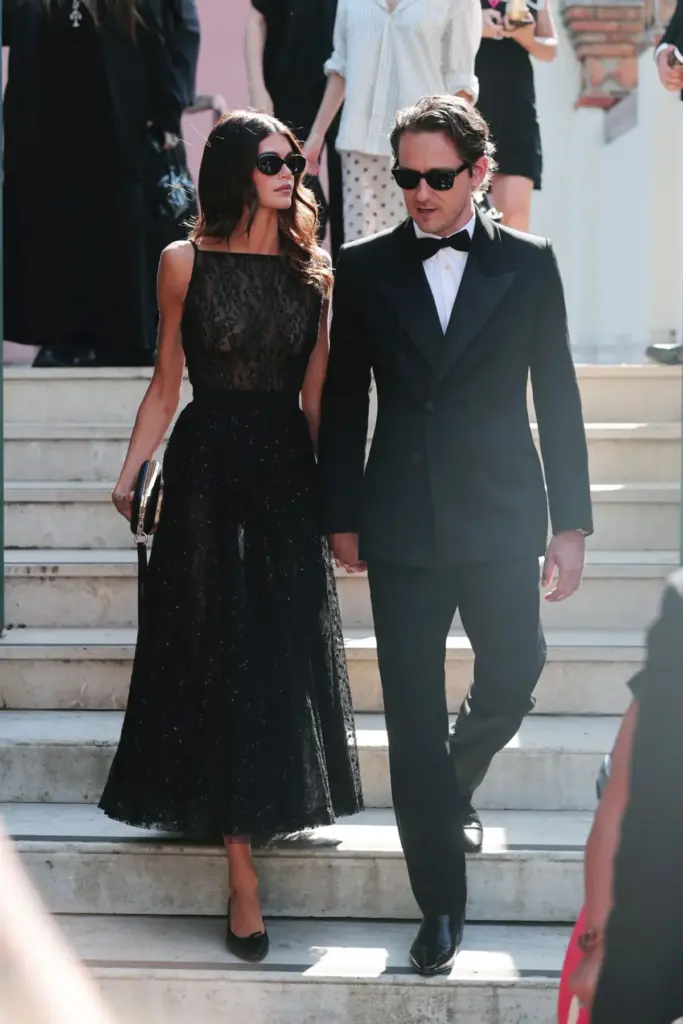
Furthermore, the revival of the all-black evening gown among next-generation style tastemakers (championed by figures like Charli XCX, Dakota Johnson, and Quen Blackwell) has transformed what was once considered taboo into the pinnacle of effortless sophistication. Paired with a DIY Dyson blowout and a soft-focus cat-eye, the black evening dress serves as a foolproof canvas that allows couples to project unified elegance.
Curated Inspiration: Investment-Worthy Evening Pieces
For those seeking to elevate their archival or rental rotations with a definitive investment piece, the market offers exceptional architectural silhouettes:
- Alexander McQueen: Lace-Hem Sleeveless Midi Dress (£1,890) — A masterclass in dark romanticism and structural tailoring.
- Emilia Wickstead: Keeley Dress in Black Duchess Satin (£1,500) — Epitomizes timeless, Old Hollywood architectural poise.
- Vivienne Westwood: Priscilla Dress (£1,295) — A sculptural marvel combining modern draping with heritage tailoring.
- Rick Owens: Bustier Strapless Stretch-Wool Gown (£995) — Perfect for the avant-garde couple looking to push minimalist boundaries.
- Shushu/Tong: Bow-Detail Midi Dress (£1,180 / Reduced to £826) — Blends youthful romance with sharp, modern tailoring.
- ROTATE: Floral-Appliqué Off-Shoulder Crêpe Maxi Dress (£505) — Offers dramatic textural interest for evening receptions.
- Norma Kamali: Off-Shoulder Ruched Jersey Gown (£345) — The ultimate in packable, figure-hugging evening ease.
- JOSEPH: Boulle Two-Piece Chiffon Sequin Dress (£795 / Reduced to £318) — Delivers subtle, light-catching shimmer without overpowering the room.
- Staud: Wells Cotton Poplin Midi Dress (£275) — A structured, contemporary classic ideal for garden ceremonies.
- Vintage Archives (e.g., eBay discoveries like the Vintage ‘Susan Small Model’ Black Evening Dress at £156): Championing circular fashion with one-of-a-kind historical resonance.
Future Outlook: What Lies Ahead for Wedding Guest Etiquette
As we look toward the horizon of 2050 and beyond, wedding guest etiquette will likely continue to intersect with technological curation and hyper-personalized celebrations.
1. Digital Wardrobe Planning and Collaborative Apps
We can anticipate an increase in couples utilizing digital wedding websites with integrated styling mood boards. Rather than leaving guests to guess the appropriate interpretation of "black-tie optional" or "garden formal," hosts may provide curated visual guides to help couples harmonize their looks with the venue’s architectural palette.
2. The Rise of Rental and Archival Luxury
With growing environmental awareness and economic shifts, the stigma surrounding repeated outfits or rented designerwear will completely dissolve. The future of wedding guest style belongs to those who master the art of reinvention—styling archival pieces with modern accessories, ensuring sustainability and high fashion go hand in hand.
3. The Enduring Value of Effort
Ultimately, regardless of how trends shift, the core currency of wedding attendance will remain effort. In a future where marriage ceremonies are increasingly cherished as monumental, life-defining gatherings, the guests who take the time to prepare their wardrobes, coordinate with their partners, and respect the solemnity and joy of the day will always stand out as the best-dressed people in the room.