The global entertainment community continues to grieve the loss of Tim Curry, a legendary, multi-faceted performer whose magnetic screen presence, iconic voice acting, and fearless reinvention left an indelible mark on modern pop culture. Passing away at the age of 80, Curry’s journey from avant-garde theater stages to the upper echelons of Hollywood villainy and animated immortality represents a masterclass in artistic versatility.
While public knowledge of Curry’s health challenges had long been shadowed by his post-2012 retreat from the active spotlight, recent medical disclosures provided by official documents obtained by People magazine have shed light on the exact circumstances of his passing. Curry died from coronary artery disease, with his history of debilitating strokes and past battle with kidney cancer listed as significant contributing factors.
This retrospective examines Curry’s monumental contributions to film, television, and theater, traces the arc of his physical health battles that ultimately culminated in his death in Los Angeles, and reviews the global outpouring of grief and tribute from industry peers and devoted fans alike.
Detailed Chronology: From Transatlantic Stardom to the Final Years
A Meteoric Ascent: The Birth of Dr. Frank-N-Furter
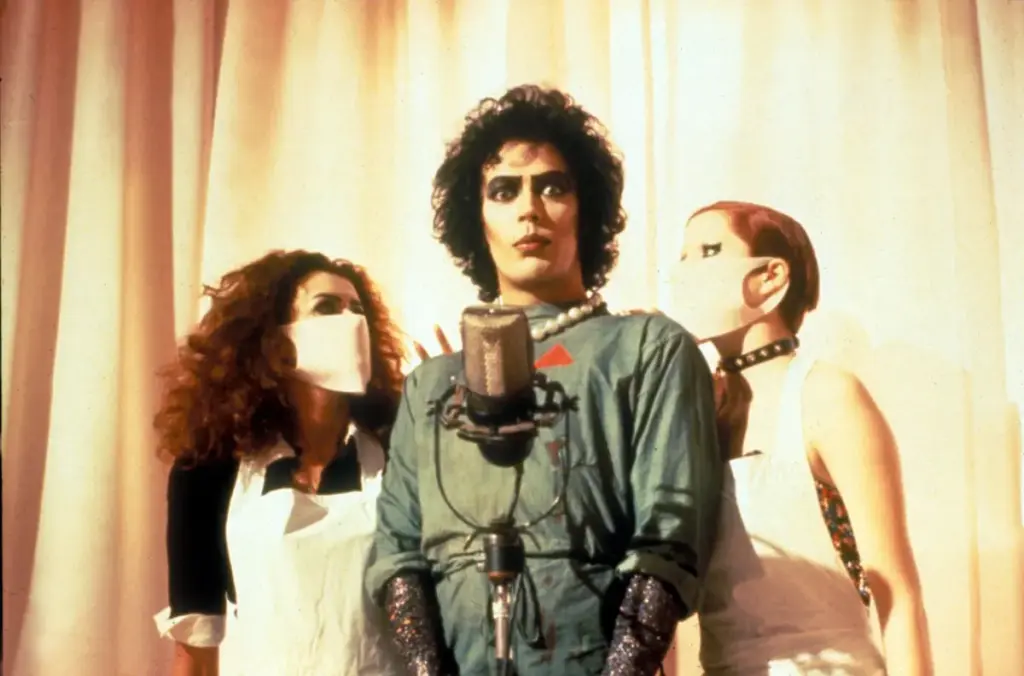
Born in Cheshire, England, Tim Curry’s path to theatrical royalty was cemented in 1973 when he originated the role of the charismatic, gender-bending Transylvanian scientist Dr. Frank-N-Furter in The Rocky Horror Show at London’s Royal Court Theatre. The production—a thrilling pastiche of B-movie sci-fi, horror, and rock-and-roll—became an immediate cultural phenomenon.
Curry seamlessly transitioned the role to Broadway before anchoring the 1975 cult-classic feature film adaptation, The Rocky Horror Picture Show, alongside an ensemble cast that included Susan Sarandon, Barry Bostwick, and Meat Loaf. The film broke barriers regarding LGBTQ+ representation and mainstream cinematic eccentricity. It introduced generations of moviegoers to anthems like "The Time Warp" and sealed Curry’s reputation as an actor who reveled in playing deliciously complex villains.
Throughout the decades that followed, Curry’s resume grew to encompass an astonishing range of characters. He terrorized audiences as Pennywise the Dancing Clown in the 1990 miniseries adaptation of Stephen King’s It, brought high-society menace to Home Alone 2: Lost in New York as Mr. Hector the concierge, and lent his unforgettable vocal talents to animated landmarks, portraying everyone from Nigel Thornberry in The Wild Thornberrys to Captain Hook in various adaptations and multiple characters in Scooby-Doo.
The Turning Point: The 2012 Stroke and Retreat from the Spotlight
Despite his prolific output, Curry’s dynamic career trajectory faced a sudden and severe hurdle in July 2012, when he suffered a major stroke at his home in Los Angeles. The medical event left the actor partially paralyzed, forcing him to step back from live-action cinematic roles and retreat largely into privacy.
Initially, the severity of the stroke was kept out of the public eye, with news only confirming the incident nearly a year later in 2013. In the immediate aftermath, Curry faced daunting obstacles, including a period of limited speech that he later described in interviews as absolute "hell." Through rigorous determination, however, Curry achieved a nearly full vocal recovery. This vital milestone allowed him to continue working selectively in voice acting, preserving his distinct, theatrical cadence for a new generation of listeners.
Public Revelations and Final Appearances
Curry offered rare, unvarnished insights into his post-stroke reality during a milestone appearance in October 2025. Attending a special 50th-anniversary screening of The Rocky Horror Picture Show at the Academy Museum in Los Angeles, Curry addressed an adoring audience from a wheelchair.
“I still can’t walk, which is why I’m in this silly chair, and that’s very limiting,” Curry told the emotional audience. “So I won’t be singing and I won’t be dancing very soon. I still have real problems with my left leg.”
During the same event, and elaborated upon in his October 2025 memoir, Vagabond, Curry detailed the astonishing circumstances surrounding the stroke itself. He recounted that he had been receiving a massage when the medical emergency struck. Unaware of the neurological crisis unfolding within his body, Curry initially brushed off his masseuse’s deep concern.
It was the attentive instinct of the massage therapist—who insisted on calling an ambulance against Curry’s initial objections—that ultimately saved his life. “I probably owe my life to the fact that he ignored me, went with his instinct, and called an ambulance,” Curry reflected in his memoir, noting that even as medical personnel loaded him into the vehicle, he felt the intervention was an unnecessary exercise.
Supporting Context & Metrics: Understanding Coronary Artery Disease and Health Complications
Following dispatch audio obtained by TMZ confirming that emergency responders had arrived at Curry’s Los Angeles residence for a death investigation, official documentation reviewed by People magazine clarified the precise medical cause of death: coronary artery disease.
What is Coronary Artery Disease?
Coronary heart disease (CHD)—often synonymous with coronary artery disease—occurs when the major blood vessels supplying the heart struggle to supply sufficient blood, oxygen, and nutrients. This condition is typically driven by atherosclerosis, a pathological process wherein fatty deposits, known as atheroma, accumulate along the inner walls of the coronary arteries.
Etiology: Over time, these fatty plaques narrow the arterial passageways, restricting blood flow to the heart muscle. Risk factors include aging, genetic predisposition, smoking, high blood pressure, elevated cholesterol, and sedentary lifestyle factors.
Clinical Presentation: While some individuals experience classic symptoms such as angina (chest pain), shortness of breath, or fatigue, others remain entirely asymptomatic until a major cardiac event occurs.
Complications: Advanced coronary artery disease significantly increases the risk of myocardial infarction (heart attack), heart failure, and sudden cardiac arrest.
In Curry’s case, medical examiners noted that his chronic history of cerebrovascular events (strokes) and his past battle with kidney cancer acted as profound contributory stressors on an already strained cardiovascular system. Despite managing these cascading health issues for over a decade, the accumulated strain of coronary artery disease proved insurmountable.
Official Statements and Industry Tributes
The entertainment industry responded to Curry’s passing with an outpouring of grief, reverence, and creative celebration. Co-stars, contemporary musicians, and theatrical organizations took to social media and public platforms to honor a pioneer of stage and screen.
A poignant, spontaneous tribute materialized online and on stage via a special performance organized by members of the theatrical community. Performers including Jake Shears, Luke Evans, and Paul Soileau delivered a moving rendition of the Rocky Horror classic "I’m Going Home" dedicated entirely to Curry’s legacy.
Renowned directors and fellow actors highlighted Curry’s unique ability to elevate any project he touched. Whether portraying terrifying figures of nightmares or warm-hearted, eccentric father figures in animation, Curry brought an unmatched commitment to characterization. His transition from high-energy rock musicals to wheelchair-bound resilience served as an inspiration to fans worldwide who watched him navigate his later years with dignity and sharp wit.
Future Outlook and Enduring Legacy
As the dust settles on the immediate grief of Tim Curry’s passing, cultural historians and cinematic institutions are already looking toward how his legacy will be preserved for future generations.
Academic and Institutional Archives: Film archives, including the Academy Museum of Motion Pictures where Curry made his final major public appearance, are curating exhibits dedicated to his costume history, theatrical design, and contributions to queer cinema history.
Theatrical Revivals:The Rocky Horror Picture Show shadowcasts and midnight screenings worldwide continue to thrive, serving as living monuments to Curry’s creation of Dr. Frank-N-Furter—a role that revolutionized audience participation and acceptance of non-traditional identities on film.
Literary Re-evaluation: With the late-2025 publication of his memoir, Vagabond, literary critics have found a fresh appreciation for Curry’s sharp prose, wit, and philosophical outlook on life, health, and artistic survival.
Tim Curry’s journey demonstrates the profound impact a single artist can have across multiple mediums. From the gritty boards of London theaters to the sprawling canvases of Hollywood animation and live-action cinema, Curry broke molds and refused to be typecast. Though his physical presence has left the world, his voice, his inimitable theatrical flair, and his unforgettable rogues’ gallery will echo through cinema history indefinitely.