Executive Overview
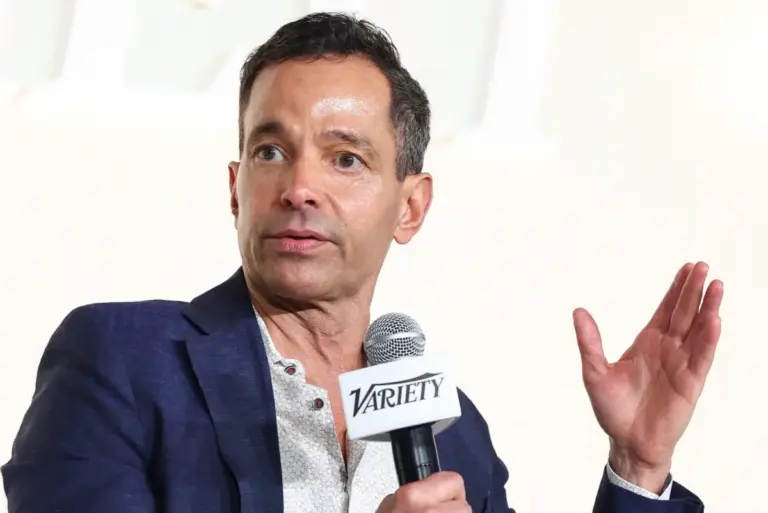
The landscape of modern television commissioning is increasingly fraught with ethical landmines. As streaming platforms and traditional broadcasters alike race to adapt real-world tragedies into gripping high-end dramas, the boundaries separating public interest, voyeurism, and trauma exploitation continue to blur. No executive has been more vocal about navigating these precarious waters than Ben Frow, the chief content officer at Paramount-owned British public service broadcaster Channel 5.
In a recent industry address, Frow revealed that he would never have commissioned a dramatization of the 2021 murder of Sarah Everard—a high-profile crime that sent shockwaves across the United Kingdom and triggered intense national soul-searching regarding women’s safety. While acknowledging that acclaimed writer Jeff Pope is well-suited to helm the project for the BBC, and recognizing the profound importance of the narrative itself, Frow maintained that the subject matter simply falls outside his network’s commissioning parameters.
This stance highlights a fascinating divergence in the strategy of British broadcasters. While the BBC presses forward with a sensitive, investigation-focused look into the Everard tragedy, Channel 5 has routinely courted controversy by greenlighting ripped-from-the-headlines dramas regarding other notorious real-world events, including the Huw Edwards scandal and the 2007 disappearance of Madeleine McCann.
This in-depth report explores the complex philosophies driving contemporary television commissioning, the strict ethical frameworks governing modern contributor welfare, the fierce debates surrounding male writers tackling female-centric trauma, and the shifting legal and moral responsibilities of broadcast executives in the 2020s.
Detailed Chronology & Industry Context
The Genesis of the BBC’s Everard Project
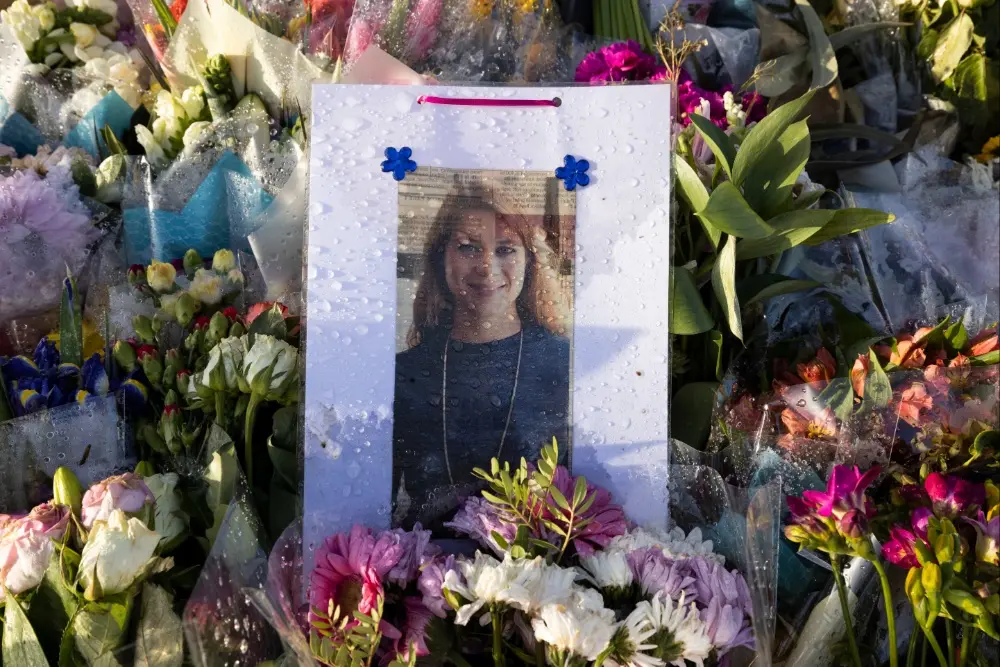
The tragic murder of Sarah Everard in March 2021 by off-duty Metropolitan Police officer Wayne Couzens during COVID-19 lockdown restrictions remains one of the darkest chapters in recent British history. The crime galvanized the nation, prompting massive vigils, widespread outrage over police vetting and institutional misogyny, and a fundamental reassessment of public safety for women.
In response to the gravity of the event, the BBC announced that veteran screenwriter Jeff Pope—renowned for his sensitive handling of real-life tragedies, including The Moorside and Four Lives—would pen a drama focusing on the meticulous police investigation that brought Couzens to justice, rather than dramatizing the abduction and murder itself. Despite these safeguards, the project has faced substantial criticism. Civil rights advocates, cultural commentators, and women’s rights groups questioned the decision to entrust a narrative so deeply personal and traumatic to British women to a male screenwriter.
Channel 5’s Paradoxical Approach to True Crime
While Frow has publicly distanced Channel 5 from the Everard project, his network is no stranger to provocative, headline-driven drama. Under Frow’s leadership, Channel 5 has leaned heavily into ripped-from-the-headlines storytelling, commissioning fictionalized accounts of other lightning-rod cultural moments.
Among these is a planned drama exploring the fall of disgraced BBC news anchor Huw Edwards, who was convicted for downloading indecent images of children. Channel 5 has also tackled the enduring mystery of Madeleine McCann, the British toddler who vanished during a family holiday in Praia da Luz, Portugal, in 2007.
When discussing the McCann project, Frow offered insight into the meticulous behind-the-scenes negotiations required to bring such sensitive stories to the screen. Revealing that the McCann family’s public relations representative was closely monitoring the production, Frow noted, "They didn’t want to take part in it, but they knew we were doing it." This delicate tightrope act underscores the friction between commercial television demands and the enduring grief of families caught in the global spotlight.
Supporting Context & Editorial Frameworks
Frow’s Three-Pronged Commissioning Philosophy
During his remarks, Frow laid bare the internal calculus that dictates whether a concept moves from a casual pitch to an active greenlight. He evaluates potential programming through a strict, three-tiered framework designed to balance creative ambition with institutional risk management:
- "Would I watch it?" — A foundational gut-check assessing the baseline entertainment and engagement value of the concept.
- "Is it more trouble than it’s worth?" — A pragmatic evaluation of potential regulatory backlashes, reputational damage, and PR crises.
- "Why am I doing it?" — An existential query demanding a clear, defensible public service or commercial justification for bringing the story to light.
Applying these touchstones led Frow directly to the conclusion that the Everard narrative was a bridge too far for Channel 5. "There are some things I just wouldn’t do," he stated unequivocally, cementing his philosophy that not every culturally significant story belongs on every network.
The Evolution of Contributor Welfare and Privacy
Perhaps the most significant paradigm shift in British television over the past decade has been the transformation of duty-of-care protocols. In the wake of historical scandals surrounding reality television, documentaries, and investigative journalism, Ofcom and major broadcasters have radically overhauled their guidelines regarding vulnerable contributors and subjects of true-crime programming.
Frow emphasized that today’s media environment places an unprecedented emphasis on privacy and contributor welfare—standards that would have been virtually unrecognizable ten years ago.
"The big message that we embrace is that we have to have people on board, and we want to be able to tell their story, and we want to do it in a responsible way, and not in a sneery, jeery, horrible way."
This shift is not merely philosophical; it carries severe operational and legal consequences. Broadcasters can no longer afford to operate with impunity when dealing with real human suffering. The imperative to protect individuals from re-traumatization has become a central pillar of modern television production.
Official Statements & Legal Realities
Navigating Content Disputes and Litigation
The real-world friction between creative ambition and ethical responsibility was underscored recently when production company Blackbox Multimedia filed a lawsuit against Channel 5 following the abrupt shelving of a planned drama series. While Frow declined to comment extensively on the specifics of the ongoing legal dispute, he used the moment to reiterate the network’s unwavering commitment to its internal protocols:
"What I can say is I can reiterate that we take contributor welfare very, very seriously, and if somebody calls and says, ‘I have a problem with that,’ we listen to them."
Frow went a step further, revealing that Channel 5 has previously absorbed financial losses by completely writing off fully developed programs when objections arise from stakeholders or affected parties.
"In some cases, that means that you just decide that you can no longer do that program," Frow explained. "And there are programs that I have written off because it turns out that somebody feels very strongly that we shouldn’t be doing it, or it’s been done in the wrong way. So it’s something to be very mindful of."
This willingness to scrap expensive projects demonstrates that financial investments are increasingly subordinated to ethical compliance and risk mitigation—a notable posture in a hyper-competitive media market where every budget dollar is fiercely contested.
Future Outlook: The Next Era of True-Crime Storytelling
As television networks look toward the future, the debate over the ethics of adapting real-life tragedies into entertainment shows no sign of abating. The commissioning choices made by public service broadcasters like the BBC and Channel 5 set crucial precedents for the entire international television industry.
Key Questions for the Industry Ahead:
- The Gender Divide in Storytelling: Will networks face mounting pressure to ensure that female-centric tragedies and systemic crimes against women are written, directed, and produced primarily by women with lived understanding of the issues?
- The Statute of Limitations on Tragedy: How much time must pass before a real-world crime transitions from a raw societal wound to acceptable material for dramatic interpretation?
- The Economic Cost of Ethics: As Frow highlighted, the willingness to write off controversial programs proves that ethical governance carries a tangible price tag. Will independent production companies begin baking stricter contingency clauses into their development contracts to protect against sudden network cancellations driven by moral pushback?
Ultimately, Ben Frow’s refusal to touch the Sarah Everard story serves as a fascinating case study in executive self-regulation. It demonstrates that in an era where audiences demand both sensational storytelling and uncompromising moral accountability, knowing which stories not to tell has become just as important as the hits that make it to the screen.