Executive Overview
Meta is making its most aggressive push yet to conquer the modern living room. For years, the digital ecosystem has watched as connected TVs (CTVs) absorb an increasingly massive share of consumer attention and, consequently, premium ad dollars. While industry giant YouTube has successfully leveraged its massive user-generated content (UGC) library into a dominant living room staple—often rivaling traditional streaming networks—Meta’s flagship photo- and video-sharing app, Instagram, has historically remained confined to the intimate, solitary space of mobile device screens.
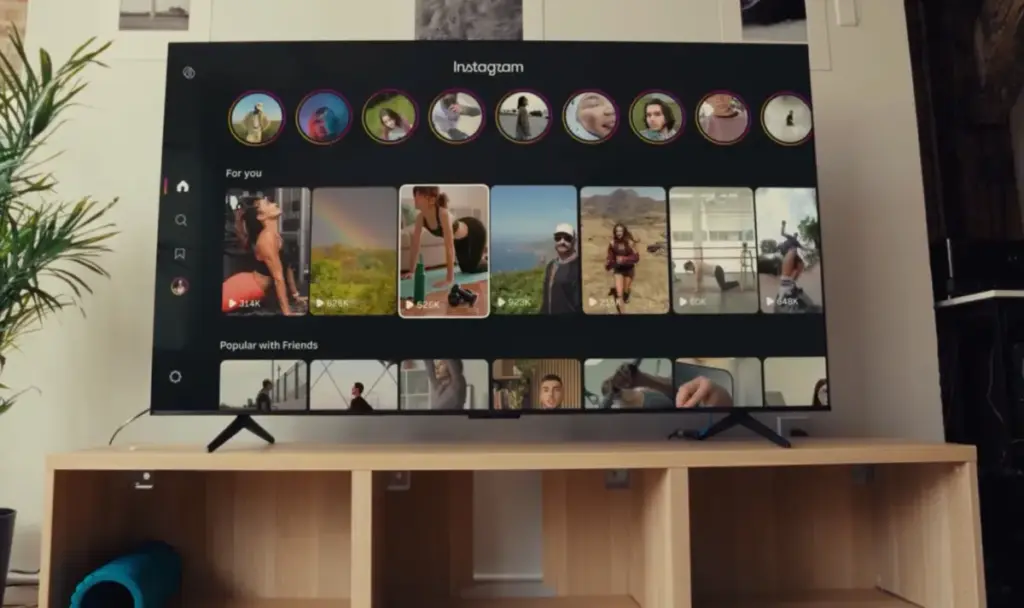
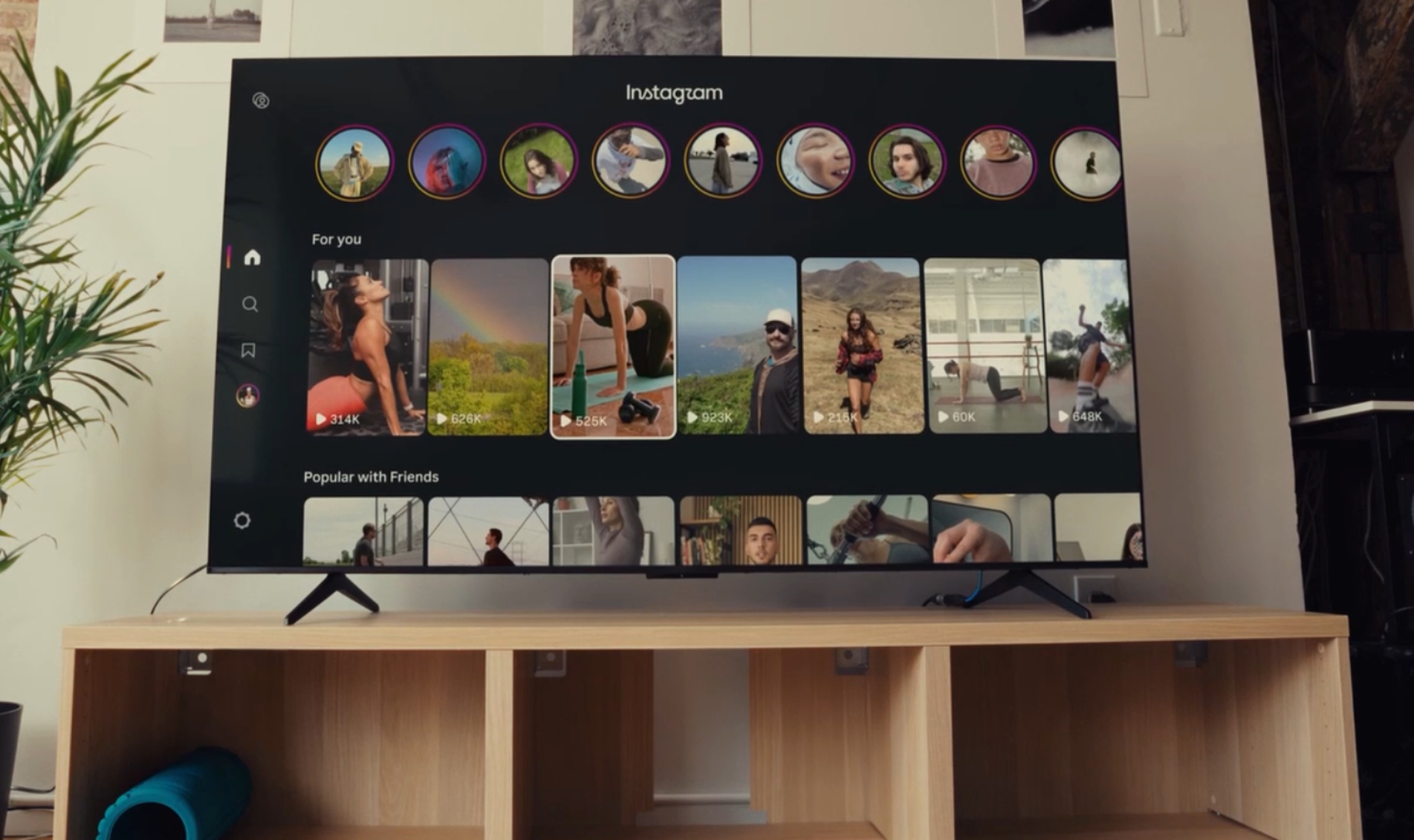
Enter the Instagram for TV app. Launched late last year, this dedicated application represents Meta’s strategic pivot to capture living room traffic and bridge the gap between pocket-sized vertical video and the traditional family television set. However, transitioning a platform built on hyper-personal, solo scrolling into a communal, shared viewing experience presents a profound psychological and cultural hurdle: How do you turn a solitary "Reels binge" into a watch party?
To solve this, Instagram has partnered with the Los Angeles-based creative agency Special U.S. to launch a major new multi-platform promotional initiative titled "Watch While." By enlisting prominent creators to showcase how Reels can naturally integrate into daily shared routines—from entertaining salon clients to setting the mood for a cooking lesson or stretching with family—Meta is attempting to reframe vertical video not merely as a cure for boredom, but as a dynamic, ambient soundtrack for everyday life.
This deep-dive investigative report explores the origins of Meta’s living room strategy, analyzes the creative mechanics of the "Watch While" campaign, contextualizes the fierce market battle for CTV advertising dollars against competitors like YouTube and TikTok, and evaluates whether Instagram can successfully rewrite the rules of television viewership.
Detailed Chronology: From Mobile-Only Feeds to Living Room Screens
To understand the weight of the Instagram for TV rollout, one must examine the long-term evolution of Meta’s multi-screen strategy. For over a decade, Instagram’s architecture was explicitly optimized for tactile, mobile interaction—thumb swipes, double-taps, and vertical framing specifically tailored to the human hand.
The IGTV Precedent and Early Living Room Experiments
Meta’s desire to claim real estate on the television screen is not a sudden pivot; it is the continuation of a multi-year crusade.
- The IGTV Era (2018): When Instagram first launched IGTV, the company positioned it as a direct competitor to long-form video platforms. Meta openly mused about scaling the feature for connected televisions, hoping creators would produce vertical or square cinematic content that could play on big screens. However, consumer habits at the time rejected the format, and creators struggled to monetize long-form vertical video effectively.
- The Reels Explosion: As TikTok popularized short-form vertical video, Meta aggressively pivoted its ecosystem toward Reels. Reels quickly became the lifeblood of Instagram’s engagement metrics, driving daily active usage and time spent on the platform. Yet, Reels remained stubbornly tethered to the smartphone.
The Launch of Instagram for TV
Recognizing that consumer viewing habits were increasingly shifting away from linear cable toward connected TV environments, Meta quietly rolled out the Instagram for TV app late last year. Designed specifically for smart TV operating systems, the app re-engineered the infinite-scroll UI of Reels into a lean-back, couch-friendly viewing experience.
Yet, releasing the app was only half the battle. The core dilemma facing Meta’s product and marketing teams was behavioral: consumers are accustomed to watching Netflix, Disney+, or YouTube on their TVs with others, but opening Instagram on a television felt unnatural. A mobile app inherently invites private consumption; a TV screen inherently invites a shared audience.
The Birth of the "Watch While" Campaign
To bridge this psychological divide, Meta tapped the creative agency Special U.S. to design a campaign that would normalize and contextualize the app’s utility. The resulting initiative, Watch While, was conceived to directly challenge the notion that Reels are strictly solitary, bite-sized entertainment meant to be consumed in isolation. Instead, the campaign reimagines short-form vertical video as the structural foundation for modern, communal watch parties broadcast directly through connected living room hardware.
Supporting Context & Metrics: The High-Stakes Battle for the TV Screen
Meta’s push into the living room is fueled by cold, hard economic reality. The battleground for modern media consumption has permanently shifted toward the living room, and digital platforms are fighting tooth and nail for the ultimate prize: the household TV screen.
+--------------------------------------------------------------------------+
                  THE CONNECTED TV (CTV) ATTENTION ECOSYSTEM
+--------------------------------------------------------------------------+

  [ YouTube ] ---> Dominates TV screens, capturing massive linear ad budgets
                   and positioning creators as mainstream TV alternatives.

  [ TikTok  ] ---> Aggressively expanding living room features and creator-
                   led programming to capture shared household audiences.

  [  Meta   ] ---> Deploying the "Instagram for TV" app & "Watch While"
                   campaign to convert mobile scrollers into living room viewers.
+--------------------------------------------------------------------------+
YouTube’s Living Room Dominance
Alphabet’s YouTube has spent years successfully executing a playbook that blurs the lines between user-generated web content and traditional television. According to recent media attention reports and industry metrics from firms like TVision, YouTube consistently commands a staggering share of television screen time in households worldwide.
- The Ad Dollar Shift: Because audiences are increasingly streaming YouTube via connected TVs rather than desktops or mobile phones, advertisers have followed suit. YouTube has successfully commanded massive television advertising budgets—dollars that historically would have been spent on traditional broadcast or cable upfronts.
- The Creator as Auteur: YouTube has elevated its top creators from digital sensations to mainstream celebrities whose content is routinely streamed on living room sets by entire families.
Can Instagram Catch Up?
Meta now seeks to replicate this exact trajectory. However, Instagram faces a distinct structural hurdle: its core content format is vertical. While YouTube has long championed horizontal 16:9 video—the native language of televisions—Instagram’s Reels are inherently tall and narrow.
When displayed on a standard 16:9 widescreen TV, vertical videos leave black bars (pillarboxes) on either side. Overcoming this visual friction requires compelling software design, immersive background aesthetics, and, most importantly, a cultural shift in how users perceive the medium. Meta is betting that the sheer addiction factor of the Reels recommendation algorithm, combined with a fresh approach to communal viewing, will be enough to make users overlook the pillarboxing and embrace vertical video on the big screen.
Creator Case Studies: Bringing "Watch While" to Life
To drive adoption, Meta and Special U.S. adopted a proven playbook: leveraging the authentic voices of digital creators. Much like YouTube and TikTok have successfully used creator testimonials to generate hype for new features, Instagram’s "Watch While" campaign hinges on relatable, slice-of-life narratives starring prominent content creators.
1. Ameya Okamoto: Professional Utility
In one of the campaign’s anchor spots, nail technician and creator Ameya Okamoto demonstrates how the Instagram for TV app transcends casual home entertainment. In her salon, Okamoto turns on the TV app to stream engaging Reels, transforming a potentially mundane or quiet appointment into an interactive, shared experience that entertains her clients and sparks conversation.
2. Vikram Thanigaivelan: The Ambient Soundtrack
Creator Vikram Thanigaivelan showcases the "background noise" utility of the app. While preparing a meal in his kitchen, Thanigaivelan uses connected TV Reels as a dynamic cooking companion. Instead of traditional background music or a linear cooking show, the endless stream of quick culinary tips, comedy sketches, and lifestyle clips provides an ambient, entertaining backdrop to domestic chores.
3. Carson Gillaspia: Family Engagement
In perhaps the most direct nod to the "watch party" concept, creator Carson Gillaspia uses the app to broadcast stretching and mobility Reels to prepare his parents for a long walk. By pulling up fitness and lifestyle content on the living room television, Gillaspia bridges generational divides, turning a solitary vertical video format into a shared family activity.
Official Statements and Industry Insights
The rollout of the "Watch While" campaign has sparked widespread discussion across the advertising, tech, and creator economy sectors. Industry analysts are closely monitoring whether Meta’s creative strategy can successfully reshape consumer habits.
"For Meta, unlocking the living room isn’t just about adding another screen to the user journey—it’s about capturing high-value household attention that commands premium television ad rates. The challenge has never been technical capability; it is behavioral conditioning. Getting users to shift from a solitary thumb-swipe on a phone to a shared couch experience requires a fundamental re-imagining of what short-form video can be."
— Digital Media Analyst & Industry Strategist
Agencies involved in the campaign emphasize that the primary objective of "Watch While" is to normalize the absurd. Just a few years ago, the idea of watching vertical phone videos on a massive flat-screen TV in a living room would have seemed bizarre. By anchoring the campaign in everyday use cases—cooking, working, and family stretching—Special U.S. and Instagram are working to make the format feel organic, useful, and inherently social.
Future Outlook: What’s Next for Meta’s CTV Strategy?
As the "Watch While" campaign rolls out across digital and connected TV spaces, the coming months will serve as a critical litmus test for Meta’s living room ambitions.
Key Metrics to Watch
- Ad Integration & Monetization: How quickly will Meta roll out television-specific ad units within the Instagram for TV app? If brands can successfully target households with immersive video ads tailored for big-screen viewing, Meta’s ad revenue could see a significant boost.
- Feature Expansion: Will Meta introduce interactive living room features, such as remote-control integration for liking, commenting, or sharing Reels directly from a smartphone while connected to the TV? Bridging the second screen (phone) with the first screen (TV) will likely be crucial for long-term engagement.
- Creator Ecosystem Buy-In: As top-tier creators begin to optimize their content strategies with living room audiences in mind, we may witness the emergence of a new sub-genre of "TV-optimized Reels"—content specifically filmed and edited to appeal to both mobile scrollers and couch-bound households.
Conclusion
Meta’s push into the living room with the Instagram for TV app and the "Watch While" campaign is a bold, high-stakes gambit. By challenging the solitary nature of mobile feeds and reframing vertical video as a shared, ambient social experience, Instagram is attempting to carve out its own piece of the lucrative CTV pie currently dominated by YouTube. Whether everyday consumers will embrace casting Reels to their living room TVs remains to be seen, but with top-tier creators leading the charge, Meta is ensuring that the transition from the palm of the hand to the family room wall is impossible to ignore.