Executive Overview
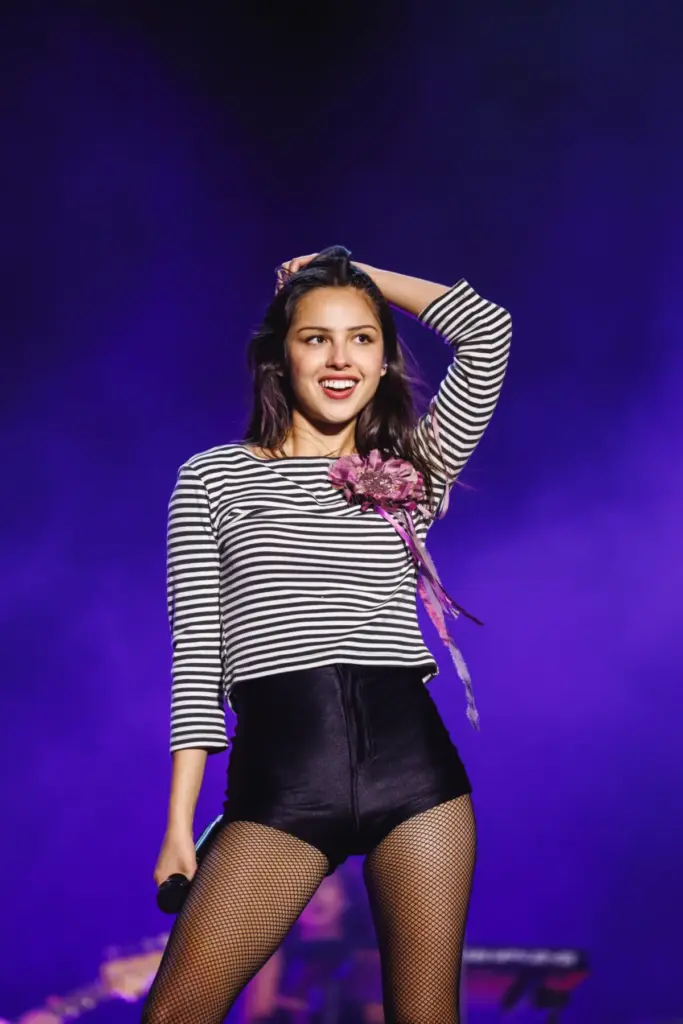
In the contemporary landscape of live music, few cultural movements capture the zeitgeist quite like an artist-curated festival designed to shift paradigms rather than merely fill stadiums. Enter Daisy Chain Fields: a monumental, one-day, all-female-fronted music festival spearheaded by Grammy-winning global superstar Olivia Rodrigo. Launched to complement the momentum of her third studio album, You Seem Pretty Sad for a Girl So in Love, the inaugural event materialized on August 29, 2026, at Great Park in Irvine, California.
More than just a star-studded concert, Daisy Chain Fields established a groundbreaking financial and cultural precedent. Rooted in an ethos that Rodrigo describes as a hybrid of "flower child" and "riot grrrl punk," the festival achieved what few inaugural events ever dare: every single participating artist performed entirely pro bono, allowing 100% of the net proceeds—totaling a staggering $10 million—to be directed straight to ten nonprofit partners championing reproductive rights, healthcare, and advocacy for women and girls.
Blending legacy icons like Stevie Nicks, Karen O, and Sarah McLachlan with modern powerhouses such as Chappell Roan, Doechii, and Rodrigo herself, Daisy Chain Fields transcended the traditional music festival format to become a masterclass in community building, philanthropic execution, and intergenerational feminist solidarity.
Detailed Chronology: From Concept to Triumph
The Vision Takes Root
The ideological genesis of Daisy Chain Fields did not happen overnight; it was years in the making. For Rodrigo, the concept was born from a vivid mental image that combined pastoral tranquility with raw, defiant energy.
"When I pictured this festival, I had an image in my head of girls sitting underneath a tree, like, making little daisy chains or flower crowns or friendship bracelets," Rodrigo explained during an interview with Good Morning America.
Clarifying the deeper symbolism behind the event’s moniker, she added, "I also just like the idea of a daisy chain, how we can all be individual links in this chain that is larger than the individual."
Drawing direct inspiration from Sarah McLachlan’s legendary 1990s touring festival, Lilith Fair, Rodrigo sought to replicate a space where women could headline, collaborate, and command the spotlight without systemic barriers. Proving her commitment from day one, McLachlan was the very first person Rodrigo called when greenlighting the project, establishing a collaborative bridge between generations of musical trailblazers.
The Buildup and Ticket Rollout
Anticipation reached a fever pitch following the formal announcement of the festival. Fans eager to secure their spots flooded the official Daisy Chain Fields website for presale access, which officially opened on June 24, 2026. Unique passcodes distributed securely via email and SMS to registered participants granted entry to a fiercely competitive, first-come, first-served ticketing pool across multiple pricing tiers.
As summer progressed, details surrounding the festival crystallized. On August 11, organizers unveiled the official set times, assuring attendees that the dual-stage setup was meticulously engineered to prevent any set overlaps, allowing fans to witness every performance without agonizing schedule conflicts.
The Eve of the Festival: A $10 Million Milestone
On August 28, 2026—just 24 hours before the gates opened at Great Park—Rodrigo hosted a high-profile press conference to deliver an earth-shattering announcement. Amid thunderous applause, the singer revealed that the philanthropic mission of Daisy Chain Fields had drastically exceeded initial expectations, raising a massive $10 million for charity.
"It’s a real honor to announce that we are donating $10 million to be given directly to these 10 nonprofit partners," Rodrigo declared to reporters and eager fans. "I’m so excited for tomorrow, I’ll see you guys there."
Last-Minute Lineup Adjustments
Even the most meticulously planned productions are subject to the unpredictable nature of live entertainment. On August 27—just two days before showtime—rising global pop group Katseye announced their heartbreaking withdrawal from the festival bill. Member Megan Skiendiel had suffered an acute ankle sprain during tour rehearsals, and medical professionals strictly advised her to stay off her feet to ensure a full recovery before their upcoming tour.
In an official statement, the group shared: "We know how much our fans were looking forward to seeing us, and it breaks our hearts to disappoint anyone who made plans to be there. We were especially excited for Daisy Chain Fields because it’s not just about music, but the greater mission of joy and community."
Swiftly pivoting to maintain the day’s seamless momentum, organizers announced that Devon Again—who previously served as an opener on Rodrigo’s Unraveled Tour—would step into the vacant slot, preserving the festival’s high-energy trajectory.
Supporting Context & Metrics
The Philanthropic Blueprint
What truly separates Daisy Chain Fields from standard commercial music festivals is its uncompromising commitment to systemic change. By convincing a roster of elite artists to perform without financial compensation, Rodrigo ensured that ticket revenues and corporate sponsorships could be funneled directly into the hands of organizations fighting on the front lines of social equity.
During the August 28 press conference, Rodrigo unveiled the official roster of ten nonprofit beneficiaries designated to receive portions of the $10 million fund. The comprehensive list included:
- Planned Parenthood: Defending reproductive healthcare access and comprehensive sex education.
- Baby2Baby: Supplying diapers, clothing, and basic necessities to children living in poverty.
- FreeForm: Strengthening economic security and justice for survivors of gender-based violence.
- The Johns Hopkins Center for Indigenous Health: Partnering with Indigenous communities to raise health, education, and well-being to the highest possible levels.
- And six additional advocacy groups focusing on healthcare, legal assistance, and domestic abuse survivor services.
Lineup Architecture and Special Moments
The curation of Daisy Chain Fields was a masterclass in balancing commercial appeal with artistic legacy. Billed as a full-day celebration of women in music, the lineup featured genre-defying acts that bridged pop, punk, hip-hop, and classic rock.
Primary Lineup Highlights:
- Olivia Rodrigo: Headlining and anchoring the event with tracks from her blockbuster catalog, including material from You Seem Pretty Sad for a Girl So in Love.
- Chappell Roan: Bringing her theatrical, camp-infused pop dominance to the stage.
- Doechii: Delivering a masterclass in dynamic, genre-bending hip-hop and boundary-pushing performance art.
- Devon Again: Stepping in dynamically to electrify the afternoon crowds.
Special Guest Icons:
- Stevie Nicks: Providing a masterclass in rock royalty. Speculation ran wild regarding a potential collaboration between Nicks and Rodrigo. When Good Morning America co-anchor Diane Sawyer playfully suggested the pair perform Fleetwood Mac’s timeless anthem “Landslide” together, Rodrigo smiled coyly and remarked, "We might make that happen for you, Diane. We’ll see. Can’t give too much away."
- Karen O: Representing the gritty, uncompromising spirit of the Yeah Yeah Yeahs and early-2000s indie sleaze/punk resurgence.
- Sarah McLachlan: Honoring her legacy as the pioneer who made modern female-led festival culture possible via Lilith Fair.
Official Statements and Cultural Impact
The cultural reverberations of Daisy Chain Fields extend far beyond a single Saturday in Southern California. Industry analysts have pointed to the festival as a blueprint for how modern artists can leverage their cultural capital to drive tangible socio-political change.
In her comprehensive interview with Pitchfork, Rodrigo articulated the driving philosophy behind the event, emphasizing the urgent need for positive reinforcement among young fans:
"I just feel like we need something really positive to do and see, and young girls need awesome role models who are supporting other women and who are engaging in something that’s really joyful and musical and community-oriented."
This sentiment was echoed repeatedly by participating artists and industry observers alike. By casting the festival as a meeting ground where "flower child meets riot grrrl," Rodrigo successfully bridged the hippie ideals of communal peace and love with the fierce, DIY political defiance of third-wave feminist punk.
Furthermore, the decision to eliminate artist payouts for the inaugural event proved that collective solidarity is not dead within the music industry. Artists willingly donated their time and talent, recognizing that the long-term cultural dividends of empowering women and funding essential healthcare services far outweighed short-term commercial gains.
Future Outlook: A New Paradigm for Live Music
As the dust settles on Great Park in Irvine following the inaugural August 29 event, industry insiders and fans are already asking a burning question: Will Daisy Chain Fields become an annual tradition?
While official announcements regarding future iterations have yet to be confirmed by Rodrigo’s camp, the overwhelming success of the 2026 festival makes a permanent fixture highly probable. Raising $10 million in its very first year sets an impossibly high financial bar, yet it also establishes a new standard of accountability for the live entertainment sector.
Major music festivals can no longer hide behind superficial nods to diversity or token female bookings on third-tier stages. Daisy Chain Fields proved that an all-female-fronted lineup can dominate ticket sales, captivate millions of digital viewers, and generate unprecedented philanthropic capital.
Olivia Rodrigo has stepped firmly out of the bounds of traditional pop stardom and into the role of a generational cultural architect. By honoring the trailblazers who paved the way—such as Stevie Nicks and Sarah McLachlan—while elevating contemporary peers like Chappell Roan and Doechii, Rodrigo has ensured that the future of live music is inclusive, collaborative, and fiercely revolutionary. Daisy Chain Fields is not merely a memory of one summer afternoon; it is the blueprint for the future of feminist community-building through sound.