Executive Overview
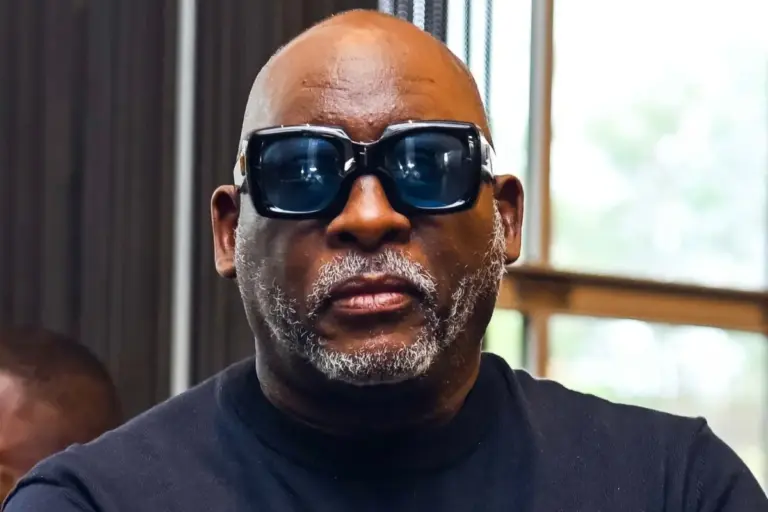
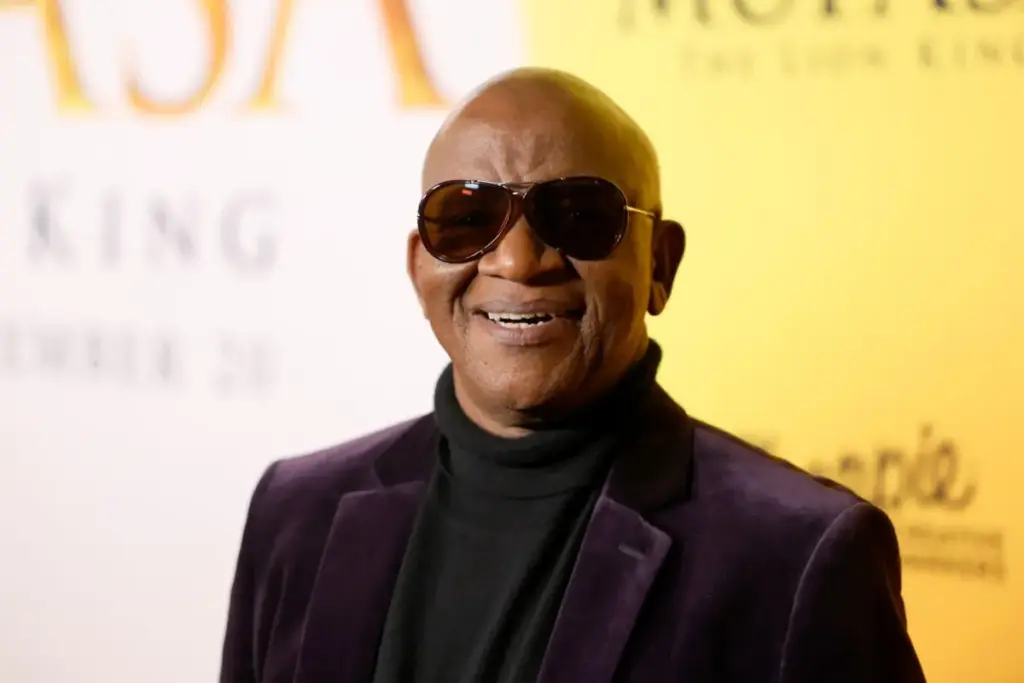
In the high-stakes intersection of intellectual property, comedy, and constitutional law, a legal maneuver intended to protect a legendary musical legacy has instead backfired spectacularly. Lebohang Morake—globally celebrated as Lebo M, the South African composer, arranger, and producer whose thunderous voice and vocal arrangements launched Disney’s landmark 1994 animated feature The Lion King—has been ordered by a federal judge to pay nearly $40,000 in legal fees.
The penalty stems from an abandoned, heavily criticized lawsuit filed against rising comedian Learnmore Jonasi. Morake had initially sought a staggering $27 million in damages over a viral podcast bit in which Jonasi jokingly retranslated the famous Zulu opening chant of “Circle of Life.”
Rather than bowing to legal pressure, Jonasi—represented by defense counsel specializing in First Amendment protections—fought back using California’s robust anti-SLAPP statute (Strategic Lawsuit Against Public Participation). When Morake abruptly dropped the case, Jonasi’s legal team refused to let the matter rest, successfully petitioning the court for full cost recovery. On Friday, August 28, U.S. District Judge Josephine Staton ruled in favor of the comedian, awarding him $39,560 to cover more than 50 hours of legal defense.
This landmark outcome underscores the perils creators face when attempting to weaponize civil litigation against satirical commentary, solidifying the boundaries of fair use and protected speech in the digital media age.
Detailed Chronology: From a Viral Podcast Laugh to a Federal Courthouse
To understand how a fleeting joke on an African-centric podcast ballooned into a multi-million-dollar federal lawsuit and subsequent financial sanction, one must trace the timeline of events that captivated both the entertainment and legal communities.
Phase 1: The Iconic Chant and the Podcast Gag
The genesis of the cultural touchstone dates back over three decades. For millions worldwide, The Lion King is instantly conjured by the soaring, operatic Zulu phrase that opens “Circle of Life”:
“Nants’ ingonyama bagithi Baba / Sithi uhm ingonyama.”
Translated literally, the chant means: "Here comes a lion, father / Oh yes, a lion." Or, as it is more commonly rendered in poetic English interpretations, "All hail the king, we all bow in the presence of the king." Lebo M.’s booming vocals gave the animated classic its profound, epic emotional weight, cementing his status as a titan of Disney’s musical history—a legacy he revisited recently during the rollout of Disney’s 2024 prequel, Mufasa: The Lion King.
Fast forward to February of this year. Comedian Learnmore Jonasi (performing professionally under his mononym alongside his birth name, Learnmore Mwanyenyeky) appeared as a guest on the popular digital broadcast One54 Africa. During a freewheeling comedy segment, Jonasi addressed the famous African anthem, offering a deliberately absurd, irreverent translation for comedic effect. He joked that the majestic, solemn words actually translated to English as: "Look, there’s a lion. Oh my god."
The comedic deconstruction struck a chord with internet audiences. Stripping away the grandiose cinematic mythos of the Disney classic and replacing it with mundane, panicked suburban observation proved immediately funny to viewers. The clip went viral, pulling in massive engagement: racking up over 116,000 likes on the podcast’s official Instagram account and accumulating nearly 337,000 views on the full YouTube episode.

Phase 2: The $27 Million Legal Counter-Strike
While the internet laughed, Lebo M. was reportedly deeply offended. Viewing the joke not as harmless parody or affectionate pop-culture ribbing, but as a malicious attack on his artistic integrity and cultural heritage, the composer took aggressive legal action.
In March, Morake’s legal representation filed an extraordinary lawsuit in federal court demanding a jaw-dropping $27 million in damages. The complaint accused Jonasi of defamation, trademark infringement, and assorted tortious claims. The filing characterized Jonasi’s comedic routine as a "fabricated, trivializing distortion, meant as a sick joke for unlawful self-profit."
Legal analysts immediately flagged the lawsuit as legally dubious. Critics pointed out that transforming a globally recognized cultural artifact into the butt of a stand-up joke falls squarely within the realm of parody and satire—territories vigorously guarded by free speech protections.
Phase 3: The Anti-SLAPP Pushback and Voluntary Dismissal
Recognizing the existential threat the lawsuit posed to his livelihood and constitutionally guaranteed rights, Jonasi retained defense counsel to file an aggressive response.
The defense strategy centered squarely on California’s anti-SLAPP statute (Code of Civil Procedure Section 425.16). Anti-SLAPP laws are explicitly designed to protect citizens—including comedians, journalists, and everyday critics—from meritless lawsuits intended to intimidate them into silence through the burden of crushing legal expenses.
Jonasi’s attorneys argued that Morake’s suit directly "targets core First Amendment protections" by attempting to punish a comedian simply because he poked fun at a piece of music. The legal team argued:
"Because the First Amendment is so important in our society, the court should… not allow plaintiff to twist trademark law to suppress free speech."
Facing the reality of an uphill battle in a jurisdiction hostile to censorship-by-litigation, Morake’s legal team folded quickly. Rather than filing substantive oppositions to the anti-SLAPP motion, Morake chose to voluntarily dismiss the lawsuit altogether, hoping to quietly walk away from the mounting public relations nightmare.
Phase 4: The Final Reckoning and Financial Penalty
In civil litigation, however, dismissing a lawsuit does not automatically absolve the plaintiff of financial liabilities—particularly under anti-SLAPP statutes.
Jonasi’s attorneys refused to let the matter quietly fade. Under the provisions of California’s anti-SLAPP framework, a defendant who successfully forces the dismissal of a strategic lawsuit is legally entitled to recover all reasonable attorney’s fees and court costs incurred while defending the action.

On Friday, August 28, U.S. District Judge Josephine Staton delivered the final chapter of the saga. In her decisive ruling, Judge Staton upheld Jonasi’s petition, validating the core argument that the comedian’s speech was fully protected.
"Defendant succeeded in his objective and prevailed on his anti-SLAPP motion," Judge Staton wrote in her order. "He is therefore entitled to attorneys’ fees and costs."
The court awarded Jonasi $39,560, accounting for more than 50 billable hours logged by his two defense attorneys who navigated the federal docket. As of publication, representatives for neither Lebo M. nor Learnmore Jonasi have issued formal statements following the judge’s ruling.
Supporting Context & Metrics: The Anatomy of a Legal Miscalculation
To fully comprehend the magnitude of this legal defeat for Lebo M., one must examine the economic and legal metrics that defined the case:
- $27,000,000: The exorbitant damages initially sought by Morake, an astronomical sum for a dispute centered on a lighthearted podcast joke about an animated film’s opening theme.
- $39,560: The final monetary penalty handed down by Judge Staton, representing the exact cost of the defense attorneys’ labor.
- 50+ Hours: The collective time invested by Jonasi’s legal team in drafting anti-SLAPP motions, analyzing jurisdictional boundaries, and dismantling Morake’s claims.
- 116K & 337K: The respective Instagram likes and YouTube views for the viral podcast segment that sparked the multi-million-dollar legal retaliation.
- California Code of Civil Procedure § 425.16: The legislative shield that protected Jonasi, ensuring that public figures cannot utilize the courts as a tool to chill artistic expression, satire, or parodic commentary.
Official Statements and Industry Perspectives
While both primary parties have remained tight-lipped since Friday’s ruling, legal scholars, entertainment attorneys, and free-speech advocates have been vocal in analyzing the broader implications of the case.
Entertainment litigator Marcus Vance noted that creators frequently underestimate the speed and severity with which anti-SLAPP statutes can dismantle emotional lawsuits.
"When creators achieve legendary status, they often surround themselves with yes-men and aggressive litigators who confuse hurt feelings with actionable torts," Vance observed. "Filing a $27 million defamation and trademark claim over a stand-up comedy bit is a textbook overreach. The court’s willingness to award nearly $40,000 serves as a warning shot to any celebrity thinking they can bully a comedian out of cultural critique."
On the comedy front, industry groups have lauded the ruling as a vital victory for free expression. Stand-up comedy relies fundamentally on exaggeration, subversion, and irreverent interpretations of sacred cultural cows—from religious texts to Disney masterpieces. Had Morake’s lawsuit survived or gone unpunished financially, it could have established a dangerous precedent, creating a chilling effect across the comedy landscape where performers would fear reprisal for referencing copyrighted art in their routines.
Future Outlook: Lessons for Creators in the Digital Age
As the dust settles on Morake v. Jonasi, the case offers critical takeaways for both the entertainment industry and public figures navigating the digital age:
- The Death of Censorship by Litigation: The aggressive use of anti-SLAPP motions across various states demonstrates that baseline constitutional protections remain resilient against overreaching copyright and defamation claims. Celebrities can no longer easily use high-priced legal teams to bankrupt independent content creators over bruised egos.
- The Economic Cost of Over-Litigation: Plaintiffs must carefully weigh the financial risks of filing retaliatory lawsuits. By dropping his case mid-stream, Morake avoided trial, but he ultimately funded his critic’s legal defense—a costly lesson in jurisdictional risk management.
- The Immunities of Parody: Cultural commentary, satire, and stand-up comedy enjoy robust legal shields in the United States. Translating a famous foreign-language movie chant into absurd, mundane English is standard comedic fare, firmly protected under the umbrella of fair use and protected speech.
Ultimately, Lebo M.’s timeless contribution to The Lion King remains etched in cinematic history, but this episode serves as a cautionary tale: trying to silence a comedian online is a battle destined to fail, and in this case, it came with a hefty price tag.