Executive Overview
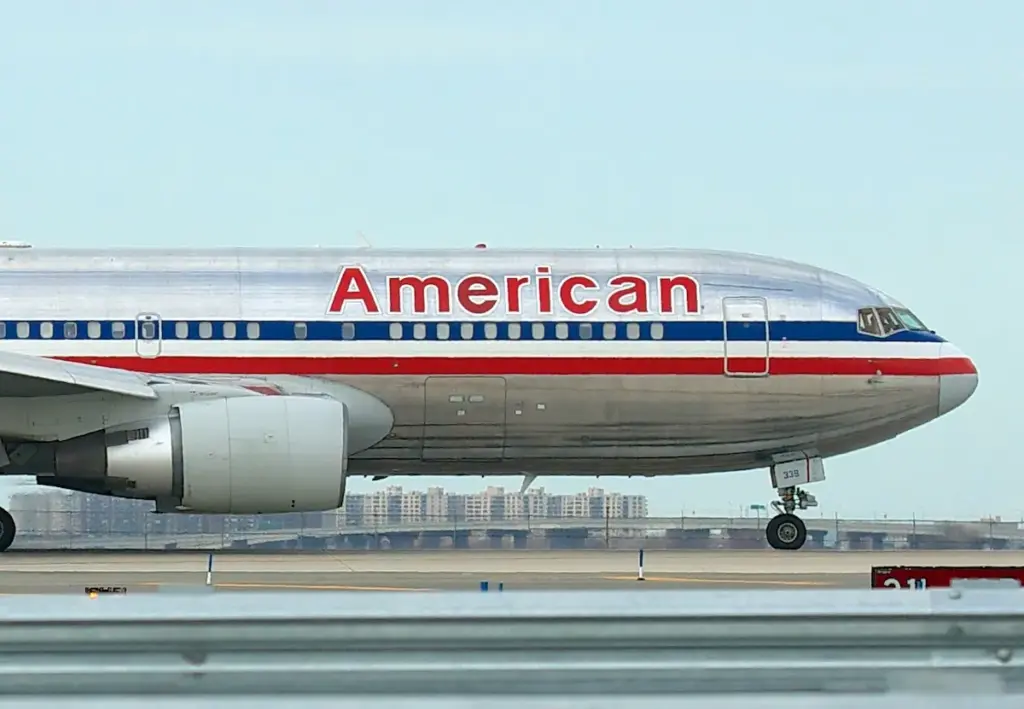
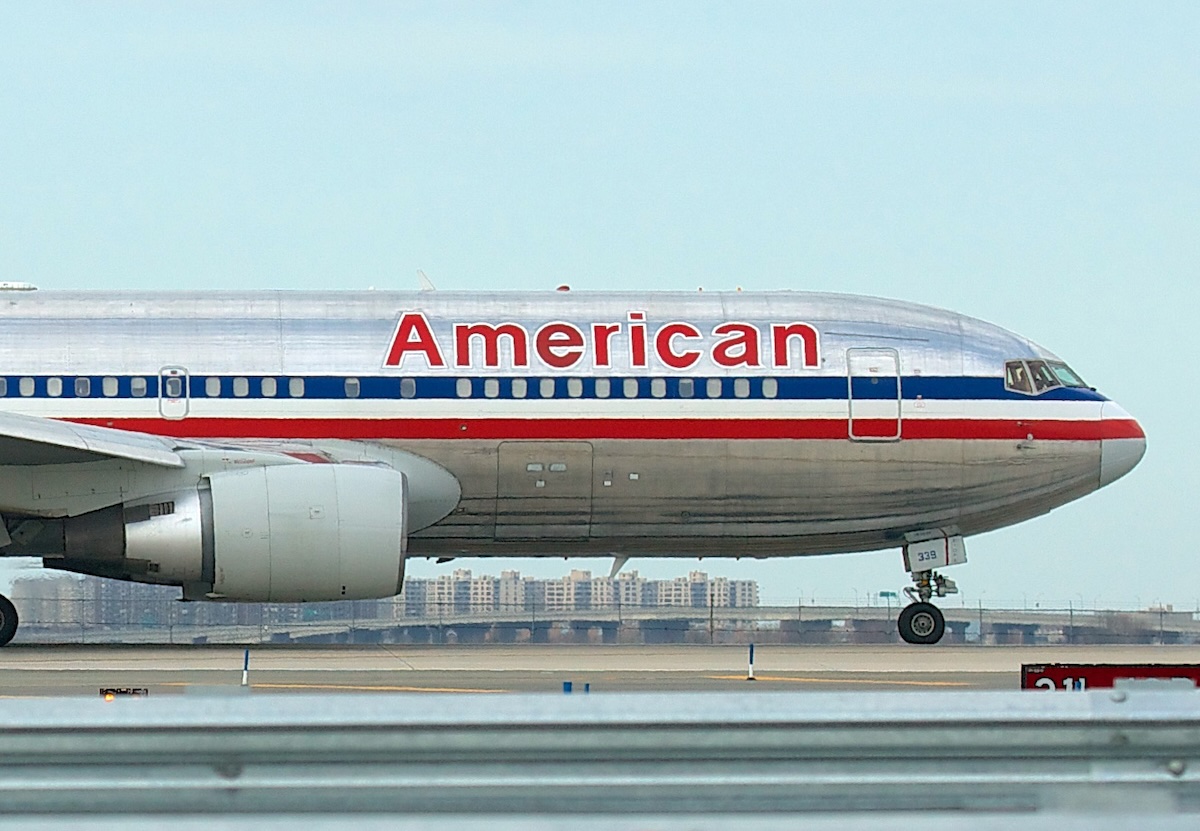
An routine domestic flight operated by American Airlines descended into emergency procedures on Thursday after an unprovoked violent outburst by a first-class passenger forced cabin crew and fellow travelers to physically subdue and restrain the individual. Flight 618, originating from Dallas/Fort Worth International Airport (DFW) and bound for Newark Liberty International Airport (EWR), was forced to execute an unscheduled diversion to Baltimore/Washington International Thurgood Marshall Airport (BWI) following a severe breakdown in cabin security.
During the cruise phase of the flight, an unidentified male passenger engaged in a rapid escalation of verbal hostilies, directed discriminatory epithets at flight crew and passengers, and initiated physical assaults against nearby travelers. Facing an active safety threat in a pressurized cabin at cruising altitude, flight attendants alongside courageous civilian bystanders utilized flex-cuffs (zip ties) and duct tape to secure the individual to his seat.
Upon making an emergency landing at BWI, law enforcement personnel from the Maryland Transportation Authority Police boarded the aircraft, took the suspect into custody, and remanded him on state charges. Concurrently, the Federal Bureau of Investigation (FBI) launched a formal investigation to evaluate federal aviation offense charges. The incident highlights ongoing challenges in commercial aviation regarding passenger management, cabin crew safety protocols, and the legal mechanics governing mid-flight disturbances.
+-----------------------------------------------------------------------------------+
|                            FLIGHT DIVERSION MATRIX                                |
+-----------------------------------------------------------------------------------+
|  Flight:           American Airlines Flight 618                                   |
|  Route:            Dallas/Fort Worth (DFW) -> Newark Liberty (EWR)                |
|  Diversion Point:  Baltimore/Washington International (BWI)                       |
|  Incident Type:    In-flight violent assault, hate speech, emergency restraint   |
|  Restraint Method: Zip ties and duct tape in First-Class seat                     |
|  Jurisdictions:    Maryland Transportation Authority Police / FBI / USAO District |
|                    of Maryland                                                    |
+-----------------------------------------------------------------------------------+
Detailed Chronology of the Incident
Phase 1: Departure and Initial In-Flight Conditions
American Airlines Flight 618 departed Dallas/Fort Worth International Airport without reported pre-flight irregularities. For the first two hours of the transcontinental route toward Newark Liberty International, cabin operations remained standard. Passengers reported a quiet atmosphere in the main and premium cabins. Flight attendants conducted initial beverage services; witnesses later recalled seeing the subject receive a single alcoholic beverage during the early leg of the flight. However, officials have not confirmed whether chemical impairment, underlying medical conditions, or acute psychological distress contributed to the subsequent escalation.
Phase 2: Onset of Verbal and Physical Aggression
Approximately two hours into the flight, the peaceful cabin environment degraded rapidly. According to eyewitness statements provided to news outlets, the subject began shouting targeted verbal abuse without clear provocation. Passenger Richard Olenick, positioned in the same row, reported that the individual directed severe racial slurs—specifically using the N-word—and homophobic epithets at crew members and adjacent passengers.
The verbal abuse swiftly escalated into direct physical violence. Passenger Juan Mejia, seated two rows ahead in the first-class cabin, noted that the atmosphere shifted abruptly from silence to chaos. The suspect turned toward the passenger seated directly next to him in the aisle seat, lunging at the individual and placing his hands firmly around the victim’s neck in an active attempt at strangulation.
Phase 3: Civilian Intervention and Physical Escalation
Recognizing immediate danger to life and aircraft safety, nearby passengers—including Mejia—acted to defend the victim and assist the flight crew in neutralizing the threat. A chaotic physical altercation ensued in the narrow aisle space of the first-class section.
During the struggle to restrain the assailant, the situation presented significant biohazard risks:
- Physical Bites: The suspect violently resisted restraint, biting Juan Mejia’s hand during the struggle. While the bite did not breach the skin, it left distinct dental impressions and blunt force trauma.
- Self-Inflicted Injuries and Blood Exposure: The suspect began inflicting injuries upon himself, resulting in substantial bleeding. Blood from the suspect was smeared across surrounding surfaces, flight crew members, and intervening passengers, creating an acute biohazardous environment within the confined cabin space.
- Continued Aggression: Despite suffering physical injuries, the subject maintained an aggressive posture, striking at least two individuals during the confrontation.
Phase 4: Emergency Containment and Diversion Procedures
Cabin crew executed emergency restraint protocols to establish physical control over the individual. Utilizing available onboard emergency restraint equipment—comprising industrial-grade zip ties and reinforced duct tape—crew members and assisting passengers bound the suspect’s hands and immobilized him within his first-class seat.
 timeline
    title Timeline of Flight 618 Incident
    t0 : Flight Departs DFW : Flight 618 takes off toward Newark (EWR)
    t1 : Mid-Flight Escalation (~2 Hours in) : Suspect begins shouting slurs and assaults neighbor
    t2 : Bystander & Crew Physical Restraint : Passengers intervene; suspect bites passenger and bleeds; bound with duct tape/zip ties
    t3 : Emergency Flight Diversion : Flight crew signals emergency; aircraft redirects toward Baltimore (BWI)
    t4 : Touchdown & Law Enforcement Arrest : Flight lands at BWI; Maryland Transportation Authority Police arrest subject
    t5 : FBI Investigation Launched : Federal agents begin passenger interviews for federal charges
With the subject fully immobilized, the flight crew alerted Air Traffic Control (ATC) of an active passenger disturbance and declared an emergency diversion. The flight was rerouted to Baltimore/Washington International Thurgood Marshall Airport (BWI). The suspect remained duct-taped and tied to the seat for approximately 15 minutes during the final descent and approach.
Phase 5: Landing, Arrest, and Deplaning
Upon touchdown at BWI, the aircraft taxiing path was routed directly to a designated gate where law enforcement officers were staged. Officers from the Maryland Transportation Authority Police boarded the plane immediately, removed the restrained suspect from the cabin, and placed him under formal arrest. After the suspect was clear of the aircraft, medical and cleaning support reviewed the scene, and the remaining passengers were allowed to proceed on their journey to Newark following initial witness statements.
Supporting Context & Metrics: In-Flight Safety and Restraint Protocols
The Mechanics of Cabin Restraints
Commercial aircraft carry specialized safety and restraint kits designed to manage unruly or dangerous passengers. Standard tools include flight deck flex-cuffs (heavy-duty cable ties) designed for quick wrist containment. However, in scenarios involving violent movement, thrashing, biting, or self-harm, flight crews frequently resort to industrial duct tape—an approved field-expedient containment material carried in maintenance and emergency kits—to immobilize limbs and prevent further injury to cabin occupants or the subject.
+-----------------------------------------------------------------------------------+
|               COMPARATIVE ANALYSIS OF IN-FLIGHT RESTRAINT TOOLS                   |
+-----------------------------------------------------------------------------------+
| Restraint Tool    | Primary Purpose              | Operational Advantage          |
+-------------------+------------------------------+--------------------------------+
| Flex-Cuffs        | Wrist/Ankle Immobilization   | Rapid deployment, secure lock  |
| Duct Tape         | Limb Securing / Range-of-    | Flexible fit, minimizes lateral|
|                   | Motion Reduction             | movement during violent fits   |
| Restraint Straps  | Seat Immobilization          | Anchors subject to aircraft    |
|                   |                              | structure                      |
+-----------------------------------------------------------------------------------+
Trends in Commercial Aviation Disruptions
While the Federal Aviation Administration (FAA) observed a peak in unruly passenger reports during the 2020–2022 period, violent incidents involving physical assault, hate speech, and bodily fluid exposure continue to pose critical threats to flight safety.
FAA Reported Unruly Passenger Incidents (Historical Snapshot Context)
--------------------------------------------------------------------
Year    Total Reports    Investigative Initiations
2021    5,971            1,099
2022    2,455            831
2023    2,075            468
2024+   Stable baseline, marked by high-severity physical outbursts
Under FAA regulations, cabin crews undergo regular recertification in de-escalation, self-defense, and physical restraint management. Despite these measures, physical intervention by passengers remains a crucial force multiplier when outbursts occur suddenly at cruising altitude, where external law enforcement intervention is impossible.
Official Statements and Legal Framework
Corporate and Law Enforcement Responses
American Airlines released a formal statement addressing the breach of order aboard Flight 618, reaffirming its policy on passenger violence and praising crew performance:
"Upon arrival, law enforcement met the aircraft and assisted with deplaning the customer before the flight continued to its destination. The safety and security of our customers and team members is our top priority and we do not tolerate violence. We thank our team members for their professionalism and our customers for their understanding."
The Federal Bureau of Investigation (FBI) Baltimore Field Office confirmed its involvement in the ongoing multi-jurisdictional review:
"One man is under arrest on state charges in Maryland, booked by the Maryland Transportation Authority Police. The FBI is currently conducting interviews to gather the facts and will consult with the U.S. Attorney’s Office for the District of Maryland to determine if federal charges will be filed. As always for any instances involving crimes aboard aircraft, we encourage victims and witnesses to report incidents to flight crew, local airport police, and the FBI."
+-----------------------------------------------------------------------------------+
|                           JURISDICTIONAL DYNAMICS                                 |
+-----------------------------------------------------------------------------------+
| Local/State Jurisdiction: Maryland Transportation Authority Police                 |
|  - Immediate booking on state assault and disorderly conduct charges.            |
|  - Manages initial physical custody upon landing on state soil.                   |
+-----------------------------------------------------------------------------------+
| Federal Jurisdiction: FBI & U.S. Attorney's Office (District of Maryland)          |
|  - Governed by Special Aircraft Jurisdiction of the United States.                |
|  - Statutory Basis: 49 U.S.C. § 46504 (Interference with Flight Crew).           |
|  - Potential penalties: Up to 20 years imprisonment for physical interference.     |
+-----------------------------------------------------------------------------------+
Statutory Penalties and Legal Mechanics
Under 49 U.S.C. § 46504, any individual who, by assaulting or intimidating a flight crew member or flight attendant, interferes with the performance of the crew member’s duties or diminishes their ability to perform those duties, faces severe federal prosecution:
- Standard Offense: Fines and federal imprisonment of up to 20 years.
- Dangerous Weapon / Aggravated Assault Variant: Fines and imprisonment up to life terms depending on the level of harm inflicted.
- Civil Penalties: The FAA possesses independent authority to levy civil fines exceeding $37,000 per violation against disruptive passengers, alongside pursuing restitution costs for flight diversions (fuel, gate fees, crew re-scheduling).
Future Outlook
Regulatory and Policy Implications
This incident aboard American Airlines Flight 618 reopens critical discussions among regulatory agencies, airline executives, and aviation unions regarding mid-flight safety protocols:
- Centralized Commercial No-Fly List: Industry advocacy groups, including the Association of Flight Attendants (AFA-CWA), continue to push federal lawmakers for a unified, cross-airline commercial passenger ban list. Currently, an individual banned by American Airlines may still purchase tickets on competing carriers unless federally indicted and added to government security watchlists.
- Pre-Flight Screening and Gate Defenses: Airlines are re-evaluating gate-side behavior screening protocols to detect psychological distress, intoxication, or erratic behavior prior to boarding, aiming to prevent high-risk individuals from entering pressurized environments.
- Crew Self-Defense Retraining: Modern flight attendant training modules are increasingly focusing on rapid physical restraint applications and biological hazard containment strategies during violent altercations.
Legal Progression
As the FBI completes passenger and crew interviews, the U.S. Attorney’s Office for the District of Maryland will determine whether to unseal a formal federal indictment. If charged federally, the suspect will face transport to federal custody, where pre-trial detention hearings will assess flight risk, public safety threats, and mental competency. The outcome of this case will serve as a modern benchmark for how the federal legal system prosecutes complex, high-risk physical disruptions in commercial airspace.