Executive Overview
For millions of fitness enthusiasts, the modern gym experience has devolved into a grueling, sterile chore. Between hyper-complicated functional bodybuilding routines, data-obsessed wearable metrics, and the relentless pursuit of isolated muscular hypertrophy, exercise often feels less like a celebration of human vitality and more like a second job.
Enter the nostalgic, high-energy movement spearheaded by fitness innovator Lucy Borrie and her proprietary workout method, BeBody. Drawing heavy aesthetic and rhythmic inspiration from the neon-soaked, high-impact aerobic boom of the 1980s, Borrie is spearheading a quiet revolution in physical conditioning. Her philosophy is deceptively simple: movement should be inherently joyful, rhythm-driven, and accessible, without ever compromising on physiological results.
By fusing traditional step aerobics with modern evidence-based strength training and core-stabilizing Pilates, BeBody delivers a comprehensive, full-body experience in a single session. This investigative feature explores the mechanics of Borrie’s methodology, examines the science behind combining cardio and strength into rhythmic circuits, provides an actionable two-move workout routine, and evaluates the future outlook of joyful fitness in an industry long dominated by "no pain, no gain" dogma.
Detailed Chronology: The Evolution of Fitness and the Birth of BeBody
To understand why a return to 1980s-style aerobics is resonating so deeply with contemporary exercisers, one must trace the historical trajectory of physical culture over the past half-century.
The 1970s–1980s: The Aerobic Revolution
The modern fitness landscape as we know it was born in the late 1960s and 1970s, largely catalyzed by Dr. Kenneth Cooper’s pioneering research on aerobic exercise and cardiovascular health. However, it was the 1980s that truly democratized fitness, turning it into a mainstream cultural phenomenon. Driven by Jane Fonda’s multi-platinum workout videos, leg warmers, leotards, and booming synth-pop soundtracks, aerobics transformed exercise from a solitary runner’s pursuit or a bodybuilder’s secret into a collective, joyous celebration.
Workouts during this era prioritized continuous movement, group synchronicity, and high-energy music. Participants did not count macros or stare at digital heart-rate monitors; instead, they lost themselves in the choreography, sweating to the relentless tempo of a bassline.
The 1990s–2010s: The Era of Specialization and Isolation
As exercise science evolved through the 1990s and 2000s, the fitness industry shifted dramatically toward specialization. Aerobics was frequently sidelined, viewed by hardcore fitness circles as inefficient or outdated compared to periodized bodybuilding, heavy powerlifting, and specialized endurance training.
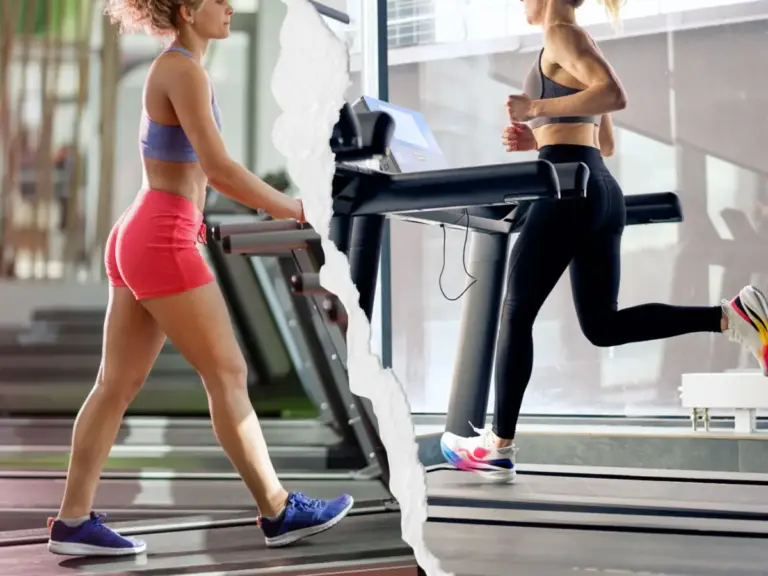
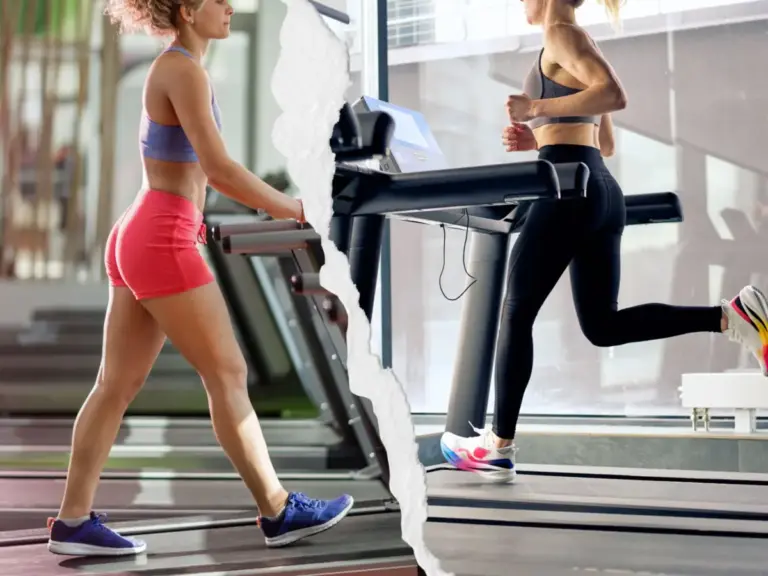
Gyms became segregated sanctuaries: weight rooms for heavy iron, cardio decks for monotonous treadmill and stationary bike sessions, and quiet studios for yoga. While this era yielded incredible advancements in biomechanical understanding and sports science, it also stripped the inherent joy and playfulness out of physical fitness for the average consumer. Exercise became hyper-technical, intimidating, and, for many, deeply boring.
The Post-Pandemic Pivot: The Rise of BeBody
The COVID-19 pandemic acted as a massive catalyst for change in how people view wellness. Confined to homes, individuals gravitated toward workouts that prioritized mental health, stress relief, and genuine enjoyment over punishing physical depletion.
It was within this cultural recalibration that Lucy Borrie developed BeBody. Recognizing a profound fatigue among clients trapped in rigid, joyless training cycles, Borrie looked backward to move forward. By reclaiming the unbridled energy of 1980s aerobics and anchoring it to contemporary functional movement science, she created a hybrid methodology designed to bridge the gap between mental well-being and physical optimization.
Supporting Context & Metrics: The Science of Hybrid Rhythmic Training
Critics of retro fitness trends often dismiss them as mere nostalgic marketing ploys lacking scientific rigor. However, exercise physiologists and movement specialists are increasingly validating the efficacy of hybrid, rhythm-based training protocols like those utilized in BeBody.
The Triad of Benefits: Aerobics, Strength, and Pilates
Borrie’s methodology rests on an integration of three distinct movement pillars:
- Aerobics: Provides continuous cardiovascular stimulation, elevates heart rate, improves endurance, and triggers the release of endorphins (the biochemical foundation of the famous "runner’s high").
- Strength Training: Introduces functional resistance challenges—using body weight or light external loads—to preserve lean muscle mass, protect joint integrity, and improve bone mineral density.
- Pilates: Emphasizes deep core control, postural alignment, eccentric muscle contractions, and mind-body awareness.
When combined into a single cohesive session, these modalities create a comprehensive stimulus that addresses nearly every component of physical fitness: cardiorespiratory endurance, muscular strength, muscular endurance, flexibility, and neuromuscular coordination.
The Psychological Power of Music and Rhythm
One of the most critical elements emphasized by Borrie is the absolute necessity of a great playlist. This is far from mere aesthetic preference; it is deeply rooted in neurobiology.
Research consistently demonstrates that synchronous movement to music—moving in time with a beat—reduces the perceived rate of exertion (RPE). When individuals exercise to music they genuinely enjoy, metabolic efficiency increases, and endurance is prolonged. The auditory-motor entrainment allows the brain to synchronize movement patterns effortlessly, transforming a grueling physical task into an immersive, pleasurable experience.
Official Statements and Training Philosophy
To gain deeper insight into the ethos driving BeBody, we look directly at the philosophy articulated by its founder.
"We’ve combined aerobics, strength training, and Pilates into a single session, giving you the benefits of three workout types in one full-body experience," explains Lucy Borrie.
This core statement encapsulates a broader shift in the modern fitness paradigm: the realization that efficiency and enjoyment do not have to be mutually exclusive. For decades, consumers were told that if a workout wasn’t agonizing, it wasn’t working. Borrie challenges this puritanical approach head-on.
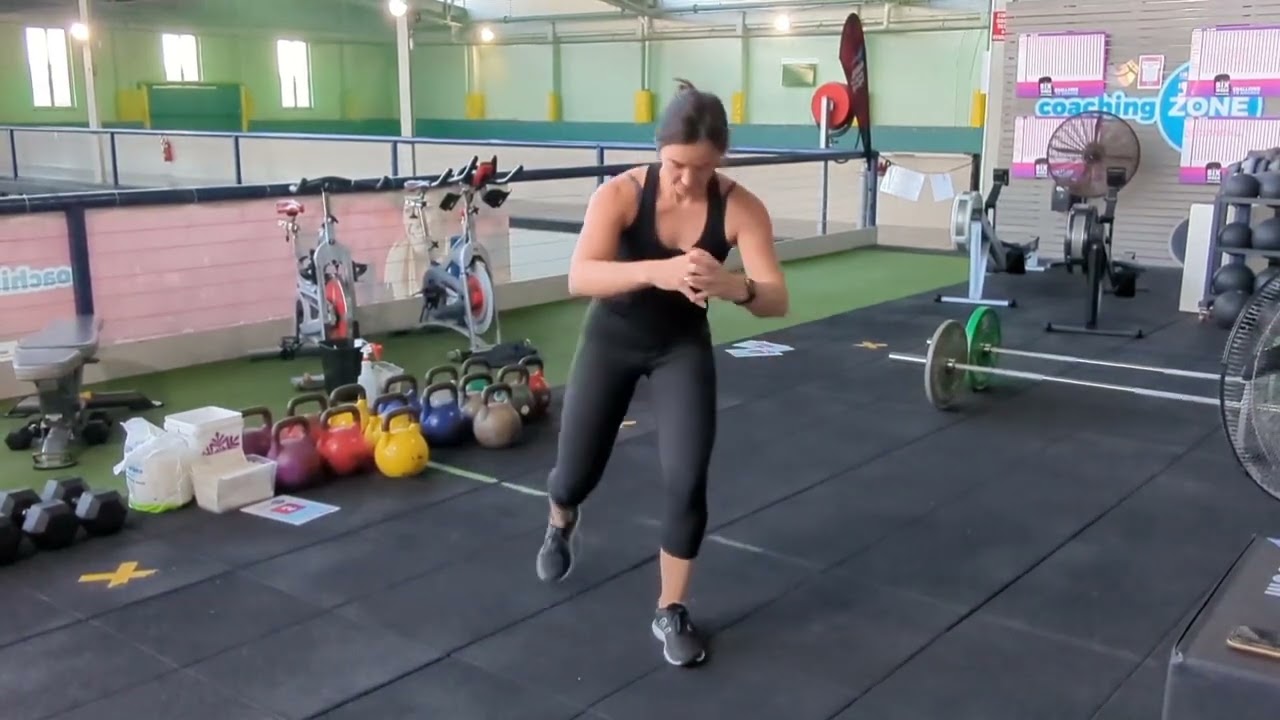
"Borrie’s method is about enjoying movement without compromising on results," industry analysts note, "which is why she focuses on moves that provide both a cardio and strength challenge."
By eliminating the artificial boundaries between cardiovascular conditioning and resistance training, BeBody allows practitioners to maximize their time investment while keeping psychological burnout at bay. The emphasis shifts away from aesthetic metrics alone toward how the body feels during and after movement—agile, energized, and capable.
Try the Two-Move Strength and Cardio Workout
You do not need an elaborate gym setup or a retro leotard to experience the benefits of Borrie’s training philosophy. Below is a signature two-move circuit designed to challenge both your cardiovascular system and your muscular strength simultaneously.
Workout Guidelines
- Format: Circuit-style (perform the exercises back-to-back with minimal rest).
- Volume: Complete the entire circuit twice.
- Pace: "Start slow and then speed up your movement," advises Borrie. Build your rhythm gradually as your nervous system adapts.
- Prerequisite: Blast an upbeat playlist you genuinely enjoy. According to Borrie, the music is just as important as the movement itself.
1. Squat to Lunge Combo
This compound lower-body movement torches calories, elevates the heart rate rapidly, and engages every major muscle group in the lower extremities—including the quadriceps, hamstrings, glutes, and calves—while challenging core stability.
- How to Perform:
- Stand tall with your feet shoulder-width apart, chest proud, and core engaged.
- Initiate a standard bodyweight squat by pushing your hips back and bending your knees, lowering your thighs parallel to the floor.
- As you drive up from the bottom of the squat, transition fluidly into a rear-stepping lunge by stepping your right foot backward.
- Lower your back knee gently toward the floor while keeping your front knee tracking over your front ankle.
- Push off your back foot to return to the starting standing position, then immediately repeat the sequence, alternating the stepping leg or completing all reps on one side before switching.
- Prescribed Repetitions: 5 to 10 repetitions on each side.
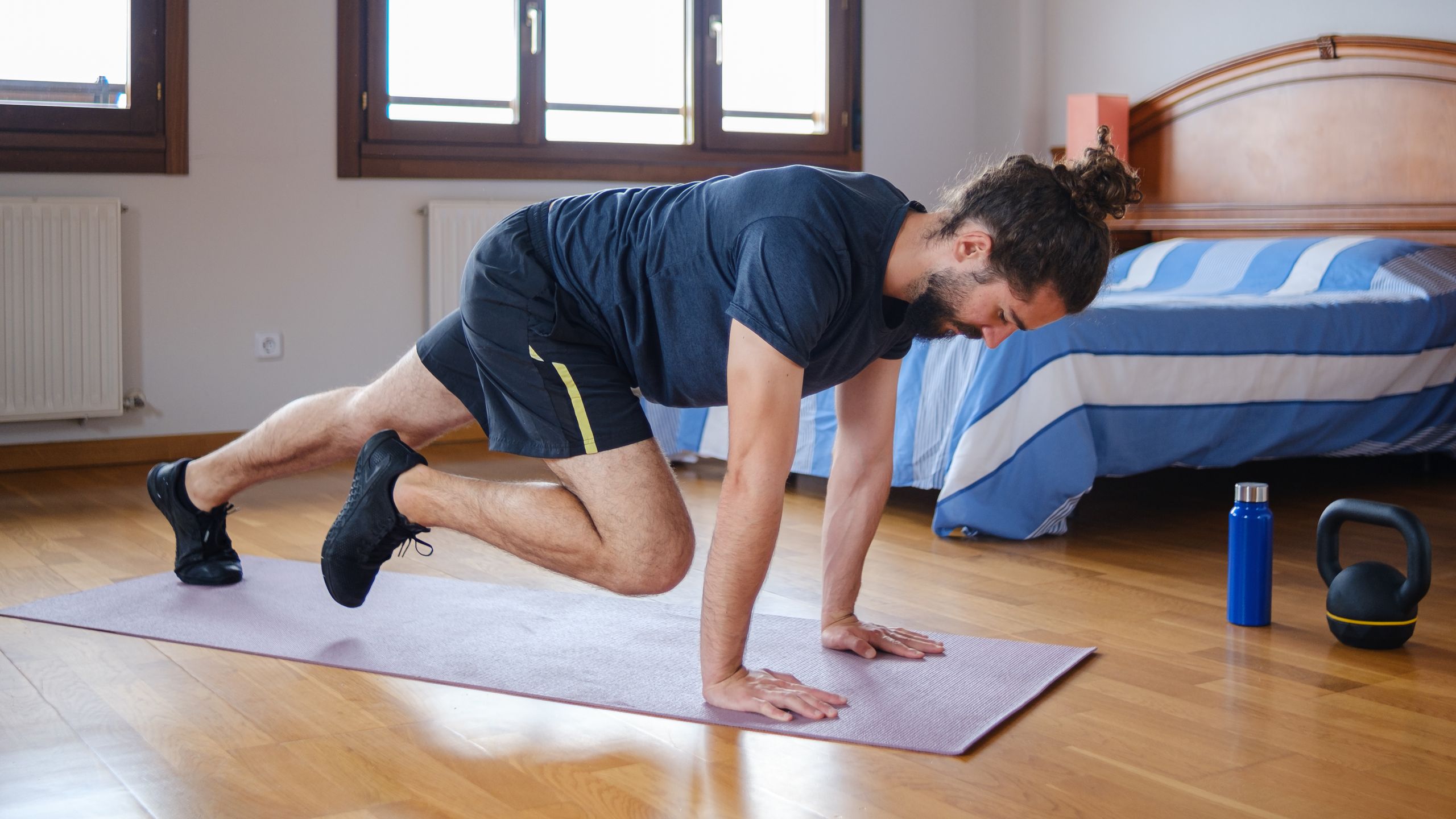
2. Plank Combination (Shoulder Tap with Cross-Body Mountain Climber)
Moving from the lower body to the upper body and core, this high-intensity plank variation combines static stabilization with dynamic movement, firing up the shoulders, chest, deep abdominals, and hip flexors.
- How to Perform:
- Assume a strong push-up (high plank) position with your hands directly beneath your shoulders, feet hip-width apart, and your body forming a straight line from your head to your heels.
- Engage your core and glutes intensely to prevent your hips from rocking side to side.
- Lift your right hand off the floor and tap your left shoulder, then return it to the ground. Repeat on the opposite side (left hand to right shoulder).
- Immediately transition into dynamic movement by driving your right knee across your body toward your left elbow, then return it to the plank position.
- Repeat the cross-body drive with your left knee toward your right elbow. This completes one full cycle.
- Prescribed Repetitions: 5 to 10 repetitions on each side.
Future Outlook: Where Fitness is Headed
As we look toward the future of health and wellness, the trajectory charted by innovators like Lucy Borrie points toward a more inclusive, sustainable, and psychologically rewarding industry.
The era of hyper-specialized, punishing regimes that alienate everyday participants is giving way to hybrid methodologies that honor both physical longevity and mental joy. By reviving the communal, rhythm-driven spirit of 1980s aerobics and integrating it with intelligent functional strength work, platforms like BeBody are proving that fitness does not have to feel like a chore.
Ultimately, the most effective workout in the world is not the one burning the highest theoretical number of calories in a laboratory setting—it is the one you will actually look forward to doing tomorrow. By turning up the music, dropping the intimidation factor, and embracing the simple, joyful act of moving our bodies, the future of fitness looks brighter, sweatier, and infinitely more fun.