Executive Overview
In an era where fashion discourse is increasingly dominated by corporate metrics, algorithmic trends, and superficial inclusivity checklists, rare moments remind the industry of its profound cultural heartbeat. The transformation of Gypsy Sport into its contemporary iteration, RIO—led by visionary designer Rio Uribe—stands squarely at the vanguard of these rare cultural milestones. Unveiled on June 15 in New York City, RIO’s premier campaign since its 2025 rebranding marks a watershed moment for independent design, proving that authentic community-building and radical representation are not temporary marketing strategies, but enduring creative imperatives.
For over a decade, Uribe has challenged the Eurocentric paradigms of the global fashion apparatus. From his early days pioneering gender-fluid streetwear to cementing his namesake label as a bastion of Latino and queer visibility, Uribe has built a creative universe that refuses assimilation. This latest chapter, bolstered by a dynamic, Latino-led internal team and captured through the lens of photographer Harry Eelman, balances the raw, anarchic rebellion of Uribe’s early career with a striking, sophisticated creative maturity.
Beyond garments and glossies, the rise of RIO signals a broader cultural realignment. As Latino creatives increasingly dictate the pulse of global pop culture—from music and film to high design—RIO emerges as both a mirror and a catalyst. Capturing a politically engaged, environmentally conscious, and fiercely proud generation, RIO demonstrates that personal style and social advocacy are not mutually exclusive. As the brand builds momentum toward its highly anticipated September runway show, this feature examines the journey, the aesthetic vocabulary, and the systemic impact of a label proving that the future of fashion is undeniably Latino.
Detailed Chronology: From Gypsy Sport to the Birth of RIO
To fully understand the weight of RIO’s current cultural footprint, one must retrace the subversive origins of Rio Uribe’s design journey. Long before the rebrand solidified his namesake house, Uribe was breaking ground under the banner of Gypsy Sport—a label that radically redefined New York Fashion Week through the lens of diversity long before inclusivity became an industry buzzword.
The Underground Energy of Early Gypsy Sport
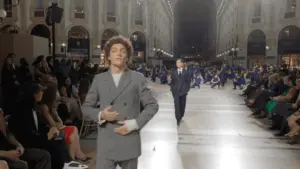
When Gypsy Sport first emerged, its presentations were never mere runway shows; they were kinetic, egalitarian celebrations of individuality, subculture, and belonging. Uribe cast everyday people, skaters, activists, and boundary-pushing artists alongside rising stars, tearing down the wall between the front row and the street. These early presentations served as a vital entry point for a new generation of fashion enthusiasts, proving that luxury and style did not require wealth or pedigree—they required attitude, authenticity, and imagination.
Cultural Watersheds and Icon-Making
Gypsy Sport’s history is inextricably linked to the incubation of modern pop culture royalty. Uribe possessed an uncanny ability to spot talent before the rest of the world caught on. Most famously, the brand brought a then-rising Cardi B to the runway long before she achieved global superstardom, recognizing her magnetic force and unapologetic New York identity.
Years later, the energy culminated in unforgettable moments like having genre-defying rapper Rico Nasty close the Fall/Winter 2019 show. These were not calculated celebrity cameos designed for clickbait; they were powerful cultural statements. They signaled that Gypsy Sport was a living, breathing ecosystem connected directly to the cultural zeitgeist.
The 2025 Transformation and the New York Reveal
The evolution from Gypsy Sport to RIO, formalized heading into 2025, was not an abandonment of those roots, but an ascension. It represented a deliberate maturation—a distillation of Uribe’s design ethos into a sharper, more refined visual language.
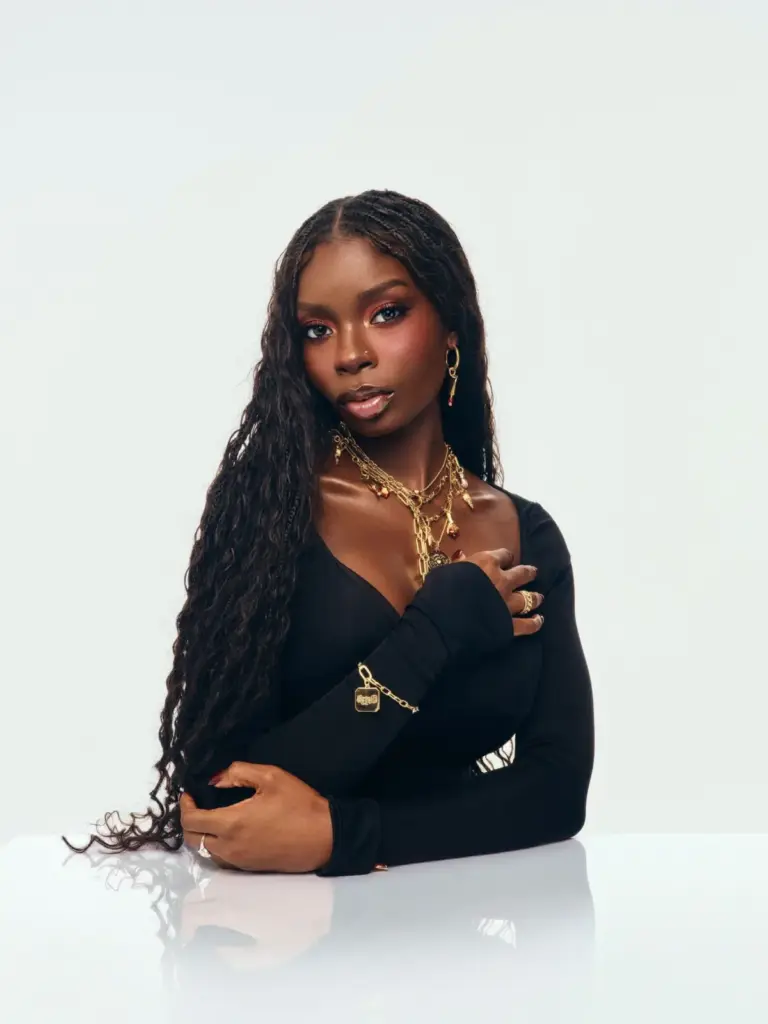
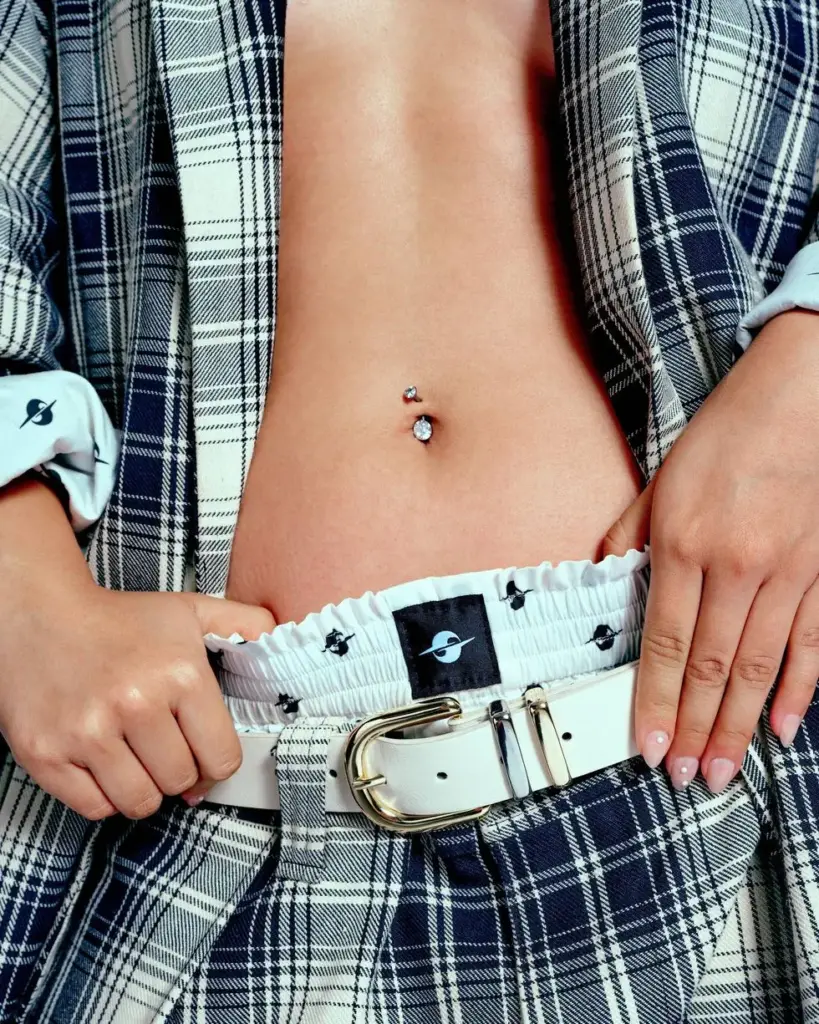
The culmination of this rebrand arrived on June 15 in New York City with the unveiling of RIO’s debut campaign. Photographed by Harry Eelman, the campaign imagery captured the tension between the brand’s rebellious DNA and its newfound sophistication. Featuring immaculate hair and makeup artistry led by industry titans Kien Hoang and David Velasquez—with strategic partnership support from hair care authority Oribe—the campaign showcased a collection rooted in fearless self-expression. It proved that a designer can grow up without growing corporate, maintaining the sharp edge of youth while stepping confidently into the upper echelons of contemporary design.
Supporting Context & Metrics: The Rise of Latine Influence in Global Fashion
The emergence of RIO as a powerhouse label arrives at a critical historical juncture. For decades, Latino contributions to global fashion were largely relegated to labor—hidden away in manufacturing supply chains and garment district sweatshops—while the creative credit and financial windfalls accumulated elsewhere. Today, that paradigm is fracturing.
The Macro Shift: Latino Culture as the Global Vanguard
Latino culture is no longer a localized demographic segment; it is the dominant engine of global youth culture. From the omnipresence of Latin trap and reggaeton on international charts to the historic Super Bowl halftime performances where artists and models like RIO’s own Kandrex command the eyes of hundreds of millions of viewers, the Latine aesthetic is shaping the modern world.
Yet, within high fashion, nuanced representations of Latine identity have historically been flattened into tired tropes—either hyper-sexualized, exoticized, or completely erased. RIO offers a vital antidote to this reductionism. The brand’s visual language draws subtle, knowing warks to iconic cultural touchstones of millennial and Gen-Z childhoods—from the enduring cultural footprint of Jenny From the Block to the rich, multifaceted visual tapestry of urban Latino life—while remaining firmly anchored in a forward-thinking, high-fashion context.
The Gen-Z and Millennial Consumer: Values Meet Aesthetics
A decade after Gypsy Sport first disrupted the New York fashion scene, a new generation has come of age, and they have found their home within the world of RIO. This modern consumer base is fundamentally distinct from previous generations:
- Political Engagement: They demand that the brands they support align with their socio-political values.
- Environmental Consciousness: Sustainability and ethical production are non-negotiable baseline expectations, not optional marketing angles.
- Identity and Fluidity: They reject binary frameworks of gender, style, and community, expecting fashion to reflect the complex realities of their lived experiences.
In Rio Uribe’s universe, these values are synthesized seamlessly. The RIO generation understands that advocating for systemic change, fighting for climate justice, challenging political stagnation, and looking exceptional are not mutually exclusive pursuits. The imagery produced by the brand is both deeply intimate and powerfully aspirational, bridging the gap between grassroots authenticity and global luxury.
Official Perspectives and Internal Dynamics
Behind every great fashion house is a dedicated collective of creators, and RIO’s renaissance is powered by a dynamic, Latino-led team committed to pushing the boundaries of the medium.
Working within this environment offers a unique lens into the mechanics of modern design. As members of the creative and editorial leadership note, one of the most exhilarating aspects of the RIO process is witnessing Uribe’s creative foresight in real-time. The dialogue centers on how the brand can simultaneously engage with fleeting contemporary trends while actively subverting them—developing an entirely original visual vocabulary that refuses to pander to algorithmic predictability.
The collaborative spirit of the brand extends deep into its production credits. The June 2025 campaign was brought to life through a meticulous synergy of talent:
- Photography: Harry Eelman’s lens captured the raw yet refined duality of the collection, balancing cinematic intimacy with stark architectural composition.
- Beauty and Grooming: The exceptional hair and makeup execution was helmed by industry legends Kien Hoang and David Velasquez, whose portfolios reflect decades of defining editorial excellence.
- Brand Partnerships: The collaboration with Oribe provided essential infrastructure, ensuring that the beauty direction matched the elevated standards of the garments themselves.
This collaborative synergy reflects a broader ethos within the Latino-led team: a refusal to compromise on artistic vision, paired with an insistence on elevating fellow creatives of color across every tier of production—from styling and casting to lighting and post-production.
Future Outlook: The Road to September and Beyond
As the dust settles on the successful June 2025 campaign launch, RIO is wasting no time resting on its laurels. The recent imagery and institutional milestones serve a singular purpose: establishing a rock-solid foundation for the brand’s expansive future.
Expanding the Design Universe
RIO is no longer just a ready-to-wear label; it is rapidly evolving into a comprehensive lifestyle and design universe. By broadening its product categories and exploring new mediums of artistic expression, the brand is positioning itself to capture a larger share of the luxury market without alienating the underground communities that built its foundation. The brand’s ability to scale operations while retaining its cultural cachet will serve as a masterclass for other independent labels navigating the treacherous waters of modern fashion economics.
The Highly Anticipated September Runway Show
All eyes are now fixed on the horizon as RIO builds unstoppable momentum toward its upcoming runway presentation this September. In the ecosystem of New York Fashion Week, September shows represent the high-water mark of the industry calendar—a moment where brands either sink or swim under the intense scrutiny of global buyers, editors, and critics.
Given Uribe’s track record of turning presentations into high-octane cultural events—remembering the electricity of Gypsy Sport’s historic showcases—the September show is expected to be a watershed moment for the label. Industry insiders anticipate a collection that pushes the boundaries of tailoring, textile innovation, and socio-political commentary even further.
The Cyclical Nature of Fashion and the Enduring Legacy of RIO
Fashion has always been inherently cyclical. Trends return from the archives, historical silhouettes are reinterpreted for modern bodies, and aesthetics are recycled in an endless loop of nostalgia. Yet, what makes RIO’s current era so culturally significant is that its momentum is driven not by empty nostalgia, but by relentless evolution.
RIO stands as living proof that a brand can grow up, expand its commercial footprint, and refine its aesthetic language without ever selling out its core identity. It demonstrates that authentic representation is not a fleeting trend to be cycled out next season, but a permanent, necessary evolution of the global fashion canon. As RIO charts its course toward September and beyond, one truth remains blindingly clear: fashion is cyclical, but the future belongs to those who write their own rules—and right now, that future is undeniably Latino.