Executive Overview
Shopping for a hair serum in today’s beauty market can feel less like a simple wellness errand and more like an advanced chemistry examination. With endless rows of sleek bottles promising miracle transformations—from glass-like shine to rapid, cinematic hair growth—deciphering complex ingredient lists has become a daunting task. Consumers are routinely bombarded with buzzwords like "biomimetic peptides," "hydrolyzed proteins," and "micro-encapsulated humectants," making it increasingly difficult to separate genuine dermatological breakthroughs from clever cosmetic marketing.
To bring clarity to the category, this comprehensive guide cuts through the noise. We consulted two leading board-certified dermatologists, Dr. Jennifer Sawaya of Scottsdale, Arizona, and Dr. Jacqueline Watchmaker, to dissect the mechanics of modern hair serums. We explore the fundamental differences between treating the hair shaft versus addressing scalp health, match formulations to specific porosity profiles and curl patterns, and evaluate the top 11 hair serums of 2026. Whether your goal is to permanently stimulate sluggish follicles, repair post-bleach breakage, or simply lay down midday frizz, understanding the science behind your serum is the first step toward achieving lasting results.

Detailed Chronology & Evolution: From Surface Oils to Molecular Science
The evolution of hair serums mirrors the broader shifts in the personal care and cosmetic chemistry industries over the past several decades. Understanding how we arrived at today’s targeted treatments provides valuable context for why certain products work instantly while others require months of dedication.
Phase 1: The Era of Heavy Botanicals (Pre-2000s)
Historically, topical hair care relied heavily on raw, unprocessed plant oils. Consumers traditionally used heavy occlusives like pure coconut oil, olive oil, and mineral-based pomades to trap moisture within the hair shaft. While these traditional remedies offered considerable slip and deep conditioning benefits for coarse and coily hair types, they lacked precision. Lacking modern emulsification technology and lightweight delivery systems, early hair oils frequently left fine hair greasy, flat, and weighed down.
Phase 2: The Silicone Revolution (2000s–2015)
The turn of the millennium introduced synthetic silicones—most notably dimethicone and cyclomethicone—into mainstream hair care formulations. Chemistry-driven styling products promised instantaneous gratification: flyaways vanished, cuticles flattened instantly, and hair achieved high-gloss reflectivity with just a few drops. However, this era also popularized the concept of "silicone buildup," leading to consumer backlash and a subsequent counter-movement toward sulfate-heavy clarifying shampoos designed to strip the hair back down to its raw state.
Phase 3: The Skincare-ification of Hair (2015–Present)
Today, the hair care industry has fully embraced the philosophy of "scalp-first" skincare. Recognizing that healthy hair cannot grow from an inflamed, dehydrated, or neglected scalp, cosmetic chemists have bridged the gap between skincare and hair care. Modern serums now incorporate active skincare ingredients—such as hyaluronic acid for moisture retention, niacinamide for barrier support, and advanced peptides for cellular signaling. This shift has transformed hair serums from simple styling aids into sophisticated, targeted therapeutic treatments designed to address everything from early-stage follicular aging to micro-inflammation.
Supporting Context & Metrics: Strand vs. Scalp Mechanics
Navigating the vast landscape of hair serums begins with a critical diagnostic step: identifying the precise anatomical origin of your hair concern. Dermatologists emphasize that treating a structural issue on the scalp, or vice versa, will inevitably lead to frustration and wasted investment.
+-----------------------------------------------------------------+
|                     HAIR SERUM DIAGNOSTIC TREE                  |
+-----------------------------------------------------------------+
                                  |
         +------------------------+------------------------+
         |                                                 |
         v                                                 v
   [ HAIR SHAFT ISSUES ]                             [ SCALP ISSUES ]
   - Frizz & Dullness                                - Itching & Flaking
   - Split Ends & Breakage                           - Chronic Dryness
   - Rough Texture                                   - Follicular Thinning
         |                                                 |
         v                                                 v
  Target with Silicones,                            Target with Hyaluronic Acid,
  Argan Oil, Keratin, &                             Squalane, Bisabolol, &
  Moisture-Sealing Agents                           Targeted Growth Actives
1. The Hair-Shaft Domain
Dr. Jennifer Sawaya notes that surface-level grievances such as frizz, dullness, rough texture, split ends, and mechanical breakage are fundamentally structural issues occurring along the dead hair shaft.
- Frizz and Roughness: These symptoms indicate that the outer protective cuticle layer has become raised, damaged, or severely dehydrated. When the cuticle lifts, moisture escapes easily, and ambient humidity penetrates the core, causing the strand to swell and frizz. Sealing the cuticle with lightweight silicones or nourishing plant oils helps smooth the fibers back down.
- Split Ends and Breakage: These stem from cumulative mechanical and thermal wear and tear. Excessive heat styling, chemical coloring, and aggressive detangling gradually erode the hair’s internal protein matrix. While protective styling and thermal sprays can mitigate future harm, severely compromised bonds cannot truly "heal" without a physical trim, though bioidentical proteins can temporarily bridge the structural gaps.
2. The Scalp Ecosystem
Conversely, persistent concerns like itching, flaking, chronic dryness, irritation, and follicular thinning require targeted intervention at the skin level.
- Irritation and Barrier Dysfunction: A tight, itchy, or flaky scalp often signals a disrupted skin barrier, frequently triggered by harsh surfactants found in conventional shampoos or sensitivities to synthetic fragrances and hair dyes.
- Follicular Thinning: When dealing with progressive hair loss or diffuse thinning, surface-level cosmetics will fall short. True hair density issues require a clinical approach rather than a quick cosmetic fix.
Official Expert Statements & Ingredient Breakdown
To better understand how specific formulations perform on various hair profiles, we turn to the clinical insights of our featured experts, Dr. Jennifer Sawaya and Dr. Jacqueline Watchmaker.
Hair Type, Porosity, and Formulation Matching
According to Dr. Sawaya, matching a serum to your unique hair profile is essential for avoiding greasy buildup or inadequate hydration:
- Fine Hair: Characterized by a smaller fiber diameter. Heavy emollients and thick botanical oils rapidly coat fine strands, weighing them down and creating a greasy, flat appearance. Recommendation: Lightweight, water-based serums or precise micro-amounts of volatile silicones that provide high-gloss shine and anti-frizz defense without sacrificing natural volume.
- Coarse, Curly, and Coily Hair: Naturally prone to dryness due to the geometry of the hair shaft. Natural sebum produced by the scalp struggles to travel down tight curls and coils, making external conditioning vital. Recommendation: Richer emollient oils, specialized creams, and lipid-rich formulations that tolerate—and heavily benefit from—deep hydration.
- Hair Porosity: Porosity dictates how readily moisture moves in and out of the cuticle. High-porosity hair absorbs water instantly but loses it just as fast, requiring heavy conditioning agents. Low-porosity hair resists moisture intake and easily accumulates product buildup, calling for featherlight, fast-absorbing formulations.
Decoding the Active Ingredients
Modern hair serums rely on a diverse pharmacopoeia of active ingredients, each serving a distinct cosmetic or physiological purpose:
| Ingredient Category | Key Examples | Primary Mechanism | Clinical Classification |
|---|---|---|---|
| Silicones | Dimethicone, Amodimethicone | Coats and smooths the cuticle, locks out humidity, and reflects light. | Cosmetic / Temporary Surface Polish |
| Humectants | Glycerin, Hyaluronic Acid | Draws moisture into the hair fiber or scalp tissue from the surrounding air. | Temporary Hydration Booster |
| Plant Oils | Argan, Jojoba, Coconut Oil | Improves softness, slip, and manageability; coconut oil penetrates the cortex to reduce protein loss. | Conditioning / Semi-Permanent Emollient |
| Bioidentical Proteins | Alpha Keratin 60ku | Fills structural micro-gaps from the cuticle to the inner cortex. | Structural Repair Agent |
| Growth Stimulants | Minoxidil, Rosemary Oil, Peptides | Prolongs the anagen (growth) phase of the hair cycle; stimulates micro-circulation. | Physiological Regrowth / Density Support |
The Crucial Distinction: Fullness vs. Growth
Dr. Jacqueline Watchmaker draws a vital line between cosmetic volumizing and genuine biological hair growth. "Most serums make your hair look fuller by improving the strands you already have, while only a few ingredients can truly grow more hair over time," she explains.
Ingredients like caffeine, niacinamide, panthenol, and specialized peptides coat existing hair fibers, temporarily swelling their diameter and creating the optical illusion of greater density. However, true physiological hair regeneration requires clinically validated actives—most notably minoxidil, which remains the gold-standard topical treatment backed by decades of rigorous human clinical trials. While emerging botanical alternatives like rosemary oil, saw palmetto, and copper peptides offer promising non-drug options for sensitive scalps or early-stage preventative care, they lack the extensive human trial data that supports traditional pharmacology.
The 11 Best Hair Serums of 2026
Based on dermatological recommendations, ingredient transparency, and performance across diverse hair profiles, here are the top 11 hair serums to incorporate into your routine.
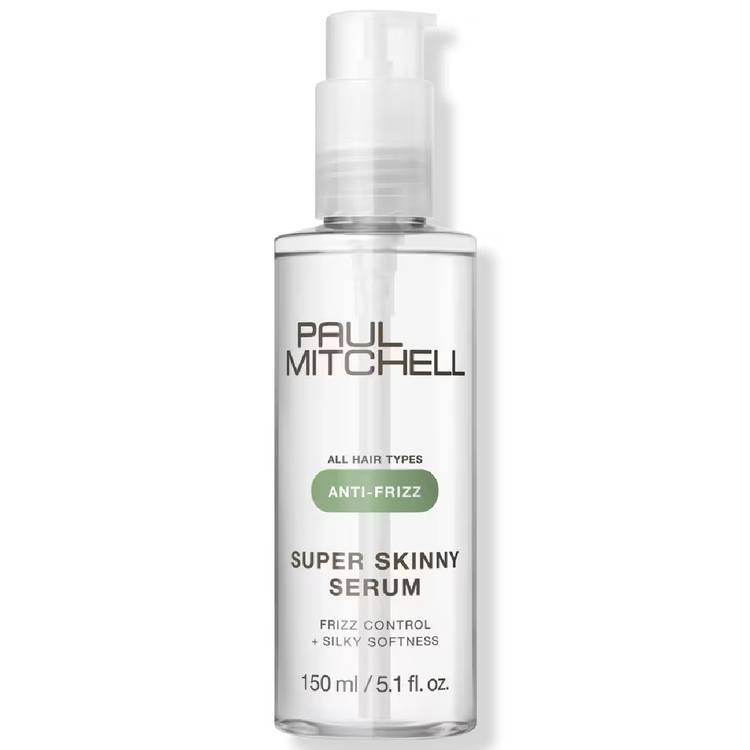
1. For Frizz and Shine: Paul Mitchell Super Skinny Serum ($30)
- Best For: Humidity-prone, flyaway-heavy hair requiring instant smoothing.
- The Breakdown: A classic blend of advanced silicones that instantly wraps around individual cuticles, locking out ambient moisture and delivering a mirror-like shine. While purely cosmetic, it remains an unmatched quick fix for unruly textures.
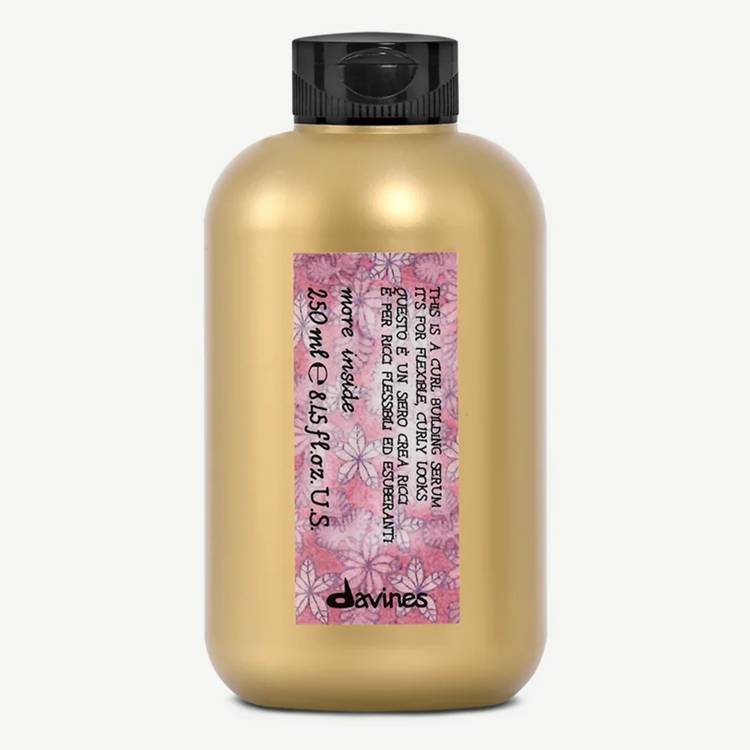
2. For Curls: Davines This Is a Curl Building Serum ($34)
- Best For: Dehydrated curly and coily hair needing definition without crunch.
- The Breakdown: Formulated on a water-based matrix infused with glycerin and panthenol, this serum provides deep internal hydration while lightweight silicones seal the cuticle. It enhances natural curl patterns without weighing down fragile spirals.
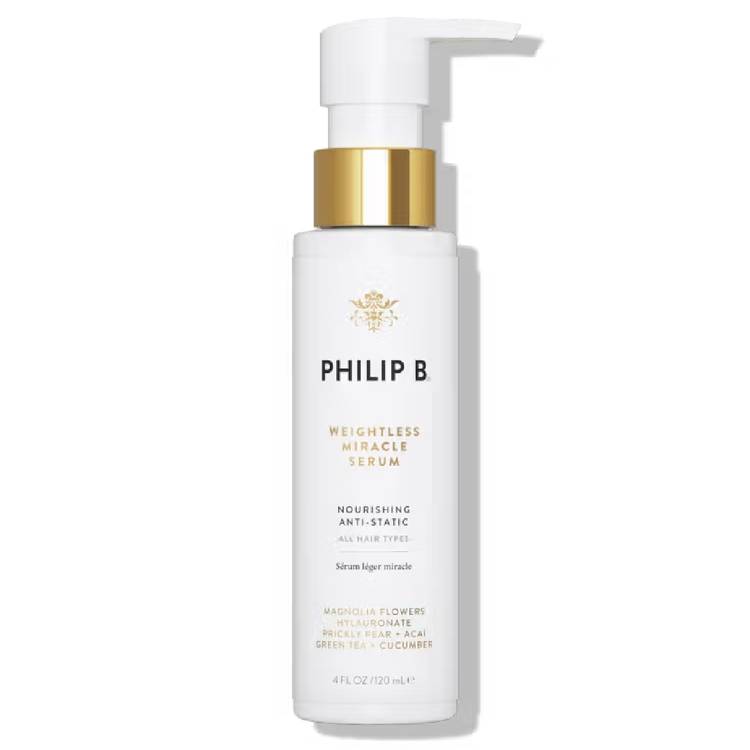
3. For Dry, Dehydrated Strands: PHILIP B. Weightless Miracle Serum ($75)
- Best For: Parched, static-prone hair in need of weightless moisture infusion.
- The Breakdown: Combines hyaluronic acid, coconut water, and sea buckthorn oil to flood thirsty strands with deep hydration, while an amino acid complex prevents midday moisture evaporation.
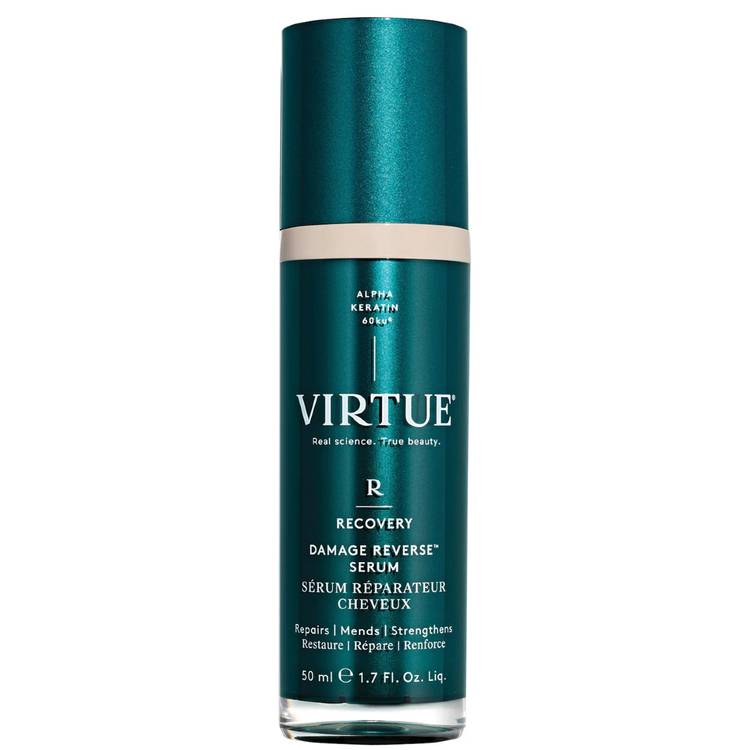
4. For Damage and Breakage: Virtue Damage Reverse Hair Serum ($62)
- Best For: Chemically processed, heat-damaged hair suffering from snapped internal bonds.
- The Breakdown: Utilizes patented Alpha Keratin 60ku—a bioidentical human protein that physically binds to damaged areas along the hair shaft, restoring structural integrity from the inside out.
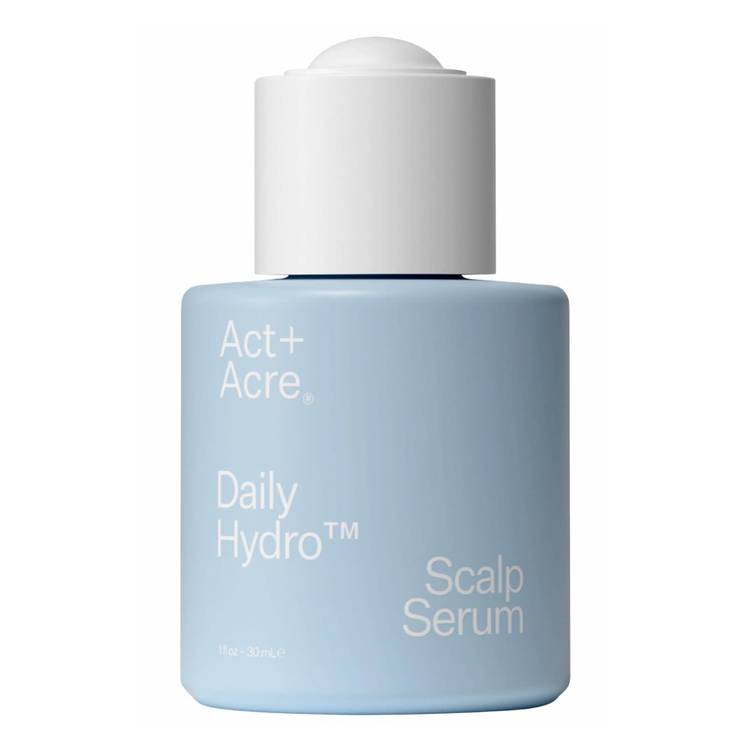
5. For a Dehydrated Scalp: Act+Acre Daily Hydro Scalp Serum ($24)
- Best For: Dry, tight, or flaky scalps requiring lightweight daily moisture.
- The Breakdown: A leave-on scalp treatment powered by multi-weight hyaluronic acid and amino acids that penetrate multiple layers of the scalp to lock in long-lasting hydration without greasy residue.
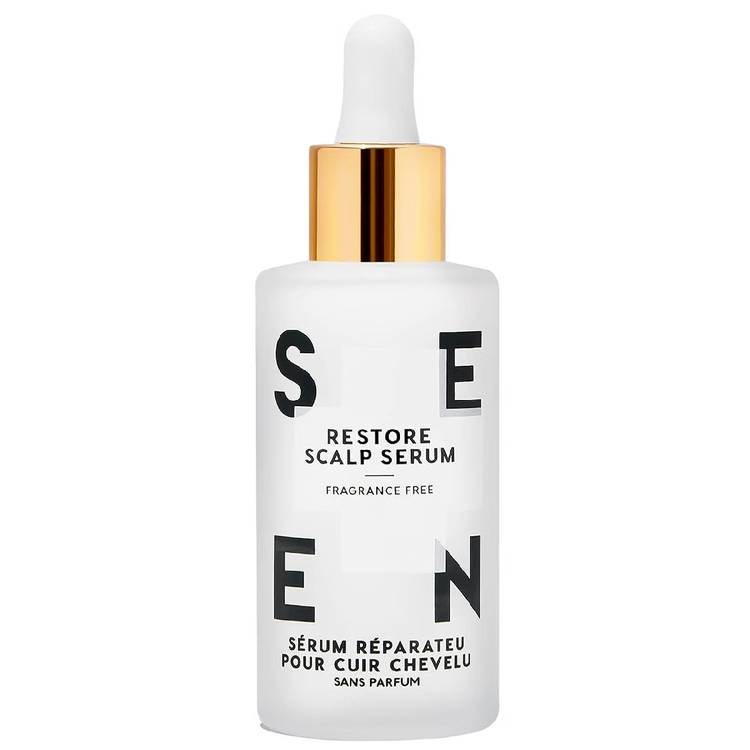
6. For Sensitive Scalps: SEEN Restore Scalp Serum ($48)
- Best For: Easily irritated scalps prone to stinging, itching, and inflammation.
- The Breakdown: Deliberately formulated without fragrance, sulfates, or silicones. It relies on soothing bisabolol and barrier-supporting squalane to calm hyper-reactive skin.
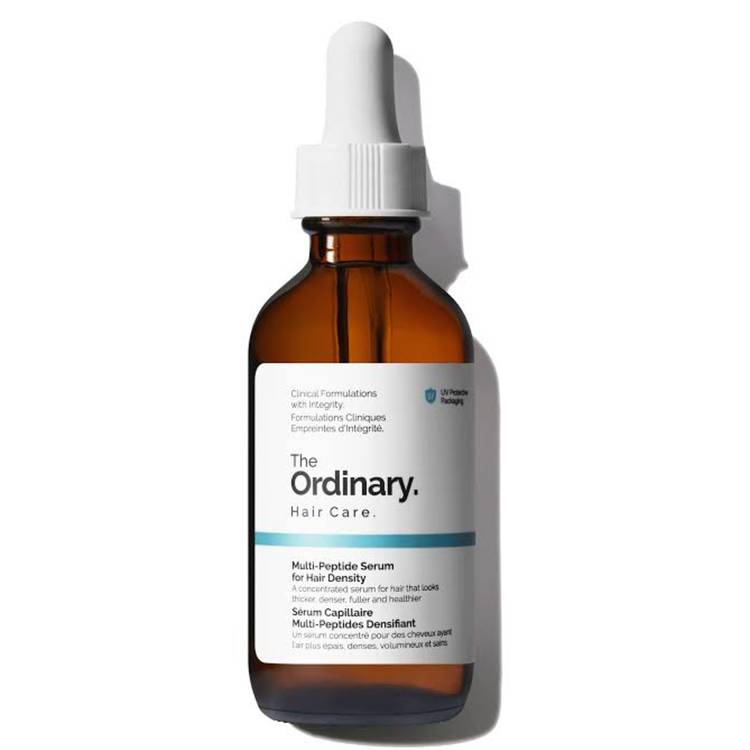
7. For Fuller-Looking Hair: The Ordinary Multi-Peptide Serum for Hair Density ($24)
- Best For: Those seeking the optical illusion of thicker hair without a medical regimen.
- The Breakdown: Combines caffeine with specialized peptides (such as biotinoyl tripeptide-1) to temporarily plump existing hair fibers, boosting apparent density instantly.
8. For Early Thinning: Rhute Density + Repair Scalp Serum ($75)
- Best For: Individuals noticing early, mild hair thinning who want proactive scalp care.
- The Breakdown: A comprehensive scalp treatment featuring caffeine, niacinamide, panthenol, and saw palmetto to support follicular health and reduce mechanical breakage.
9. For Fine Hair That Wants Fullness: LolaVie Let There Be Hair Scalp Serum ($49)
- Best For: Fine hair types seeking volume without heavy product accumulation.
- The Breakdown: Combines Capixyl (a red clover extract and peptide complex) with caffeine in a featherlight base that plumps fine strands with zero residue.
10. For a Peptide Alternative: OneSkin OS-01 Hair Peptide Scalp Serum ($62)
- Best For: Sci-fi-minded wellness enthusiasts targeting cellular scalp aging.
- The Breakdown: Utilizes proprietary OS-01 peptides designed to target senescent (aging) cells at the follicle level, clearing out inflammatory cellular debris to support healthier hair cycles.
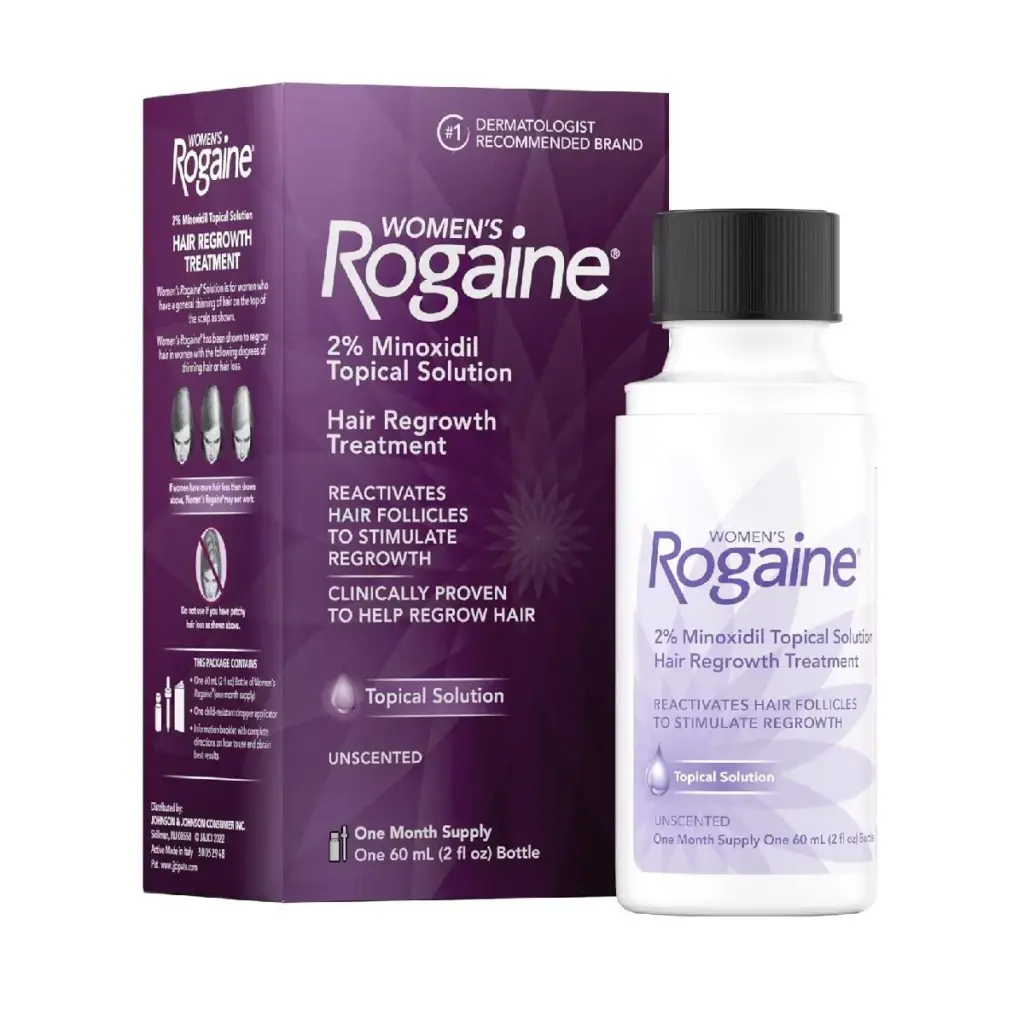
11. For Real Hair Growth: Women’s Rogaine 2% Minoxidil Topical Solution ($30)
- Best For: Clinically proven, long-term hair regeneration.
- The Breakdown: The undisputed gold standard of topical hair growth. Backed by decades of rigorous clinical data, this solution actively restarts dormant follicles, though consistent, long-term application is required to maintain results.
Future Outlook: What’s Next in Hair Biotechnology?
As the boundary between cosmetic chemistry and advanced dermatology continues to dissolve, the future of hair serums is poised for unprecedented personalization. Looking toward the late 2020s, industry experts anticipate several major shifts:
- Microbiome-Optimized Scalp Care: Future serums will increasingly focus on balancing the scalp microbiome—the complex ecosystem of bacteria and fungi living on the skin—using targeted prebiotics and postbiotics to naturally mitigate inflammation-induced shedding.
- Advanced Delivery Systems: Borrowing from cutting-edge anti-aging skincare, upcoming hair treatments will utilize lipid nanoparticle encapsulation to deliver active ingredients deeper into the dermal papilla, maximizing the bioavailability of growth factors and peptides.
- DNA-Tailored Formulations: As direct-to-consumer genetic testing evolves, personalized hair serums custom-blended to match an individual’s specific enzymatic breakdown rates and genetic predispositions for follicular miniaturization will transition from luxury novelty to mainstream accessibility.
Ultimately, achieving your healthiest hair and scalp requires patience, realistic expectations, and a scientific approach to ingredient selection. Whether you are smoothing morning frizz with a silicone-rich polish or committing to a long-term minoxidil regimen for cellular growth, consistency remains the single most important active ingredient in any hair care routine.