
Executive Overview
In the fast-paced ecosystem of contemporary fashion, the definition of an "It Girl" has undergone a profound structural shift. While high-profile premieres, custom Met Gala gowns, and blockbuster cinematic red carpets continue to captivate the mainstream consciousness, the true vanguard of modern style is increasingly born away from the flashing lights of Hollywood. Today’s most influential sartorial architects are found in the daily scrolls of Instagram, the candid street-style captures of downtown Manhattan, the meticulous archives of vintage resellers, and the behind-the-scenes boardrooms of revitalized heritage brands.
This cultural pivot marks a departure from homogenous, stylist-driven uniformity. Instead, consumers are gravitating toward individuals who master the friction between high and low, vintage and runway, and utilitarian practicality and avant-garde risk-taking. The contemporary zeitgeist is an eclectic collage: preppy revivals, bold color-blocking, Y2K nostalgia, and hyper-individualistic expressions that actively subvert mass trends.
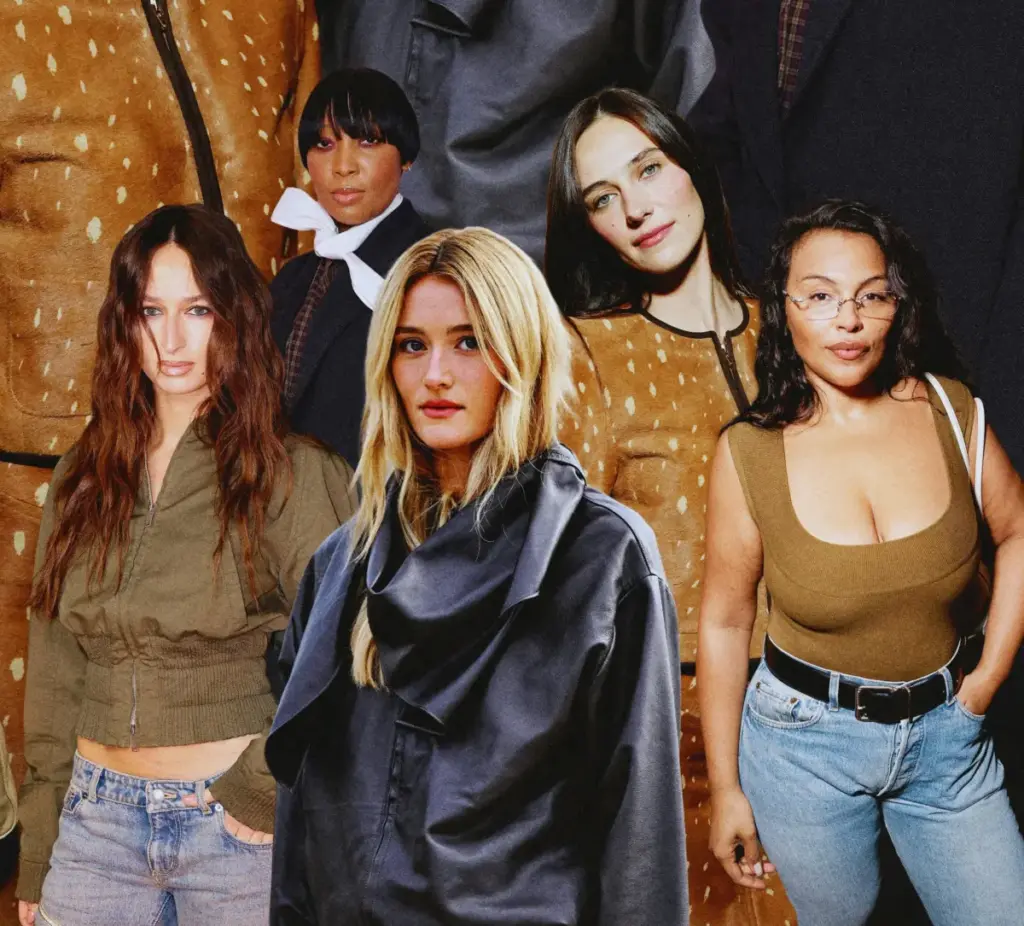
This report examines eight remarkable women—actresses, tastemakers, editorial insiders, supermodels, content creators, and designers—who are currently dictating the global wish list and shaping the daily dressing habits of a generation. By analyzing their unique trajectories, wardrobe philosophies, and distinct market impacts, we uncover the blueprint of modern style leadership.
Detailed Chronology: The Evolution of the Modern Fashion Icon
To understand how today’s style leaders captured the cultural imagination, it is essential to trace the arc of digital and editorial influence over the past decade.
- The Pre-Digital Era and Traditional Editorial Gatekeeping (Early 2010s): For decades, style inspiration flowed strictly top-down. Fashion magazines, runway presentations, and traditional publicists dictated what was deemed chic. Street style photography was in its infancy, largely capturing attendees outside official tented venues rather than celebrating everyday innovators.
- The Rise of the Influencer and Homogenization (Mid-to-Late 2010s): The proliferation of Instagram democratized fashion, giving birth to the professional "influencer." However, this era quickly standardized style into a repetitive cycle of neutral aesthetics, logo-heavy branding, and copy-and-paste mood boards.
- The Pandemic Shift and Archive Obsession (2020–2022): Global lockdowns forced a reckoning within the industry. Supply chain disruptions and environmental consciousness turned consumers and tastemakers toward vintage platforms like TheRealReal and Depop. The appetite shifted from brand-new, sponsored items to rare archival pieces from Jean Paul Gaultier, John Galliano, and Alexander McQueen.
- The Re-Emergence of Personality-Driven Style (2023–2025): As live events returned, audiences experienced "red carpet fatigue." The obsession shifted from safe, hyper-stylized celebrity looks to authentic off-duty wardrobe choices. Consumers began demanding personal narratives behind the clothes, elevating stylists, independent designers, and versatile actresses who could translate complex runway pieces into wearable everyday art.
- The Current Landscape (2026 and Beyond): Today, the boundaries between the runway and real life have entirely dissolved. The most powerful fashion figures are those who seamlessly blur the lines between emerging underground designers, luxury heritage houses, and thrifted treasures. The modern icon is not merely a clothes-hanger for a brand, but an active participant in the cultural dialogue.
Supporting Context & Metrics: The Anatomy of Modern Influence
The mechanics of how a garment transitions from a private wardrobe to a global sell-out phenomenon involve a complex interplay of digital psychology, algorithmic visibility, and scarcity economics.
The Economics of the "Sold-Out" Effect
When modern tastemakers champion an emerging designer or an overlooked archival piece, the market response is immediate. Data from secondary luxury marketplaces indicates a direct correlation between social media features by independent tastemakers and a subsequent spike in search queries for vintage avant-garde labels. For instance, the championing of graduate and emerging talent by independent stylists routinely results in inventory depletion across boutique e-commerce platforms within hours of posting.
High-Low Integration Metrics
Consumer preference data reveals a decisive rejection of head-to-toe runway looks for everyday wear. The modern consumer values versatility:
- High-End Anchors: Investment pieces such as vintage Chanel handbags, archival Margiela boots, or tailored Loewe outerwear remain aspirational cornerstones.
- Low-Key Foundations: These luxury elements are increasingly grounded by accessible staples—most notably classic Levi’s 501 denim, unpretentious cotton tees, and thrifted utility wear.
- The Emerging Edge: Incorporating pieces from nascent designers signals cultural literacy and an authentic engagement with the broader creative community.
The Vanguard: Eight Women Shaping the Zeitgeist
1. Sarah Pidgeon: The Working Girl
Sarah Pidgeon cemented her status as a cultural force following her acclaimed television role in 2026, brilliantly channeling one of the most referenced style icons in history. Rather than fading into standard celebrity styling, Pidgeon has successfully transitioned into a multi-brand fashion favorite.
Her relationships with legacy houses like Prada, Loewe, Chanel, and Balenciaga provide her wardrobe with an undeniable designer edge. Yet, her true brilliance lies in her high-low dexterity—effortlessly pairing Chanel runway bags with vintage Levi’s 501s or spotlighting emerging talent like Zoe Anna Gustavia Whalen. Pidgeon embodies a classically streamlined New York aesthetic that is never afraid to take risks. Her memorable public appearances—featuring patent-leather trench coats and oversized buggy sunglasses—have already begun trickling down to influence fast-fashion street style globally.
2. Amanda Murray: The Tastemaker
Operating behind the scenes as a brand consultant and stylist, Amanda Murray maintains a low public profile while wielding immense behind-the-market influence. When Murray highlights a specific sneaker, handbag, or dress on her channels, retail sell-outs are virtually guaranteed.
Murray’s early and consistent championing of emerging visionaries—such as Maximilian Davis prior to his tenure at Ferragamo—cements her status as an industry insider with an infallible eye. Her aesthetic is defined by an unapologetic love for archival fashion, effortlessly mixing vintage Céline, historical Margiela pieces, and fresh-off-the-runway Loewe creations. Her uncompromising approach to wardrobe curation serves as a masterclass in how to build a timeless yet ultra-modern closet.
3. Michelle Li: The Industry Insider
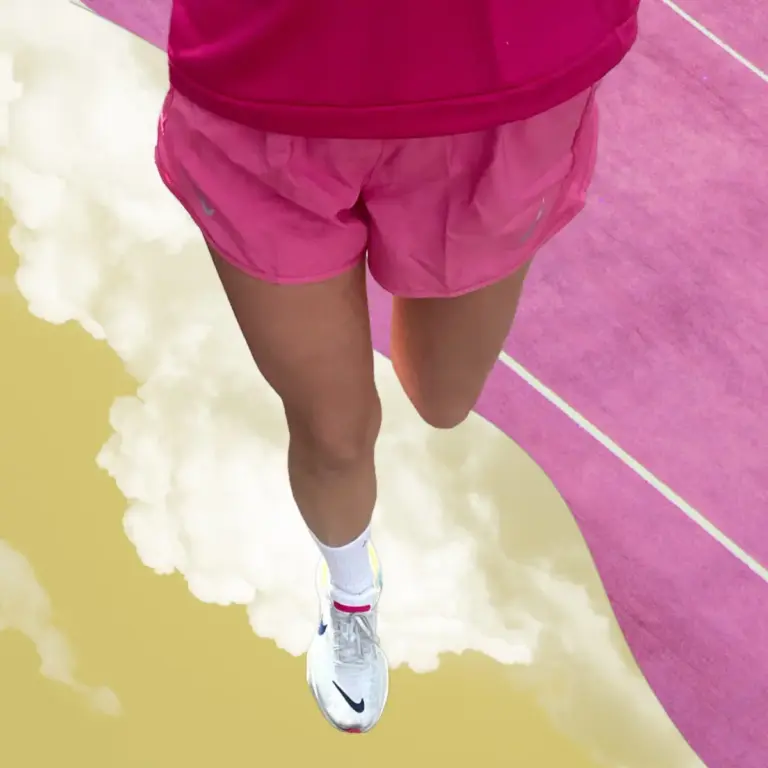
With a robust background in fashion editorial, New York-based writer and stylist Michelle Li approaches dressing with the savvy of a seasoned professional. Famous for her viral "runway-to-real-life" video series—where she sprints in slow motion while showcasing newly acquired pieces—Li combines high-fashion luxury with playful accessibility.
Maximalist and utterly unafraid of vibrant color, Li’s style is a celebration of joy in dressing. Whether she is styling vintage Junya Watanabe floral dresses alongside brand-new Tory Burch runway items or experimenting with bold pink hair, she proves that downtown grit and high-fashion whimsy can coexist. Her signature accessory choices, from vibrant turquoise accents to statement sunglasses, offer masterclasses in how to elevate everyday outfits.
4. Paloma Elsesser: The Muse
As one of the most prolific and sought-after supermodels working today, Paloma Elsesser commands runways and campaigns for major houses like Alexander McQueen, Abercrombie & Fitch, and Victoria’s Secret. However, it is her personal style documentation—shared via candid Instagram dumps and her TikTok series, "Soft Obsessions"—that truly fuels the modern fashion appetite.
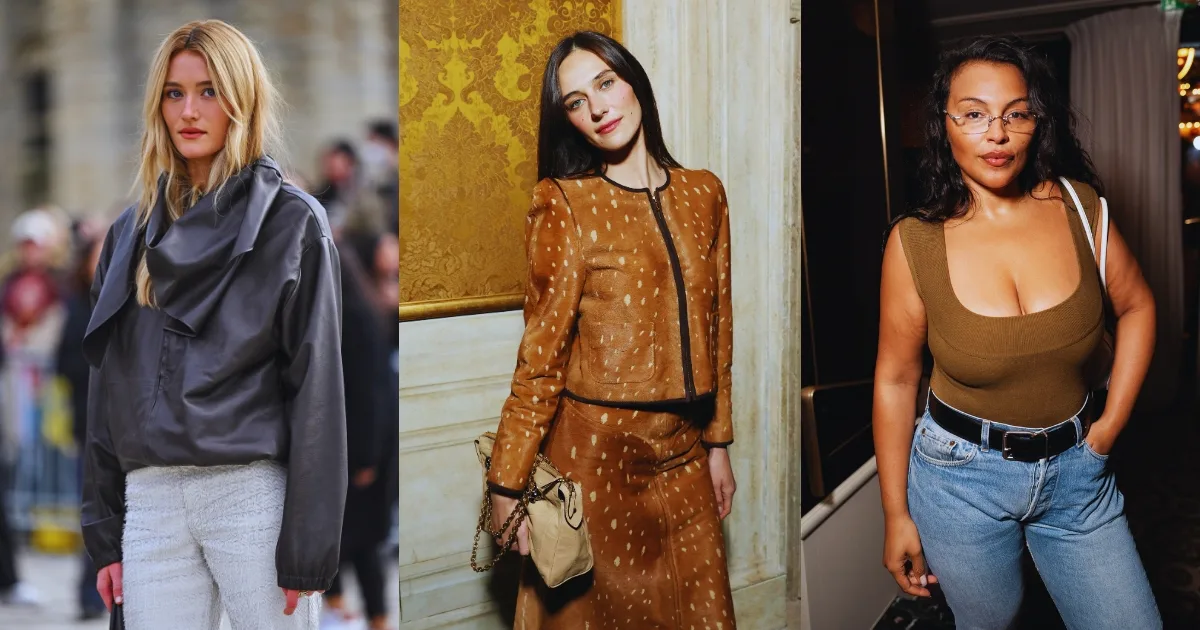
Elsesser’s wardrobe is a treasure trove of vintage finds, effortlessly blending archival McQueen and Comme des Garçons pieces with unexpected fabric combinations like camouflage, neon, and classic stripes. By spotlighting small daily pleasures—from artisanal hand creams to specialty stationery and architectural Versace footwear—she bridges the gap between high-fashion royalty and the relatable desires of her audience.
5. Isabelle Allain: The Actual Influencer
In a digital landscape often saturated with repetitive mood boards and copy-and-paste outfits, Isabelle Allain stands out through sheer creative audacity. Known for her experimental content—such as fabricating footwear out of Lego bricks or constructing bustiers from raw wood—Allain brings genuine innovation to the content creator space.
Her aesthetic defined the sporty, eclectic energy of summer 2026, characterized by long shorts, plaid shirts, and wrap-around sunglasses. Known for defying conventional styling rules—such as pairing a lilac silk bomber and hot pants with brown sandals and a chartreuse knit tank top—Allain possesses an intuitive grasp of color and pattern theory that elevates her far beyond traditional internet stardom.
6. Devon Lee Carlson: The Free Spirit
Devon Lee Carlson’s deep-seated reverence for vintage fashion has established her as a premier modern free spirit. Her signature 1970s-meets-contemporary aesthetic has attracted major collaborations with brands like Frankies Bikinis and Reformation, honoring her preference for secondhand halter dresses, slip gowns, and low-rise denim.
Carlson’s dedication to authentic thrifting is well-documented through her extensive shopping hauls on TikTok and YouTube. Her unique ability to identify overlooked accessories and transform them into coveted objects of desire underscores a trend-agnostic philosophy that encourages consumers to look past the surface and find enduring value in unexpected places.
7. Olympia Gayot: The Designer’s Designer
As the creative force behind the recent renaissance at J.Crew, Olympia Gayot has successfully resurrected iconic heritage pieces—such as the Rollneck Sweater and the Boy Chino—while establishing an entirely fresh visual language for the brand.
Beyond her corporate leadership, Gayot serves as the ultimate living billboard for her own designs. Her candid mirror selfies captured inside J.Crew’s downtown Manhattan headquarters generate as much excitement as official campaign imagery. By championing workwear trousers, wayfarer sunglasses, classic leather belts, and fisherman sandals, Gayot has single-handedly spearheaded the sophisticated preppy revival dominating contemporary wardrobes.
8. Lotta Volkova: The Clothing Magician
Few runway stylists have exerted as much influence over the past decade’s silhouette as Lotta Volkova. Having shaped the defining aesthetics of Demna’s Balenciaga and Vetements collections, Volkova continues to redefine modern femininity through her work with Miu Miu and August Barron.
Volkova’s street-first approach translates directly into how real people experiment with clothes. Her personal wardrobe is a masterclass in high-fashion subversion, regularly mixing pieces from her various client rosters to invent daring color combinations and unconventional styling hacks. Executed with her signature bleached-blonde hair and understated glamor, Volkova proves that true style leadership lies in challenging conventional notions of beauty and proportion.
Official Statements & Industry Perspectives
Industry analysts and creative directors note that the fragmentation of trend culture is ultimately a positive development for the fashion ecosystem.
"We are witnessing the death of the monoculture," notes a prominent luxury brand strategist based in Paris. "Consumers no longer want to look like walking advertisements for a single season’s campaign. They are building hybrid wardrobes that tell a personal story, incorporating archival history, independent design, and classic staples. The tastemakers who succeed today are those who facilitate this storytelling rather than dictate rigid rules."
Furthermore, editorial directors emphasize the growing importance of authenticity in digital curation. As audiences become increasingly sophisticated at detecting sponsored uniformity, the demand for genuine collectors—those who thrift, invest in archival pieces, and support nascent talent—has never been higher.
Future Outlook
Looking toward the remainder of the decade, the trajectory of modern fashion culture points toward hyper-personalization, circular economy integration, and cross-disciplinary collaboration.
- The Acceleration of Archival Search: As platforms like TheRealReal, Depop, and specialized vintage boutiques mature, the hunt for rare runway pieces will continue to eclipse the desire for immediate fast-fashion replication. The ability to source and contextualize vintage garments will remain a primary status symbol.
- The Rise of the Micro-Aesthetic and Autonomous Dressing: Consumers will increasingly break free from seasonal trend cycles, opting instead for fluid, mood-based dressing that borrows freely across decades—from Y2K utility to 1970s bohemianism and 1990s minimal tailoring.
- The Blurring of Creator and Designer Roles: Content creators who demonstrate genuine technical knowledge, tactile material understanding, and styling audacity will increasingly step into formal design roles, bridging the gap between digital influence and physical garment production.
Ultimately, the eight women profiled in this report demonstrate that modern style is no longer about passively consuming what is placed on a runway. It is an active, ongoing dialogue between history and innovation, high luxury and everyday utility, and—above all—uncompromising individual expression.