The modern cultural lexicon is heavily dictated by seasonal micro-trends, none more pervasive or economically impactful than the contemporary "Eurosummer." In recent years, this term has evolved from a simple descriptor of seasonal travel into an aspirational lifestyle brand. Characterized by rapid, cross-border itinerary hopping within the strict confines of a standard 10-day Paid Time Off (PTO) allowance, the phenomenon is ubiquitously documented through high-saturation digital narratives—curated Instagram stories featuring perpetual Aperol spritzes, linen-clad promenades, and, occasionally, the realities of credit-card-funded hedonism.
Yet, even as micro-trends shift and the definition of European vacationing expands, few locales remain as fiercely synonymous with this lifestyle as Ibiza. Nestled in the crystalline waters of the Mediterranean Sea, this small Balearic island functions as the undisputed global mecca of dance music, celebrity-attended 24-hour spectacles, and marinas overflowing with superyachts.
However, looking past the veneer of 24-hour VIP bottle service and high-octane superclubs reveals a far more complex, contradictory, and culturally rich destination. Ibiza operates as a paradox: a sanctuary of wild, unbridled free-spiritedness on one hand, and a masterclass in high-end, barefoot luxury and agrarian heritage on the other. Throughout its sprawling six-month high season, the island welcomes millions of starry-eyed travelers to its shores, offering everything from morning pan con tomate paired with zumo de naranja natural to the complete liberation of shedding bikini tops in secluded pine-fringed coves.
Navigating this dual personality—where world-class farm-to-table gastronomy meets trance-soundtracked beach clubs, and historical farmhouses turn into rock-and-roll boutique hotels—requires intentionality. Knowing precisely where to stay, where to party, where to dine, where to shop, and where to decompress is the ultimate prerequisite for mastering the white isle.
Detailed Chronology: An Insider’s Itinerary Across the White Isle
A successful itinerary in Ibiza demands a delicate equilibrium between high-energy nightlife and restorative daytime tranquility. The following chronological framework outlines the definitive guide to experiencing the island’s most sophisticated and culturally vital corners.
Phase One: Accommodations & Base Camps
Destino Five Ibiza (Cap Martinet)
Situated on the dramatic southern coast in Cap Martinet, Destino Five Ibiza represents The Pacha Group’s sophisticated answer to "barefoot luxury." Characterized by whitewashed private villas and lush, manicured Mediterranean gardens, this hillside hideaway operates at a deliberately slower pace—at least until the bass begins to build. The five-star resort offers a self-contained ecosystem where leaving the property feels entirely redundant; many guests spend days lounging on Balinese beds at the Playa Pacha Pool, cherry-emblazoned towels underfoot, and the ancient fortifications of Dalt Vila on the distant horizon.
The culinary offerings mirror the resort’s elevated leisure ethos, featuring fusion burgers, lobster rolls, paella, and the standout Destino Club sandwich paired with an Afrodita Spritz. Sound design is paramount here: multiple DJ booths are strategically positioned throughout the grounds, including one seemingly floating in the deep end of the pool. As afternoon transitions to evening, the pool deck transforms into an open-air venue hosting legendary residency events, such as Solomun’s iconic Pacha ICONS sets.
Pikes Ibiza (Sant Antoni de Portmany)
Located just up the western coast in Sant Antoni de Portmany, Pikes is a sprawling hacienda steeped in the anarchic, creative lore of rock ’n’ roll history. Originally a 500-year-old dilapidated farmhouse, it was painstakingly transformed by founder Tony Pike into an eccentric refuge for musicians, actors, and royalty seeking absolute personal freedom. Since opening its doors in 1980, Pikes has hosted a who’s who of cultural icons: Freddie Mercury famously celebrated his 41st birthday on the grounds, Grace Jones was a permanent fixture, Wham! filmed the music video for "Club Tropicana" by its iconic pool, and contemporary artists like Dua Lipa frequent its spaces today. Guests visit for the maximalist, art-drenched interiors, indulge in the legendary Sunday Roast, and retreat after hours to Freddie’s—the late rock star’s former suite, converted into an intimate, strictly no-phones underground dance den operating until 5 a.m.
Ca Na Xica (Sant Miquel de Balansat)
Venturing inland past the coastal beach clubs reveals a quieter, intensely agrarian side of the island. In Sant Miquel de Balansat lies Ca Na Xica, a secluded 19th-century finca spread across 10 hectares of pristine countryside. Once a working farm, this boutique hotel now caters to a design-conscious demographic trading late nights for long, sun-dappled lunches and deep architectural quiet. Visitors booking the Premier Suites enjoy private terraces overlooking the olive groves, while dinners at the property’s Salvia restaurant showcase hyper-local, farm-to-table gastronomy.
Phase Two: After-Hours Revelry & Superclubs
Pacha Ibiza & Pacha Restaurant
The motif of the double cherry stands as the undisputed crest of Ibiza’s nightlife empire, largely thanks to Pacha Ibiza. As the mother of all superclubs, it transformed a sleepy Mediterranean fishing island into a global epicentre of electronic music.
The evening experience is best initiated at the adjoining Pacha Restaurant at 11 PM. Guests can enjoy a multicourse tasting menu—featuring pillowy-soft warm croissants with sage aioli, edamame with sweet chili, and sweet potato with vanilla mayo—before stepping directly into the main club. Hosting residencies from Grammy-nominated artists alongside high-concept production values (strobe lights, synchronized fog machines, and theatrical dancers), Pacha remains the ultimate rite of passage for electronic music purists.
[Unvrs]
Formerly the legendary Ku Club and later Privilege—recognized by the Guinness World Records as the world’s largest nightclub with a capacity of 10,000—[Unvrs] operates as a hyperclub hosting marquee residencies such as David Guetta’s Friday night sets. The venue merges industrial-scale acoustics with sensory overload: laser beams slice through the dark, aerialists perform on trapezes, and volumetric holographic displays project above the DJ booth. For those seeking a change of pace, the underground bunker room offers a more intimate, subterranean dance experience.
Ushuaïa & Club Chinois
No first-time pilgrimage is truly complete without paying homage to the open-air daytime spectacles at Ushuaïa, where artists like Calvin Harris draw massive crowds under a canopy of falling confetti. For a more sophisticated, highly air-conditioned alternative, Club Chinois sits prominently in the port, enforcing strict dress codes and prioritizing pristine acoustics over sheer square footage.
Phase Three: Gastronomy and Culinary Arts
Elia
Perched above Talamanca Bay at Destino Five Ibiza, Elia marries Mediterranean golden-hour glamour with traditional Greek taverna hospitality. The menu emphasizes family-style sharing, featuring honey-drizzled saganaki, tender chicken souvlaki, Greek salads with vine-ripened tomatoes, and house-made mezze platters, ideally accompanied by pours of premium sparkling wine.
Monkey Ibiza & Fish Shack
Located on San Antonio’s Sunset Strip, Monkey delivers French-Mediterranean small plates against the backdrop of the sun setting over Caló des Moro. Conversely, Fish Shack strips away all modern hospitality pretensions. Operating with zero reservations and a fiercely simple, blackboard-only menu, it serves freshly caught fish grilled over open flame just feet from the Mediterranean Sea.
Supporting Context & Metrics: The Economic and Cultural Footprint
To fully understand Ibiza’s current landscape, one must analyze the socio-economic metrics driving the Balearic destination. According to tourism data from the Consell d’Eivissa, the island accommodates over 3 million visitors annually within a compressed six-month window, driving an economy heavily reliant on hospitality, luxury retail, and event tourism.
| Metric Category | Data Point / Description |
|---|---|
| Annual Visitor Volume | ~3 million tourists per high season |
| Peak Operating Window | May through October (6-month high season) |
| Maximum Venue Capacity | Up to 10,000 attendees (historical peak at Privilege/[Unvrs]) |
| Agricultural Heritage | Over 25,000 hectares of protected rural landscape |
| Primary Economic Drivers | Hospitality, Superclub Tourism, High-End Luxury Retail, Agritourism |
Despite the dominant narrative of hyper-consumerism, the island’s legislative bodies have increasingly pushed toward sustainable tourism initiatives. Regulations capping tourist accommodations, protecting rural fincas from commercial over-development, and promoting farm-to-table agricultural sustainability have become central to maintaining the island’s delicate ecological balance.
Official Statements and Local Insights
The duality of Ibiza is best captured through the perspectives of its long-term residents, artisans, and cultural curators.
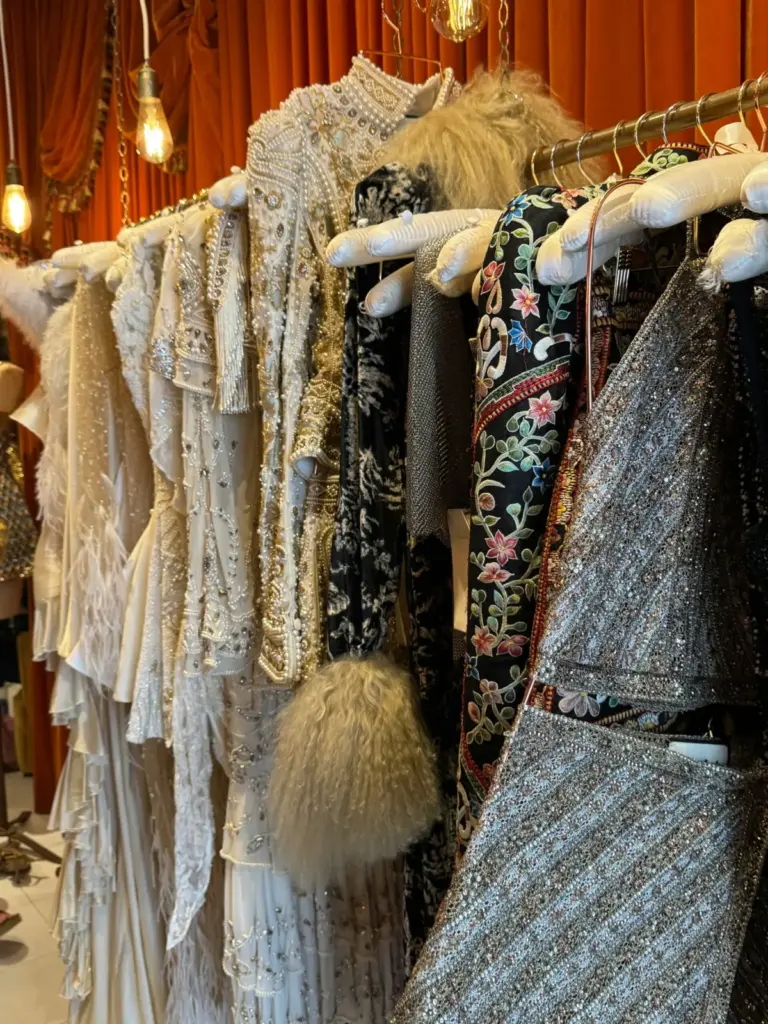
Speaking on the evolution of the island’s retail and cultural landscape, renowned vintage archivist and boutique owner Vicente Hernández Zaragoza of Vicente Ganesha notes:
"Ibiza has always been a sanctuary for those who wish to live differently. The clothes we curate, the textiles we bring back from our travels—they are not fast fashion; they are artifacts of a slower, more intentional way of life that existed long before the megaclubs arrived."
Echoing this sentiment regarding the preservation of the island’s authentic coastline, local conservation advocates emphasize the importance of protecting remote coves like Cala Saladeta and Cala Benirràs. A local cultural liaison stated:
"The true magic of Ibiza is not found exclusively beneath the strobe lights of a superclub. It is found in the silence of the northern pine forests, the drum circles at sunset, and the preservation of our natural coves where community matters more than commerce."
Future Outlook: Sustainable Hedonism and the Next Era of Travel
As global tourism enters a post-pandemic era defined by hyper-awareness of personal well-being alongside consumer indulgence, Ibiza is undergoing a silent yet profound structural evolution. The model of unbridled, resource-heavy party tourism is increasingly being challenged by demands for sustainable luxury.
Looking toward the future, the island’s hospitality sector is heavily investing in carbon-neutral resort operations, hyper-local agricultural sourcing, and immersive wellness tourism. Properties like Ca Na Xica and Destino Five Ibiza indicate a growing market demand for "conscious hedonism"—the ability to engage in world-class nightlife while simultaneously prioritizing holistic health, environmental stewardship, and cultural preservation.
Ultimately, Ibiza remains a cultural mirror for contemporary travelers. Whether approached as an ephemeral playground for digital content creation or a profound exploration of Mediterranean history, gastronomy, and nature, the white isle rewards those who look beyond the surface clichés. Vale, pack your bags—the island awaits.