
Executive Overview
In the immediate aftermath of the terrorist attacks on September 11, 2001, the United States entered an unprecedented psychological and cultural vortex. The national landscape transformed overnight, defined by collective grief, shock, and a paralyzing surge of paranoia. As the nation sought to comprehend the unprecedented devastation of the World Trade Center and the Pentagon, virtually every sector of American society pivoted to a state of hyper-vigilance.
Among the institutions compelled to navigate this fragile cultural moment were major media conglomerates, which held immense sway over public consciousness through the airwaves. In an aggressive preemptive effort to avoid causing further distress or appearing insensitive to a traumatized public, Clear Channel Communications (now known as iHeartMedia)—then the largest radio station owner in the United States—distributed an internal memo to its more than 1,000 station programmers nationwide. Attached to this communication was an infamous, unofficial list of 164 songs deemed "lyrically questionable."
While the memo was technically framed as a "suggestions" list rather than an outright, legally binding mandate, the corporate climate of fear ensured that it was treated as gospel by station managers across the country. Tracks mentioning planes, flying, destruction, death, or any underlying themes of violence or anti-establishment sentiment were abruptly pulled from rotation. However, as cultural historians and musicologists would later discover, the net cast by Clear Channel and other panicked broadcasters was so wide and indiscriminate that it swept up numerous classic tracks with virtually no connection to terrorism, aviation, or violence.
This article investigates the mechanics of this sweeping corporate censorship, explores the historical context of the post-9/11 media landscape, and examines six of the most bewildering, surprising, and illogical songs to find themselves banished from the American airwaves during one of the darkest chapters in modern history.
Detailed Chronology: The Fall 2001 Airwaves Freeze
To understand how innocuous pop songs, Motown hits, and 1960s folk anthems ended up banned from radio, one must retrace the precise timeline of events that unfolded in the days following September 11, 2001.
September 11–12, 2001: Silence on the Airwaves
As the scale of the terrorist attacks became clear, commercial radio in the United States underwent an immediate, organic freeze. Broadcasters suspended normal programming, commercials, and DJ banter, replacing them with continuous news feeds from networks like NPR, CNN, and local affiliates. For the first 48 hours, music was virtually non-existent as the country absorbed the horror.
Mid-September 2001: The Panic Protocol and the Clear Channel Memo
As stations prepared to slowly reintroduce music to the airwaves, programmers faced a daunting dilemma: How do you curate a playlist for a nation in mourning without accidentally triggering trauma? A song with lyrics about falling buildings, fire, explosions, or aeroplanes suddenly felt toxic.
Sometime between September 12 and September 15, an employee or executive within Clear Channel Communications compiled and disseminated an internal document listing 164 songs to be avoided. While the exact authorship of the memo remains somewhat shrouded in corporate ambiguity, its impact was swift and absolute. Program directors across the country pulled physical CDs and vinyl records from rotation, replacing them with safe, patriotic, or purely instrumental tracks.
Late September to October 2001: The Broadening Net of Self-Censorship
Independent stations not owned by Clear Channel quickly caught wind of the memo. Fearing public backlash, advertiser flight, or accusations of unpatriotic insensitivity, many smaller broadcast groups adopted the list or created their own ad-hoc censorship guidelines. This period marked a dark high-water mark for corporate self-censorship in American broadcasting, where the lines between genuine public sensitivity and defensive brand protection became entirely blurred.
Supporting Context & Metrics: The Anatomy of the List
The Clear Channel memo was not merely a collection of obvious targets. While it understandably included songs featuring explicit violence or disaster themes—such as Pat Benatar’s "Hit Me with Your Best Shot" (which paradoxically made the list despite its metaphorical nature) or AC/DC’s "Highway to Hell"—its criteria were broad to the point of absurdity.
Categorizing the Bans
A retrospective analysis of the 164-song list reveals several distinct categories of collateral damage:
- Aviation and Travel Motifs: Songs containing words like "plane," "fly," "jet," or "sky" were universally flagged, regardless of context.
- Apocalyptic or Destructive Imagery: Tracks discussing fire, falling, the end of the world, or generalized chaos were sidelined.
- Implicit Anti-Establishment or Anxious Sentiment: Songs expressing generalized angst, depression, or psychological distress were viewed as inappropriate for a populace expected to project unified resilience.
- Cultural and Geographic Associations: References to Middle Eastern cultures, cities associated with high-profile incidents, or foreign conflicts were abruptly excised.
The economic and cultural footprint of these bans was massive. At the time, terrestrial radio was still the primary engine driving commercial music consumption and chart performance. Pulling a legacy track from rotation did not just silence it for a few days; it disrupted the collective cultural memory of an entire generation of listeners.
Official Statements and Corporate Fallout
In the years following the revelation of the memo, Clear Channel maintained a defensive posture, repeatedly emphasizing that the document was merely a set of voluntary suggestions and that no corporate mandate or official "blacklist" had ever been enforced from the top down.
In public statements issued in late 2001 and subsequent years, corporate representatives argued that the memo was intended to help local program directors navigate an unprecedented and emotionally volatile landscape. They stressed that individual stations retained final editorial control over their playlists.
However, industry insiders and radio DJs painted a vastly different picture. Speaking on conditions of anonymity, multiple former Clear Channel disc jockeys revealed that defying the memo carried severe professional consequences. In an industry already battered by corporate consolidation, stepping out of line—even to play a song as benign as a Beatles tune—was treated as a terminable offense.
The defense of "voluntary suggestion" rang hollow to cultural critics, who noted that in a centralized corporate hierarchy, suggestions from upper management function with the absolute weight of direct orders.
The 6 Most Surprising Songs Banned After 9/11
While pulling songs about destruction or aviation might have seemed defensible to anxious executives in September 2001, the inclusion of several specific tracks highlighted the sheer irrationality of the panic. Here are six of the most surprising and baffling songs that found themselves banished from the American airwaves.
1. "Walk Like an Egyptian" by The Bangles
Released in 1986, The Bangles’ infectious, synth-driven pop masterpiece "Walk Like an Egyptian" became an era-defining anthem. However, in the post-9/11 climate, its mere references to Middle Eastern culture were enough to land it squarely on the banned list.
Ironically, this was not the first time the song had faced state or corporate censorship. A decade earlier, during the 1991 Persian Gulf War, the BBC placed the track on a similar advisory list, deeming its geographic motifs potentially insensitive during active military conflict. In 2001, U.S. radio programmers made the same leap in logic, demonstrating a reflexive tendency to conflate ancient regional aesthetics with modern geopolitical threats.
2. "Doctor My Eyes" by Jackson Browne
Jackson Browne’s 1972 debut single is a masterclass in introspective singer-songwriter craft, yet it somehow managed to trigger the anxieties of post-9/11 radio executives. The song features vague allusions to growing older, emotional weariness, and existential fear—themes common to almost all folk-rock of the era.
The track has absolutely nothing to do with New York City, commercial aviation, terrorism, or violence. In reality, Browne penned the song about a deeply personal medical experience in which he temporarily lost his vision for days before receiving successful treatment. Its inclusion on the ban list underscored how deeply panicked programmers were scanning lyrics for any vocabulary touching upon fear or distress.
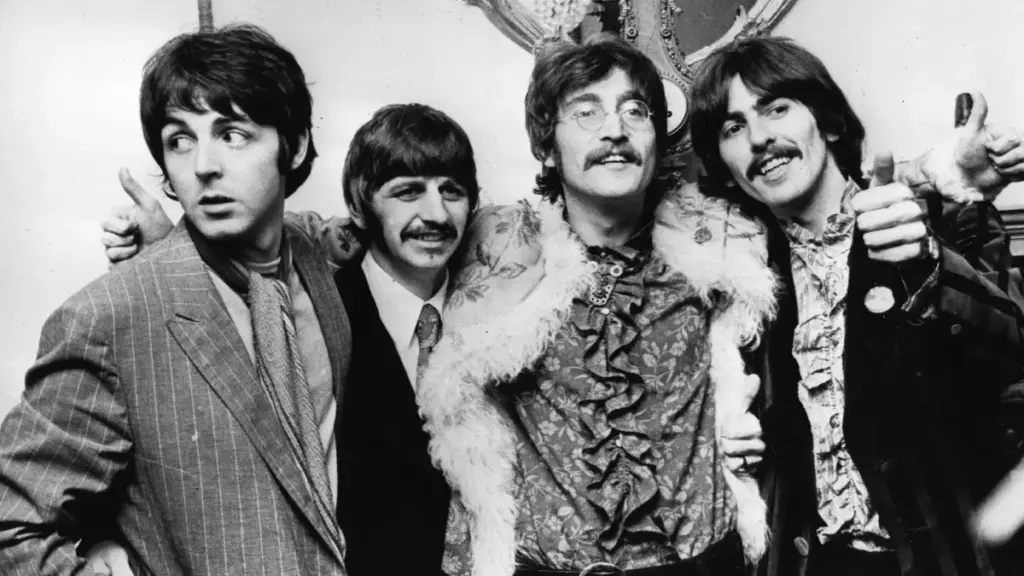
3. "Ob-La-Di, Ob-La-Da" by The Beatles
Perhaps no entry on the list exposes the complete illogic of the Clear Channel memo quite like The Beatles’ 1968 cheerful romp, "Ob-La-Di, Ob-La-Da." The song contains no underlying dark meaning, no political commentary, and certainly no references to terrorism or aviation.
Instead, its cardinal sin was simply that it was too happy, too carefree, and too bouncy for a nation immersed in a collective state of mourning. Broadcasters decided that playing a silly song about Desmond and Molly Jones singing a "ob-la-di, ob-la-da, life goes on" refrain was an affront to the gravity of the moment. Notably, The Beatles suffered multiple casualties on the list, with masterpieces like "A Day in the Life" and "Lucy in the Sky with Diamonds" also sidelined.
4. "In the Air Tonight" by Phil Collins
Phil Collins’ 1981 atmospheric classic is universally revered for its brooding moodiness and, most famously, its explosive, thunderous drum break. Lyrically, the song details Collins’ raw, personal grief and bitterness stemming from a recent divorce.
While the track undeniably projects a heavy, dark atmosphere, the rationale for labeling it "lyrically questionable" remains flimsy at best. It contains no violence, no disasters, and no external threats. Yet, in an era where any song projecting anger or emotional turbulence was viewed as a potential powder keg for a fragile public, Collins’ masterpiece was deemed unfit for consumption.
5. "She’s Not There" by The Zombies
The Zombies’ hypnotic 1964 debut single is a foundational pillar of British Invasion rock, peaking at No. 2 on the Billboard Hot 100 and captivating listeners with its haunting vocal harmonies and electric piano solo. Lyrically, the song tells a standard pop-rock narrative about a heartbroken narrator whose romantic partner has walked out on their relationship.
It bears zero relation to national tragedies, geopolitical conflict, or disaster. Yet, the song’s minor-key melancholy and themes of absence were apparently enough to catch the eye of nervous executives drafting sweeping, indiscriminate bans.
6. "Get Together" by The Youngbloods
Perhaps the most tragically ironic inclusion on the entire Clear Channel list was The Youngbloods’ 1967 peace anthem, "Get Together." Originally written by Chet Powers, the song became a defining soundtrack to the counterculture movement, explicitly promoting peace, love, and unity during the tumultuous height of the Vietnam War.
The song’s chorus is a direct, urgent plea: "Come on, people now, smile on your brother, everybody get together, try to love one another right now." In September 2001, at a time when American society was desperately searching for solidarity, community, and national healing, corporate radio executives chose to suppress one of the greatest unity anthems in modern musical history. It was a message that could not have been more relevant, yet it was silenced out of an abundance of corporate caution.
Future Outlook: The Legacy of Post-9/11 Media Control
Two decades removed from the events of September 11, 2001, the legacy of the Clear Channel memo offers a sobering case study in the dangers of media consolidation and corporate self-censorship during national crises.
Today, the media ecosystem has fundamentally transformed. The shift away from terrestrial radio toward algorithmic streaming platforms—such as Spotify, Apple Music, and YouTube—means that a single corporate memo can no longer sweep hundreds of songs from the national consciousness overnight. Curation is now decentralized, personalized, and driven by data rather than the anxieties of a handful of regional program directors sitting in a boardroom.
However, the questions raised by the post-9/11 radio bans remain profoundly relevant. As modern society grapples with new eras of geopolitical tension, cultural polarization, and digital-age censorship, the temptation for media gatekeepers to suppress expression in the name of safety persists. The story of how "Ob-La-Di, Ob-La-Da" and "Get Together" were silenced serves as a permanent reminder of how quickly fear can dismantle common sense, and why the uninhibited preservation of art remains essential—even, and especially, in times of crisis.