Executive Overview
Fifty years ago, a frustrated film director walked into a Los Angeles beauty supply operation with an expensive logistical headache. Little did he know that his complaint would inadvertently birth one of the most enduring, recognizable, and ubiquitous aesthetics in modern cosmetic history.
As the beauty industry marks the Golden Jubilee of the French manicure, ORLY—the professional nail care company founded by the look’s visionary creator, Jeff Pink—is spearheading a massive, multi-tiered campaign to cement the style’s legacy in the annals of American cultural history. This commemorative milestone is not merely a retrospective celebration; it is an aggressive push for formal institutional preservation. The brand’s anniversary initiatives include a formal legislative proposal to establish a nationally recognized French Manicure Day, the curation of a dedicated historical archive tracing five decades of design evolution, a robust calendar of immersive programming timed to coincide with New York Fashion Week, and the official submission of the original $15 ORLY French Manicure Kit for consideration by the Smithsonian’s Personal Care and Cosmetics Collection.
What began as a clever, utilitarian hack for 1970s Hollywood movie sets has since evolved into a multi-billion-dollar global category. It has weathered every ephemeral trend cycle, micro-aesthetic, and grunge movement of the last fifty years. This in-depth investigative feature examines the untold origin story of the French manicure, the mechanics of its meteoric rise, its transition from silver-screen secret to household staple, and the enduring design principles that continue to keep it anchored on boardroom tables, bridal altars, and global fashion runways alike.
Detailed Chronology: From a Director’s Dilemma to a Parisian Misnomer
The 1976 Hollywood Production Crisis
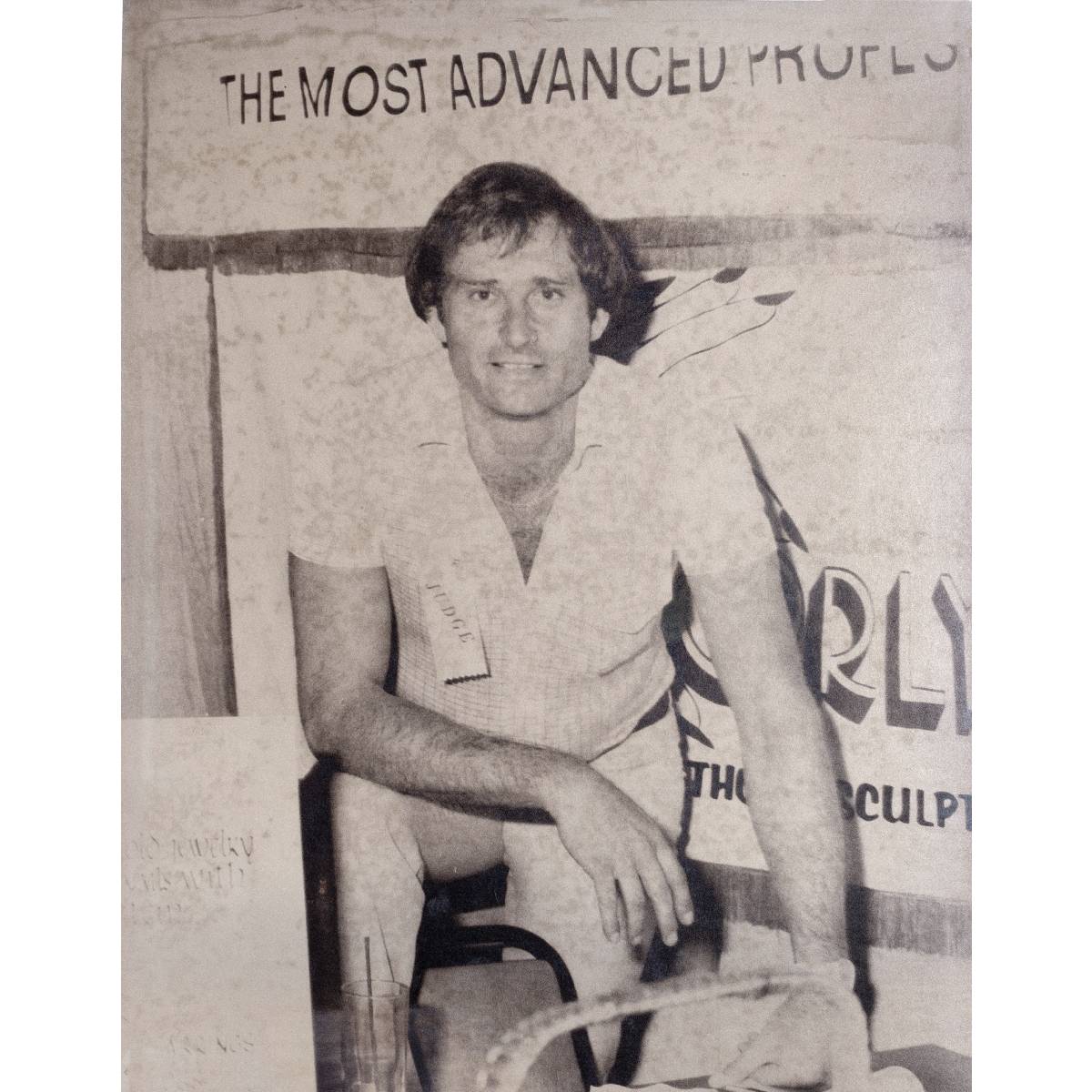
The year was 1976. Jeff Pink was already an established force within the Los Angeles professional beauty landscape, managing one of the city’s largest supply networks catering to high-end nail salons, major Hollywood movie studios, and independent cosmetic professionals.
At the time, the golden age of cinema and television production operated under breakneck schedules where time literally equated to thousands of dollars per minute. A major film director approached Pink with a persistent, highly disruptive logistical problem that was silently hemorrhaging studio budgets.
"Women’s nails often had to be repainted every time they changed wardrobes to match their dresses and accessories," Pink recalls, reflecting on the friction of mid-century filmmaking. "With traditional nail lacquer drying time taking up to an hour per application, it was slowing down production and costing the studios an immense amount of money."
The director laid down a challenge: Did the beauty supply mogul have a universal nail color or technique that could effortlessly match every outfit, eliminating the need for constant, time-consuming manicuring between wardrobe changes?
The Paris Fashion Week Epiphany
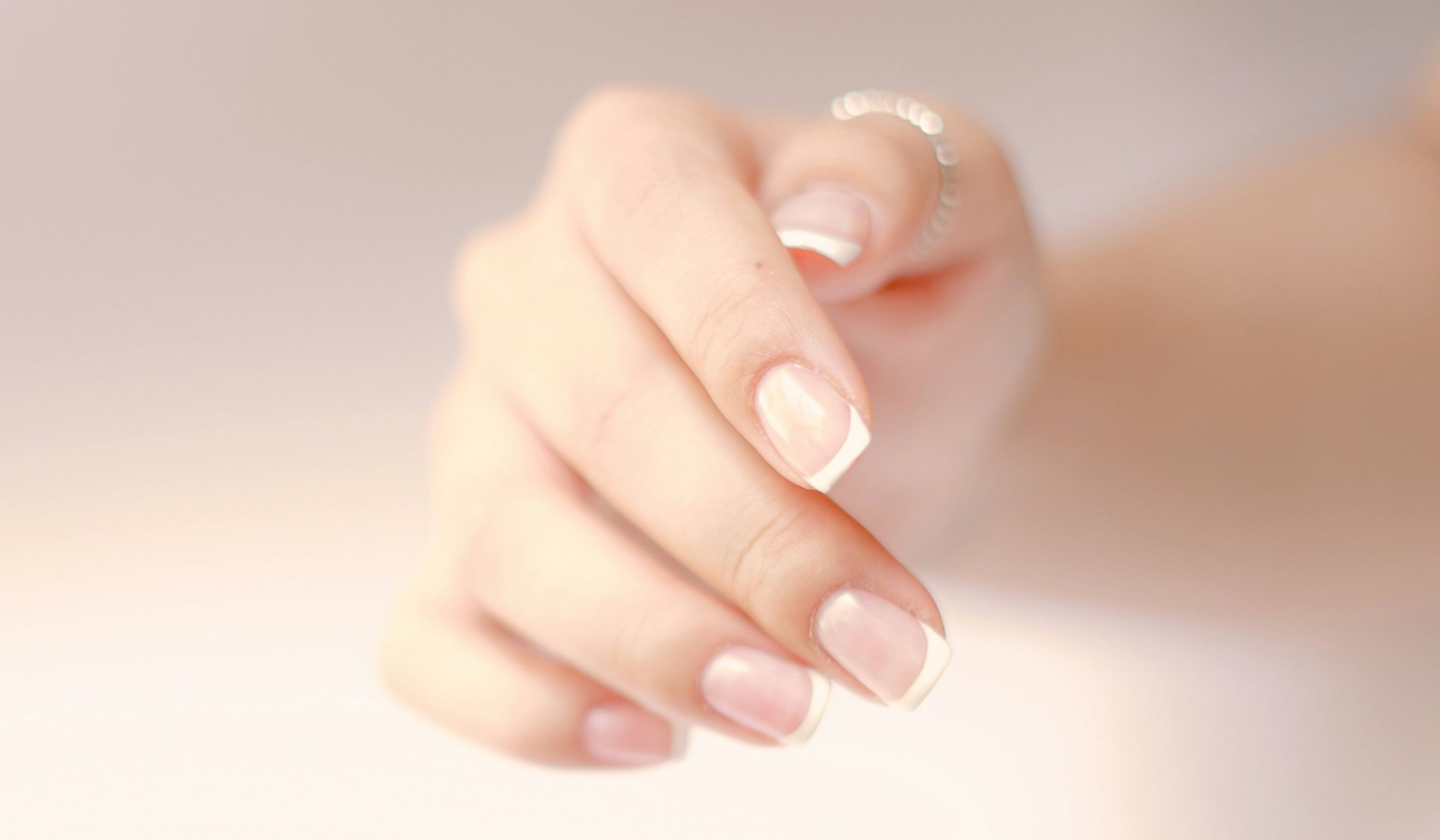
The solution did not arrive through rigorous chemical formulation in a laboratory, but rather through acute observation of international fashion trends. Pink had recently attended the Paris fashion collections, where he took note of an avant-garde styling trick utilized behind the scenes by runway makeup artists. Models were sweeping a specialized white pencil underneath the free edge of their natural nails.
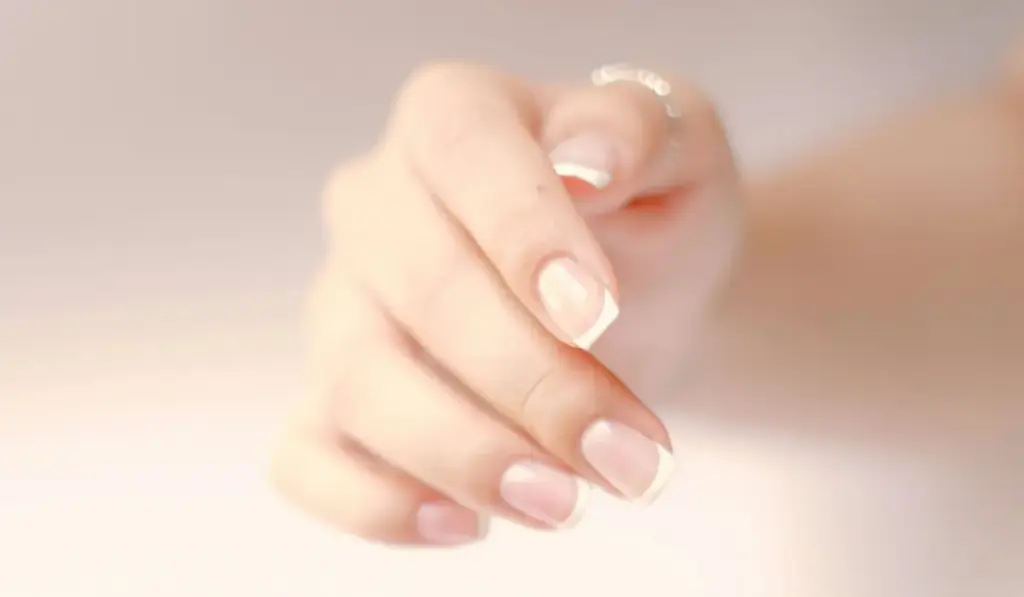
The optical illusion created an instantly cleaner, brighter, and exaggeratedly natural appearance. The nail bed looked healthy, and the stark white tip provided a crisp, polished finish that photographed remarkably well under harsh runway lights.
However, the technique was entirely unsuited for the grueling demands of both high-fashion catwalks and cinematic production sets. The chalky white pencil pigment wore off within hours—sweat, friction, and daily handling quickly degraded the effect.
"I thought, Why not create a polish that would give them that same look, but actually stay on?" Pink explains. "And that’s how the French manicure was born."
The Birth of a Hollywood Icon (With a Misleading Name)
Pink retreated to his formulation facilities and engineered a dual-system polish: a sheer, neutral base (typically a soft pink, beige, or nude) paired with an opaque, stark white lacquer designed specifically to trace the crescent moon of the nail tip.
Ironically, despite its iconic moniker, the French manicure possesses zero historic ties to France itself. The geographical label was born purely from the source of Pink’s initial inspiration—the Paris runway shows where he first observed the white-pencil illusion—rather than the location of its engineering.
"Despite the name, the French manicure was made in Hollywood, not France," Pink notes, wryly acknowledging a geographical misconception he has spent the better part of five decades correcting.
Supporting Context & Metrics: The Mechanics of Longevity
The Celebrity Catalyst
While the manicure solved Hollywood’s production bottlenecks, its transition from an industry insider secret to a household phenomenon was propelled by high-wattage celebrity endorsements that neither Pink nor ORLY paid for.
During the late 1970s and early 1980s, cultural titans Barbra Streisand and Cher appeared on major television talk shows sporting the stark, clean nail look. When curious late-night hosts and interviewers inevitably inquired about their immaculate nails, both stars enthusiastically described the look on air.
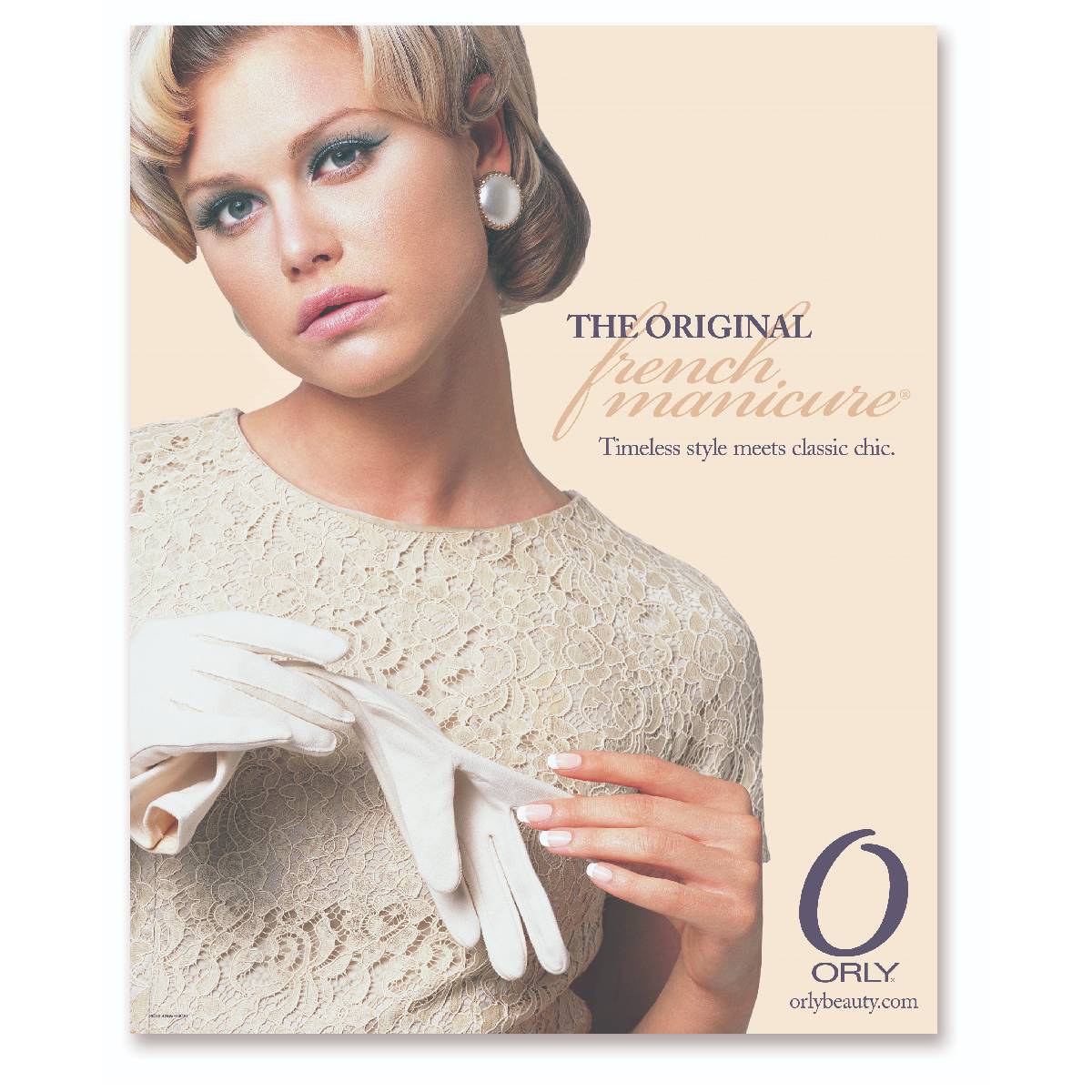
It is worth noting that the initial iteration worn by these early adopters bore little resemblance to the delicate, paper-thin "micro-French" styles popular today. The original white tips were significantly thicker, more graphic, and undeniably bold. Yet, this high-contrast geometry was precisely what allowed the trend to register clearly on standard-definition television screens of the era, instantly signaling a sleek, modern luxury to millions of viewers at home.
Evolution of the Kit and Category Expansion
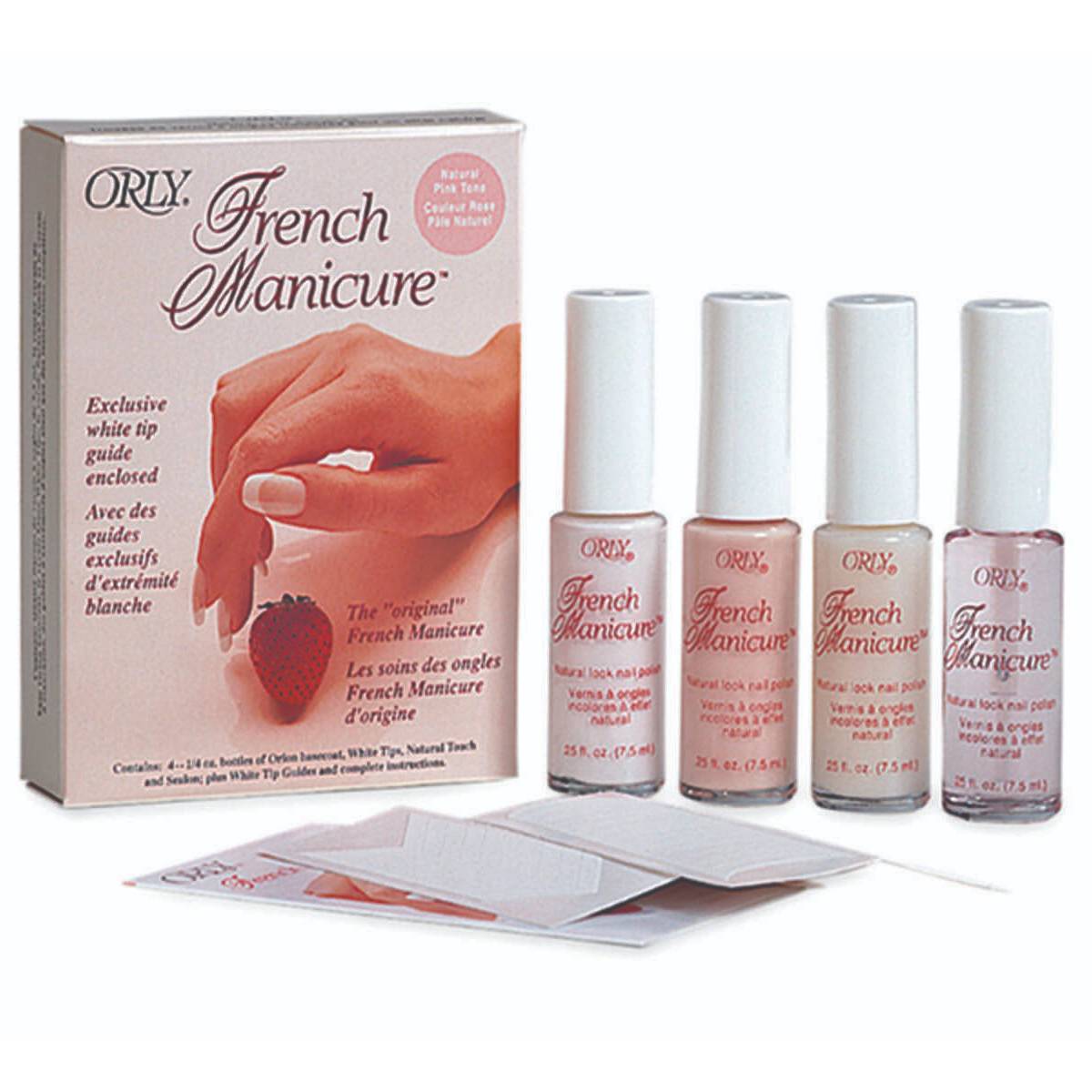
When ORLY first commercialized the look, the original French Manicure Kit was remarkably minimal by modern standards. It contained little more than a couple of bottles of polish, alongside a moon-shaped paper guide and a chevron guide designed to help unsteady hands paint a straight, symmetrical white smile line.
Over the subsequent decades, that modest two-piece starter kit expanded organically into an entire cosmetic category. Today, the market boasts endless variations: gel and acrylic French sets, press-on applications, colored tips (neon, metallic, and pastel), reverse French manicures, and micro-thin iterations.
[1976: The Production Fix]
       │
       ▼
[Late 70s/80s: Celebrity Endorsement (Cher & Barbra Streisand)]
       │
       ▼
[1980s–1990s: Mass Market Commercialization (ORLY Kits & Guides)]
       │
       ▼
[2000s–Present: Global Category Expansion (Gel, Color-Tips, & Micro-French)]
Why It Never Died Out
In the fast-paced ecosystem of beauty, trends typically experience a strict life cycle of rise, saturation, fatigue, and obsolescence. Yet, the French manicure has stubbornly refused to follow this trajectory.
According to beauty historians and industry analysts, the secret to its 50-year survival lies in its architectural minimalism. By mimicking and enhancing the natural anatomy of the human nail, the look achieves a rare visual neutrality. It operates as a blank canvas capable of absorbing infinite trend-based modifications without ever losing its foundational identity.
Official Statements and Institutional Preservation
To properly honor half a century of cultural dominance, the leadership at ORLY has structured a comprehensive preservation initiative. This multi-pronged campaign bridges corporate heritage with mainstream historical archiving.
"This anniversary is about preserving beauty history," states Tal Pink, Vice President of ORLY. "The French manicure is part of the broader story of American innovation, fashion, and culture. Our hope is to honor not only its origins, but also the artists, nail professionals, and consumers who have kept it relevant for 50 years."
The centerpiece of this campaign is the submission of the original $15 ORLY French Manicure Kit to the Smithsonian’s Personal Care and Cosmetics Collection. Inclusion in this prestigious national archive would officially enshrine the manicure alongside other transformative everyday inventions that permanently altered American lifestyle and grooming habits.
Simultaneously, the brand is mobilizing legal and public relations channels to petition for the formal establishment of a national French Manicure Day, ensuring that the date is permanently marked on the cultural calendar.
Reflecting on the staggering scale of his accidental invention, founder Jeff Pink remains profoundly humbled by its trajectory:
"What began as a simple solution for Hollywood became something far greater than I ever imagined," Pink reflects. "Seeing the French manicure embraced by generations of people around the world has been one of the greatest privileges of my career. Fifty years later, I’m humbled that it continues to inspire confidence, creativity, and timeless style."
Future Outlook: The Next Fifty Years of the French Tip
As the beauty industry looks toward the horizon, the French manicure shows zero signs of slowing down. Far from being relegated to nostalgic throwbacks or bridal traditions, the aesthetic continues to experience relentless reinvention at the hands of Gen Z creators, editorial nail artists, and global fashion houses.
Recent seasons at New York, Paris, Milan, and London Fashion Weeks have demonstrated the silhouette’s boundless adaptability. Designers have paired traditional sheer-and-white bases with avant-garde 3D chrome details, asymmetric slants, micro-edges, negative space cutouts, and jewel-encrusted borders.
By continuously absorbing new polymer technologies, gel innovations, and artistic interpretations, the French manicure has successfully transitioned from an analog Hollywood fix into a digitally native, endlessly customizable modern art form.
As ORLY prepares its high-profile activations for the upcoming New York Fashion Week and presses forward with its Smithsonian archive bid, one undeniable truth remains: Jeff Pink’s 1976 solution to a director’s scheduling headache has secured its immortality. Five decades in, the French manicure stands not merely as a trend, but as a permanent pillar of modern global aesthetics—a masterclass in how simplicity, utility, and timeless design can conquer the world.