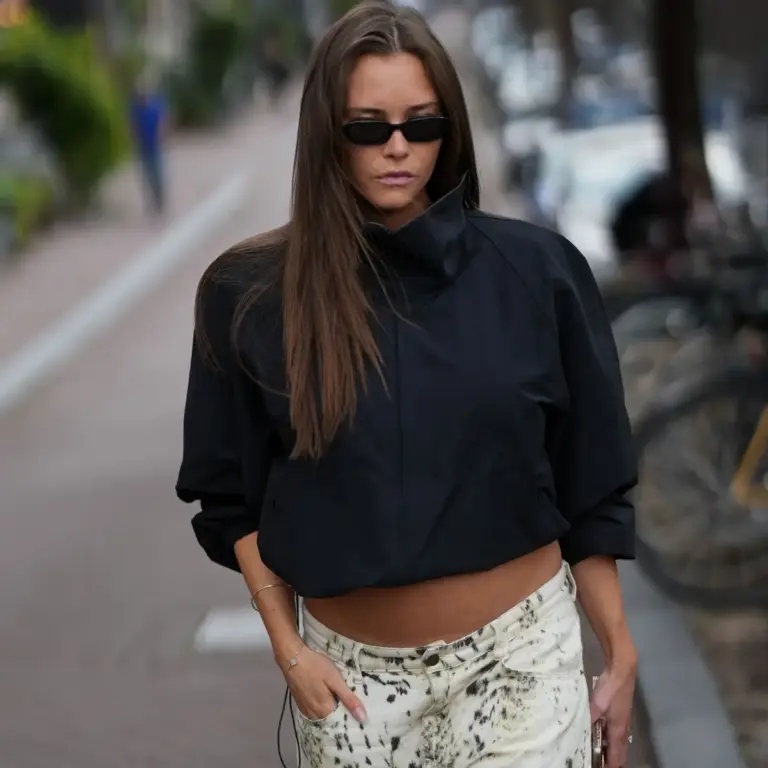
In the modern fashion landscape, the concept of minimalism is hardly revolutionary. For decades, muted color palettes, clean architectural lines, and unadorned silhouettes have anchored the wardrobes of discerning dressers worldwide. However, the intersection of understated luxury and genuine ecological innovation remains a largely uncharted territory. Enter The Park, a breakout circular fashion label founded by Sarah Bonello in 2024. The brand is capturing the attention of industry insiders, high-end retailers like Moda Operandi and Net-a-Porter, and A-list celebrities such as Angelina Jolie not merely for its aesthetic restraint, but for its radical material science.
The Park’s value proposition challenges the traditional foundations of ready-to-wear by transforming post-consumer garment waste and natural wood pulp into sleek, high-fashion staples. Imagine a sophisticated column dress crafted from biodegradable wood-pulp-infused fabrics or a tailored pencil skirt designed with the comfort of sleepwear, yet sharp enough for the boardroom.
This deep-dive investigation explores how The Park is navigating the shift toward circularity, examining the brand’s proprietary material partnerships, its philosophy on fluctuating body sizes, and the broader regulatory pressures facing the luxury apparel industry as it approaches a sustainable future.
Detailed Chronology: The Rise of The Park
2024: The Genesis of a Circular Vision
The foundation of The Park in 2024 marked a pivotal moment for founder Sarah Bonello. Drawing from her education at the esteemed Fashion Institute of Technology (FIT) and years of personal frustration with the rigid sizing and ephemeral trends of the contemporary market, Bonello envisioned a brand where sustainability was not an afterthought or a marketing gimmick, but the core structural framework.
Rather than working backward from established manufacturing pipelines—which heavily rely on virgin synthetics and environmentally taxing chemical treatments—Bonello built The Park from the ground up around circular principles. Every garment is engineered to either minimize waste entirely or integrate recycled components that can eventually re-enter the production cycle.
Early Adoption and Celebrity Endorsement
Within a remarkably short window, The Park transitioned from an avant-garde concept to a darling of the luxury sector. The brand secured coveted shelf space in premier digital and brick-and-mortar luxury destinations, including Moda Operandi and Net-a-Porter.
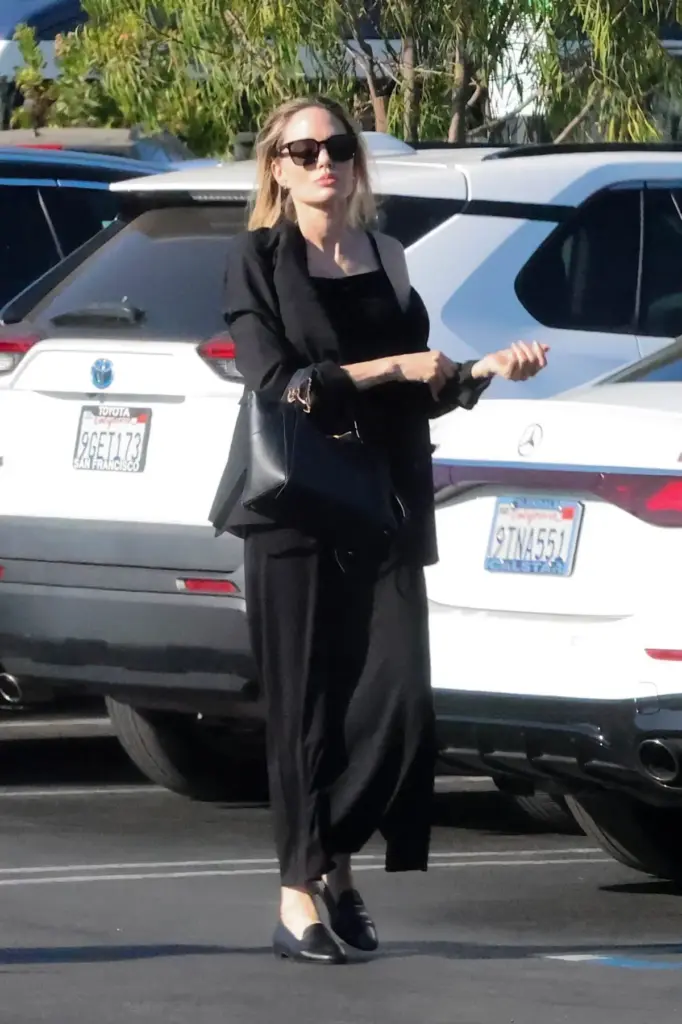
The turning point for mainstream visibility came when cultural icons and Hollywood royalty, most notably Angelina Jolie, were spotted incorporating pieces like the Alexandra dress into their daily wardrobes. The alignment of quiet luxury with effortless sustainability struck a chord with consumers who demand both high-end execution and ethical accountability. By mid-2024, fashion editors and stylists were utilizing the brand’s versatile separates as the ultimate "one-and-done" uniform for transitional dressing.
Supporting Context & Metrics: The Science of Sustainable Luxury
The true ingenuity of The Park lies beneath the surface, embedded within its textile sourcing. Partnering with cutting-edge material developers like the Madrid-based textile innovator Pyratex, the brand utilizes fabrics that break away from conventional petroleum-based synthetics.
Material Breakdown
Power 3: A fully biodegradable fabric infused with natural wood pulp (derived from eucalyptus, spruce, and pine trees). It is cool to the touch, highly breathable, and acts as a natural moisture absorber—pulling sweat away from the body while keeping the skin dry. The Alexandra dress and Josie leggings are flagship examples of this technology.
Rewear: A circular textile engineered by tapping directly into cotton-based clothing waste, resulting in a soft, jersey-like structure that mimics the comfort of well-worn heritage pieces without compromising on structural integrity.
Act 169: A high-performance alternative to traditional virgin polyester. Crafted from recycled plastic bottles and blended with elastane, this fabric offers structural flexibility designed to move, stretch, and adapt to the human form.
Pricing and Accessibility
Positioned firmly in the contemporary luxury bracket, The Park’s pricing reflects the high cost of innovative textile engineering and ethical labor practices:
Entry-Level Essentials: Lightweight tanks and basic tees start at approximately $135 to $275.
Core Separates and Dresses: Mid-tier items, including skirts, trousers, and slip dresses, range from $375 to $650.
Investment Outerwear and Gowns: Heavy-duty knitwear, tailored bombers, and formal evening gowns scale up to $995.
Designing for the Evolving Body
A cornerstone of The Park’s design philosophy is its empathy toward the human body. Traditional luxury often demands static sizing, penalizing wearers for natural weight fluctuations, hormonal shifts, or post-meal changes. Bonello has openly rejected this paradigm.
"From one day to the next, my body changes. That 26-inch jean that fit yesterday might not fit tomorrow," Bonello explains. "That medium might need to be large after I [eat]. I don’t want my girl to have to think about that, because I don’t want to think about that. I’ve spent so many days in my closet taking three hours to try and find the pair of pants I want to wear that day. Now … I just go and put on my Tessa pants and know I’m good to go."
Official Statements and Industry Insights
The transition toward circular fashion is not without its systemic challenges. Throughout the broader fashion industry, legacy houses often cite prohibitive costs as the primary barrier to adopting sustainable frameworks. However, industry leaders argue that these financial calculations fail to account for externalities.
Regina Polanco, CEO and founder of Pyratex—the textile house responsible for supplying innovative materials to luxury giants like Dior, Loewe (known for their viral t-shirt made from recycled orange peels and pulp), and The Park—sheds light on the economic illusion of conventional manufacturing.
"A lot of synthetic and conventional materials [may] look competitively priced today, but that price doesn’t reflect the real cost of how they’re made, nor the broader impact they can have on people and the environment," says Polanco.
Polanco emphasizes that the fashion industry is on the precipice of a legislative reckoning driven by governmental policy rather than voluntary corporate goodwill:
"What’s shifting now is regulation. Upcoming EU frameworks around traceability, chemical use, and extended producer responsibility mean a lot of what’s currently on the market simply won’t be legal to sell in a few years."
In this shifting regulatory environment, brands built natively on circularity possess a distinct competitive advantage. Polanco notes, "The Park is actually a great example of the kind of brand that will endure, one that understands innovation isn’t a risk; it’s part of who they are."
Future Outlook: The Next Era of Conscious Design
As The Park looks toward upcoming seasonal collections, its foundational aesthetic remains steadfastly committed to timelessness. While seasonal colorways occasionally introduce rich accents like dark wine red, the core palette relies on understated neutrals—black, cream, navy, and deep chocolate brown.
Bonello’s education at the Fashion Institute of Technology instilled a deep appreciation for color theory, but her commercial vision prioritizes longevity over trend-chasing. "The black dress that you’re gonna have for the next 20 years—it’s never going to go out of style if it’s the right silhouette in the right color," she notes.
Challenges and Opportunities Ahead
Scaling Circular Supply Chains: As demand surges, sourcing post-consumer textile waste and specialized wood-pulp fibers at scale will test The Park’s operational capacity.
Consumer Education: Bridging the gap between luxury price points and circular material science remains vital. Buyers must understand that paying $400 for a dress made from recycled fibers is an investment in planetary longevity and superior material performance.
Regulatory Compliance: With tightening global mandates on supply chain transparency, brands like The Park are poised to serve as blueprints for how heritage luxury houses must adapt to survive the next decade.
Ultimately, The Park proves that sustainability and high fashion do not need to exist in opposition. By prioritizing tactile comfort, emotional longevity, and radical material innovation, the brand is setting a new benchmark for what it means to dress well—and responsibly—in the twenty-first century.
Why trust Harper’s Bazaar?
For more than 150 years, Harper’s Bazaar has been the preeminent fashion, beauty, and lifestyle resource for women at every age. We cover what’s new and what’s next in fashion by working with the world’s leading authorities in ready-to-wear, footwear, accessories, and more. Every story we publish has been thoroughly researched and vetted by our team of editors and industry experts to ensure uncompromised journalistic integrity and editorial excellence.