Executive Overview
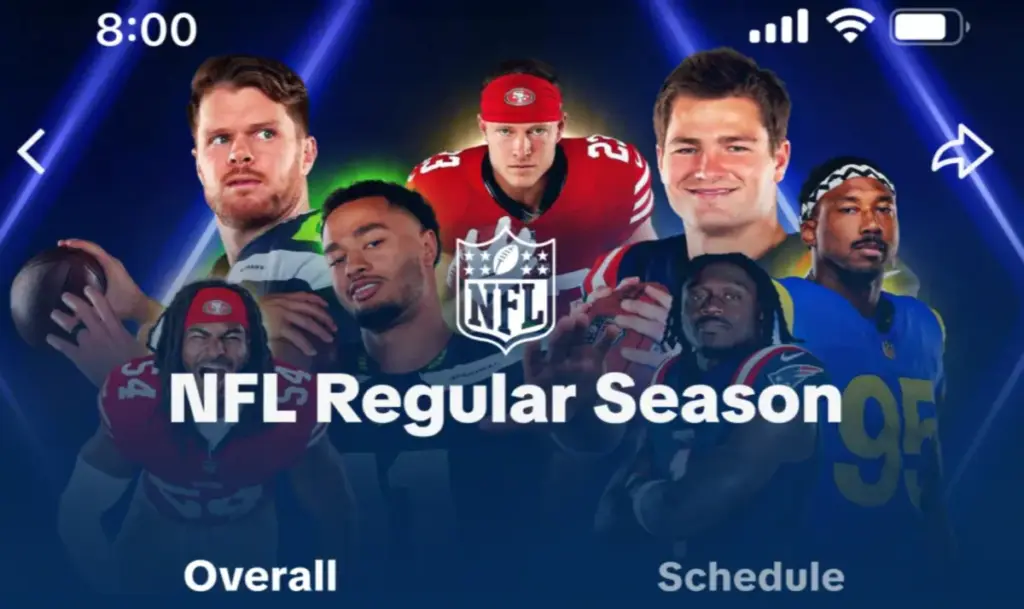
As the sports media landscape continues its aggressive migration from traditional linear television to digital-first ecosystems, short-form video juggernaut TikTok has secured its turf against fierce competition. Just days before the kickoff of the 2026 NFL season, TikTok announced a high-stakes, multiyear renewal of its partnership with the most-watched sports league in the United States.
The renewed alliance ensures that professional football will permeate every corner of the U.S. version of the platform in the coming months. For hundreds of millions of users, the app will serve as an indispensable second-screen companion, offering instant access to jaw-dropping highlights, unfiltered player interviews, and deep-cut archival footage.
However, this agreement is far more than a simple content-sharing arrangement. It represents a strategic fortification of territory in an escalating war for digital sports dominance. With tech rivals like YouTube steadily encroaching on traditional broadcast turf—securing crown jewels like the NFL Sunday Ticket and live-game streaming rights—TikTok is fighting to maintain its status as the premier cultural heartbeat of modern sports fandom.
To achieve this, the short-form video giant is deploying an arsenal of advanced monetization, community, and marketing tools. By integrating the NFL into specialized ecosystem products such as TikTok GamePlan, TikTok Pro Events, and Pulse Premiere, TikTok is attempting to seamlessly bridge the gap between passive sports consumption and active, community-driven digital participation.
Detailed Chronology: The Evolution of a Digital Alliance
The synergy between the National Football League and TikTok is not a sudden development born of opportunistic corporate strategy; rather, it is the product of nearly a decade of trial, error, and cultural integration.
The 2010s: Early Experiments and Platform Maturation
The foundational relationship between the two entities dates back to the late 2010s, a period when TikTok was rapidly transitioning from a nascent lip-syncing app known as Musical.ly into a global cultural phenomenon. Recognizing the shifting demographics of their audience—specifically the necessity of capturing Gen Z and younger millennial consumers—the NFL was among the first legacy sports leagues to establish a formal footprint on the platform. Early activations relied heavily on behind-the-scenes content and early influencer partnerships, establishing a tone that prioritized casual authenticity over polished corporate messaging.
2024–2025: Mainstream Convergence and Competitive Tensions
By the 2024 season, the integration of TikTok and professional football had broken through the barrier separating digital feeds from living room televisions. In a watershed moment for sports broadcasting, TikTok creators were formally integrated into NBC Sports’ live NFL game broadcasts, signaling to traditional media executives that digital-native influencers held tangible broadcast value.
Yet, this period also marked the beginning of heightened territorial friction. While TikTok was cementing its status as a cultural hub for memes and highlights, YouTube—backed by Alphabet’s immense infrastructure—was making multi-billion-dollar plays for live sports distribution. YouTube captured the massive NFL Sunday Ticket package, began streaming live games, and steadily absorbed the live-viewing habits of millions of football fans.
The rivalry spilled over into physical and cultural spaces when YouTube supplanted TikTok as the official sponsor of the Super Bowl’s massive tailgate concert, headlined by Post Malone. This maneuver underscored a stark reality for TikTok leadership: capturing cultural engagement via short-form video was no longer enough; the platform had to aggressively defend its brand positioning against aggressive competitors offering full-scale live streaming and major physical sponsorships.
The 2026 Renewal: A Comprehensive Ecosystem Integration
Entering the 2026 NFL docket, the renewed partnership arrives as a calculated counter-offensive. The NFL’s content will be aggressively distributed across nine distinct, highly curated accounts, anchored by a flagship hub boasting more than 20 million followers. Rather than relying solely on organic discovery, this new phase leverages proprietary TikTok products designed to lock in sports organizations, streamline brand partnerships, and immerse global audiences directly into the game-day experience.
Supporting Context & Metrics: The High-Stakes Battleground
To understand why TikTok is doubling down on its NFL partnership, one must examine the broader economic and traffic incentives driving both platforms. Alphabet’s financial disclosures throughout 2026 have repeatedly highlighted how YouTube’s aggressive expansion into live sports acts as a powerhouse for both top-line revenue and long-duration streaming traffic. As traditional television ratings fluctuate, platforms that can command live sports eyeballs command the most lucrative advertising dollars.
TikTok, heavily reliant on swift ad formats and user-generated engagement loops, faces unique pressures. While its reach is undeniable, it must prove to sports leagues and blue-chip advertisers that short-form ecosystems can drive measurable tune-in metrics for live linear and streaming broadcasts, rather than merely cannibalizing attention.
The platform’s playbook, however, is heavily supported by recent historic successes. Earlier in 2026, TikTok’s comprehensive coverage of the FIFA World Cup shattered engagement metrics, pulling in more than 24 billion official content views globally. That milestone cemented the platform’s viability as a mainstream sports destination on par with traditional broadcast networks.
However, football operates on a different temporal scale. Unlike a compressed tournament like the World Cup, the NFL is a grueling, multi-month cultural marathon that dominates the American media landscape from late summer through early February. Translating the success of a global soccer tournament into a localized, weekly gridiron juggernaut requires precise technological scaffolding.
To that end, TikTok has rolled out three core product pillars to support the NFL partnership for the 2026 season:
- TikTok GamePlan: A specialized advisory and activation suite designed specifically for major sports organizations, leagues, and rights-holders. GamePlan provides the NFL with institutional guidance on how to optimize algorithmic discovery, leverage trending audio, and structure short-form video campaigns that turn casual scrollers into dedicated viewers.
- TikTok Pro Events: Originally stress-tested during the FIFA World Cup, this community hub acts as a centralized digital stadium. It aggregates real-time reactions, expert analysis, and interactive features, bringing fans closer to the live action without requiring them to leave the app interface.
- Pulse Premiere: A high-end contextual advertising product heavily promoted during TikTok’s 2026 NewFronts presentations. Pulse Premiere pairs premium brands directly alongside verified, high-performing NFL content, ensuring that corporate sponsors can align themselves with the league’s most viral moments safely and effectively.
Official Statements
The partnership underscores a shared vision of modern fandom, where the boundary between watching a game and participating in its surrounding digital culture has entirely dissolved.
Rollo Goldstaub, TikTok’s Global Head of Sport, emphasized the evolving nature of football culture in a statement accompanying the partnership renewal:
"The NFL isn’t just a sport, it’s a year-round way of life where fandom thrives through game-day highlights, daily trends, and player personalities. By pairing the NFL’s thrilling moments with TikTok’s global reach, we’re helping the league unlock brand-new audiences while giving lifelong fans deeper access to the game. And with TikTok GamePlan, we’ve created a dedicated space that fuels discovery, transforms how football is experienced, and drives tune-in throughout the season."
League executives have similarly echoed these sentiments, recognizing that the long-term health of the sport depends heavily on meeting younger demographics where they spend the vast majority of their media consumption hours. By maintaining a robust presence across TikTok’s algorithmic ecosystem, the NFL ensures that its product remains culturally inescapable.
Future Outlook: The Next Frontier of Sports Media
As the 2026 NFL season unfolds, this renewed partnership will serve as a critical stress test for the future of digital sports consumption. The core question facing media analysts is no longer whether social platforms can co-exist with traditional broadcasters, but rather how deeply they can integrate into the economic engine of live sports.
With YouTube controlling major broadcast packages and linear television fighting to retain older demographics, TikTok’s strategy relies entirely on mastering the top of the sports marketing funnel. If tools like GamePlan and Pro Events successfully drive measurable tune-in metrics to live broadcasts while retaining record-breaking in-app engagement, it will validate TikTok’s model against its rivals.
Ultimately, the battle for the future of football is being fought not just on the 50-yard line, but within the parameters of the digital feed. For TikTok, the 2026 NFL season is more than a content renewal—it is a definitive declaration that the world’s most popular sport and the world’s most powerful algorithm are inextricably linked for the foreseeable future.