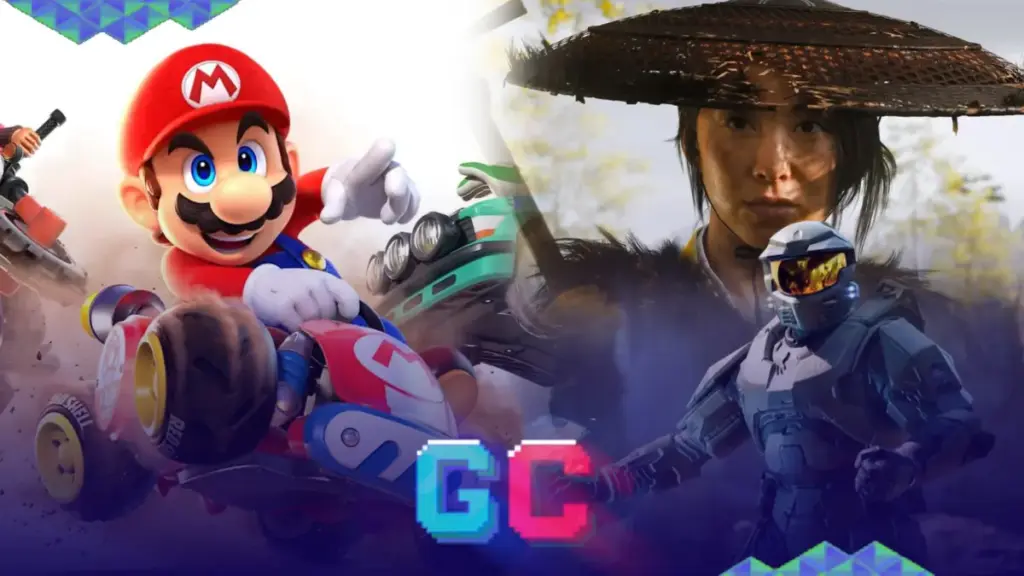
The video game landscape in late 2026 is defined by a fascinating paradox. On one hand, the industry is witnessing an unprecedented push into cutting-edge photorealism, massive open worlds, and technological ceilings being shattered by generational blockbusters like Rockstar Games’ Grand Theft Auto 6. On the other hand, a powerful counter-movement is taking shape: a passionate, hardware-driven revival of retro gaming, physical media preservation, and a renewed appreciation for retro-styled design.
This tension forms the core of the latest discourse within the global gaming community. From the opening of dedicated brick-and-mortar vintage shops in the UK to fierce debates over platform ecosystems, Capcom’s blistering development streak, and persistent questions surrounding Nintendo’s secretive release strategy, players are increasingly looking both backward and forward. This report synthesizes the primary topics currently dominating player discussions, expert analyses, and industry trends.
Detailed Chronology: Key Developments Driving the Debate
1. The Brick-and-Mortar Retro Renaissance
The physical preservation of gaming history achieved a major milestone with the confirmation that high-street retailer CeX is launching its first dedicated retro store in Birmingham. For veteran players, this move signals a shift from purely digital marketplaces to tangible, physical collecting.
Commentators within the community have noted that modern retro collecting is no longer just about nostalgia; it is about authentic hardware preservation. While digital emulators and ports offer convenience, they often fail to capture the original sensory experience of interacting with legacy hardware, CRT displays, and original cartridges. With major console manufacturers gradually shifting focus away from physical media, enthusiasts are accelerating their pivot toward hardware-level retro preservation.
2. Capcom’s Relentless Release Cadence and 2027 Outlook
Publisher Capcom continues to dominate release schedules, maintaining an enviable hot streak that has kept fans and critics alike on high alert. Following the critical success of Onimusha: Way Of The Sword—which was strategically moved forward to avoid the late-month release congestion—attention has instantly pivoted to what the developer has planned for 2027.
While 2026 served as a banner year for the publisher, the 2027 pipeline currently leans heavily on legacy revivals and expansions. Confirmed and heavily rumored titles include:
Okami 2 (In development, though without a firm launch window)
Industry analysts note that Capcom’s confidence in reviving dormant intellectual properties like Onimusha directly paves the way for deeper dives into its expansive historical catalog.
3. Grand Theft Auto 6 and Ecosystem Anxiety
As the industry counts down to the mid-November release of Grand Theft Auto 6, consumer anxiety and excitement have reached a fever pitch. Extended media showcases—including promotional alignments with platforms like Netflix—have given players deep dives into the game’s simulated world, advanced police AI, intricate relationship mechanics between protagonists Jason and Lucia, and unprecedented open-world density.
However, this anticipation has triggered complex purchasing dilemmas for multi-platform owners. A prominent debate among mature gamers with limited leisure time centers on platform selection between the PlayStation 5 and Xbox Series X. While Sony has secured prominent marketing partnerships for the title, platform longevity and ecosystem stability have become hot topics of discussion among consumers mapping out their gaming habits for the next decade.
Supporting Context & Metrics: Consumer Trends and Industry Shifts
To fully understand the current pulse of the video game industry, several underlying metrics and consumer behavioral shifts must be examined:
The Physical vs. Digital Divide: Despite publishers pushing digital-only distribution models, secondary market prices for physical retro cartridges and discs continue to appreciate. Consumer demand for physical ownership has transformed retro collecting from a niche hobby into a mainstream asset class.
Platform Loyalty Realignment: With hardware sales plateauing across certain traditional markets, software attach rates for generational tentpoles like GTA 6 are expected to break historical records, disproportionately driving hardware upgrades and digital currency voucher sales (such as discounted PSN credit promotions).
The Remake Economy: Publishers are increasingly relying on high-end remakes and legacy revivals (Resident Evil, Silent Hill, Metal Gear Solid) to mitigate the ballooning development costs and multi-year production cycles of brand-new intellectual properties.
Official Statements and Community Discourse
The vibrant exchange of ideas within the community highlights a deep-seated passion for the medium. Below is a summary of key viewpoints articulated by players and industry commentators:
On Retro Preservation and Hardware Authenticity
"Playing a retro game is only part of the equation… it’s the fact that you’re experiencing the game as it was, not a replica. With the death of physical media, it’s making me want to go retro-only."
— Bonce, Reader Contributor
On Capcom’s Trajectory
"If Onimusha is a success that’s got to give them confidence for even more revivals. Apart from Resident Evil Veronica there isn’t much so far, just the Monster Hunter Wilds: Ascendance expansion and Mega Man: Dual Override."
— Janson & GameCentral Analysis
On the GTA 6 Platform Dilemma
"The main problem with getting the Xbox version is that GTA 6 is likely a game you’ll be playing for the next decade, but we’d be less confident of Microsoft remaining in the games business for that long—which creates problems with being part of that ecosystem."
— GameCentral Editorial Response to Rob Lilley
Future Outlook: What Lies Ahead for Gamers
As the industry navigates the final stretch of 2026 and looks toward the horizon of 2027, several key trajectories are emerging:
Hardware Maturation: The current console generation is reaching its technological maturity. Developers are squeezing unprecedented fidelity out of current-tier hardware, making titles like GTA 6 benchmark releases that will define technical standards for years to come.
The Expansion of Preservation Culture: As traditional retailers adapt to shrinking physical footprints, specialized secondhand markets and independent preservationists will play an increasingly vital role in maintaining gaming heritage.
Strategic Publisher Focus: Mega-publishers like Capcom and Nintendo will continue to balance high-risk new intellectual properties with calculated, nostalgia-driven revivals to satisfy an aging, highly dedicated core demographic of gamers.
Ultimately, whether players are dusting off legacy hardware to experience games in their original form or preparing to dive into the most advanced open-world simulation ever created, the passion driving the gaming community remains stronger and more diverse than ever.