Executive Overview
For nearly six decades, NBC and Peacock’s flagship daytime drama Days of Our Lives has remained a cornerstone of American television culture. Set in the fictional Midwestern town of Salem, the series has continuously reinvented itself to capture the shifting paradigms of serialized storytelling. Among its most enduring narrative traditions—and perhaps its most fascinating meta-textual phenomena—is the practice of bringing familiar actors back to the canvas in entirely new roles.
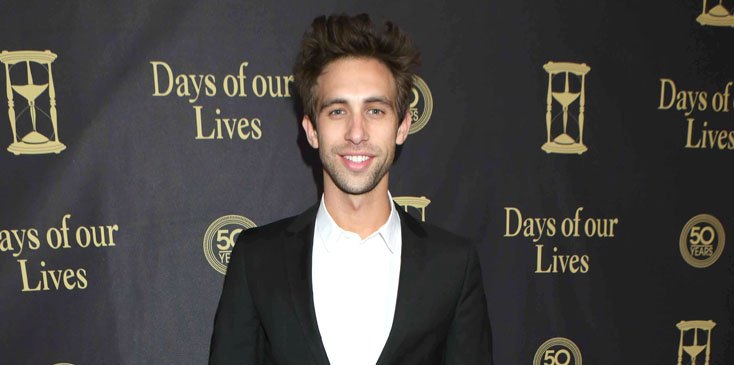
This creative strategy has recently been thrust back into the spotlight with the official announcement that Brandon Butler has joined the cast as Mason Whitfield. For longtime viewers, Butler is immediately recognizable as a former iteration of Zack Brady. His return highlights a time-honored soap opera convention: recycling cherished performers to breathe life into fresh characters. This article provides an in-depth investigation into this phenomenon, exploring how Days of Our Lives has historically utilized veteran talent to anchor new storylines, examining the psychological and narrative impact on the audience, and contextualizing these casting choices within the broader economics and production cycles of modern daytime television.
Detailed Chronology and Historical Context
To understand the weight of Brandon Butler’s return as Mason Whitfield, one must trace the rich historical tapestry of Days of Our Lives. Soap operas operate under unique constraints and freedoms compared to primetime television or streaming limited series. With an uninterrupted production schedule spanning decades, networks and casting directors often face the challenge of maintaining continuity while injecting fresh creative energy into aging or expanding fictional dynasties.
Historically, recasting an existing role—swapping one actor for another to play the same character—carries its own set of audience hurdles. However, bringing an actor back to play a completely different character is an entirely different artistic gamble. It requires both the performer and the viewing public to suspend disbelief, pivoting away from established emotional memory to embrace a brand-new persona within the same familiar fictional universe.

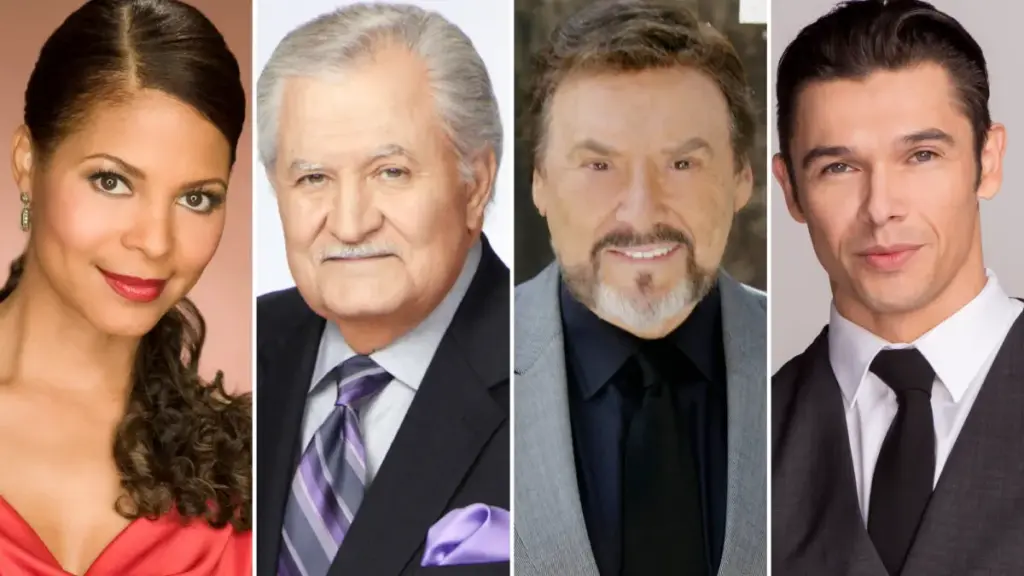
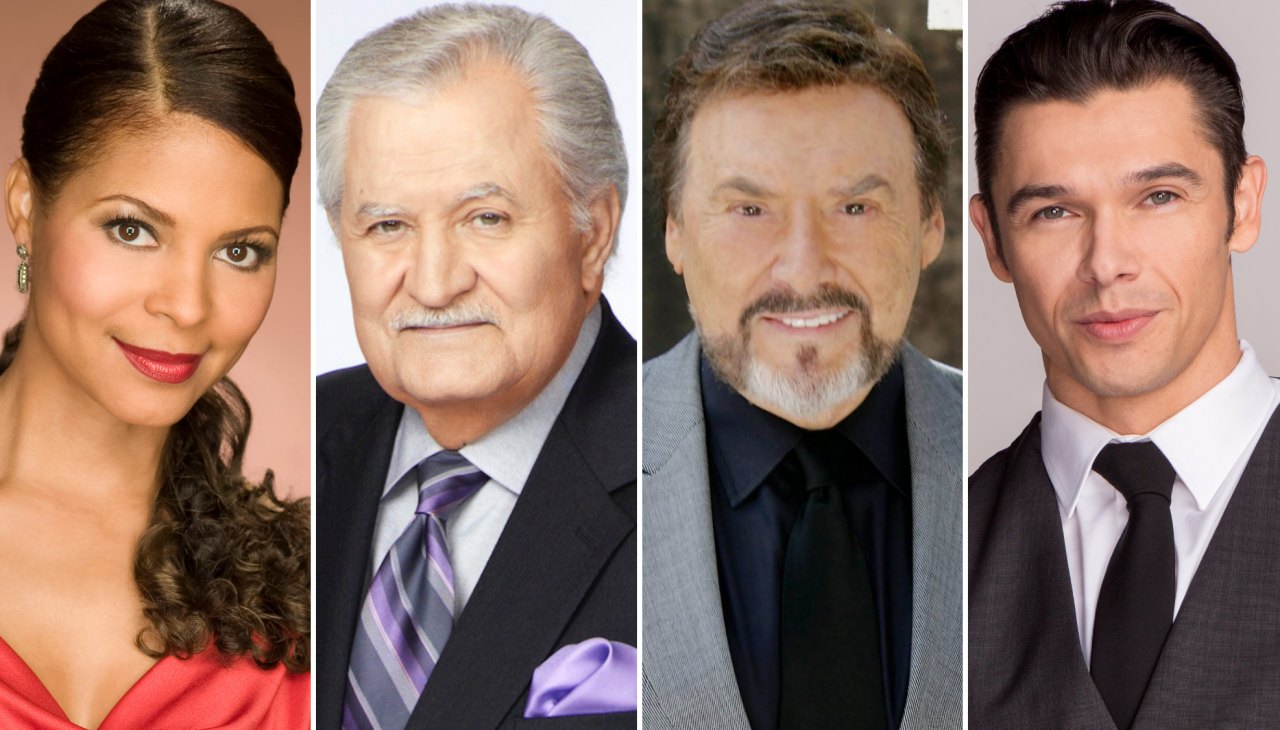
Over the years, Salem has welcomed back some of its most iconic names in entirely unexpected capacities. Icons such as the late John Aniston, who forever defined the tyrannical yet deeply layered patriarch Victor Kiriakis, actually trod different paths in daytime prior to anchoring the Kiriakis empire. Similarly, the legendary Joseph Mascolo—indelibly etched into television history as the ultimate villain, Stefano DiMera—brought a commanding presence that transcended simple archetype villainy, a mastery he developed through decades of dynamic character work.
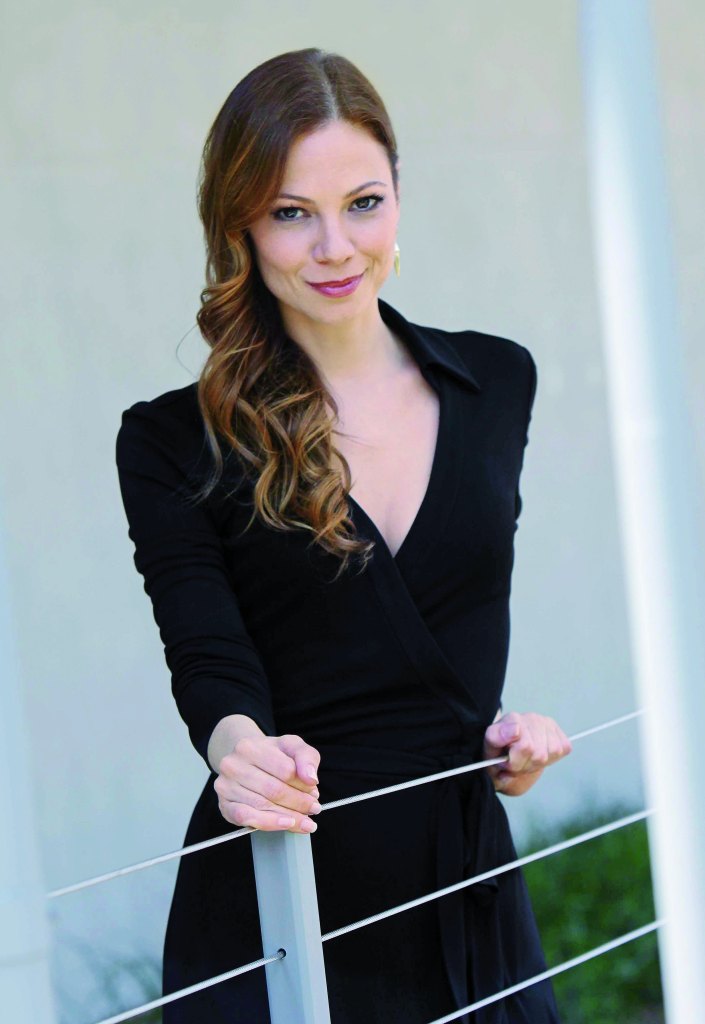
The tradition extends deep into the roster of Daytime Emmy winners who have shaped Salem’s modern era. Performers like Tamara Braun, celebrated for her blistering and emotionally complex portrayal of Ava Vitali, and Paul Telfer, whose charismatic, multi-dimensional rendering of Xander Cook has made him a fan favorite, demonstrate the sheer versatility required to survive and thrive in the fast-paced ecosystem of daytime serials. When actors of this caliber are woven back into the fabric of the show under new identities, it serves as a testament to their enduring appeal and the writers’ desire to maximize proven on-screen chemistry.
[Actor Initial Run / Character A]
       │
       ▼ (Production Gap / Hiatus)
       │
       ▼
[Actor Return / Character B (New Persona)]
       │
       ▼
[Audience Re-engagement & Narrative Expansion]
Supporting Context & Metrics: The Mechanics of Daytime Recasting
The phenomenon of actors returning to the same soap opera in new roles is not merely a whimsical casting choice; it is a calculated structural strategy deeply rooted in production metrics, audience psychology, and talent retention.
1. Risk Mitigation and Brand Loyalty
In the television industry, viewer acquisition costs are notoriously high. When a long-running series like Days of Our Lives introduces a major new character—such as Brandon Butler’s Mason Whitfield—it runs the risk of audience friction. Viewers can be resistant to outsiders taking up significant screen time at the expense of legacy characters. By casting an actor who is already beloved by the fanbase—someone who has historical equity with the audience from a previous tenure—the production instantly bridges the trust gap. Fans of Butler’s previous work as Zack Brady are naturally inclined to tune in and give his new character a fair chance.
2. The Economics of Talent Retention
Daytime drama production operates under grueling timelines, often shooting an entire episode’s worth of material in a single day. Producers need actors who can memorize massive blocks of dialogue, hit their marks flawlessly, and deliver emotionally resonant performances under immense time pressure. Retaining a pool of trusted actors who understand the unique rhythm of the Salem soundstage minimizes onboarding friction. When an actor who left the show becomes available, bringing them back in a fresh role is often more economically and creatively efficient than scouring the market for an unknown quantity.
3. Fan Engagement and Meta-Narrative Joy
Modern soap opera fandom exists in a hybrid space of traditional viewing and hyper-engaged digital community discussion. Social media platforms, fan forums, and dedicated news outlets buzz with speculation whenever a familiar face is announced to be returning to Salem. This meta-narrative layer—where fans consciously acknowledge an actor’s past role while evaluating their performance in the current one—drives online engagement, spikes social media metrics, and generates sustained chatter that keeps the show relevant in contemporary media discourse.
Official Statements and Industry Insights
The inner workings of daytime casting decisions are rarely laid bare, but executive producers, casting directors, and the actors themselves have frequently spoken about the delicate art of reintroducing familiar faces to the canvas.
Casting executives in the genre have long emphasized that chemistry and adaptability outweigh strict continuity concerns. In interviews discussing major casting overhauls and legacy returns, production teams have noted that once an actor proves they can capture the specific "tone" of Salem—a blend of high melodrama, grounded emotional stakes, and heightened reality—they become invaluable assets to the show’s narrative architecture.
Actors who have transitioned between multiple roles within the same show often speak of the surreal nature of the experience. Stepping back onto the exact same soundstages, interacting with the same crew members, and working alongside familiar co-stars—all while wearing a completely different psychological skin—requires a unique brand of professional dexterity. Performers have noted that while the physical environment is comforting and deeply nostalgic, the creative challenge lies in ensuring that the new character does not bleed into the mannerisms or vocal patterns of their previous Salem counterpart.
Industry analysts point out that as the television landscape has contracted—with the mass migration of traditional broadcast dramas to streaming platforms like Peacock—the preservation of institutional memory among cast and crew has become vital. Actors who understand the historical weight of Days of Our Lives help maintain the show’s distinct identity during transitional phases.
Future Outlook: What Brandon Butler’s Arrival Signals for Salem
As Days of Our Lives looks toward the horizon, the introduction of Brandon Butler as Mason Whitfield serves as a fascinating case study for where the genre is heading. The television industry continues to grapple with fragmentation, shifting demographics, and evolving viewer habits. In this environment, heritage brands must balance the comfort of nostalgia with the necessity of narrative innovation.
The casting of Butler suggests several key takeaways for the future of the series:
- Deepening the Generational Bench: By welcoming back actors who grew up on the show or established themselves in earlier eras, Days of Our Lives successfully bridges generational divides, appealing to both veteran viewers and younger demographics who follow these actors across various projects.
- Dynamic Character Architecture: Mason Whitfield enters Salem at a time when narrative boundaries are constantly being pushed. The integration of a fresh face played by a familiar talent allows the writing room to craft complex, morally ambiguous storylines without alienating the core audience.
- The Enduring Power of the Salem Universe: The willingness of actors to return to the show in new capacities highlights the unique loyalty inspired by the production. Unlike closed-ended streaming series where actors move on permanently, the sprawling, open-ended nature of Days of Our Lives creates a living theatrical company atmosphere—one where performers can exit, grow, and return to the fold years later to begin entirely new chapters.
Ultimately, the tradition of reinvention remains the lifeblood of Salem. Whether through legendary pillars of the past or returning favorites stepping into fresh roles, Days of Our Lives continues to prove that in the world of daytime drama, nobody ever truly leaves town—they merely wait for their next grand entrance.