For years, the cardiovascular release of running served as my ultimate fitness sanctuary. The formula was simple, frictionless, and deeply satisfying: lace up a pair of running shoes, step out the front door, and let the rhythmic pounding of pavement flush out the static of a demanding routine. It offered an instant endorphin rush—a solo pursuit of clarity that required nothing more than gravity, momentum, and breath. Stretch-based training, mobility work, and the calculated, low-impact burns of studio fitness were frequently sidelined, dismissed as secondary supplements to my high-output cardio lifestyle.
Yet, a subtle shift was occurring beneath the surface. My stress levels were climbing on a steady, exhausting trajectory, while my physical flexibility and postural alignment were deteriorating in direct proportion to the hours spent slumped over screens. Meanwhile, the cultural zeitgeist was undergoing a quiet revolution. A-listers and high-profile performers alike—from Adele and Hailey Bieber to Margot Robbie—were publicly leaning into the transformative power of reformer Pilates, praising its ability to sculpt lean muscle, correct deep-seated imbalances, and forge an unbreakable mind-body connection.
Driven by curiosity and a desperate need to recalibrate my stressed nervous system, I decided to trade the asphalt for the sliding carriage. I signed up for a rigorous, month-long challenge at Heartcore, one of London’s premier reformer Pilates destinations, committing to two intensive one-hour classes per week.
What followed was a humbling, eye-opening journey that dismantled my preconceived notions about low-impact exercise. This is the unvarnished account of what happens when a lifelong runner steps off the streets and onto the reformer—the physical transformations, the mental pivots, and the five defining lessons learned along the way.
Detailed Chronology: From Intimidation to Integration
Week 1: The Anatomy of a Reality Check
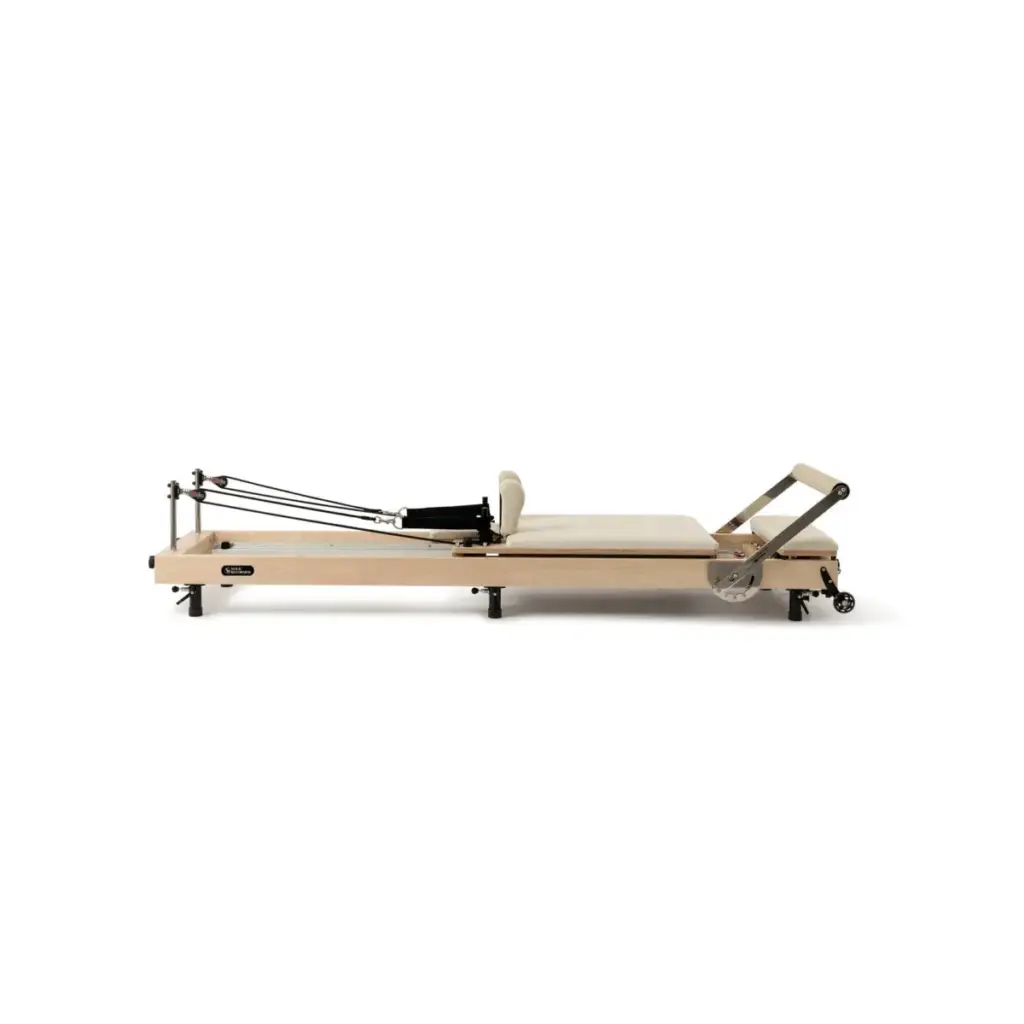
Arriving at the St John’s Wood studio for my inaugural session, a palpable wave of nervous energy washed over me. Even to the seasoned fitness enthusiast, a line of reformer machines—with their exposed springs, sliding carriages, foot bars, and intricate web of straps and pulleys—can look less like exercise equipment and more like medieval torture devices. How difficult could it really be to slide back and forth on a padded platform?
The answer arrived within the first five minutes: exceptionally difficult.
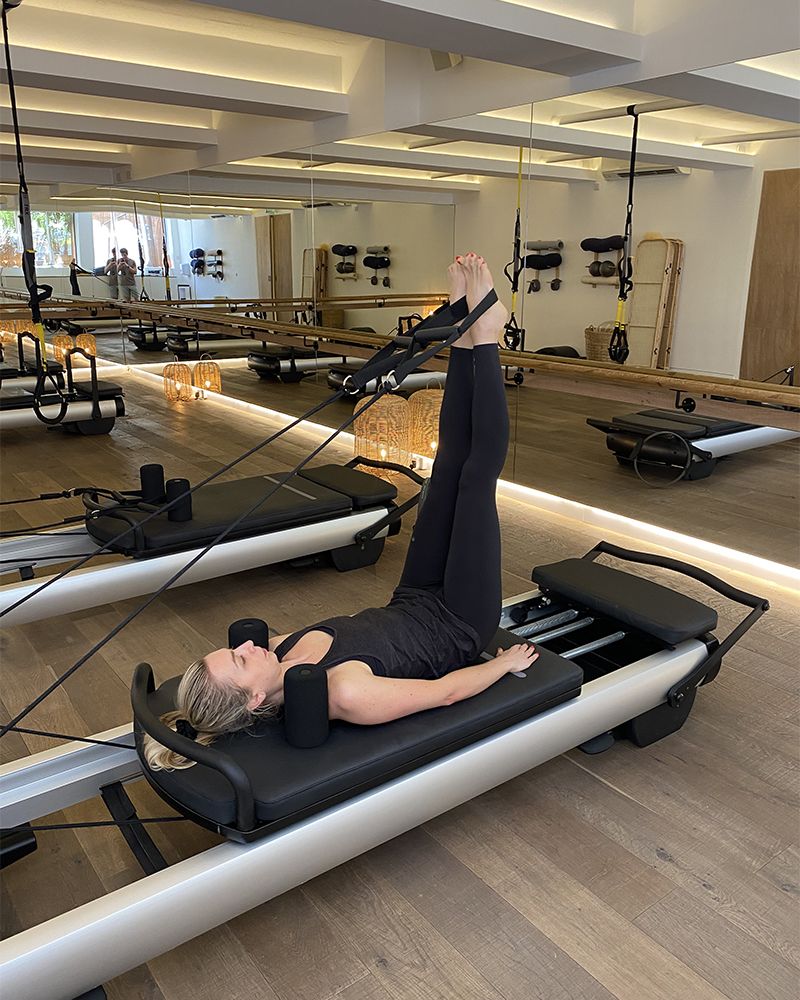
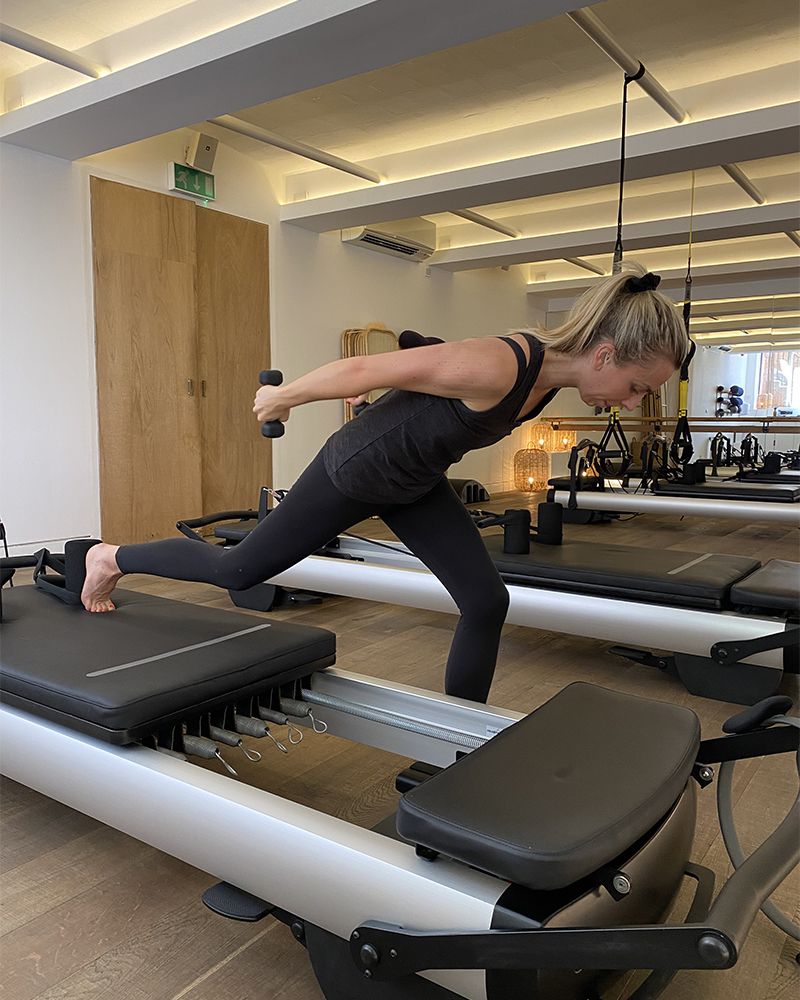
During that first dynamic class, I puffed my way through movements that looked deceptively gentle on paper. Led by an expert instructor who blended traditional Pilates principles with modern functional movement, we cycled through a sequence of slow, agonizingly precise exercises. My core burned with an intensity I hadn’t experienced through running, my heart rate spiked under the demand of sustained eccentric and concentric muscle contractions, and my coordination felt entirely out of sync with the rest of the room. We moved from targeted reformer squats and lunges to plank variations, downward-facing adjustments, and the infamous "frog" series using the foot straps.
Yet, despite the humbling disconnect between my running fitness and my reformer capabilities, the post-class sensation was undeniable. I stepped off the machine feeling stretched, lengthened, and remarkably grounded.
Weeks 2 and 3: The Turning Point of Precision
By the second and third weeks, the initial panic began to give way to neuromuscular adaptation. The complex language of the reformer—understanding spring tensions (red for heavy, yellow for light, blue for medium) and how they alter biomechanical loads—started to make intuitive sense.
Crucially, I noticed my physical awareness sharpening. Running rewards forward momentum, often allowing runners to zone out and ignore subtle postural slips. Reformer Pilates demands absolute presence. If your pelvis tilts by a millimeter or your shoulders creep toward your ears, the instability of the rolling carriage immediately exposes the compensation.
It was during week three that the first visible, albeit temporary, physical shifts appeared. My upper body, notoriously neglected by my lower-body-dominant running regimen, began to exhibit a subtle, lean definition in the shoulders and arms. While fitness experts rightly point out that initial upper-body changes can often be attributed to a "muscle pump"—where blood rushes to muscle tissue during repair—the internal shift was indisputable. My posture was improving; I was standing taller without conscious prompting, and my resting energy levels had stabilized.
Week 4: Consolidation and the New Baseline
By the final week of the challenge, the reformer no longer felt like an intimidating alien apparatus. It felt like a tool of precision engineering for the human body. The trembling limbs and frantic pacing of week one were replaced by controlled, fluid execution. I could sink deeper into lunges on the carriage, maintain stability through trembling core sets, and—most importantly—synchronize my breath with every phase of resistance.
Completing the month-long challenge didn’t convert me into an anti-cardio evangelist, but it permanently restructured my weekly physical blueprint. The asphalt was no longer my only option; I had unlocked an entirely new tier of structural longevity.
Supporting Context & Metrics: Decoding the Reformer Machine
To understand why reformer Pilates delivers such profound results, one must examine the mechanics of the apparatus itself. Invented by Joseph Pilates during the early 20th century, the reformer is fundamentally distinct from mat-based Pilates.
The Mechanics of Resistance
Unlike mat work, which relies entirely on body weight and gravity, a reformer machine incorporates a dynamic carriage that glides back and forth on wheels within a framed track. Resistance is generated by attaching a series of calibrated springs of varying tensions to both the carriage and the sliding foot bar.
According to Jessie Blum, trainer and founder of Heartcore, this design introduces unique biomechanical variables that traditional weightlifting or bodyweight training cannot replicate:
"The cushioning, height, and instability of the rolling carriage with the variety of spring resistance provides all kinds of stability challenges that develop deep core strength and improved balance and coordination," Blum explains. "The machine works the whole body resulting in a low-impact method that integrates breath with movement and activates your deep core muscles."
A Full-Body Micro-Engagement
Far from being merely an "ab class on wheels," reformer Pilates is a comprehensive, full-body conditioning modality. It recruits muscle fibers across the entire kinetic chain:
Deep Transverse Abdominis: The internal corset muscles responsible for spinal support and a tightened waistline.
Obliques and Back Extensors: Crucial for rotational stability and counteracting the postural collapse of modern sedentary life.
Glutes and Hamstrings: Engaged through closed-chain pushing and pulling movements on the carriage.
Pelvic Floor and Diaphragm: Integral components of the breath-to-movement synchronization that underpins every exercise.
Furthermore, classes frequently integrate auxiliary props—such as Pilates balls, resistance bands, weighted ankle straps, and Pilates rings—to spike intensity and target stubborn stabilizer muscles.
Official Statements and Expert Insights
The growing medical and athletic consensus surrounding reformer Pilates highlights its value as a foundational training style for athletes and non-athletes alike.
Adaptability Across Fitness Spectrums
One of the most persistent myths surrounding reformer Pilates is that it is exclusively reserved for the flexible, the elite, or those recovering from injuries. Experts emphasize that the system is infinitely scalable.
"You can apply the same principles but at different spring tensions or different setups meaning it’s totally adaptable to beginners and the stronger you get the harder you can make it," confirms Blum. "When the springs are in a lighter setting, some movements are more challenging for the core, working extra hard to control and stabilize the movement."
This counter-intuitive principle—that lighter springs often equal a harder core workout—stems from the removal of support. When fewer springs are attached to the carriage, the machine offers less assistance, forcing the deep stabilizing muscles to work overtime to prevent the carriage from drifting out of control.
Medical and Structural Considerations
While reformer Pilates is celebrated for its low-impact profile, fitness professionals urge caution for specific populations. Because every studio utilizes proprietary methodologies and equipment configurations (from traditional Balanced Body reformers to contemporary high-tech setups), individuals with acute joint injuries, chronic spinal conditions, or postpartum physical needs should consult a certified clinical professional or seek out private introductory sessions before diving straight into advanced group classes.
The Core Takeaways: 5 Lessons Learned from a Month on the Carriage
1. Reformer Pilates is Exceptionally Demanding, but Dividends Come Fast
There is no use sugarcoating the reality: reformer Pilates is brutally hard. It demands muscular endurance, intense mental focus, and precise neuromuscular control. However, the speed at which the body adapts is remarkably rewarding. After just three weeks of consistent practice, functional strength gains became obvious, manifesting as improved balance, better muscle tone, and a noticeable reduction in post-workout fatigue.
2. A Calm, Centered Energy Replaces the Cardio High
While running provides an explosive, heart-pounding rush driven by adrenaline and endorphins, reformer Pilates delivers a different flavor of psychological reward. The integration of diaphragmatic breathwork with slow, controlled resistance training activates the parasympathetic nervous system. I stepped out of classes feeling calm, mentally decluttered, and deeply grounded—a profound antidote to modern work-related stress.
3. Joint Health and Low-Impact Longevity
Years of high-impact running, compounded by occasional half-marathon training blocks and a historical neglect of post-run mobility work, had left my knees and hips feeling chronically battered. The low-impact nature of the reformer provided an unexpected therapeutic benefit. By strengthening the muscles surrounding the joints without subjecting them to heavy axial loading or high-impact shock, my joints finally had the breathing room required to recover.
4. An Antidote to "Tech Neck" and Postural Fatigue
Hours spent hunched over laptops inevitably manifests as hyper-tonic traps, shortened chest muscles, and chronic cervical tension—commonly known as "tech neck."
As Jessie Blum notes: "When we hold onto stress and tension, the body’s physiological response is to puff up in the stomach area and tighten the neck and shoulders."
The targeted spinal articulation, thoracic openers, and breathwork embedded in reformer sequences acted as a physical reset button, actively decompressing the upper spine and relieving accumulated muscular armor.
5. Bridging Studio Work with Home Training
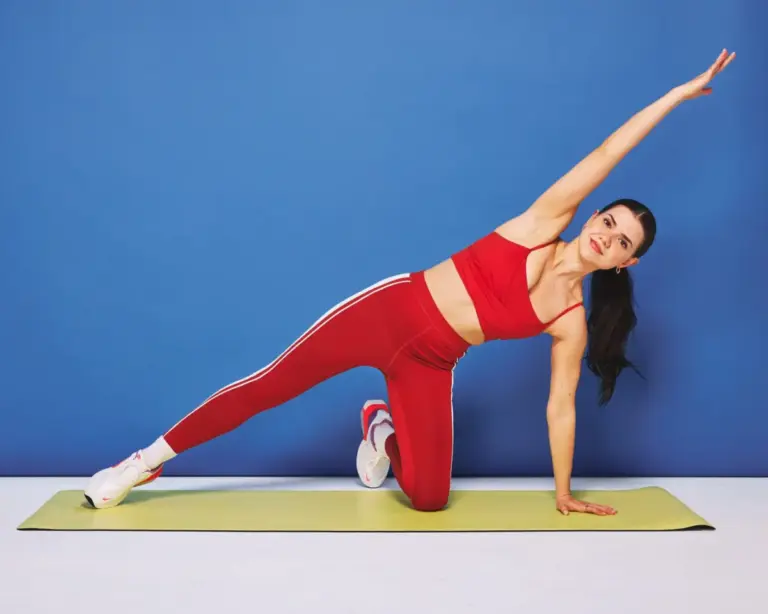
Studio reformer classes offer an unmatched environment, but they come with a financial and logistical footprint that makes daily attendance impractical for many. Fortunately, the core principles learned on the reformer translate seamlessly to mat-based home workouts. Incorporating tools like a Pilates ring or resistance bands into a living room routine allows practitioners to maintain core engagement and structural strength between studio sessions.
Future Outlook: The Hybrid Fitness Paradigm
My month-long immersion into the world of reformer Pilates fundamentally altered my relationship with physical movement. The dogmatic pursuit of a single training discipline—relying solely on the pounding simplicity of running—has been replaced by a more nuanced, sustainable fitness philosophy.
Moving forward, my weekly blueprint has evolved into a balanced hybrid model: a thoughtful combination of one dedicated reformer studio session per week, supported by targeted at-home Pilates conditioning and, yes, a scaled-back running schedule.
For anyone hesitant to step off the treadmill, trade the weights for straps, or face the daunting mechanics of the sliding carriage, the verdict is clear. The reformer is not a passing wellness fad; it is an invaluable tool for structural longevity, core mastery, and mental clarity. As I fold my running shoes back into the rotation alongside my grip socks, my only regret is not climbing onto the carriage sooner.