Executive Overview
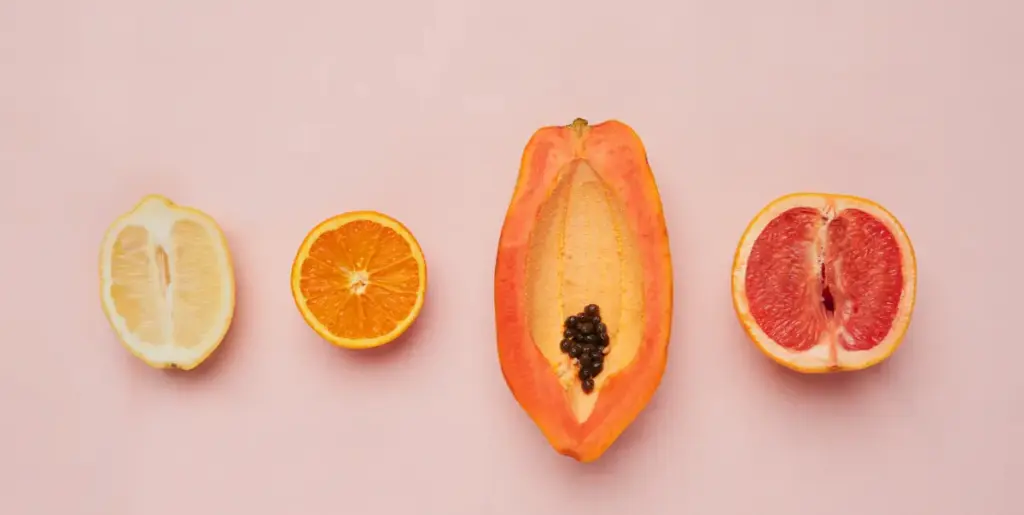
If you were to empty the contents of a modern wellness-conscious nightstand in 2026, you might mistake it for a farmers’ market haul. Lemons, pears, kumquats, and raspberries have officially migrated from the kitchen counter to the bedside table. Air-suction toys shaped like citrus fruits, vibrators molded to resemble crisp orchard produce, and cheeky product names have taken over social media feeds and online retail carts alike.
At a glance, this "fruitification" of the adult novelty market reads like a cutesy, aesthetically driven design trend born of internet culture and viral marketing. Brands like Hello Nancy with their lemon-inspired "Lem," WOO More Play with their playfully named "Cumquat Vibez," and Inya with their pear-shaped clitoral vibrators are capturing the attention of millions.
However, cultural analysts, sex therapists, and industry executives argue that this produce-aisle aesthetic is far more than a passing gimmick. Instead, the rise of fruit-shaped sex toys serves as a fascinating diagnostic tool for our current cultural moment. These designs exist at the intersection of aggressive social media censorship, algorithmic shadowbanning, purity culture remnants, and an escalating societal obsession with restraint, wellness, and sanitized perfection. While consumers simply want to enjoy safe, accessible pleasure, the necessity of disguising a vibrator as a piece of fruit highlights a sobering truth: in contemporary society, female and inclusive sexual pleasure—and the candid language used to describe it—still requires a disguise to pass muster.
Detailed Chronology: The Evolution of Disguised Pleasure
To understand how we arrived at an era where bedroom accessories are indistinguishable from grocery items, it is helpful to trace the trajectory of design innovation and stealth marketing within the sexual wellness industry over the past several years.
Phase One: The Aesthetic Revolution (2020–2023)
For decades, the adult novelty market was dominated by anatomical realism or clinical, medical-grade minimalism. Phallic shapes reigned supreme, accompanied by heavy polycarbonate plastics and industrial black-and-purple color palettes. However, as the destigmatization of sexual wellness gained momentum, brands realized that consumers—particularly women and non-binary individuals—were looking for products that felt less intimidating and more aligned with home decor.
This era saw the rise of abstract shapes, smooth pebbles, and minimalist geometry. Brands aimed to design objects that users wouldn’t feel compelled to hide at the bottom of a locked drawer. Yet, while these abstract designs reduced the clinical anxiety of traditional sex toys, they still faced immense friction when brands attempted to market them online.
Phase Two: The Viral "Rose" Era (2024)
The tipping point toward botanical and organic mimicry arrived en masse in 2024 with the explosive, TikTok-fueled virality of the "rose vibrator." While floral-inspired suction toys had existed in niche markets prior, 2024 marked the moment a botanical shape completely captured the mainstream consciousness. Millions of users posted unboxing and review videos, leveraging the flower’s natural, non-threatening appearance to bypass rigorous algorithmic content moderation.
The success of the rose vibrator proved a vital commercial lesson to manufacturers: packaging pleasure within the visual language of nature was a golden ticket. It disarmed skeptics, lowered the barrier to entry for first-time buyers, and, most importantly, tricked the gatekeepers of the internet.
Phase Three: The Produce Takeover (2025–2026)
By 2026, the blueprint established by floral designs evolved into the full-scale harvest we see today. Moving beyond single petals, brands began utilizing the distinct geometry of fruits.
- June 2026: Lubricant brand WOO More Play disrupted the market by launching "Cumquat Vibez," a vibrant, kumquat-shaped vibrator that leaned heavily into tongue-in-cheek humor.
- Hello Nancy: Captured the attention of TikTok with "Lem," an air-suction device explicitly designed around the bright yellow hue and bulbous silhouette of a lemon.
- Inya: Expanded its footprint by introducing a sleek, pear-shaped clitoral vibrator.
What started as a clever design choice quickly solidified into a dominant market category, transforming nightstands across the globe into miniature orchards.
Supporting Context & Metrics: Algorithms, Censorship, and Cultural Restraint
The rapid proliferation of fruit-shaped sex toys cannot be divorced from the digital infrastructure in which modern commerce operates. Sex-positive brands face an uphill battle when trying to reach audiences on mainstream platforms like Meta (Instagram and Facebook), TikTok, and Pinterest.
The Algorithmic Police and the "Shadowban" Reality
Despite shifting cultural attitudes toward sex, digital platforms maintain puritanical automated moderation systems. Traditional vibrators, regardless of their abstract or non-anatomical nature, are frequently flagged, suppressed, or outright banned from running paid advertisements. Organic posts featuring these products are routinely shadowbanned, severely cutting off small-to-midsize businesses from essential revenue streams.
This is where the fruit shape becomes an ingenious marketing hack.
[Traditional Sex Toy Ad]
       │
       ├──> Flagged by AI/Automated Moderation
       ├──> Classified as "Adult Content"
       └──> Result: Shadowbanned / Zero Reach

[Fruit-Shaped Toy Ad ("Lem" or "Cumquat")]
       │
       ├──> Passes Initial Visual AI Scan (Identified as Produce)
       ├──> Appears Innocent on Feeds
       └──> Result: Higher Organic Reach & Engagement
By mimicking the visual profile of a lemon or a kumquat, these products can slip past the initial visual AI scans of social media platforms. They look like quirky home decor or food-photography props, granting brands a temporary algorithmic cloak of invisibility.
The Limits of Disguise: Language vs. Visuals
However, industry leaders emphasize that fooling the algorithm with produce only goes half-way. Alexandra Fine, Founder and CEO of sexual wellness brand Dame, notes that while visual moderation can sometimes be bypassed, the linguistic hurdles remain insurmountable.
Even if a product looks like a lemon, the terminology required to explain its function—terms like "clitoral suction," "pulsating frequencies," or "orgasm architecture"—will inevitably trigger content filters. Brands find themselves engaged in a perpetual game of digital cat-and-mouse, forced to invent convoluted workarounds just to explain what a product actually does to consumers trying to make informed purchasing decisions.
Furthermore, this institutional censorship extends far beyond product manufacturers. Certified sex therapists and clinical social workers report facing similar digital suppression. Professionals discussing human anatomy, sexual health, and enthusiastic consent are routinely forced to adopt coded language—such as substituting "sex" with "seggs"—simply to keep their educational accounts active. This environment reinforces the underlying cultural message that sexual wellness is something inherently dirty, hidden, and in need of filtration.
Official Statements and Industry Insights
To unpack the deeper psychological and sociological undercurrents of the fruit trend, industry experts and clinical practitioners offer critical perspectives.
The Designer’s Perspective: Joy Over Intimidation
Rachana Ramchand, co-founder and Head of Operations at Hello Nancy, explains that the psychological barrier to entering the sex toy category is remarkably high for many consumers.
"Most of this category asks you to be brave before you have even opened the box," Ramchand notes in an interview with Cosmopolitan.
Phallic-shaped novelties carry decades of heavy cultural baggage, preconceived notions about performance, and rigid expectations regarding what sex "should" look like. By contrast, fruit offers a neutral, universally recognized, and joyful alternative.
"Fruit is the most joyful, least self-serious shape there is," Ramchand adds. This innate playfulness lowers consumer anxiety, allowing users to approach pleasure with curiosity rather than performance pressure.
The Therapist’s Perspective: The Cultural Climate of Restraint
Melanie Greenberg, LCSW, CST, MEd, a Philadelphia-based ASSECT-certified sex therapist and founder of Pulling Threads Therapy, emphasizes that the sex toy industry does not exist in a vacuum. The products that gain traction always reflect the broader sociopolitical anxieties of their time.
"The fact that it is fruit vibes currently being created, sold, used, and seen on social media feels particularly fitting in a cultural moment increasingly preoccupied with restraint—from the rise of trad wife traditionalism, to shrinking celebs and weight-loss shots," Greenberg explains.
Greenberg draws a compelling parallel between how our culture regulates sexual appetite and how it polices literal, physical appetite. In an era hyper-fixated on caloric restriction, wellness purity, and bodily control, fruit occupies a very specific cultural space. It is viewed as "wholesome," "clean," and virtuous.
"There’s a reason companies aren’t making sticks of butter, biscuits, and croissants into vibrators," Greenberg points out. Fruit-shaped vibrators offer a socially palatable packaging for pleasure. They allow users to indulge in sexual autonomy while wrapped in the sanitized, virtuous aesthetic of clean living and wellness culture.
Future Outlook: Where Do We Go From Here?
As we look toward the remainder of the decade, the "fruitification" of the adult novelty market raises important questions about the trajectory of sexual wellness and digital freedom.
- Continued Innovation in Stealth Design: As long as social media algorithms penalize explicit anatomical imagery, designers will continue to innovate with clever, everyday object disguises. Expect to see expansions beyond the produce aisle into botanicals, household goods, and abstract art pieces that double as high-powered wellness tools.
- The Pushback Against Algorithmic Censorship: Advocacy groups and sexual wellness founders are increasingly pushing back against discriminatory tech policies. Legal battles, such as historic challenges against public transit advertising bans by brands like Dame, signal that the industry will continue fighting for the right to market sexual health products openly and honestly.
- De-stigmatization of Pleasure Language: While fruit-shaped toys offer an effective entry point, the ultimate goal for sex-positive advocates is dismantling the linguistic suppression that forces professionals and brands to self-censor. True progress will be measured not just by how easily a vibrator passes as a lemon, but by whether society can discuss sexual wellness without algorithmic interference.
Conclusion: Enjoy the Fruit, But Question the System
Ultimately, purchasing a lemon-shaped air-suction toy or a pear-shaped vibrator does not mean you have unconsciously surrendered to purity culture or diet-wellness tropes. As therapists reassure consumers, there is nothing inherently regressive about wanting a beautifully designed, whimsical object on your nightstand.
"If you want to buy something that is a pretty fruit, that is more than fine," Greenberg notes. At the end of the day, the primary objective is individual fulfillment and bodily autonomy: "My biggest thing is that I want people to get off, and so if they can do that with a fruit vibe, I celebrate that."
The issue is never the individual consumer finding joy in a clever design. The problem lies entirely within the systemic censorship and cultural conditioning that forces pleasure to seek refuge in disguise.
So, when life gives you lemons in 2026, go ahead and enjoy making your own brand of joy. Just remember to ask why, in this day and age, our deepest pleasures still need to masquerade as groceries just to see the light of day.