For decades, the cultural script surrounding women’s sexuality has been anchored to a binary choice: either engage in the dating market to prove liberation or retreat from it into enforced or embarrassed abstinence. Today, however, a profound cultural shift is underway. Driven by Gen Z and younger millennials, a growing movement of women is stepping away from partnered sex—not out of prudishness, anti-social tendencies, or fear, but as a deliberate act of reclamation.
Recent data underscores this paradigm shift: a staggering 37 percent of Gen Zers surveyed by the Kinsey Institute identify as intentionally celibate, with young women increasingly leading the charge in choosing to say no to unfulfilling or obligatory sexual encounters. This phenomenon, often running parallel to digital trends like #BoySober and the broader movement of "decentering men," is frequently misunderstood by cultural critics as a "sex recession" or a puritanical pause button.
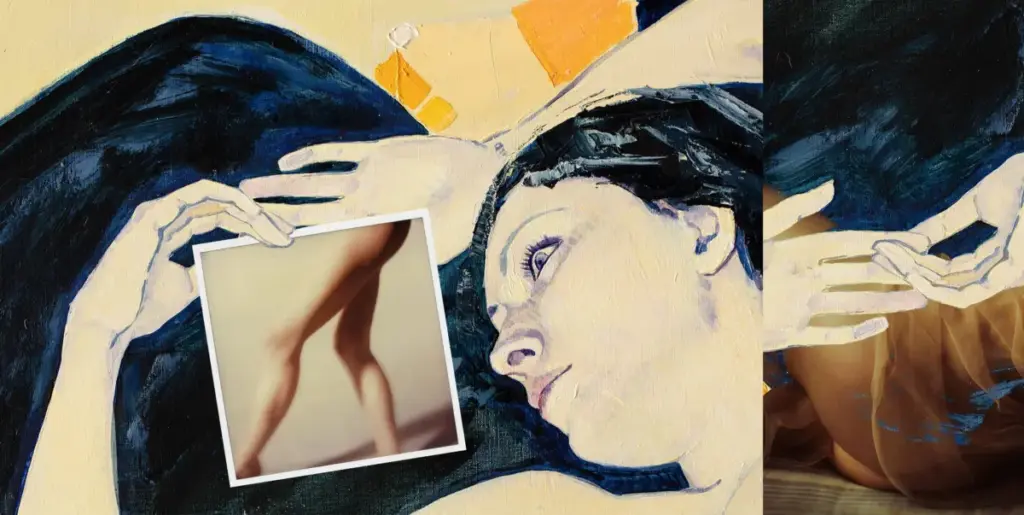
In reality, it is quite the opposite. This wave of celibacy is deeply sex-positive, prioritizing internal attunement, emotional safety, and radical self-authorship over performative compliance. And nowhere is this intersection of celibacy and empowered sensuality more visibly manifesting than in an unexpected trend: the surge of solo nude and semi-nude boudoir photography. Once reserved strictly as seductive gifts for romantic partners, these photo shoots are increasingly booked by women navigating a season of voluntary celibacy. By stepping in front of the lens alone, these women are proving that desire does not require a partner to validate it—and that true sensuality begins long before anyone else enters the room.
Detailed Chronology: From Disillusionment to Self-Discovery
The First Fracture: Navigating Early Intimacy
To understand the psychological landscape of women currently embracing solo artistic exploration, one must examine the origins of modern dating disillusionment. For many young women, early sexual encounters serve as a rude awakening.
Consider the trajectory of experiences shared by a generation entering adulthood in the wake of the #MeToo movement and compounding socio-political stressors. For many, a first sexual experience—often occurring in early college years or the early twenties—comes loaded with implicit pressures and poor communication. Wandering hands that ignore boundaries, an inability to voice dissent out of social conditioning, and encounters that cross from pleasurable to painful highlight a systemic failure in how consent is modeled and practiced.
When young women experience sexual encounters where their comfort is sidelined, the aftermath is rarely just physical recovery; it is a profound rupture in self-trust. For many, this leads to an immediate withdrawal from the dating pool. The instinct to step back is not a rejection of pleasure itself, but a desperate necessity to pause, untangle what actually feels good from what is expected, and learn how to navigate solo pleasure without performance anxiety.
The Cycle of Betrayal and the Decision to Step Back
Even when women manage to break through their initial reservations and find partners who respect boundaries and value emotional intimacy, the path forward is rarely linear. Trust can be painstakingly built, only to be dismantled by betrayal—such as infidelity.
When the one person with whom a woman felt safe shatters that trust, the natural reaction is often an exhaustion so deep that dating loses all appeal. Returning to celibacy after a broken relationship frequently brings an unexpected revelation: peace. Many women discover that the absence of a partner does not equate to a deficit in fulfillment. Instead, the quiet space left behind in the wake of a breakup provides an incubator for personal growth.
It is within this exact window—weeks or months into a self-imposed hiatus from dating—that many women encounter the modern solo boudoir movement. Stumbling upon advertisements for studios specializing in "self-love shoots," these women find themselves drawn to an experience designed entirely around their own bodies, devoid of male gaze, expectation, or the pressure to perform.
Supporting Context & Metrics: Decoding the Gen Z "Sex Recession"
The Statistics of Intentional Abstinence
Mainstream commentary often frames the decline in sexual frequency among young adults as a crisis—pointing to falling birth rates, delayed marriages, and an overarching "loneliness epidemic." However, these analyses frequently misinterpret data by painting all non-sex-active individuals with the same brush.
The Kinsey Institute Findings: A remarkable 37 percent of Gen Z respondents report being intentionally celibate.
Gender Disparities: Contrary to narratives focusing solely on isolated young men, Gen Z women are statistically more likely than their male counterparts to actively decline sexual encounters that do not meet their emotional or physical standards.
The #BoySober Phenomenon: Millions of young women document their journeys online, utilizing social media platforms to share strategies for removing men from the center of their emotional universes, thereby freeing up cognitive and emotional bandwidth for personal development.
Shifting from Perceived Value to Felt Experience
Psychological experts point out that modern social media has hyper-accelerated a culture of self-monitoring. Gen Z and younger millennials have grown up curating highlight reels, perfecting camera angles, and measuring their worth through external metrics of perception. This constant hyper-vigilance often bleeds into intimacy, turning sex into a performance where a woman acts as an observer of her own body rather than an active participant in her own pleasure.
Solo boudoir photography acts as a direct antidote to this conditioning. By stripping away the requirement of an audience, these photo shoots force individuals to confront a radical question: What does sexiness feel like when no one is watching?
Official Statements & Expert Insights
Mental health professionals and studio founders working at the intersection of body positivity and sexual wellness emphasize that celibacy is an active choice, not a passive void.
"Celibacy is women choosing where to direct their sexual energy, not whether they have it or not," explains Ilana Grines, a Los Angeles-based sex, marriage, and family therapist. "Choosing not to have sex with a partner doesn’t dictate whether you still want to be wanted. It’s creating space to figure out how you want to be wanted."
Grines notes that mainstream media and popular culture overwhelmingly focus on penetrative, partnered sex—a narrow representation that rarely creates room for nuanced conversations about safety, pacing, and individual pleasure thresholds.
Studio founders are noticing this shift firsthand. Fanny Lelorrain and Juliette Capdevielle, co-founders of Scandaleuse Photography in Toronto, designed their woman-centered studio precisely to combat the fatigue surrounding traditional, male-gaze-oriented boudoir imagery.
"We were tired of the typical boudoir photo, always in lingerie," Lelorrain explains. "There’s nothing wrong with that, but some people don’t feel sexy that way. So we remove the pressure to be stereotypically suggestive." By encouraging clients to bring meaningful props—ranging from cozy coffee cups and favorite books to creative cosplay pieces—they help clients anchor their sensuality in authenticity. Crucially, many of these studios maintain strict body-neutral or unretouched editing policies, ensuring that clients see their actual bodies represented without digital alterations designed to fit narrow beauty standards.
Future Outlook: Redefining Intimacy on Our Own Terms
As the cultural landscape continues to evolve, the intersection of solo artistic expression and voluntary celibacy offers a transformative blueprint for modern womanhood. The panic surrounding the so-called "sex recession" fails to recognize that today’s young women are not rejecting sexuality; they are elevating its criteria.
By stepping in front of the camera alone—wrapped in sheer fabrics, standing in powerful, unyielding stances, and stripping away the performance anxiety of the traditional dating market—women are learning to inhabit their bodies with radical presence.
The future of intimacy is not defined by how many partners one has, nor by adherence to outdated social milestones. Instead, it is being forged in the quiet, intentional spaces where women learn to listen to their own desires, establish uncompromised boundaries, and recognize that they can be simultaneously fulfilled, completely autonomous, and deeply, undeniably sexy—all by themselves.