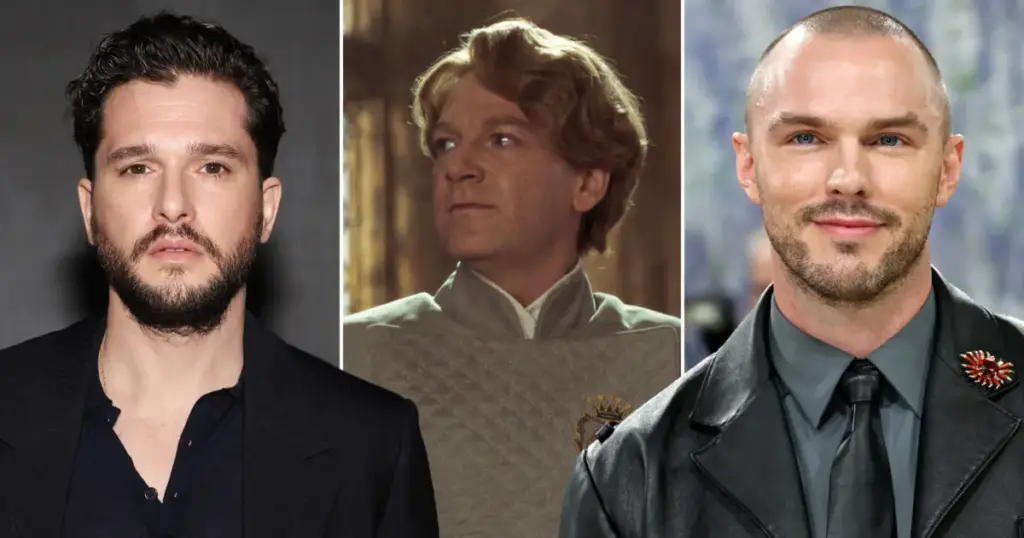
The high-profile television adaptation of J.K. Rowling’s Harry Potter universe by HBO has faced another major production hurdle. Actor Nicholas Hoult, who was initially slated to portray the flamboyant, self-absorbed fraudster Professor Gilderoy Lockhart in the series’ second season, has officially withdrawn from the project. Citing official "scheduling conflicts," Hoult’s departure comes directly on the heels of intense public scrutiny and online backlash from fans over his association with the production, which stems from Rowling’s widely publicized and controversial stances on gender identity and the transgender community.
To fill the vacancy, HBO has swiftly secured Game of Thrones alumnus Kit Harington. Known globally for playing Jon Snow, Harington is no stranger to the wizarding world, having recently voiced the very same Defence Against the Dark Arts professor for Audible’s star-studded audiobook series. Harington, who has openly professed a lifelong passion for Rowling’s magical franchise, steps into the role as production for the second season prepares to get underway this autumn.
This high-profile casting shakeup illuminates the ongoing, complex tightrope walk television networks, casting directors, and actors must navigate when participating in properties tied to politically polarized figures. While HBO continues full steam ahead toward the holiday debut of the franchise’s inaugural season—slated for Christmas Day—the broader cultural discourse surrounding the franchise shows no sign of abating. Cast members across the board are increasingly forced to publicly reconcile their personal values with their professional involvement in the multi-billion-dollar franchise.
Detailed Chronology of Events
The unfolding drama surrounding the Harry Potter television reboot highlights how quickly modern casting announcements can transform from promotional victories into public relations challenges.
The Initial Casting Announcement
Earlier this month, HBO announced that Nicholas Hoult—celebrated for his versatile work in Skins, The Menu, and Mad Max: Fury Road—had been tapped to play the eccentric, memory-charmed fraudster Gilderoy Lockhart for Season 2. The role is widely considered one of the most entertaining and comedic villains in children’s literature, originally brought to vibrant cinematic life by Kenneth Branagh in 2002’s Harry Potter and the Chamber of Secrets.
The announcement, however, immediately triggered a polarized reaction across social media platforms.
Fan Backlash and Social Boycotts
Within hours of the casting reveal, Hoult found himself at the center of an organized digital backlash. A significant portion of the actor’s fanbase—including administrators of high-profile fan accounts dedicated to charting his career milestones—expressed deep dismay. The core of the grievance was not Hoult’s acting capability, but rather the decision to align himself with an enterprise inextricably tied to J.K. Rowling.
Rowling’s repeated commentary concerning transgender rights and gender-critical viewpoints has made her a deeply polarizing figure. For many progressive fans and members of the LGBTQ+ community, voluntary participation in sanctioned adaptations of her work is viewed as an endorsement or minimization of her public stances. Consequently, several prominent fan collectives publicly revoked their support for Hoult, threatening to unfollow fan pages and boycott his future projects should he proceed with the role.
The Exit and Replacement
As public pressure mounted, industry reports surfaced indicating that Hoult was parting ways with the wizarding world. While official communications attributed the separation to "scheduling conflicts," industry insiders and entertainment analysts widely view the pivot as a tactical retreat to mitigate reputational damage amidst ongoing cultural controversies.
By mid-month, Variety confirmed that Kit Harington had been locked in as Hoult’s replacement. Harington’s transition into the role is notably seamless; he recently wrapped voice work portraying Lockhart in Audible’s comprehensive, multi-cast audio production of the Harry Potter canon.
Supporting Context & Metrics: The Cultural Terrain of Modern Adaptations
The challenges facing HBO’s Harry Potter series are unprecedented in modern television history. Never before has a multi-season, mega-budget adaptation of a beloved literary property faced such immediate ideological resistance even before airing a single frame of footage.
The Economics of the Wizarding World
Warner Bros. Discovery and its streaming arm, HBO Max, are banking heavily on the generational nostalgia and enduring global market value of the Harry Potter intellectual property. The original film franchise grossed over $7.7 billion worldwide, creating a consumer products juggernaut that spans theme parks, mobile games, and theatrical plays.
The television reboot, envisioned as a faithful, decade-long adaptation spanning seven seasons (with each season dedicated to a single book), is designed to anchor HBO’s streaming strategy for the 2026–2035 decade. The financial stakes are staggering; hundreds of millions of dollars are earmarked for production, marketing, and global distribution. Consequently, casting stability is paramount for studio executives who cannot afford prolonged production delays or toxic press cycles that might alienate corporate advertisers or prospective subscribers.
The Phenomenon of the "Values Clause" and Fan Activism
Modern fandom operates within a hyper-connected digital ecosystem where accountability and parasocial relationships dictate the success or failure of media figures. Unlike previous decades, where consumer dissatisfaction was limited to mailed letters or low box-office returns, today’s audiences utilize real-time metrics, digital boycotts, and coordinated public relations campaigns.
Actors entering the Harry Potter franchise are entering a minefield where silence is rarely permitted and nuance is frequently flattened. The dilemma faced by Hoult—and subsequently addressed by other cast members—reflects a broader structural shift in Hollywood: talent must increasingly weigh the artistic prestige and financial windfall of major franchises against the potential alienation of progressive demographics and creative collaborators who refuse to work with associated brands.
Official Statements and Cast Perspectives
While HBO has kept its official statements regarding Hoult’s departure strictly focused on the logistical framing of "scheduling conflicts," the actors themselves have begun speaking out about the unique pressures of joining the wizarding universe.
Kit Harington’s Enthusiasm for the Wizarding World
Unlike some of his peers who may view the franchise strictly through a commercial lens, Kit Harington has long positioned himself as an authentic superfan of Rowling’s books. In previous interviews discussing his work on the Audible audiobook series, the 39-year-old actor expressed genuine affection for the material.
"It was a really simple yes, because I love the character," Harington told Variety when discussing his initial decision to voice Gilderoy Lockhart. "As far as cameos in a series go, you don’t get much more entertaining and fun to do as an actor than Gilderoy Lockhart. It was a no-brainer."
Having grown up reading the novels upon their initial publication, Harington’s transition from voicing the character to physically embodying him on the HBO soundstages represents a full-circle moment. Producers are undoubtedly hoping that his well-documented enthusiasm and established goodwill with fantasy audiences—cemented by his years leading Game of Thrones—will insulate the production from further fan friction.
Bel Powley and the Politics of Separation
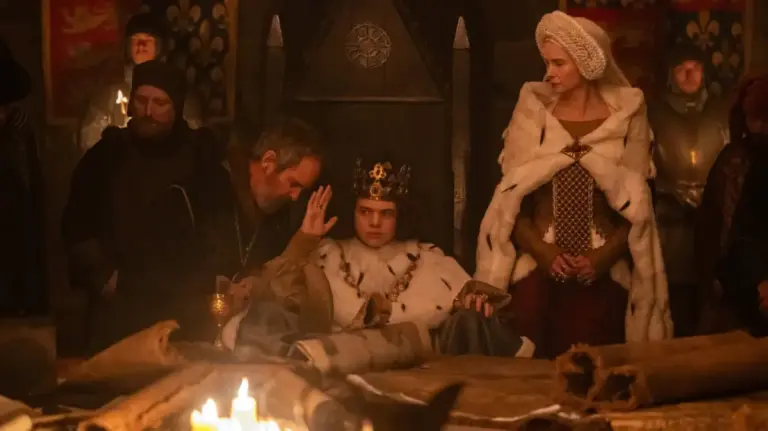
The tension between loving the art and condemning the artist was further underscored by fellow cast member Bel Powley. Set to portray the formidable Aunt Petunia in the upcoming series, Powley recently addressed her participation in an interview with The Telegraph, offering a candid perspective on navigating the controversy.
While explicitly distancing herself from Rowling’s ideology, Powley defended her childhood attachment to the books:
"I strongly disagree with Rowling’s views on gender," Powley stated. "I think that the trans community deserve safety and dignity and respect and total acceptance. But, I love Harry Potter. I grew up with the books. I am from that first generation of readers and, again, I love magic and spookiness."
Powley’s remarks encapsulate the ideological gymnastics required by many performers in the cast: attempting to honor their childhood nostalgia and professional opportunities while publicly affirming solidarity with marginalized communities alienated by the author’s public platform.
Future Outlook: What Lies Ahead for HBO’s Wizarding World
As the production machine gears up for its milestone launch, the road ahead remains fraught with unique challenges and high-stakes milestones.
Upcoming Production Timeline
Season 1 Premiere: The inaugural season, covering Harry Potter and the Philosopher’s Stone, is locked in for a high-profile release on HBO and HBO Max this coming Christmas Day. Industry watchers expect this drop to be the definitive cultural tentpole of the streaming winter season.
Season 2 Filming: With Kit Harington officially stepping into the boots of Gilderoy Lockhart, pre-production is finalizing its preparations, with principal photography for the Chamber of Secrets season scheduled to kick off this autumn.
The Balancing Act of Brand Management
For HBO and Warner Bros. Discovery, the central challenge moving forward will be managing the optics of a massive collaborative art project anchored to a deeply polarizing creator. By casting respected, critically acclaimed actors like Harington and Powley—individuals capable of articulating independent ethical stances while delivering strong performances—the studio is attempting to build a protective buffer around the creative team.
Whether these measures will be enough to quell ongoing cultural debates remains to be seen. However, one reality is indisputable: stepping onto the grounds of Hogwarts in the modern era requires far more than just memorizing lines; it demands an acute awareness of the volatile cultural landscape waiting just outside the castle gates.