Executive Overview
In an industry where diversity and inclusion are frequently reduced to corporate buzzwords and performative marketing strategies, genuine community building remains a rare and precious commodity. Enter Rio Uribe and his eponymous label, RIO. Rising from the ashes of his groundbreaking, genre-defying streetwear label, Gypsy Sport, RIO represents far more than a simple rebrand. Unveiled on June 15 in New York City, RIO’s debut campaign marks a defining chapter in contemporary design, signaling a maturation of Uribe’s creative vision while doubling down on the authenticity that first captured the fashion world’s attention a decade ago.
This new era arrives at a pivotal cultural juncture. As Latino creativity increasingly anchors the global cultural zeitgeist—from music and film to high art and politics—brands like RIO are stepping into the spotlight not as token participants, but as architects of a new aesthetic paradigm. Blending raw, street-level rebellion with elevated, refined craftsmanship, Uribe and his Latino-led team are rewriting the rules of modern luxury.
More than a nostalgic nod to the past, the launch of RIO is a masterclass in cyclical fashion evolution. It bridges the gap between the chaotic, electric energy of mid-2010s New York underground fashion and the demands of a politically engaged, eco-conscious, and hyper-identitarian modern consumer base. As the brand builds momentum toward its highly anticipated September runway show, RIO is proving that the future of fashion is undeniably Latino.
Detailed Chronology: From Gypsy Sport’s Underground Roots to RIO’s Modern Renaissance
To understand the profound impact of RIO’s current incarnation, one must trace the winding, electrifying path forged by Rio Uribe over the past decade. Long before corporate boardrooms began talking about gender-fluid fashion and authentic representation, Uribe was busy building a sanctuary for the marginalized, the creative, and the bold through Gypsy Sport.
The Gypsy Sport Era: Disrupting the Status Quo
Launched in the early 2010s, Gypsy Sport was an immediate antidote to the sterile, exclusionary nature of traditional runway presentations. Uribe’s early shows were not mere commercial showcases; they were living, breathing celebrations of community, counter-culture, and radical inclusivity. Featuring models of all sizes, gender identities, and ethnic backgrounds, Gypsy Sport ripped open the rigid gates of the fashion establishment.
The label quickly became legendary for casting cultural lightning rods before they achieved global superstardom. Who could forget seeing a then-rising Cardi B grace the Gypsy Sport runway, long before she conquered the international charts? Or the unforgettable moment when rapper Rico Nasty closed the Fall/Winter 2019 show, bringing a fierce, unapologetic energy that could only exist within Uribe’s creative universe? These were not calculated celebrity cameos; they were prophetic cultural statements that demonstrated Uribe’s unmatched ability to capture the pulse of what comes next.
The 2025 Transformation: The Birth of RIO
As the fashion landscape shifted post-pandemic, Uribe recognized that his own creative ambitions were evolving. The transition from Gypsy Sport to RIO in 2025 was not a rejection of his past, but a necessary evolution. It represented a graduation from insurgent street-level disruption to a more mature, refined design universe—one that retains its rebellious soul while stepping into a sophisticated contemporary conversation.
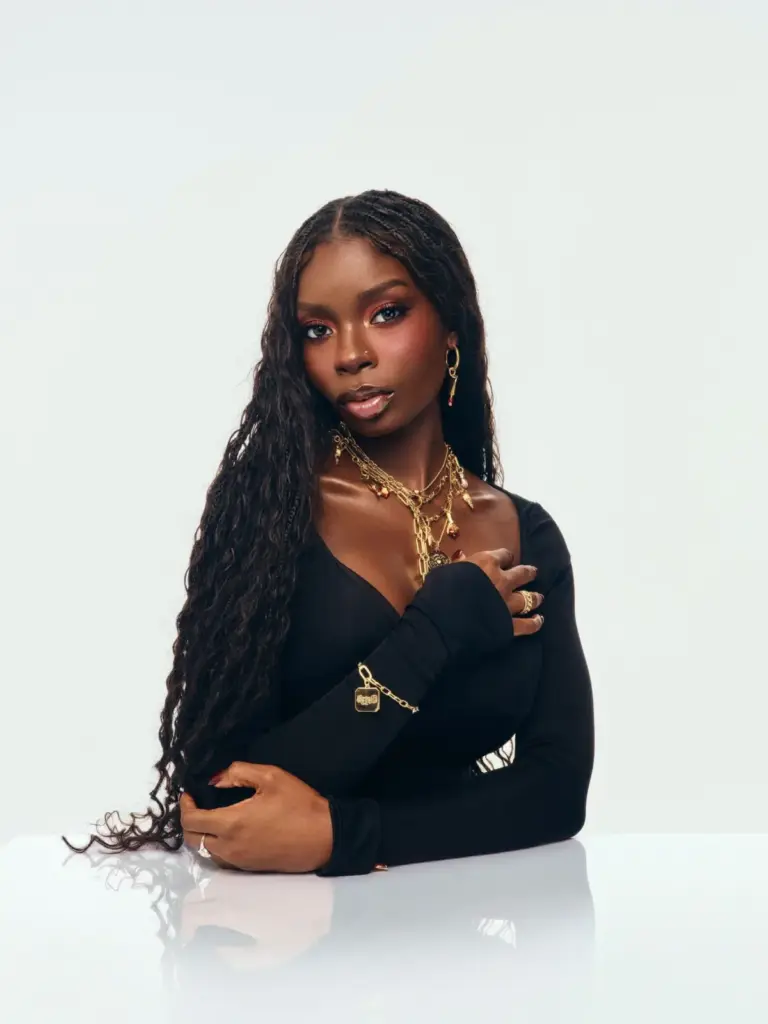
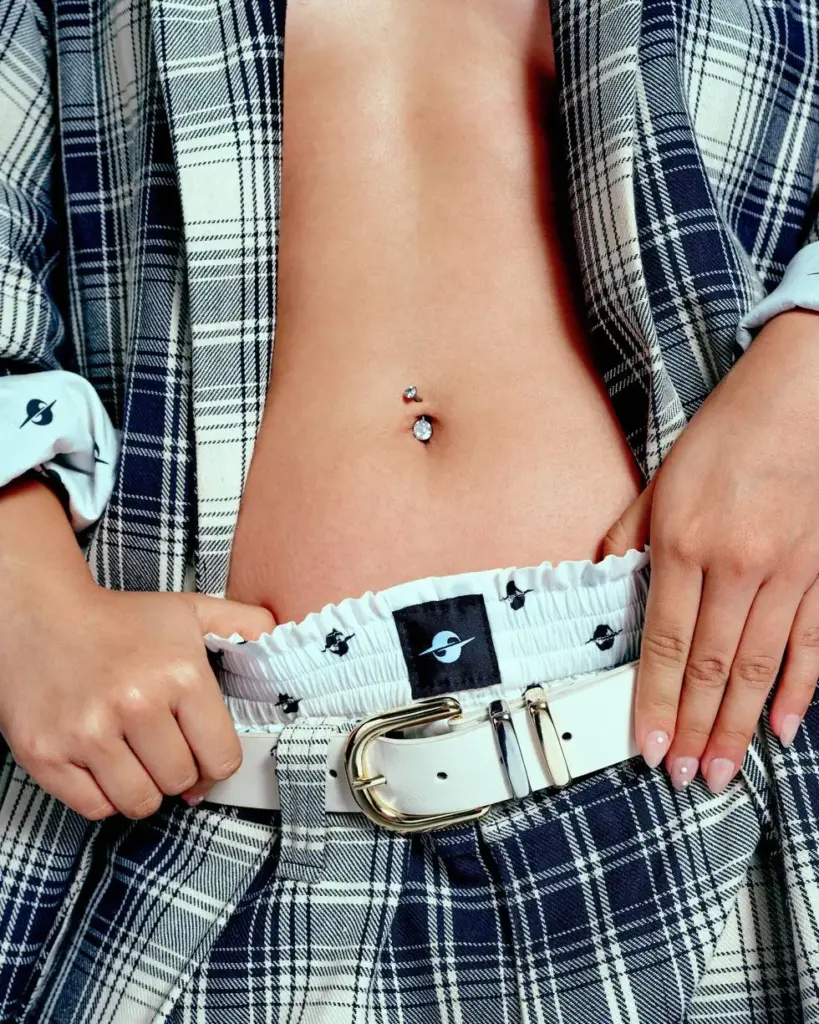
The debut campaign, unveiled in New York City on June 15, captured this duality perfectly. Photographed by Harry Eelman, the campaign imagery is both intimate and aspirational. It balances the grit of Uribe’s roots with a newly discovered creative polish. Enhanced by stunning beauty direction—featuring elite industry talents like Kien Hoang and David Velasquez, backed by official hair partner Oribe—the campaign signaled that RIO was playing a completely different game. It was a visual feast that proved the brand had not only matured, but was ready to claim its space at the top table of global fashion.
Supporting Context & Metrics: The Rise of Latino Influence in Global Fashion
The launch of RIO does not happen in a vacuum; it is part of a much larger, seismic shift in the global creative economy. Latino culture is no longer a localized subgenre or an exoticized trend—it is a central pillar shaping every corner of contemporary culture.
A Cultural Renaissance
From the global domination of Latin music icons like Bad Bunny and Rosalía to the cinematic and artistic contributions of creators across the diaspora, Latino influence is inescapable. A striking example of this cultural ubiquity occurred when model Kandrex—a key face in RIO’s orbit—took center stage during Bad Bunny’s historic Super Bowl halftime performance. These moments highlight a broader truth: the world is hungry for narratives that reflect the rich, complex, and multifaceted reality of Latine identity today.
The RIO Generation: Conscious, Connected, and Chic
Ten years after Gypsy Sport first disrupted the New York fashion scene, a brand-new generation has found its way to RIO. This modern consumer base is distinct from its predecessors. They are fiercely politically engaged, deeply conscious of environmental sustainability, and unflinchingly vocal about identity, intersectionality, and community.
For the RIO generation, personal style and socio-political values are not mutually exclusive. They demand transparency and ethical accountability from the brands they support, yet they refuse to sacrifice aesthetic pleasure. In Rio Uribe’s world, advocating for systemic change, challenging oppressive status quos, and looking breathtakingly chic are complementary pursuits.
Furthermore, the campaign’s visual language acts as a love letter to Latino pop culture. Subtle, knowing winks to iconic touchstones—ranging from the nostalgic era of Jennifer Lopez’s Jenny From the Block to the broader, vibrant aesthetics of Latino media history—anchor the imagery in a shared cultural memory while pushing it forward into avant-garde territory.
Official Statements and Creative Vision
Behind RIO’s success is a tight-knit, visionary team dedicated to redefining the boundaries of style. As the brand’s Fashion Director notes, working alongside a Latino-led team that constantly pushes the envelope is an exhilarating experience.
"One of the most exciting parts of the process is hearing what Rio is dreaming up next—how we can engage with current trends while simultaneously developing our own visual language and creating statements that feel entirely original," shares the brand’s leadership.
This collaborative spirit is palpable in every frame of the brand’s new imagery. The meticulous attention to detail in the hair and makeup execution—spearheaded by industry heavyweights Kien Hoang and David Velasquez under the banner of Oribe’s partnership—highlights the high-caliber artistry driving the label forward. Every collaborator understood the assignment, delivering a campaign that speaks volumes about the collective talent fueling RIO’s resurgence.
Future Outlook: Setting the Stage for September and Beyond
As the dust settles on the June 15 unveiling in New York City, it is clear that this campaign is merely the opening salvo for a much grander vision. Far more than a fleeting promotional moment, this launch establishes the concrete foundation for RIO’s long-term future.
The brand is currently in the process of expanding its design universe, venturing into new product categories, and refining its narrative scope. All of this momentum is carefully calculated to lead up to one major milestone: RIO’s highly anticipated September runway show.
Fashion has always been cyclical. Hemlines rise and fall, decades are endlessly resurrected, and vintage aesthetics are perpetually recycled. However, what distinguishes RIO’s current trajectory is that its success is built not on cheap nostalgia, but on organic, hard-earned evolution. It serves as definitive proof that a creative enterprise can scale, mature, and enter the luxury conversation without ever sacrificing its core identity.
Rio Uribe has proven that authentic representation is neither a trend nor a charitable act—it is an aesthetic and commercial imperative. As RIO steps boldly into its next chapter, it carries the hopes, dreams, and undeniable creative power of a new generation. One thing is certain: the future of fashion is Latino, and RIO is leading the charge.