Executive Overview
The landscape of contemporary accessories has undergone a quiet yet profound revolution. Once relegated to the realms of childhood nostalgia, school uniform mandates, or utilitarian gym gear, the headband has decisively stepped into the upper echelons of high fashion. This modern renaissance is not merely a fleeting trend, but a calculated convergence of nostalgic reclamation, celebrity-driven street style, and a broader cultural appetite for accessible yet elevated luxury.
From the runways of global fashion weeks in Paris, Berlin, and Copenhagen to the meticulously curated Instagram feeds of modern style icons like Hailey Bieber and Bella Hadid, the headband has emerged as the quintessential accessory of the decade. This comprehensive investigative report examines the driving forces behind the revival of the hair accessory market, breaking down the specific styles dominating the cultural zeitgeist—from 1990s zigzag bands to sophisticated halo braids and classic minimalist silhouettes. Furthermore, we explore the industry metrics, expert stylist commentary, and cultural shifts cementing the headband’s permanent place in the modern wardrobe.
Detailed Chronology: The Evolution of the Headband Trend
To understand how the headband achieved its current apex of cool, one must trace its recent trajectory through the corridors of celebrity culture, high-fashion runways, and digital media platforms.
The revival did not happen overnight; rather, it has been meticulously built over several seasons through a series of high-profile sartorial moments.

Phase 1: The Utilitarian-Chic Intersection (2022–2023)
The groundwork for the modern headband craze was laid when high-profile models and influencers began blending post-workout practicality with off-duty model aesthetics. A pivotal moment occurred when supermodels like Bella Hadid were frequently captured blending athletic utility with street style sensibilities.
The "sweat-proof bun" paired with a wide cotton headband became the unofficial uniform for models navigating busy schedules between fittings in fashion capitals like Paris. This period established that hair accessories could serve a functional purpose—protecting blowouts and skin during intense routines—while maintaining an undeniably chic, effortless appeal.
Phase 2: The Nostalgic Wave and Digital Amplification (2024–2025)
As the fashion industry’s infatuation with the 1990s and early 2000s reached a fever pitch, aesthetic markers from those decades flooded social media algorithms. The zigzag headband—a plastic, comb-like band that stretches across the skull to create a geometric pattern while keeping stray bangs firmly at bay—reemerged as a viral sensation.
Trendsetters like Hailey Bieber began incorporating the retro accessory into their daily looks, showcasing the piece on Instagram alongside freshly manicured nails and statement phone cases. What was once viewed as a drugstore relic of playground styling was suddenly recast as an ironic, high-fashion statement piece.

Phase 3: Runway Integration and Global Fashion Weeks (2026 and Beyond)
By the time international collections for Spring/Summer and Fall 2026 rolled out across Berlin, Copenhagen, and Paris, the headband had transcended casual streetwear to dominate the formal runway. Designers and street-style stars alike began pushing the boundaries of traditional headwear.
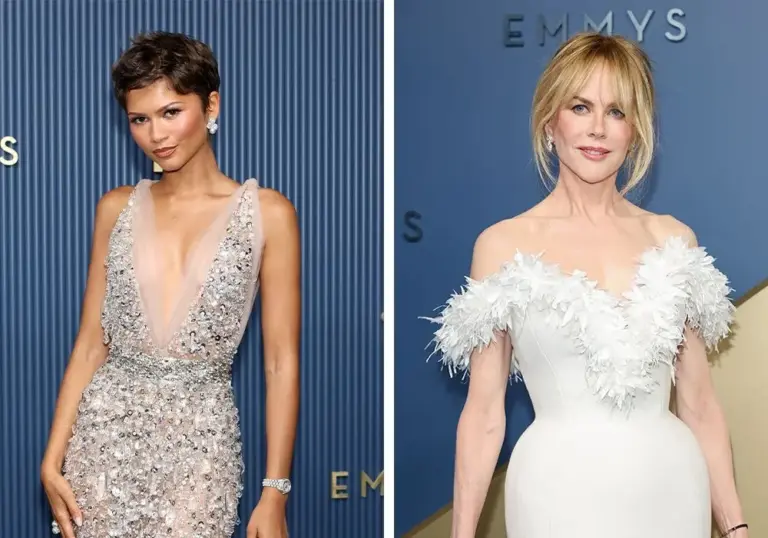
During this phase, we witnessed the explosion of romantic aesthetics, highlighted by events like the Paris premiere of The Odyssey, where cultural icons such as Zendaya showcased breathtaking halo braids. This look immediately filtered down into the consumer market, supported by leading hair extension and accessory brands. Simultaneously, events in Copenhagen and Berlin popularized avant-garde iterations, such as skinny silk scarves functioning as headbands with dramatic, cascading shoulder-length ends, alongside ultra-minimalist classic bands inspired by the enduring legacy of 90s style icons like Carolyn Bessette-Kennedy.
Supporting Context & Metrics: The Anatomy of a Hair Accessory Boom
The resurgence of the headband is underpinned by powerful shifts in consumer behavior, digital commerce, and the broader beauty and wellness economy.
The Psychology of Nostalgia and Accessible Luxury
In times of economic uncertainty and rapid technological change, consumers frequently seek comfort in nostalgic touchpoints. The late 1990s and early 2000s represent a period of perceived cultural simplicity, making Yikes-era and Y2K accessories powerful emotional anchors. Headbands offer a low-risk, high-reward entry point into trend adoption. Unlike a major wardrobe overhaul or an expensive designer handbag, a headband allows consumers to completely transform their look for a fraction of the cost.

Digital Virality and the "TikTok Effect"
Platforms like TikTok and Instagram have fundamentally accelerated the lifecycle of hair trends. Because headbands are inherently visual and frame the face during video content, they are exceptionally well-suited for short-form video algorithms. Tutorials on how to style face-framing tendrils with a classic headband, or how to fake a complex halo braid using clip-on hair accessories, regularly garner millions of views. This direct-to-consumer digital education has democratized hairstyling, empowering everyday consumers to recreate red-carpet looks at home.
Market Growth in Hair Care and Styling Accessories
Industry analysts note a significant pivot in consumer spending toward hair health and styling accessories. As consumers increasingly invest in maintaining the integrity of professional blowouts, treatments, and color work, protective accessories have surged in demand. Silk, satin, and wide cotton headbands are increasingly marketed not just as aesthetic additions, but as functional tools to minimize friction, manage sweat, and reduce mechanical damage to fragile strands.
Official Statements and Expert Analysis
Industry insiders, celebrity stylists, and fashion historians agree that the current headband phenomenon represents a permanent shift in how we accessorize our hair.
Stephanie Angelone, a master celebrity stylist at the renowned hair enhancement brand RPZL, emphasizes the accessibility of complex runway trends through modern accessory engineering. Discussing the massive popularity of braided styles seen on red carpets, Angelone notes:

"Braids are one of the defining hair trends, with the style appearing on runways and red carpets alike. Recently, we saw incredible iterations like the halo braid at major international premieres. If you don’t have medium-to-long hair to execute the look naturally, you can easily fake the same look and achieve that flawless crown effect with a specialized braided headband."
Fashion critics point out that the headband’s versatility is its greatest asset. Unlike hats, which can flatten hair or interfere with outfits, or elaborate updos that require professional intervention, headbands offer immediate architectural interest to the head.
As noted by street-style commentators covering Berlin and Copenhagen Fashion Weeks, the modern headband spans an extraordinarily wide spectrum of personal styles:
- The Minimalist Approach: Clean, padded, or flat classic headbands in neutral tones provide an air of quiet luxury, directly channeling the timeless elegance popularized by minimalist icons.
- The Romantic Aesthetic: Leaving loose, face-framing tendrils out while securing the bulk of the hair back creates an effortlessly soft, feminine silhouette that balances structure with fluidity.
- The Statement Play: Utilizing unconventional materials—such as skinny silk scarves that double as headbands with ends trailing down the shoulders—introduces dynamic movement and texture to otherwise simple outfits.
Future Outlook: Where Headbands Go From Here
As we look toward the future of accessories, the headband is poised to shed any remaining associations with temporary novelty and solidify its status as a permanent fixture in the modern wardrobe.

Technological Integration and Sustainable Materials
Looking ahead, industry leaders anticipate a surge in eco-friendly and technologically advanced materials within the hair accessory sector. Biodegradable plastics for zigzag bands, organic cottons for athletic and lifestyle wear, and ethically sourced silks for luxury iterations will become standard expectations for conscious consumers. Furthermore, brands are beginning to explore ergonomic designs engineered to eliminate the dreaded behind-the-ear pressure points that historically plagued wearers of rigid plastic headbands.
The All-Season Staple
Historically treated as a seasonal item—heavy velvet bands in the winter, bright plastics in the summer—the modern headband transcends calendar constraints. By focusing on neutral colorways, versatile textures like satin and leather, and modular designs, designers have ensured that hair accessories remain relevant twelve months a year.
Ultimately, the renaissance of the headband is a testament to the power of reinvention in fashion. By bridging the gap between utilitarian comfort and high-fashion aspiration, the humble headband has successfully reclaimed its crown, proving that the most impactful style statements are often the ones closest to the face.