Executive Overview
As a beauty editor, my inbox and direct messages are a perpetual triage center for cosmetic curiosities. I field endless inquiries from friends, family, and frantic strangers: "How do I get rid of these stubborn bumps on my face?", "What is the secret to stopping sudden seasonal hair shedding?", or "Which retinoid won’t peel my skin off?" Yet, a recent SOS call caught me entirely off guard.
My mother, who had proudly undergone microblading on her eyebrows several years ago to reclaim the architectural fullness lost to the unforgiving ’90s skinny-brow era, came to me in a panic. Her once-pristine, hyper-realistic hair strokes had warped, lost their definition, and—most alarmingly—shifted into an unflattering, persistent reddish hue.
A quick scan of industry forums, coupled with consultations from top-tier dermatologists and beauty authorities, revealed an undeniable truth: my mother is far from alone. Millions of individuals who embraced microblading as a permanent or semi-permanent panacea for thinning arches are now facing a complex cosmetic reckoning. What was once marketed as a carefree, "wake-up-and-go" solution is proving to require far more long-term maintenance, lifestyle adjustments, and corrective intervention than consumers were initially led to believe.
This deep dive investigates the science behind microblading degradation, why pigments shift color, how to prevent premature fading, and the exact playbook—ranging from advanced dermatological lasers to strategic makeup camouflage—for salvaging a microblading job gone awry.
Detailed Chronology: The Lifecycle of Microblading
To understand why microblading ages the way it does, one must first deconstruct the mechanics of the procedure itself. Often referred to as a cosmetic tattoo, microblading is fundamentally different from traditional body art.
The Application Phase
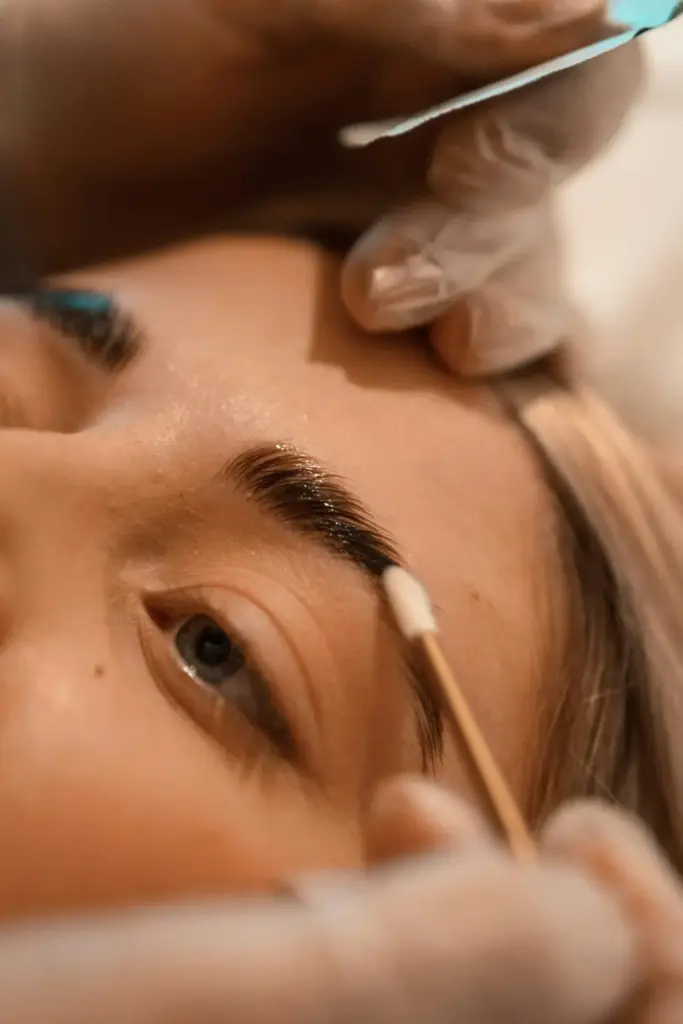
Performed using a manual hand tool outfitted with a cluster of microscopic needles, a certified brow artist incisions the superficial layers of the skin (the dermal-epidermal junction) and deposits specialized iron oxide or organic pigments. The objective is to mimic the look of individual hairs, crafting hyper-realistic strokes that blend seamlessly with existing growth.

According to board-certified dermatologist Dr. Jeanine Downie, the process demands precision. "Microblading is a process where you are depositing pigment into the skin, typically to make eyebrows look thicker," she explains. "When the tiny needles come in contact with the skin, they deposit pigment." However, Dr. Downie issues a strict caveat: individuals with overly sensitive, reactive skin conditions—such as severe eczema, rosacea, or thick scar-prone skin—should steer clear of the procedure entirely, as the skin may reject the pigment or heal unevenly.
The Healing and Fading Timeline
The immediate aftermath of microblading mimics the healing process of a standard tattoo. Clients experience a numbing phase, followed by a minor flaking period over the course of seven to fourteen days.
Initially, the newly minted brows appear shockingly dark and saturated. This is entirely normal; within two weeks, the pigment oxidizes and settles, shedding a top layer of skin to reveal a softer, more natural hue. From there, however, nature takes over. Over the span of one to three years, cellular turnover, ultraviolet (UV) radiation, and metabolic processes naturally degrade the pigment particles. Without intentional, ongoing maintenance, the crisp strokes begin to blur, soften, and shift in tone.
Supporting Context & Metrics: The Maintenance Myth and Pigment Physics
The prevailing misconception surrounding microblading has always been its longevity. Many consumers booked their initial appointments under the impression that the results would gracefully disappear after a couple of years or remain perpetually intact with zero upkeep.
The Maintenance Reality
"One of the most common concerns we hear from clients about microblading is the maintenance that comes with it," says Autumn Estelle, the U.S. national brow and beauty authority at Benefit Cosmetics and Boutiques.
Estelle notes that while the initial post-procedure results look undeniably stunning, microblading is rarely a "one-and-done" service. "It typically requires touch-ups over time to maintain your desired brow shape and color," she explains.

Compounding this maintenance gap is the natural evolution of beauty trends. The heavy, blocky, hyper-defined microbladed brows that dominated Instagram feeds in the late 2010s have given way to softer, fluffier, more natural aesthetics. As client preferences shift and original artists move or change techniques, many consumers simply stop scheduling upkeep sessions, leaving their fading brows stranded in an awkward stylistic limbo.
Why Do Brows Turn Red?
Perhaps the most distressing phase of the microblading lifecycle is discoloration—specifically, the infamous shift toward a warm, reddish or orange hue.
Dr. Downie explains that this phenomenon is largely driven by environmental exposure. "You may notice your microbladed eyebrows turn a reddish hue, often due to sun and blue light exposure," she notes.
In mixed pigment formulations (which contain black, brown, and red bases to match natural hair colors), the darker carbon-based pigments degrade much faster under UV light and cellular breakdown than the more stubborn iron-oxide red pigments. Consequently, as the black and dark brown components fade away, the residual red pigment remains trapped in the skin, creating an unwanted warm tint.
Official Statements and Expert Protocols
Rectifying compromised microblading requires a dual-pronged approach: professional dermatological interventions for those seeking radical removal, and sophisticated topical camouflage for those looking to manage the appearance without going under the laser.
The Dermatologist’s Verdict: No Quick Fixes
For those hoping for a simple topical cream or chemical peel to lift unwanted microblading pigment out of the skin, Dr. Downie offers a sobering reality check.

"There’s no way to completely reverse microblading," she warns. "It’s a commitment. Be absolutely sure you want it."
For patients who are entirely dissatisfied and wish to undergo complete removal, modern dermatology offers advanced laser technologies. However, the choice of laser is critical:
- Picosecond Lasers: Dermatologists frequently favor picosecond lasers for cosmetic tattoo removal. These devices deliver short, ultra-rapid, pressure-based pulses of energy that shatter ink particles into microscopic dust without generating excessive heat. This low-thermal profile significantly minimizes the risk of scarring and surrounding tissue damage.
- Q-Switched Lasers: While traditionally used to break down dark pigment clusters via nanosecond pulses, Q-switched lasers operate at higher heat levels. When applied to the delicate eye area, this increased thermal output carries a heightened risk of localized scarring, paradoxical skin darkening (hyperpigmentation), and permanent damage to existing, healthy brow hairs.
Prevention is the Best Medicine
To stave off premature fading and color distortion, the experts recommend an aggressive preventative regimen.
"My strong recommendation is to get a microblading touch-up once or twice a year to avoid this, as well as wear sunscreen on your whole face, including smoothing some sunscreen into your eyebrows," advises Dr. Downie. Protecting the brow area from daily UV exposure prevents the rapid breakdown of dark carbon pigments that leads to the dreaded red shift.
Future Outlook: Cosmetic Camouflage and the Next Generation of Brows
If you are caught in the awkward phase between fading pigment and your next touch-up—or if you have decided against laser removal entirely—you do not have to resign yourself to hiding under baseball caps. Beauty experts emphasize that strategic makeup application remains the safest, most flexible tool in your corrective arsenal.
The Modern Brow Pen Solution
"If someone still likes the overall shape of their microbladed brows but wants to temporarily camouflage discoloration, a brow pen is an easy way to restore a more natural-looking tone and definition," says Autumn Estelle.

Estelle recommends precision tools designed to mimic natural hair growth rather than heavy pomades that can look muddy over faded ink. Products featuring an ultra-fine brush tip—such as the Benefit Cosmetics Mighty Fine Brow Pen—allow users to paint ultra-realistic, hair-like strokes directly over areas where the original pigment has faded or shifted color.
When dealing with more severe discoloration or patches where the original microblading shape deviates from your current aesthetic goals, Estelle offers a classic makeup artist trick: "When in doubt, grab your favorite full-coverage concealer and use it to camouflage unwanted color and create a more precise-looking brow shape."
Looking Ahead: The Evolution of Semi-Permanent Cosmetics
As the beauty industry matures, the microblading reckoning is forcing both artists and consumers to evolve. We are seeing a decisive shift away from deep, invasive dermal tattooing toward lighter, more ephemeral techniques like nano-blading (performed with a digital machine for less trauma), powder brows, and hybrid shading.
Furthermore, consumer education is shifting. People are entering cosmetic studios asking not just what their brows will look like on day one, but what they will look like on day 700.
For those currently navigating the red, misshapen aftermath of the early microblading boom, the path forward requires patience. Whether you choose to neutralize the tone with a daily swipe of sunscreen and a precision brow pen, commit to an annual maintenance schedule, or embark on a series of specialized picosecond laser sessions, your brows are salvageable. The microblading trend may have caught us by surprise, but with advanced skincare science and modern cosmetic innovations, managing its aftermath has never been more achievable.