Executive Overview
The creator economy is no longer just an appendage of traditional media or an experimental side-hustle playground; it is the central engine driving modern pop culture, consumer spending habits, and high-stakes corporate enterprise. Over the past week, the industry has witnessed a staggering convergence of legacy internet lore, enterprise-level retail partnerships, and unprecedented institutional investment.
From Felicia Day’s The Guild shattering historic crowdfunding records on Kickstarter to mainstream sports titans like LeBron James carving out dominant niches in digital video, the boundaries separating independent creators from traditional moguls continue to dissolve. Meanwhile, major brands—ranging from fast-casual giants like Chipotle to multinational retail conglomerates—are increasingly tethering their quarterly strategies to Gen Alpha idols and viral influencers.
Simultaneously, a massive reshuffling of talent agency rosters in Los Angeles and New York underscores a maturing ecosystem. As creators transition from digital screens to linear broadcasting deals, international retail product lines, and even localized sports media rights packages worth over a billion dollars, the stakes have never been higher. This report provides a deep-dive analysis of the trends, updates, business moves, and bizarre anomalies defining the current landscape of the creator industry.
Detailed Chronology & Segment Breakdown
1. Creator Commotion: Milestones, Nostalgia, and Political Vlogs
The creator ecosystem continues to prove that legacy digital properties hold immense residual value, while simultaneously expanding into unconventional political and demographic territories.
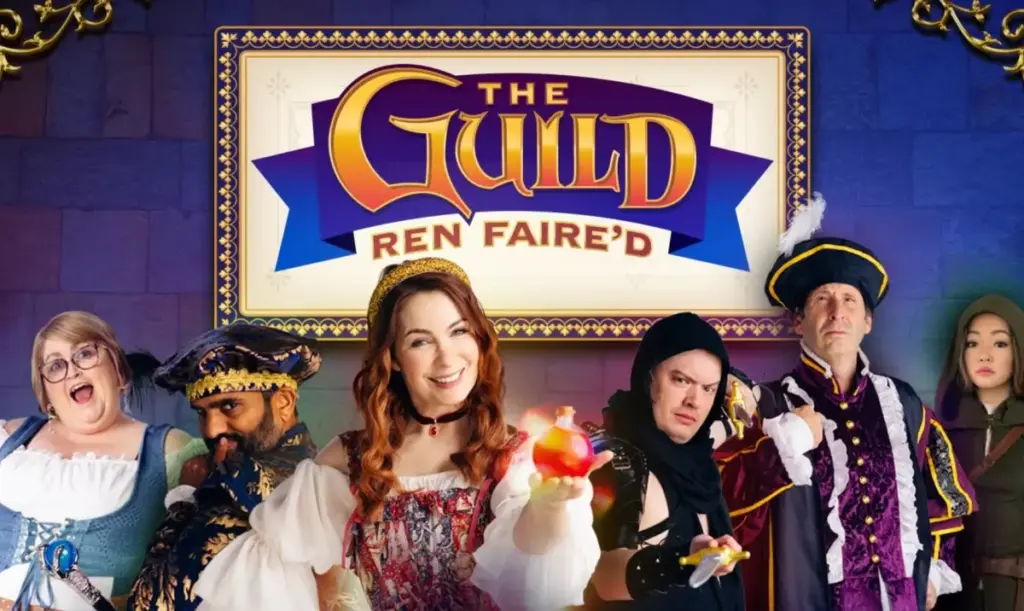
- The Guild’s Historic Kickstarter Triumph: Felicia Day’s foundational web series, The Guild, has officially etched its name into crowdfunding history. When Day announced a crowdfunding campaign to finance a feature-film revival, industry insiders anticipated robust numbers, given the show’s cult status and historical significance in the web video space. However, the final tally surpassed all expectations, raising over $5.8 million. This milestone shatters previous platform records—most notably dethroning the legendary Veronica Mars movie campaign—and signals a burgeoning appetite for nostalgic, creator-owned intellectual property funded directly by core audiences.
- Psy’s "Gangnam Style" Crosses the Six-Billion Mark: Fourteen years after globalized K-pop burst onto the scene with Psy’s unprecedented viral smash, the genre remains an absolute titan of digital media. "Gangnam Style" has officially crossed the six-billion-view threshold on YouTube, making it the ninth video in platform history to achieve this milestone. While Pinkfong’s "Baby Shark" continues to sit comfortably at the summit with a staggering 17.2 billion views—a record unlikely to be broken in the near future—nostalgia tracks like Crazy Frog’s "Axel F" are closely trailing to join the elite six-billion club.
- The White House Goes to YouTube: Political creator content is taking on a distinctly executive flavor. Following in the footsteps of Health and Human Services Secretary Robert F. Kennedy Jr., who made headlines with his YouTube healthy eating series, Transportation Secretary Sean Duffy has officially launched his own web series, The Great American Road Trip. Originally slated for a summer release, the travelogue-style series highlights infrastructure and local culture across the United States, illustrating a broader administration-wide pivot toward direct-to-consumer digital video platforms.
2. Order Up! Fast-Casual Menus and Influencer Collaborations
The intersection of influencer marketing and the fast-casual restaurant industry has moved past simple sponsored TikTok posts. Brands are now betting their flagship menus on digital creators.
- The "Salish Matter Order" at Chipotle: Chipotle Mexican Grill has officially launched the "Salish Matter Order," introducing a custom meal—featuring a specialized quesadilla alongside chips and chocolate—curated by 16-year-old YouTube sensation Salish Matter. Boasting a massive, highly engaged Gen Alpha fanbase, Matter is now the youngest creator in history to secure a dedicated digital menu item at the nationwide chain. To amplify the campaign, Chipotle has launched a sweepstakes offering fans who post about the order an exclusive chance to meet Matter in Los Angeles.
- Taco John’s Answers with The Fat Grilled Burrito: Not to be outdone in the creator-menu wars, Taco John’s has partnered with popular YouTube creator Nic Flood, better known as The Fat Electrician. A self-professed lifelong fan of the brand, Flood collaborated with culinary developers to inspire The Fat Grilled Burrito. The partnership highlights an evolving playbook for regional fast-food chains seeking to capture the loyalty of hyper-online demographics through authentic brand alignments.
- Global Virality Meets Everyday Life: On the international front, 89-year-old German influencer Werner Kalecinski—profiled extensively by The New York Times—has captured the hearts of European TikTok users. Known as "Opa," Kalecinski reviews local eateries with deadpan charm. Despite expressing utter bewilderment over why matcha has become a pervasive cultural obsession, his bewildered critiques have cemented him as one of Germany’s most endearing digital stars.
3. Sports, Gaming, and Media Rights Convergence
The traditional sports media landscape is undergoing a structural transformation as creators, athletes, and major tech platforms collide.
- LeBron James Conquers YouTube Golf: The crossover between professional athletics and creator-led sports vlogging hit a new high as NBA legend LeBron James launched a dedicated YouTube channel. Capitalizing on a highly publicized reunion of the 2016 Cleveland Cavaliers, James posted golf-centric vlogs that accumulated millions of views within days. The crossover proves that athletic dominance translates seamlessly to algorithmic dominance in the digital sports entertainment sector.
- USA Fencing Embraces the Creator Playbook: In an unexpected move to capture younger demographics ahead of the 2028 Olympic Games, USA Fencing is leaning heavily into influencer culture. By organizing a high-profile "creator showdown" in New York City, the governing body is pitting elite Olympic fencers against prominent digital influencers. The event tests whether individual personalities can translate viral charisma into mainstream ticket sales and viewership for niche athletic disciplines.
- YouTube Leads the Race for NBA Local Rights: In the realm of high-stakes corporate media, reports indicate that YouTube has emerged as the frontrunner to secure the NBA’s local broadcast streaming rights package, valued at upwards of $1 billion. Given YouTube’s existing footprint in sports broadcasting and its massive library of user-generated basketball content, the acquisition would solidify the platform’s transition from a video-sharing site into a comprehensive, tier-one television broadcast utility.
4. Agency Dealings: High-Stakes Representation Shifts
The business of managing top-tier digital talent is experiencing seismic tremors as elite creators command nine-figure valuations and global multi-platform empires.
- Alex Cooper’s Agency Realignment: Fresh off securing a massive funding round that valued her media company, Call Her Daddy host Alex Cooper is reportedly parting ways with her longtime agent at William Morris Endeavor (WME/UTA), setting her sights on a fresh team at Creative Artists Agency (CAA), according to insider reports from Bloomberg.
- Eitan Bernath Expands Empire with CAA: Culinary creator Eitan Bernath, whose approachable recipes have captivated audiences across Snapchat, Instagram, and television screens—including regular appearances on The Drew Barrymore Show—has officially signed with CAA. The partnership aims to accelerate Bernath’s transition from a digital-first food personality into a diversified offline media and lifestyle mogul.
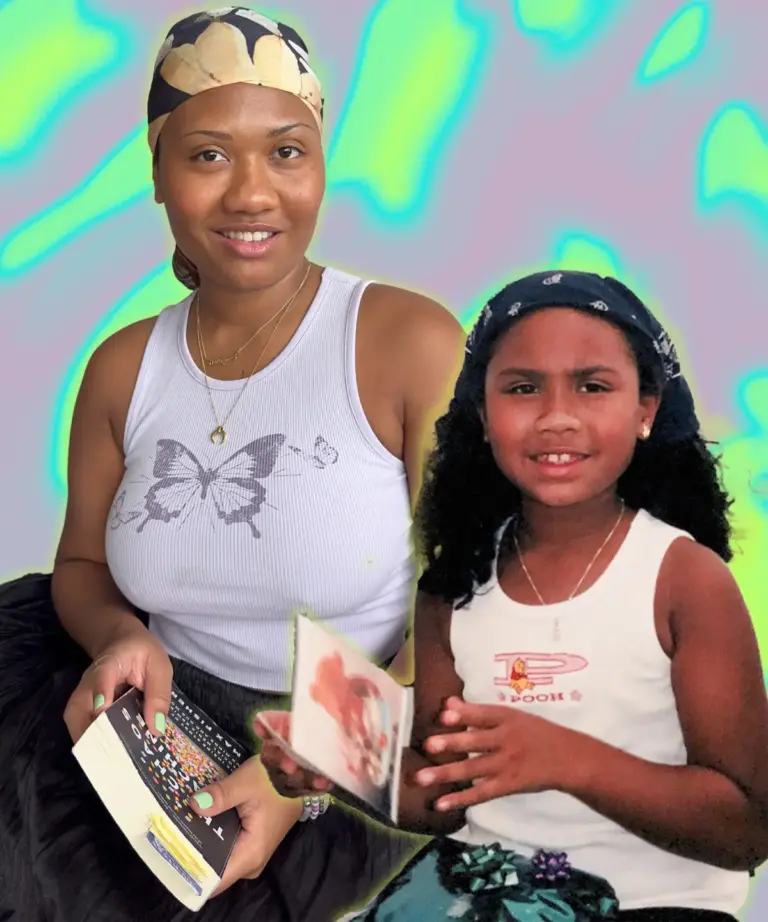
- Kat and Déjà Clark Head to Hollywood: Australian mother-daughter duo Kat and Déjà Clark have officially migrated their operations to Los Angeles after building an astonishing 20 million-strong cross-platform following. By signing with CAA, the pair are positioning themselves for major retail and consumer product lines, leveraging Hollywood infrastructure to monetize their massive digital footprint.
5. Digital Anomalies and Cultural Oddities
The internet remains a chaotic, unpredictable space where bizarre product drops and sociological experiments continuously unfold.
- e.l.f.’s Pickle-Flavored Lip Balms Return: Responding to community-driven demand and viral engagement metrics on TikTok Shop, e.l.f. Cosmetics has brought back its polarizing pickle-flavored lip balms. The tongue-in-cheek product launch highlights the immense conversion power of novelty marketing executed directly within social commerce ecosystems.
- Taiwan Simulates an Offline Reality: In a sobering reminder of geopolitical and technological vulnerability, Taiwan recently conducted simulated internet blackouts in Taipei. Designed to test infrastructure resilience against potential cyber warfare or undersea cable disruptions under Chinese threats, the drills forced citizens to temporarily experience a world entirely devoid of social media feeds and digital connectivity.
- The Bench Reviewer Hits a Perfect Ten: Sam Wilmot, the mind behind the viral Instagram account Rate This Bench, has awarded his first-ever 10/10 score after seven years of meticulously cataloging public seating across the globe. The lucky recipient? The exact bench that played a pivotal role in the inception of his romantic relationship, bringing a heartwarming narrative conclusion to a delightfully eccentric internet project.
Supporting Context & Metrics
To fully comprehend the velocity of the creator economy, one must look at the quantitative underpinnings driving these developments. The following metrics illustrate the financial and operational scale of this week’s top stories:
| Entity / Property | Milestone / Metric | Impact Category |
|---|---|---|
| The Guild (Felicia Day) | $5.8M+ Raised | Crowdfunding / Nostalgia IP |
| "Gangnam Style" (Psy) | 6 Billion Views | Global Music Streaming |
| "Baby Shark" (Pinkfong) | 17.2 Billion Views | YouTube Viewership Peak |
| Salish Matter x Chipotle | National Menu Integration | Fast-Casual QSR Partnership |
| Kat and Déjà Clark | 20 Million Followers | International Talent Expansion |
| NBA Local Rights Package | $1 Billion+ Valuation | Big Tech Sports Broadcasting |
The data confirms that niche digital communities are increasingly capable of generating blockbuster capital. When a web series from the early days of online video can out-crowdfund major Hollywood studio-backed campaigns, it proves that direct audience relationships hold superior conversion strength compared to traditional box office models.
Official Statements & Industry Perspectives
While corporate PR statements often frame these moves as natural business evolutions, industry insiders view them through the lens of aggressive market positioning.
"The era of the independent creator acting in an isolated vertical is officially over," noted an anonymous senior talent manager in Los Angeles. "When you see creators like Salish Matter integrating into enterprise fast-casual menus at age 16, or traditional agencies like CAA aggressively poaching multi-platform empires, we are looking at a fully institutionalized media economy."
Corporate buyers are equally bullish. Representatives from Chipotle emphasized that leaning into Gen Alpha digital ecosystems is no longer an optional experiment: "Our brand must meet consumers where their cultural heroes live and breathe. Collaborating with creators who command absolute attention from younger demographics is foundational to our long-term retail strategy."
Future Outlook
As the creator economy marches toward the latter half of the decade, several clear trajectories are emerging:
- Consolidation of Talent Representation: As creators build diversified portfolios encompassing consumer packaged goods (CPG), linear broadcasting, and live events, boutique agencies will struggle to compete. Expect further high-profile talent migrations toward major agencies like CAA and WME.
- Big Tech Monopolization of Sports Rights: Traditional cable television networks are rapidly losing their grip on live sports. YouTube’s pursuit of the NBA’s local streaming rights signals that Silicon Valley tech giants are prepared to outspend legacy media conglomerates to lock users into integrated video ecosystems.
- The Rise of Gen Alpha Consumer Power: Brands that fail to cultivate authentic relationships with creators beloved by Gen Alpha risk losing market share. The success of creator-driven product lines—from custom menu items to novelty cosmetics—proves that digital native consumers drive real-world retail purchasing decisions with unprecedented speed.
Ultimately, the boundary between the internet and the "real world" has completely collapsed. The creator industry is no longer a subculture; it is the primary operating system of global commerce, media, and culture.