Executive Overview
In an era defined by hyper-mobility, remote work, and frequent travel, maintaining a consistent fitness regimen has become a logistical hurdle for millions. Traditional strength training relies heavily on access to specialized gear—dumbbells, kettlebells, cable machines, and dedicated studio spaces. However, when life demands travel, family visits, or extended time away from home, routines routinely collapse.
Enter the realm of digital fitness ecosystems, where home-grown digital platforms have revolutionized how athletes and wellness enthusiasts maintain peak physical conditioning without touching a single weight. Among the vanguard of this movement is fitness trainer Amy Kiser Schemper, creator of the immensely popular YouTube channel Bodyfit by Amy.
This investigative review and fitness feature explores how Schemper’s equipment-free programming provides a robust, adaptable solution for core training on the go. By examining three distinct routines—a beginner mat Pilates session, a high-energy standing abs workout, and a combined cardio-and-core conditioning circuit—this article breaks down the biomechanics, accessibility, and functional benefits of bodyweight training. Designed for professionals and fitness seekers approaching midlife, this analysis highlights why minimal-rest, high-efficiency digital workouts are rapidly replacing traditional gym dependencies for travelers worldwide.
Detailed Chronology: Adapting to the Road
The genesis of this lifestyle fitness pivot began during a routine period of extended travel. Separated from a conventional home gym setup—complete with racks, adjustable dumbbells, and dedicated flooring—the challenge was clear: how to preserve core strength, functional stability, and cardiovascular health without traditional hardware.
Rather than succumbing to the inertia that typically plagues travelers, the search for structured, highly efficient bodyweight routines led directly to digital programming. Over the course of several weeks, the daily fitness schedule shifted away from iron and cables toward the high-tempo, low-friction environment curated by Amy Kiser Schemper.
The integration of Bodyfit by Amy routines into a nomadic lifestyle followed a progressive timeline:
- Phase 1: Stabilization and Re-centering. The initial week prioritized low-impact floor work to counteract the physical toll of long hours spent sitting in transit. Utilizing mat Pilates routines re-established deep core engagement and addressed foundational hip mobility.
- Phase 2: Vertical Efficiency. As travel schedules tightened, the middle weeks demanded a pivot away from floor-based setups. Incorporating standing core workouts eliminated the need for a mat entirely, allowing for quick sessions in hotel rooms, guest bedrooms, and tight spaces.
- Phase 3: Metabolic Integration. The final phase of the travel cycle integrated full-body cardiovascular demands with localized core endurance, culminating in dynamic, high-tempo conditioning circuits that successfully replicated the metabolic output of a traditional gym session.
Supporting Context & Metrics: The Science of Equipment-Free Core Training
The shift toward bodyweight training is more than a mere convenience; it is supported by established principles of exercise science and kinesiology. When external loads are removed, the body relies on closed-kinetic-chain movements, neuromuscular coordination, and stabilizing musculature to generate force and maintain posture.
1. The Beginner Mat Pilates Workout (25 Minutes)
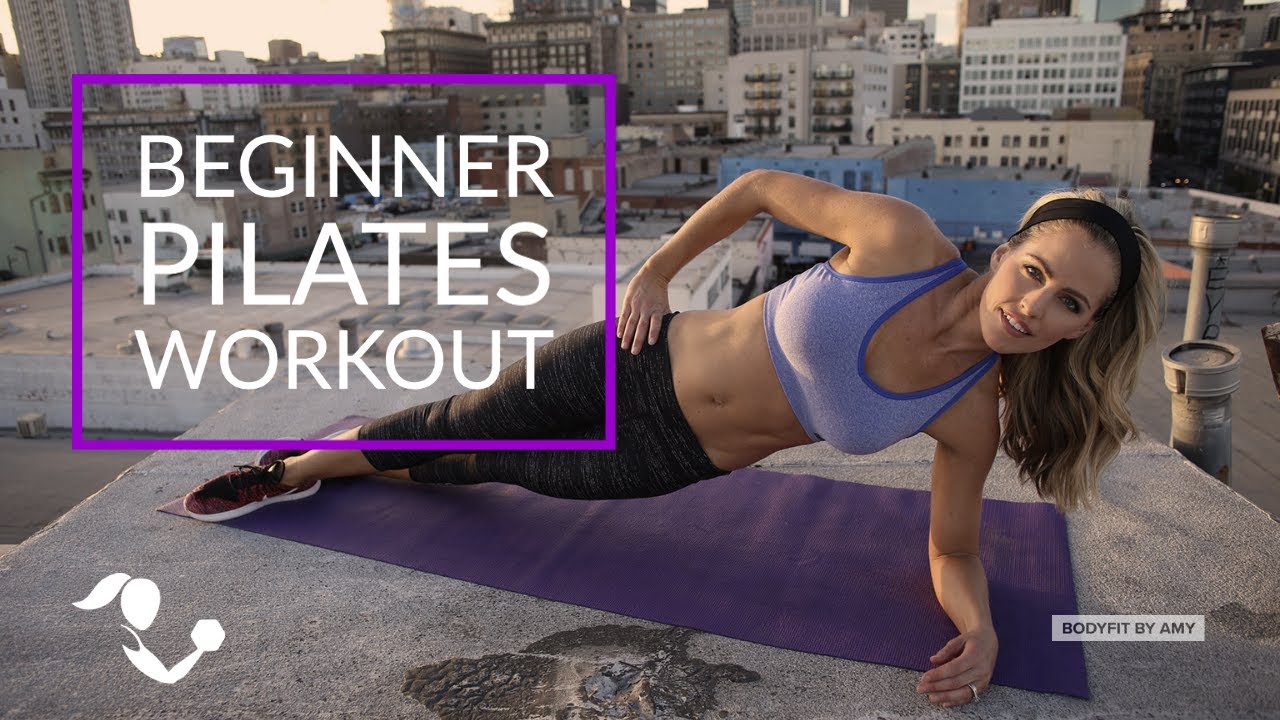
For those transitioning back into fitness or mitigating the stiffening effects of travel, Schemper’s 25-minute low-impact mat Pilates session serves as a masterclass in functional control.
- Dead Bug: This movement engages the transversus abdominis—the deep core cylinder that acts as a natural weightlifting belt. By challenging contralateral coordination (moving opposite limbs simultaneously), the dead bug trains the nervous system to stabilize the spine against rotational forces.
- Side Plank: Targeting the obliquus internus and externus abdominis, the side plank builds lateral stability, protecting the lower back from shear stress.
- Clamshells: While technically targeting the gluteus medius and hip rotators, clamshells are crucial for individuals who sit for prolonged periods. Sedentary travel often deactivates the glutes, leading to compensatory lower back pain. Rebuilding hip mobility directly enhances core kinetic output.
2. The Standing Abs Session (12 Minutes)
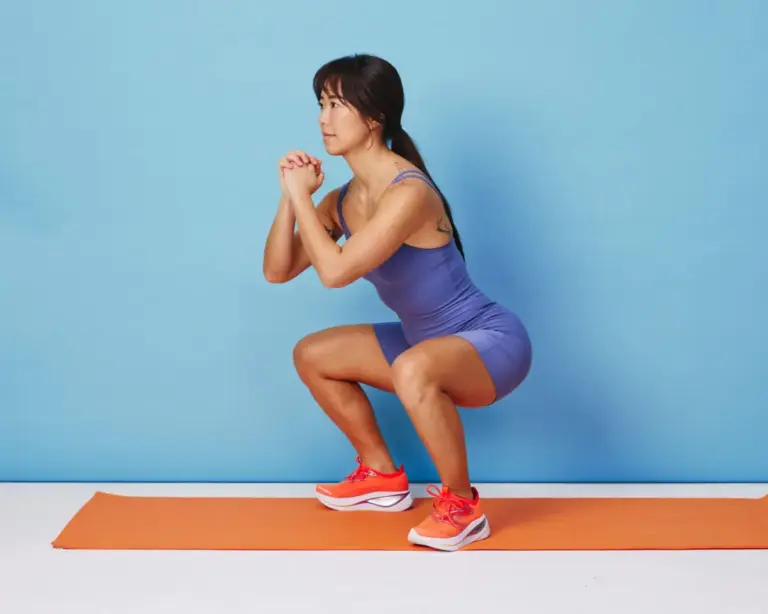
Breaking the paradigm that effective core work requires floor mats, the 12-minute standing abs workout relies on rapid transitions, balance, and gravity.
- Contralateral Training: Many of Schemper’s standing movements require crossing the midline of the body (e.g., opposite elbow to knee). This stimulates bilateral neural pathways, improving overall physical agility and cognitive-motor integration.
- Single-Leg Stability: Performing core exercises while balancing on one leg introduces an unstable surface, forcing the ankle, knee, hip stabilizers, and core to work in unison. For individuals approaching 50, maintaining and improving single-leg balance is a critical metric for long-term functional longevity and fall prevention.
3. Cardio & Core Conditioning (26 Minutes)
Combining metabolic conditioning with core stability maximizes caloric expenditure in minimal time.
- Compound Movements: Incorporating standing mountain climbers, cross punches, and knee-hop punches elevates the heart rate while maintaining tension through the midsection.
- Metabolic Rate: The integration of short rest times creates an anaerobic stimulus, keeping the metabolic rate elevated long after the workout concludes.
Official Statements & Trainer Philosophy
The enduring appeal of Bodyfit by Amy lies in its distinct pedagogical approach. Schemper’s coaching philosophy centers on inclusivity, realism, and sustainable movement patterns designed for real people balancing busy lives, family commitments, and physical changes over time.
"Fitness should meet you where you are, using what you have available," Schemper often emphasizes in her instructional introductions. "You don’t need an elaborate gym setup to build a resilient, strong body. Consistency, good form, and intentional movement will always outperform expensive equipment used haphazardly."
Subscribers and fitness reviewers frequently highlight Schemper’s calm, encouraging demeanor. In an industry often dominated by high-intensity yelling and unrealistic aesthetic standards, her gentle, instructional delivery provides an accessible entry point for beginners while offering scalable progressions for advanced athletes.
Industry experts note that digital fitness creators who prioritize functional longevity—such as core strength, joint mobility, and balance—are filling a crucial gap left by traditional commercial gyms, which historically overemphasized isolated machine work over integrated human movement.
Future Outlook: The Evolution of Digital and Travel Fitness
As remote work models mature and global mobility continues to rise, the demand for flexible, high-efficacy fitness solutions will only accelerate. The traditional gym membership is no longer the sole benchmark of a serious fitness routine; instead, digital curation is taking center stage.

The Rise of Hybrid Fitness Models
Fitness consumers are increasingly adopting hybrid habits: maintaining traditional gym memberships for heavy resistance training while utilizing digital trainers like Amy Kiser Schemper for travel, recovery days, or time-crunched home workouts. This democratization of fitness ensures that individuals are no longer penalized by geographical constraints or packed travel schedules.
Aging Actively: The Focus on Mobility and Balance
Looking toward the next decade, fitness programming is shifting away from purely aesthetic goals toward functional fitness and healthspan extension. Exercises that target core stability, pelvic floor integrity, and unilateral balance—such as those featured in Schemper’s standing and Pilates routines—are becoming central pillars of preventative healthcare. As populations age, the ability to maintain functional independence through bodyweight mastery will remain an invaluable asset.
Conclusion
Ultimately, the disruption caused by travel or lack of equipment is only a barrier if the mindset remains rigid. Through the thoughtful application of equipment-free digital workouts, maintaining core strength, elevating cardiovascular health, and preserving joint mobility is entirely achievable anywhere in the world. Platforms led by instructors like Amy Kiser Schemper prove that with the right guidance, the best gym in the world is the one you can carry in your pocket.