Executive Overview
In the modern fitness landscape, the intersection of sustainability, convenience, and personal hygiene has sparked a quiet debate among gym-goers and fitness enthusiasts alike: Is it genuinely acceptable to rewear your activewear without washing it first? Driven by a mix of "girl math" logic, the desire to cut down on weekly laundry loads, and eco-conscious efforts to preserve technical fabrics through fewer wash cycles, many people regularly push their workout gear into a second—or even third—rotation.
However, dermatological science suggests that our casual laundry shortcuts might come at a cost to our skin. While a leisurely outdoor walk or a brief, low-intensity indoor cycling session might leave workout clothes looking and smelling deceptively fresh, microscopic realities tell a different story. Sweat, sebum, and skin-shedding combine with textile fibers to create a breeding ground for bacteria.
This in-depth investigative report explores the biochemical realities of unwashed activewear, consulting top dermatological experts to evaluate the true risks of body acne, fungal infections, and skin irritation. By examining the nuances of workout intensity, fabric composition, and post-exercise hygiene habits, this article provides an authoritative guide on when you can safely press "pause" on your laundry routine—and when throwing your gear straight into the wash is non-negotiable.
Detailed Chronology: The Lifecycle of Sweat and Activewear
To understand why rewearing activewear can trigger dermatological issues, it is essential to trace the precise timeline of what happens to sweat and bacteria the moment exercise begins.
Phase 1: The Initial Workout (Generation of Sweat)
When physical exertion begins, the human body activates its eccrine and apocrine sweat glands to regulate internal temperature. Pure, fresh sweat is largely composed of water, electrolytes, small amounts of urea, and lactate. On its own, fresh sweat is virtually odorless and chemically neutral.
However, the moment this moisture makes contact with the skin’s surface, it encounters a complex microbiome consisting of millions of resident bacteria, including species of Corynebacterium, Micrococcus, and Staphylococcus. These microorganisms feed on the organic compounds found in sweat and sebum (skin oils).
Phase 2: Absorption and Incubation
Activewear is engineered to wick moisture away from the skin to keep the wearer comfortable. While this prevents chafing and overheating during exercise, it also means that your technical garments actively absorb moisture, skin cells, and microbial populations directly into the fabric matrix.
When you strip off your workout clothes and hang them up to "air out" instead of washing them, the bacteria do not vanish. They remain embedded within the yarn fibers. While the garment may dry, putting those same clothes on the next day reintroduces dormant bacteria to a warm, humid microclimate as soon as your body heat activates them again.
Phase 3: The Secondary Exposure and Pathological Impact
Donning unwashed activewear for a second session creates an immediate incubator effect. Trapped against the skin, the accumulated bacteria proliferate rapidly. As dermatologists point out, prolonged friction combined with bacterial colonization breaches the skin barrier, leading to clogged pores, folliculitis, and localized inflammatory responses commonly known as "bacne" (back acne) or chest breakouts.
Supporting Context & Metrics: The Science of Sweat, Fabrics, and Skin Health
To evaluate the safety of rewearing activewear, we must examine the specific variables that influence skin health: workout intensity, textile technology, and microbial biology.
The Role of Workout Intensity
Not all physical exertion poses the same level of risk to your integumentary system (skin). Dermatologists categorize workouts into distinct risk tiers based on sweat volume and skin friction:
- High-Intensity / High-Sweat Activities: Running, hot yoga, high-intensity interval training (HIIT), and indoor spin classes generate profuse sweating and intense friction. These workouts maximize the transfer of sweat and bodily fluids into the fabric, making immediate laundering imperative.
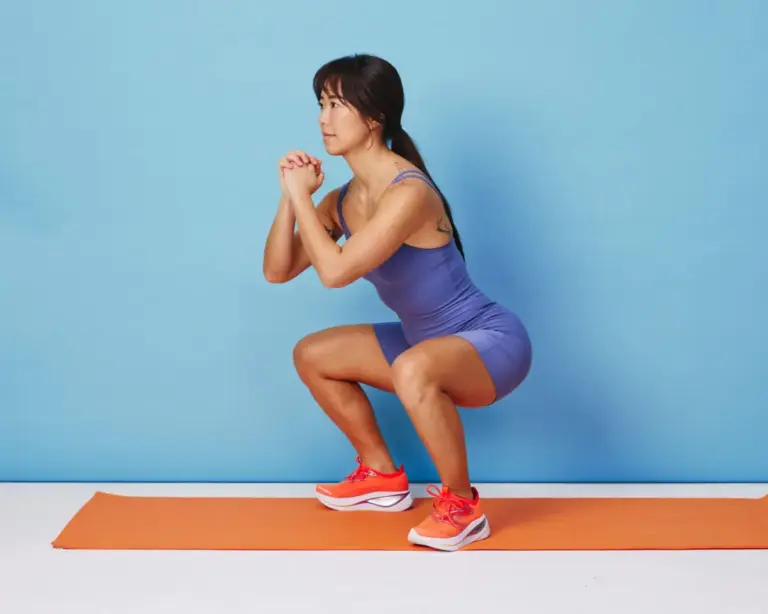
- Low-Intensity / Low-Sweat Activities: Restorative yoga, gentle Pilates, stretching, and casual walking produce minimal perspiration. For these sessions, the volume of sweat transferred to the garment is significantly lower, which reduces—though does not entirely eliminate—the microbial load.
The Textile Factor: Synthetics vs. Naturals
The material composition of your activewear plays a monumental role in how your skin reacts to repeated wear:
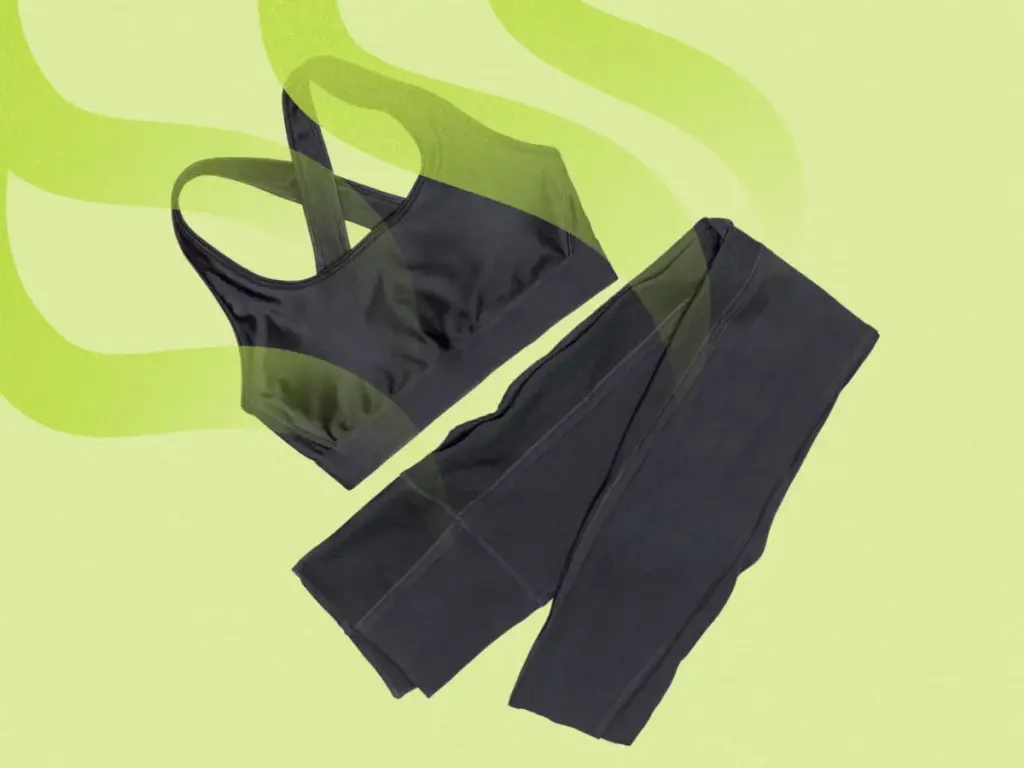
- Synthetic Fibers (Polyester, Nylon, Spandex): The vast majority of modern activewear is constructed from synthetic polymers. While these materials excel at moisture-wicking and durability, their hydrophobic nature traps oils, bacteria, and odors within microscopic crevices. Synthetic fibers are notoriously difficult to fully sanitize without hot water and specialized detergents, making them more prone to lingering odors and bacterial retention upon rewear.
- Natural Fibers (Cotton, Bamboo, Merino Wool): Although harder to source in trendy athletic cuts, natural fibers like cotton and merino wool are vastly more breathable. Cotton absorbs moisture differently than synthetics, allowing for better air circulation and a lower propensity for trapping aggressive anaerobic bacteria, though it retains moisture longer during heavy exertion.
Dermatological Risk Matrix: What Happens to Your Skin?
Prolonged exposure to unwashed activewear can manifest in several distinct clinical conditions:
- Mechanica Acne: Friction combined with trapped sweat and bacteria blocks hair follicles, leading to inflammatory papules and pustules on the back, shoulders, and chest.
- Folliculitis: An infection or inflammation of the hair follicles, frequently caused by Staphylococcus aureus or Malassezia (fungal folliculitis), which thrives in the occlusive environment created by tight, sweaty synthetic fabrics.
- Contact Dermatitis: Residual sweat, body salts, and laundry detergent breakdown products can trigger allergic or irritant contact dermatitis when redeposited onto sensitive skin.
Official Statements & Expert Insights
To gain professional clarity on this everyday hygiene dilemma, we consulted leading dermatological authorities who treat activewear-induced skin conditions on a daily basis.
"The longer the bacteria stays in contact with your skin, the higher the chance it can become harmful," explains Dr. Brianna Olamiju, MD, FAAD, a board-certified dermatologist based in New York. "Usually, it manifests as acne. I see a lot of patients who experience breakouts on their chest or back—often individuals who work out frequently, run errands or go straight to brunch afterward, and are unable to change or wash immediately."
Addressing the common habit of letting clothes dry and wearing them a second time, Dr. Olamiju offers a sobering reality check:
"Even if you take your activewear off and let it dry overnight, the bacteria from the prior workout does not simply disappear. Some of that microbial residue still lingers. When you put those clothes back on, you are reintroducing that bacteria to your skin barrier. It’s very likely going to develop an odor, but more importantly, it can still cause acne, folliculitis, or localized skin irritation."
When asked about which specific garments require the strictest laundering protocols, Dr. Olamiju draws a firm line between outer layers and foundational wear:
"For women, changing your sports bra is absolute non-negotiable. You might occasionally get away with wearing a loose outer tee a second time if your workout was exceptionally light, but sports bras and underwear are direct-contact items that trap sweat, heat, and friction. Those are the pieces you must wash after every single use."
Finally, balancing clinical ideals with realistic lifestyle practices, Dr. Olamiju summarizes the medical standard: "The textbook dermatologist’s answer is that you should wash every activewear item after every single workout. However, people can use sensible discretion based on their personal sweat levels, the intensity of the movement, and how comfortable they feel in the garment."
Future Outlook: Sustainable Laundering and Smart Activewear
As the fitness and textile industries continue to evolve, the tension between eco-friendly laundry habits and optimal skin health is driving remarkable innovations in fabric science and garment care.
Antimicrobial Textiles and Silver Ion Infusions
To combat the microbial buildup that occurs during workouts, textile engineers are increasingly turning to advanced material treatments. Modern activewear brands are integrating silver ions, copper threads, and botanical antimicrobial treatments (such as eucalyptus or chitosan extracts) directly into synthetic yarns. These treatments actively inhibit bacterial proliferation, effectively reducing odor development and extending the hygienic lifespan of a garment between washes. However, dermatologists caution that antimicrobial treatments do not completely replace the need for washing, as they cannot eliminate accumulated skin cells, salts, and body oils.
Eco-Friendly Washing Practices
For consumers dedicated to reducing their environmental footprint without sacrificing skin health, the focus is shifting toward sustainable laundering techniques. Rather than running a full, heavy-duty hot wash for lightly worn yoga pants, eco-conscious fitness enthusiasts are adopting targeted care routines:
- Spot-Washing and Rinsing: Immediately rinsing low-sweat garments in cold water post-workout and hanging them in direct sunlight (where UV rays provide natural disinfection) can safely neutralize light wear.
- Low-Temperature Eco-Detergents: Utilizing specialized enzymatic workout detergents designed to break down body oils and bacteria at lower water temperatures protects technical fabrics while ensuring thorough sanitization.
- The "Sniff and Inspect" Protocol: Establishing a strict personal threshold—reserving rewears exclusively for sub-20-minute, low-exertion sessions while maintaining a zero-tolerance policy for sports bras, underwear, and high-intensity gear.
Conclusion
Ultimately, while "girl math" and sustainability goals encourage us to minimize laundry loads, our skin biology operates under uncompromising rules. By understanding the distinct relationship between workout intensity, fabric composition, and bacterial growth, you can strike a healthy balance between protecting your skin and preserving your wardrobe. When in doubt, remember the dermatologist’s golden rule: if it touched high-friction areas or bore the brunt of heavy sweat, let the washing machine do its job. Your skin will thank you.