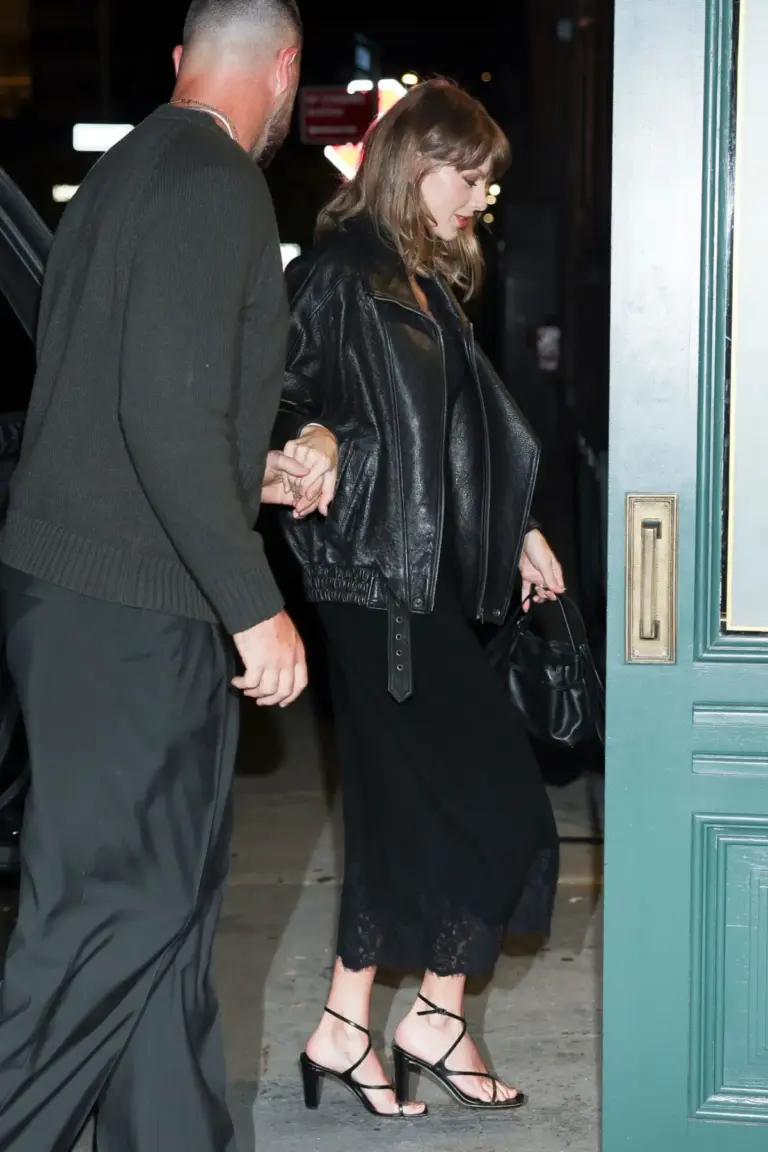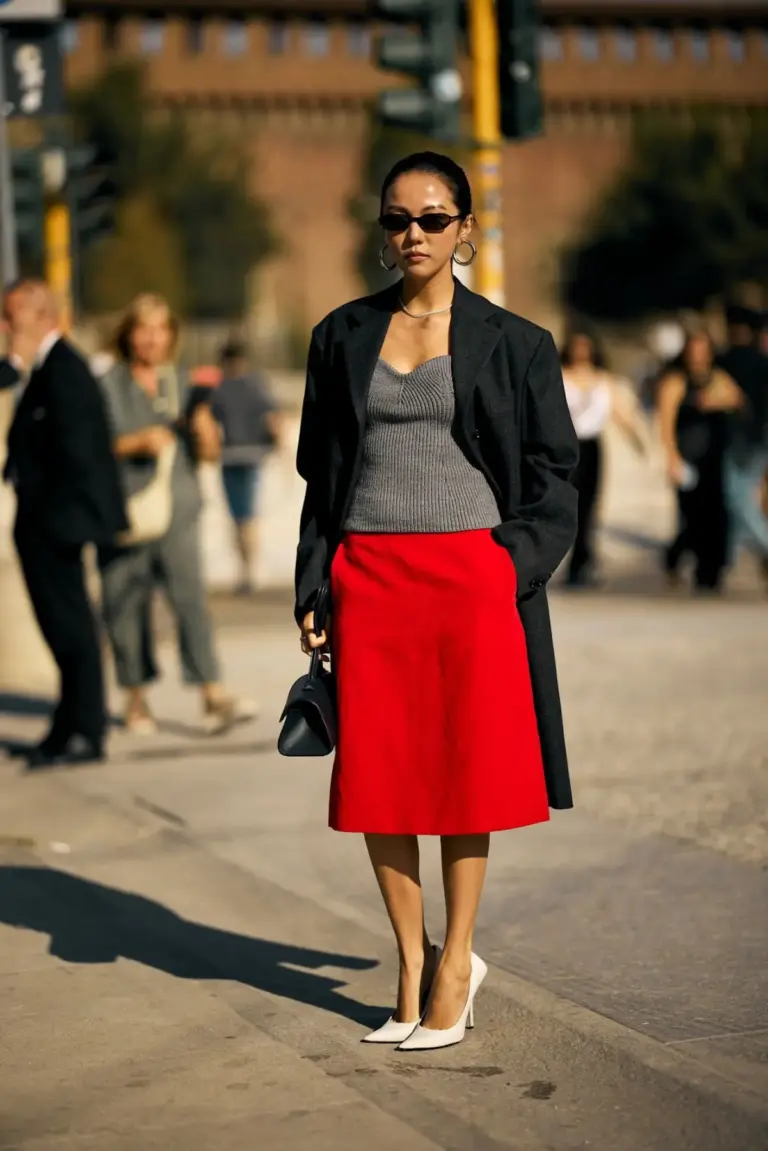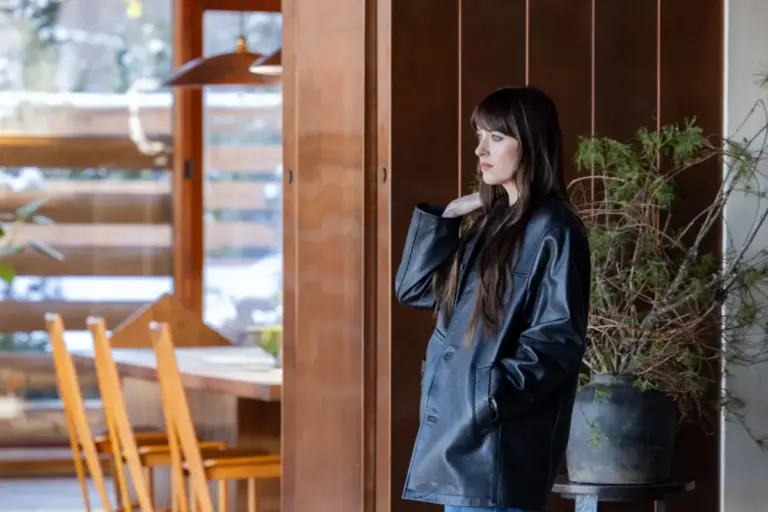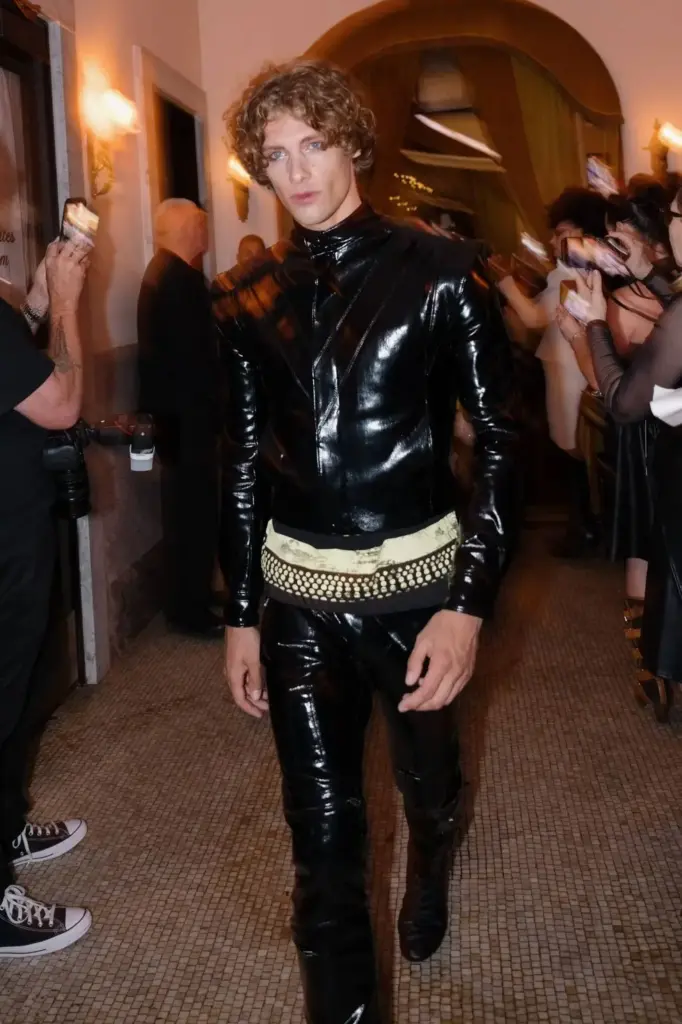
To the uninitiated, Fashion Month is ostensibly an orderly exercise in sartorial presentation and refined glamour. Yet, anyone who has endured four consecutive weeks of navigating gridlocked traffic, surviving standing-room-only presentations in drafty industrial spaces, and attending post-show afterparties that aggressively flout midnight curfews knows this is a remarkably generous interpretation of the industry’s reality.
This September, as the global style caravan touched down in New York and London for the Spring/Summer collections, the clothes served as merely the prologue. What followed was a dizzying cultural convergence: runway fantasies that pushed material limits, unexpected downtown cameos, heritage houses grappling with high-stakes identity crises, A-list sightings materializing with algorithmic precision, and a nocturnal social circuit that rendered the phrase "just one drink" the season’s most widespread fiction.
From a grueling two-hour pilgrimage through Queens to witness Raúl López’s latest triumph at the Unisphere, to Alexander McQueen’s triumphant homecoming on British soil, and the necessary sensory resets found in historic perfume halls, the first half of Fashion Month was permanently etched into the industry’s collective consciousness. This report breaks down the standout moments, the powerhouse collections, and the cultural undercurrents that defined New York and London Fashion Weeks.
Detailed Chronology
New York Fashion Week: The Big Apple’s Triumphant Chaos
Luar
Raúl López remains an unyielding beacon of light for a fashion community frequently fatigued by corporate homogenization. Luar continues to master a delicate alchemy that millions of dollars in marketing budgets fail to manufacture: a fashion show must feel like an immersive world, not a sterile PowerPoint presentation with optimized lighting.
Presented after a grueling, traffic-choked drive to Queens that forced attendees to scramble over security rails just to make the start time, López’s latest collection was a masterclass. It gracefully collided high-fashion polish, gritty downtown attitude, and proud Dominican identity. It easily secured its place as one of the defining emotional and aesthetic highlights of New York Fashion Week.
7 For All Mankind
As PAPER’s Fashion Director Angelina Cantu succinctly observed: "Hot. Sexy. Fabulous. I love a girl who can pump it. Thank God for Nicola Brognano." While the collection itself stood out as one of the season’s strongest ready-to-wear offerings, the styling proved to be an instant cultural blueprint. Expect to see Brognano’s sharp, dynamic silhouettes aggressively replicated across global street style for the foreseeable future.
Rio
Rio Uribe injected an undeniable surge of vitality into an already chaotic schedule. Consistently recognized as one of the most underrated visionary designers working today, Uribe used this season to reinforce his deep commitment to amplifying Latino—and specifically Mexican—culture through high fashion.
The presentation was elevated, deeply personal, and culturally resonant. It was a gratifying full-circle moment to witness Fuerza Regida’s JOP front-row alongside Snow Tha Product, who commanded the runway. The trio had originally connected earlier in the year at an intimate PAPER Español dinner celebrating Latin creative communities. Mission accomplished; salud, Rio.
Coach
Celebrating its 85th anniversary, Coach proved that heritage can age with peerless grace. Creative Director Stuart Vevers marked the milestone with a nostalgic collection steeped in New York mythology before funneling the entire guest list into a Studio 54-style birthday blowout. Surrounded by a glitterati including Elle Fanning and Storm Reid, the party embodied the quintessential New York ethos: look expensive, wear your history proudly, and stay out dangerously late.
ESSENCE Fashion House & Zaldy
The ESSENCE Fashion House understood the assignment and immediately elevated it to legendary status. Taking over Jean’s for one of the most electric parties of the week, the venue hosted a powerhouse room featuring Daniel Kaluuya, Coi Leray, Nasir Dean, Leon Thomas, and Claressa Shields. With Va$htie Kola controlling the decks and Flo Milli delivering an unforgettable dance floor performance, it was a masterclass in unpretentious industry fun.
Meanwhile, Zaldy made his official CFDA calendar debut with a theatricality native to a career bridging fashion, performance, and pop spectacle. Treating the runway more like a stage than a traditional showroom, Zaldy infused the room with a rare, infectious joy, supported by Auger founders Dave and Leigh Anne Clark’s creative incubator.
Zane Li, Campillo, and Guvanch
- Zane Li: Fresh off winning the prestigious Karl Lagerfeld Award from the LVMH Prize in Paris, Li presented a collection defined by bold graphic lines, electric color pops, and a sleek, sexy modernity. PAPER Editorial Director Mickey Boardman named Li among his top picks of the season, cementing the designer as a must-watch before mainstream saturation hits.
- Campillo: Injecting a sharp Mexican sensibility into the New York conversation, Campillo grounded artisanal craft in contemporary tailoring. Rejecting static heritage tropes, the label proved that the future of luxury is intensely global and proudly specific.
- Guvanch: Delivering sensuality, glamour, and off-kilter fantasy, Guvanch catered to those who view "too much" as a baseline requirement rather than a warning label, utilizing body-conscious silhouettes and dramatic theatrical proportions.
Henry Zankov, Montblanc, and Tory Burch
- Henry Zankov: Enjoying a massive banner week, Zankov debuted his signature fun, colorful knits alongside his critically lauded debut for Diane von Furstenberg (DVF). Blending classic DVF codes with a modern perspective, Zankov proved a profound understanding of the brand’s legendary heritage.
- Montblanc: Celebrating its centennial in high-society style at the Crane Club, Montblanc hosted an elite roster including Paul Anthony Kelly, Alexandra Daddario, and Princess Marie-Olympia of Greece, soundtracked by legendary DJ Honey Dijon alongside Creative Director Marco Tomasetta.
- Tory Burch: Earning high praise from Mickey Boardman for catering to the sophisticated tastes of high-society dressing, Burch balanced weeks of maximalist runway theater with rich, glamorous knits and feathered boas that simply knew how to behave.
KidSuper: The People’s Runway
Colm Dillane continued to shatter traditional fashion paradigms, transforming the runway into an open-access community spectacle. Presented by Brooklyn Borough President Antonio Reynoso, Borough Hall Plaza was converted into an outdoor catwalk and concert stage.
The event spotlighted five emerging Brooklyn-based talents—Kuai Li, Lamin Rey Jaiteh, Laurel Tiange Fang, Moses Aina, and Roderick Reyes—who received mentorship from industry insiders like Angelina Cantu and $15,000 grants. Capped off by performances from Wyclef Jean, the Songs of Solomon Choir, and a surprise appearance by Lauryn Hill, the event reaffirmed Dillane’s populist ethos.
J Balvin, Rachel Antonoff x Susan Alexandra, and The Martinez Brothers
- J Balvin: Partnering with Kiton for "Kiton para J Balvin Familia," the Colombian superstar merged his maximalist personal energy with Neapolitan tailoring through double-breasted suits and rich leather pieces, alongside a vibrant pop-up for VÉLEZ in SoHo.
- Rachel Antonoff x Susan Alexandra: Teaming up for "Best in Show," the duo presented a witty presentation featuring adoptable rescue dogs from Animal Haven. Standout moments included actor Bob Balaban sporting an inspired trompe l’œil cardigan.
- The Martinez Brothers: The dynamic DJ duo bridged the gap between New York’s fashion elite and subterranean club culture, injecting essential nocturnal electricity into a perpetually exhausted city.
London Fashion Week: Baroque Drama and Heritage Resets
Simone Rocha
Turning toward the baroque intensity of Caravaggio, Simone Rocha delivered a collection steeped in beauty, violence, and romantic turmoil. Roses, intricate embroidery, tulle overlays, and drop-waist silhouettes transformed the runway into a living gallery painting—romantic in the truest Rocha definition: breathtaking, haunted, and laced with quiet danger.
Ginny Litscher
Demonstrating true avant-garde nerve, Litscher staged her runway directly over a swimming pool. True to Murphy’s Law, the inevitable occurred when an attendee took an unceremoniously accidental plunge into the water, champagne flute and smartphone intact (thankfully, no models were harmed). The collection itself boasted a tactile, eccentric sensibility tailored for high-end resort lounging.
McQueen
In one of the most anticipated moments of the month, McQueen returned to London Fashion Week for the first time since 2001. Staging the Spring/Summer 2027 collection in the Undercroft of Lincoln’s Inn Chapel, Creative Director Seán McGirr merged Renaissance motifs, raw rave culture, and Savile Row tailoring, drawing heavily from Huntsman archives and Lee McQueen’s foundational DNA.
While initial critical reception was mixed—a testament to the impossibly high historical bar set by the house—a closer inspection during market re-sees revealed exceptional craftsmanship and sophisticated tailoring.
Liberty London & Burberry
- Liberty London: No London pilgrimage is complete without a sensory detour through Liberty’s historic fragrance department, serving as an effective olfactory palate cleanser against lingering backstage hairspray.
- Burberry: Daniel Lee closed out London Fashion Week by collaborating with textile legend Celia Birtwell. Integrating hand-drawn florals and playful motifs with the iconic Burberry check, the show softened heritage codes while generating viral social media moments, courtesy of Central Cee’s runway walk.
The PAPER Party
Concluding the whirlwind fortnight, PAPER, Lexus, and Ambush hosted what many deemed the definitive party of the season. Featuring a powerhouse DJ lineup including Huddy, Rei Ami, DJ Pee.Wee, and Ty Dolla $ign, the room brought together an elite cohort of culture-shapers, including Bad Gyal, JOP, Sebastian Yatra, Alton Mason, Joan Smalls, JoJo, Coi Leray, Saweetie, Sofi Tukker, Snow Tha Product, and N3on.
Supporting Context & Metrics
To contextualize the scale of Fashion Month’s cultural and economic footprint, industry analysts track several core metrics across the New York and London circuits:
- Geographic Expansion: NYFW saw a 14% increase in outer-borough venue utilization (such as Queens and Brooklyn), shifting the center of gravity away from traditional Manhattan strongholds.
- Collaborative Philanthropy: Programs like KidSuper’s People’s Runway injected direct financial support ($75,000 total across five emerging Brooklyn designers) paired with institutional mentorship.
- Digital Engagement & Viral Velocity: High-impact crossovers—such as Central Cee walking for Burberry and Lauryn Hill’s surprise performance—drove millions of engagements across TikTok and Instagram within hours of execution, validating the shift toward experiential fashion marketing.
Official Statements
"Hot. Sexy. Fabulous. I love a girl who can pump it. Thank God for Nicola Brognano."
— Angelina Cantu, Fashion Director, PAPER"Tory Burch is always chic and knows how rich ladies love to dress. This season the knits and boas were particularly glamorous and fun."
— Mickey Boardman, Editorial Director, PAPER
Future Outlook
As the fashion caravan shifts its focus toward Milan and Paris, the events of New York and London have established a clear trajectory for the industry’s future. The traditional, insular runway presentation is rapidly giving way to community-driven spectacles, cross-disciplinary collaborations, and globalized cultural storytelling.
Brands that successfully bridge heritage craftsmanship with populist energy—such as Coach’s anniversary celebrations, KidSuper’s democratic catwalks, and Luar’s immersive world-building—are setting the benchmark for commercial and cultural relevance. Moving forward, luxury houses can no longer rely solely on pedigree; they must actively engage with community incubators, regional identities, and unvarnished experiential joy to capture the modern consumer’s imagination.