Executive Overview
In an era dominated by fleeting algorithmic micro-trends and hyper-optimized aesthetic branding, a quiet psychological revolution is taking place inside closets around the globe. Beyond the cyclical nature of retro fashion—where Y2K low-rise jeans and 90s slip dresses routinely cycle back into the cultural zeitgeist—a more profound movement has emerged: adults consciously dressing in replicas, homages, and direct echoes of the clothes they wore, or desperately wanted to wear, during childhood.
This is not merely another chapter in the endless loop of vintage consumerism. Rather, it is a deeply personal, somatic reclamation of identity. For many, wearing garments inspired by their formative years serves as a tangible bridge to younger versions of themselves. Psychologists and fashion theorists alike are beginning to recognize this phenomenon not as mere regression, but as a valid, tactile form of self-soothing and therapeutic integration. By deliberately leaning into the textures, colors, and silhouettes of our youth—ranging from fuzzy pastel sweaters to butterfly-print tank tops—we are rewriting our personal narratives. This comprehensive report explores the intersection of wardrobe ethnography, the psychology of nostalgia, and the therapeutic potential of dressing the inner child, reframing our daily outfits from mundane routines into acts of profound emotional restoration.
Detailed Chronology: A Journey Through Fabric and Memory
The impulse to look backward through the wardrobe is rarely born in a vacuum; it often surfaces during moments of acute emotional transition or existential vulnerability. To understand the mechanism of nostalgic dressing, one must trace its psychological trajectory from an impulsive retail therapy purchase to a cornerstone of daily self-expression.
Phase 1: The Catalyst of Grief and the Search for Sensation
For many practitioners of this trend, the journey begins at an emotional crossroads. Consider the experience of navigating profound personal loss. When the author of this movement lost her brother, she found herself plunged into a profound existential trough—a state of numbness where standard adult coping mechanisms felt hollow and ineffective.
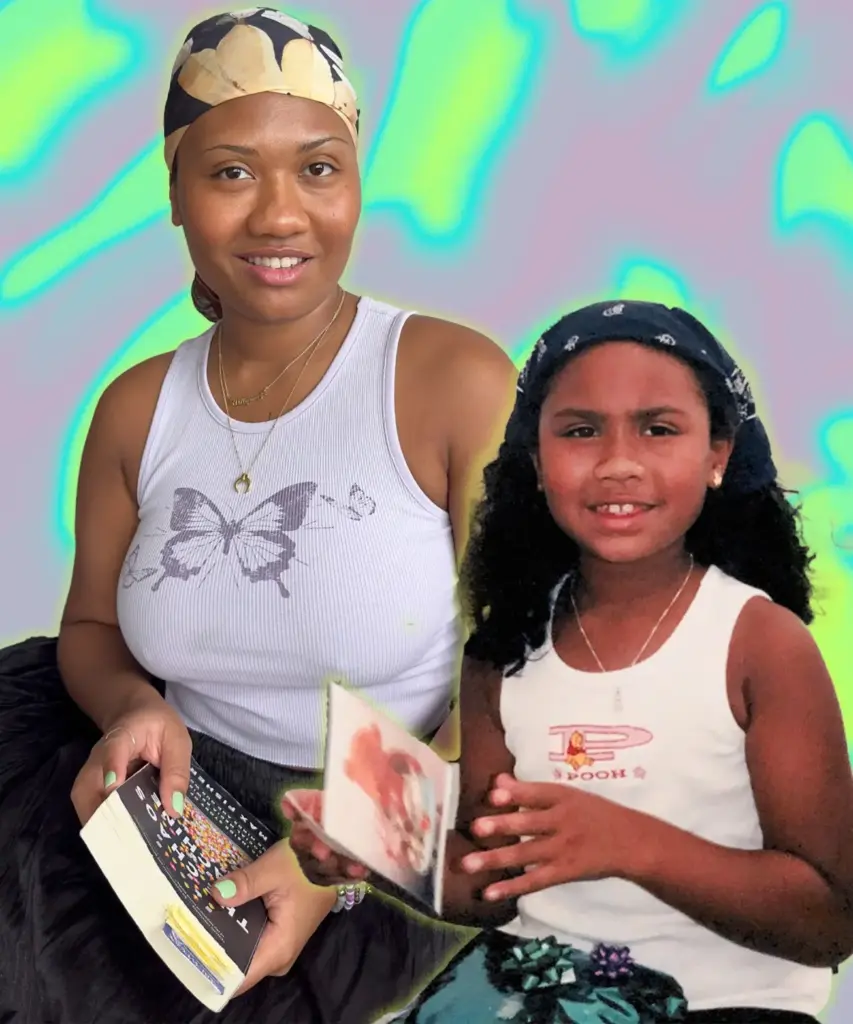
During a late-night scrolling session through online vintage boutiques, searching desperately to feel something amidst the apathy of grief, an impulse buy altered her sartorial trajectory: a short, lilac butterfly-print tank top. While initially dismissed as overly "girly" or kitschy by adult standards, the garment was an unmistakable artifact of early-2000s girlhood. Upon arrival, slipping the fabric over her head unlocked a rush of somatic memories. It wasn’t just about the aesthetics of the early aughts; it was about the neurological imprint of a time when life felt unburdened by chronic burnout, complex trauma, and the crushing weight of adult responsibilities.
Phase 2: The Somatic Awakening and Sensory Time Travel
The true power of childhood clothing lies in its multi-sensory activation. When a physical garment mirrors one worn decades prior, the brain responds with remarkable fidelity.
Take, for instance, the arrival of a pink, off-the-shoulder sweater ordered online—a direct replica of a cherished childhood favorite. Unboxing the package triggered an immediate perceptual shift: the 28-year-old in a cramped London flat momentarily dissolved, replaced by an 11-year-old girl standing in a Canadian suburban bedroom, brushing coconut-scented hair and listening to a bedside radio alarm clock.
This is sensory time travel. The rough edges of present-day anxieties are momentarily smoothed over by the tactile reassurance of soft, familiar textiles. The clothing acts as an externalized security blanket, proving that the emotional sanctuary of our youth is not entirely inaccessible—it is waiting in the closet.
Phase 3: Shifting the Power Dynamics of Style
Throughout adolescence and early adulthood, most individuals learn to curate their wardrobes for external validation. We dress for the office, for the dating market, or to project a cultivated persona that aligns with societal expectations of maturity.
However, embracing childhood style upends this power dynamic. When an adult steps out in a faux-fur-collared cardigan, a sheer top, and platform shoes—channeling the unbridled maximalism of childhood icons like Jenna Rink from 30 Going on 30—a profound psychological contract is fulfilled. For the first time, the clothes are no longer dictating who the wearer ought to be to satisfy the outside world. Instead, the wearer is allowing their clothes to reflect who they truly are at their core. It is an internal high-five to the younger self who was repeatedly told to tone it down, grow up, and conform.
Supporting Context & Metrics: The Science of Wardrobe Ethnography
To dismiss nostalgic dressing as childish or regressive is to misunderstand the complex architecture of human psychology and material culture. Academics and fashion psychologists study these behaviors through structured frameworks that validate the emotional weight of our closets.
Understanding Wardrobe Ethnography
At the forefront of this analytical shift is modepsychologin (fashion psychologist) Shakaila Forbes-Bell, whose work explores the deep-seated connections between identity and dress. Forbes-Bell champions the concept of "wardrobe ethnography," a framework that views an individual’s closet as a living archive of every decision, transition, and emotional phase they have navigated.
"In fashion psychology, there is a concept called ‘wardrobe ethnography’. It describes your wardrobe as a mirror of all the choices you’ve made up to this point in your life," explains Forbes-Bell. "These choices say something about who you were at a specific time—what you were influenced by, what you saw in yourself, what lifestyle you led back then. I believe it can be very liberating to wear clothes that remind you of your childhood."
Unlike fast-fashion trends dictated by corporate algorithms, wardrobe ethnography empowers the wearer to curate their garments based on emotional resonance rather than trend forecasts. It treats personal style not as a superficial surface layer, but as a profound psychological language.
The Cyclical Nature of Fashion and Collective Nostalgia
Fashion has always operated on a pendulum. Every two decades, trends swing backward, recycling silhouettes, fabrics, and color palettes from the past. Today’s obsession with Y2K aesthetics, 90s grunge, and cottagecore motifs is fueled largely by collective nostalgia.
Interestingly, this phenomenon extends even to generations who did not experience the original era firsthand. Gen Z consumers eagerly adopt 2000s aesthetics—low-rise cargos, butterfly clips, and metallic finishes—seeking the comfort and distinct visual identity of a simpler, pre-smartphone era. Nostalgia, therefore, functions as a cultural currency. It is a collective longing for an idealized past, manifested through textiles.
Inner Child Therapy and Somatic Anchoring
In psychological terms, "inner child work" is a well-established therapeutic technique used to address unresolved childhood wounds, complex trauma, and emotional suppression. Therapists often guide clients to reconnect with their younger selves to heal developmental ruptures.
While sartorial choices cannot replace clinical trauma therapy, fashion psychologists and therapists note that clothing can serve as a powerful somatic anchor. When an adult wears a garment reminiscent of a safer, more joyful period in their youth, they create a physical sanctuary. It provides a tangible mechanism for self-soothing, allowing the nervous system to down-regulate by engaging with textures and colors associated with play, safety, and imagination.
Official Statements & Expert Perspectives
The convergence of mental health discourse and personal style has opened new dialogues among mental health professionals, cultural critics, and fashion designers.
-
Shakaila Forbes-Bell on the Intentionality of Dress:
"It’s not just a rudimentary act to get dressed every day. It’s a choice—and every choice has a reaction. Understanding the language of clothing, knowing what it means, and knowing how it makes you feel can give you the power to send the right message with your clothes—one that truly corresponds to who you are."
-
The Therapeutic Integration Perspective:
Mental health advocates emphasize that while adult life requires pragmatism, professionalism, and emotional regulation, it should not require the total erasure of playfulness. Incorporating elements of childhood whimsy into an adult wardrobe acts as a visual antidote to chronic burnout. It challenges the puritanical notion that aging must be synonymous with the abandonment of joy, color, and uninhibited self-expression. -
Cultural Commentary on Cinematic Tropes:
The enduring appeal of cinematic touchstones—such as Jennifer Garner’s iconic transformation scene in 30 Going on 30, where she dances to Whitney Houston’s I Wanna Dance With Somebody while draped in vibrant, eclectic childhood-dream attire—highlights a universal human desire. We all yearn for moments of unadulterated self-discovery where the pressure to conform evaporates, replaced by the sheer euphoria of wearing what makes our hearts sing.
Future Outlook: The Evolution of Mindful Dressing
As we look toward the future of fashion and personal well-being, the intersection of mental health and style is poised to deepen. Several key developments are shaping the evolution of nostalgic dressing:
1. The Decline of Rigid Dress Codes
The traditional boundaries separating professional attire from personal expression continue to dissolve. The post-pandemic workforce has permanently altered corporate expectations, making room for hybrid wardrobes that prioritize personal comfort, emotional resonance, and individuality over rigid, standardized uniforms.
2. Sustainable Vintage and Circular Economies
The rise of nostalgic dressing aligns naturally with the booming secondhand and vintage markets. Rather than fueling fast-fashion cycles that pump out manufactured replicas of retro trends, conscious consumers are increasingly turning to thrift stores, estate sales, and vintage platforms to unearth authentic historical pieces. This approach not only reduces environmental waste but also enhances the thrill of the hunt, mirroring the personal archaeology of reconnecting with one’s past.
3. Fashion as an Integrated Wellness Tool
In the coming years, we can expect wellness spaces and therapeutic practices to increasingly incorporate wardrobe analysis and somatic styling into holistic healing programs. Just as art therapy and music therapy utilize creative mediums to process trauma and foster self-expression, fashion psychology will likely gain formal recognition as a legitimate therapeutic adjunct for emotional integration.
Conclusion: Wearing Your Truth
Ultimately, our closets are canvases of our emotional evolution. Whether stepping out in a meticulously tailored power suit that commands authority or donning a bright pink childhood-inspired sweater that whispers safety and joy to the soul, the underlying intention remains the same: self-sovereignty.
As we navigate an increasingly complex and demanding world, the act of dressing our inner child is a radical declaration. It is a reminder that we do not have to leave our past behind to grow up, and that the truest form of style is the one that allows us to feel wholly, unapologetically, and safely ourselves.