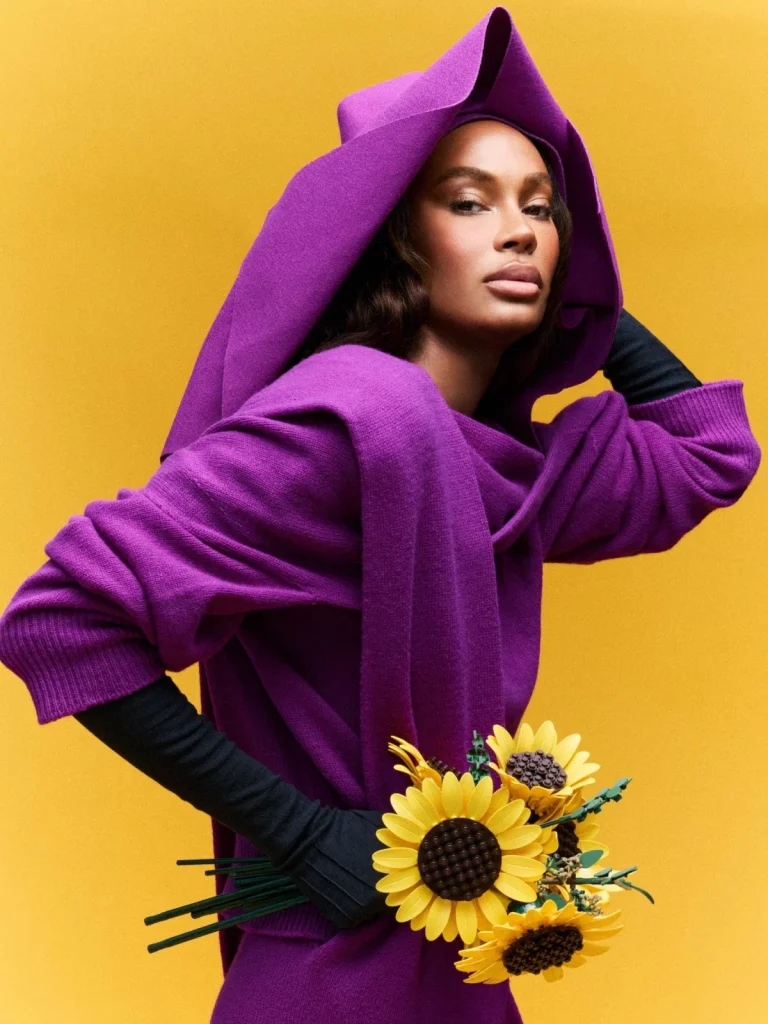
In the high-stakes, fast-paced theater of global fashion, where the calendar is dictated by relentless seasons and the adrenaline of New York Fashion Week (NYFW) sets a punishing tempo, an unexpected intersection of high couture and childhood nostalgia has taken center stage. PAPER magazine, in collaboration with the LEGO Group, has launched a high-profile editorial campaign titled "Your Favorite Model’s Favorite Model."
The campaign marries the chaotic, hyper-sensory world of high fashion with the deliberate, tactile calm of LEGO’s 18+ adult-targeted building sets. Featuring legendary supermodel Joan Smalls alongside rising industry talents Soap California and Danielle Mareka, the editorial explores a compelling cultural paradox: how top-tier fashion professionals—surrounded by the overstimulation of headsets, frantic production assistants, and blinding camera flashes—find solace, focus, and creative expression in snapping together plastic bricks.
This journalistic deep dive explores the mechanics of this unique brand partnership, the psychological parallels between constructing a runway look and assembling a 958-piece architectural set, and what this collaboration reveals about the evolving psychographics of the modern adult consumer. By examining the production dynamics, design choices, and cultural commentary surrounding the campaign, we unpack why the contemporary style vanguard is trading screen time for building time.
Detailed Chronology: From Concept to Runway
The genesis of "Your Favorite Model’s Favorite Model" did not happen in a quiet boardroom; rather, it was born out of the kinetic energy inherent to the fashion industry’s most demanding weeks. To understand the timeline of this campaign is to understand the friction between modern life’s breakneck velocity and the human desire for analog mindfulness.
Phase 1: Conceptualization and the Intersection of Play and Couture
Months before the cameras began rolling, creative strategists at PAPER and representatives from the LEGO Group identified a shared ethos between high-end styling and advanced LEGO building. While the Danish toy manufacturer has spent decades championing cognitive development in children, its modern expansion into the 18+ demographic has unlocked a new market: adults seeking creative outlets that require patience, spatial reasoning, and unhurried self-expression.
The conceptual breakthrough occurred when the teams began drawing parallels between the sensory environment of a fashion shoot and the immersive concentration of building a complex LEGO set. Both require an acute awareness of color, texture, and structure. Both demand precision. Yet, while fashion week moves at a breakneck, high-pressure speed, a LEGO build offers an antidote—an invitation to slow down without sacrificing aesthetic rigor.
Phase 2: Casting and Production on Set
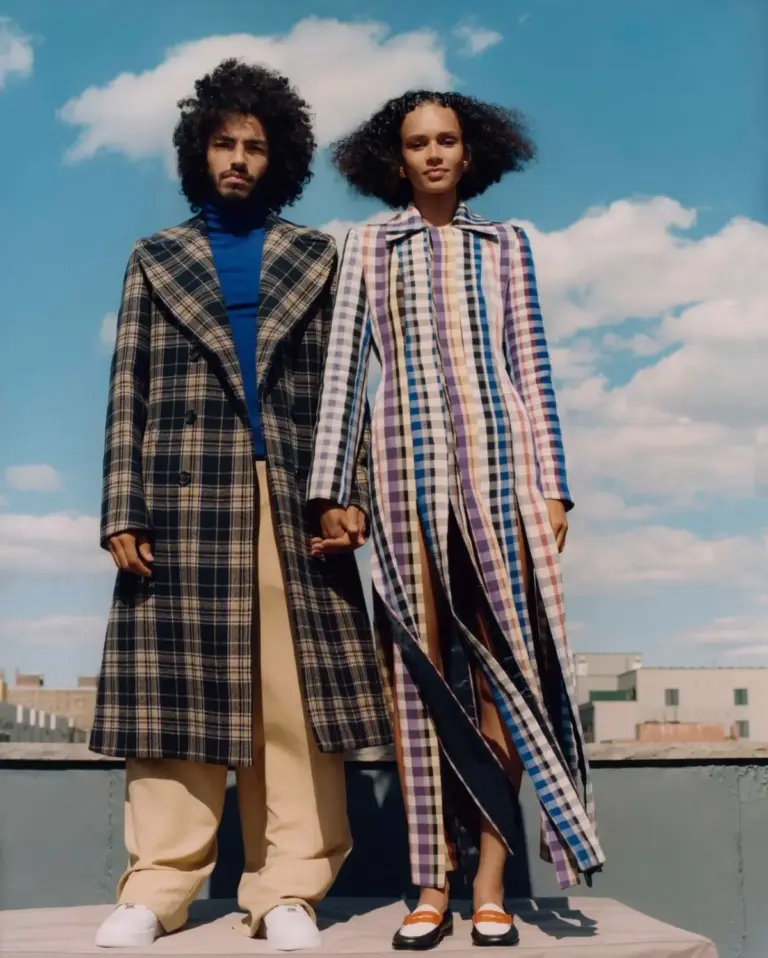
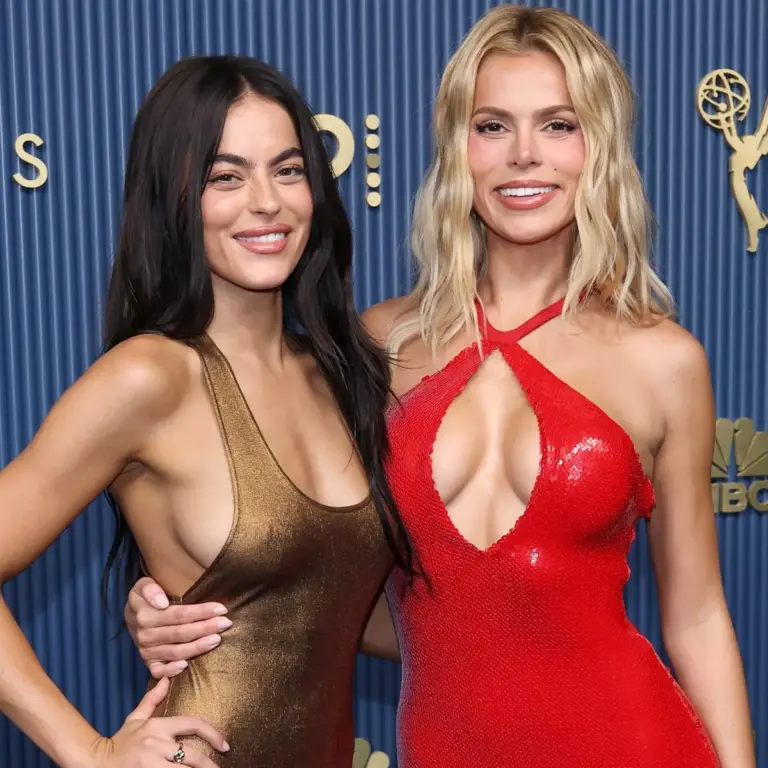
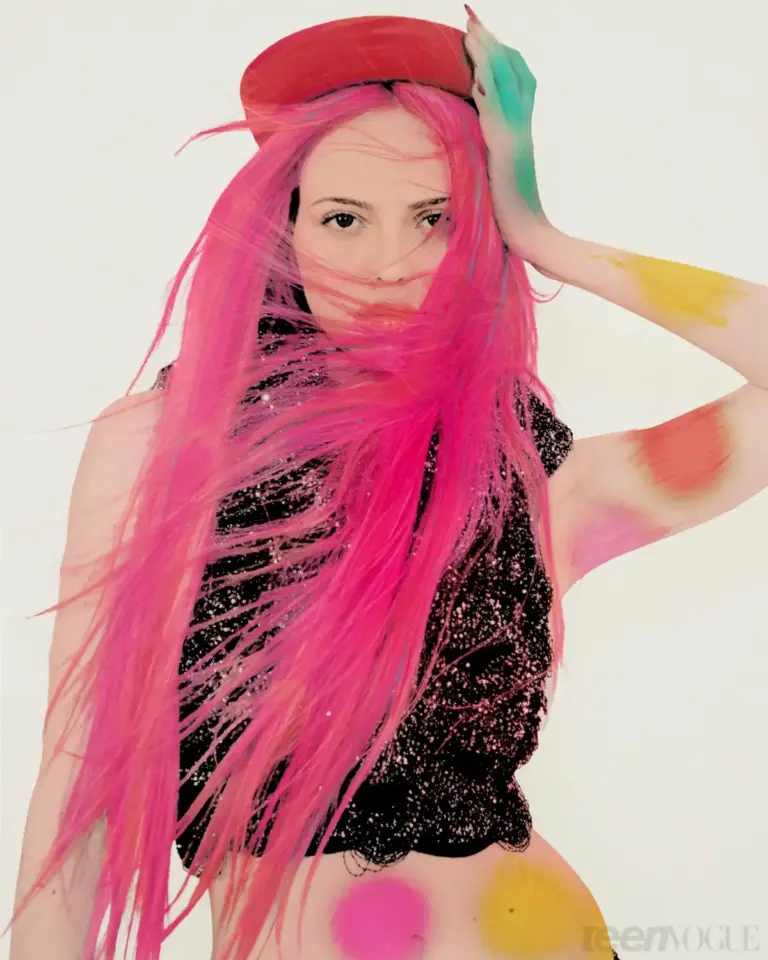
The campaign shoot itself mirrored the organized chaos of a traditional fashion editorial, layered with an unexpected layer of play. Set against a backdrop of high-fashion pieces—including statement outerwear from Tom Ford, Oscar de la Renta belts, Aknvas skirts, and LaQuan Smith trench coats—supermodel Joan Smalls and emerging talents Soap California and Danielle Mareka stepped in front of photographer Jonas Huckstorf’s lens.
According to behind-the-scenes accounts from the production floor, the boundary between props and subjects quickly blurred. Models became so engrossed in assembling their favorite LEGO sets between takes that panicked production assistants found themselves struggling to pull the talent away for calls. This authentic distraction became the thematic heartbeat of the campaign: even the most sought-after faces in the industry couldn’t resist the gravitational pull of a tactile creative project.
Phase 3: Editorial Execution and the Paris Build
To ground the editorial narrative in personal experience, the campaign essayists integrated a hands-on building project into the reporting process. Choosing the intricate 958-piece Paris – City of Love set, writers and producers experienced firsthand the meditative trance that LEGO’s adult sets are engineered to induce.
Hours dissolved unnoticed amid sorting bricks and following complex spatial instructions. The resulting finished product—a permanent architectural model sitting proudly on an apartment display shelf—served as a physical manifestation of the campaign’s thesis: that the joy of creation does not terminate with adulthood; it merely evolves into a more sophisticated pursuit of personal design and mindfulness.
Supporting Context & Metrics: The Rise of the Adult Builder
To fully contextualize the PAPER x LEGO collaboration, one must analyze the broader socioeconomic shifts driving the "kidult" market and the changing dynamics of digital-era fatigue.
The Psychology of Tactile Escapism
Modern adults live their lives behind glass screens. From professional communication to social validation, contemporary existence is heavily digitized. As burnout rates climb across creative industries, psychologists have noted a marked surge in the popularity of analog hobbies that engage fine motor skills and spatial intelligence.
| Metric / Trend | Industry Context | Consumer Impact |
|---|---|---|
| Screen Time Displacement | Average adult daily screen time exceeds 6+ hours. | Growing demand for off-grid, hands-on activities that foster mindfulness. |
| The "Kidult" Market Expansion | Toy and hobby sectors note double-digit growth in 18+ demographics. | Brands like LEGO shifting R&D toward sophisticated, design-forward adult sets. |
| Couture Cross-Pollination | High fashion increasingly embraces ironic, nostalgic, or playful motifs. | Collaborations bridge the gap between luxury lifestyle and accessible leisure. |
The LEGO Group’s targeted 18+ line—spanning botanical collections, iconic architecture, classic automobiles, and art pieces—is purposefully designed to appeal to contemporary, chic adults. These are not toys meant to be tossed into a toy chest; they are design objects meant to be displayed alongside art books, sculptural furniture, and curated interiors.
The Fashion Week Parallel
The editorial draws a sharp, insightful parallel between the chaos of a photoshoot set and the frantic energy of Fashion Week:
- The Overstimulation: Overcaffeinated production assistants speaking urgently into headsets; editors and producers juggling multiple demands simultaneously.
- The Performance: Models maintaining flawless physical grace under the intense scrutiny of a room full of strangers.
- The Antidote: Just as a model must find internal calm amidst external pandemonium, the adult builder finds a pocket of serene focus within a pile of plastic bricks.
By framing LEGO building not as a regression into childhood, but as a chic, sophisticated lifestyle accessory, the campaign repositions the bricks as the ultimate antidote to modern digital overstimulation.
Official Statements and Creative Visionaries
The success of a multidisciplinary campaign of this scale relies heavily on the synchronized vision of its creators, producers, and stylists. The editorial leadership behind PAPER and the LEGO Group curated an expansive roster of talent to bring this narrative to life.
Executive Leadership and Creative Direction
- Brian Calle, Chief Creative Officer, oversaw the overarching cultural positioning of the project, ensuring it resonated with PAPER‘s readership of trendsetters and cultural observers.
- Jason Ve, President, and Jordan Bradfield, Executive Creative Director, steered the visual vocabulary, merging the slick, high-contrast aesthetic of high-fashion photography with the playful, primary-colored geometry of LEGO elements.
- Jamie Granoff (VP Brand Partnerships) and digital director César Alvarez coordinated the cross-platform rollout, ensuring the campaign narrative played seamlessly across digital, print, and social channels.
Styling and Production Mastery
The visual credibility of the campaign rests on the meticulous styling teams who curated avant-garde wardrobes for the talent:
- Joan Smalls’ Look: Styled by Abisoye Odugbesan, featuring makeup by Ngozi Esther Edeme, hair by Aminata Kamara, and nails by Dawn Sterling, with set design by Allegra Peyton.
- Soap California & Danielle Mareka’s Look: Styled by Arut Arustamyan, with hair by Dylan Silver, nails by Danny Tavarez, and set assistance by Kaleb Clifford.
Through their combined efforts, the editorial avoids looking like a standard corporate sponsorship. Instead, it reads as an authentic, high-fashion exploration of identity, play, and modern relaxation.
Future Outlook: Where Couture Meets Constructive Play
As brands continually search for innovative ways to cut through digital noise, campaigns like "Your Favorite Model’s Favorite Model" point toward a new era of cross-industry collaboration. The traditional boundaries separating luxury fashion, lifestyle, and recreational hobbies are increasingly porous.
What Lies Ahead for Adult-Centric Play
- Elevated Collaborations: We can anticipate further intersections where luxury design houses partner with tactile hobby brands, transforming everyday pastimes into high-status cultural markers.
- Mindfulness as a Luxury: As time becomes our most scarce commodity, activities that protect mental bandwidth—such as analog building, crafting, and design—will be increasingly marketed as luxury wellness practices.
- Redefining Adult Identity: The cultural stigma of being an adult who plays or builds has officially dissolved. The modern tastemaker is multidimensional: equally comfortable front-row at Paris Fashion Week and spending a quiet Sunday evening snapping together a 1,000-piece architectural landmark.
Ultimately, PAPER and the LEGO Group have delivered more than just a striking editorial campaign; they have offered a cultural permission slip. In a world moving at full speed, taking the time to slow down, create with your hands, and indulge in pure, unadulterated imagination isn’t just chic—it’s essential.