

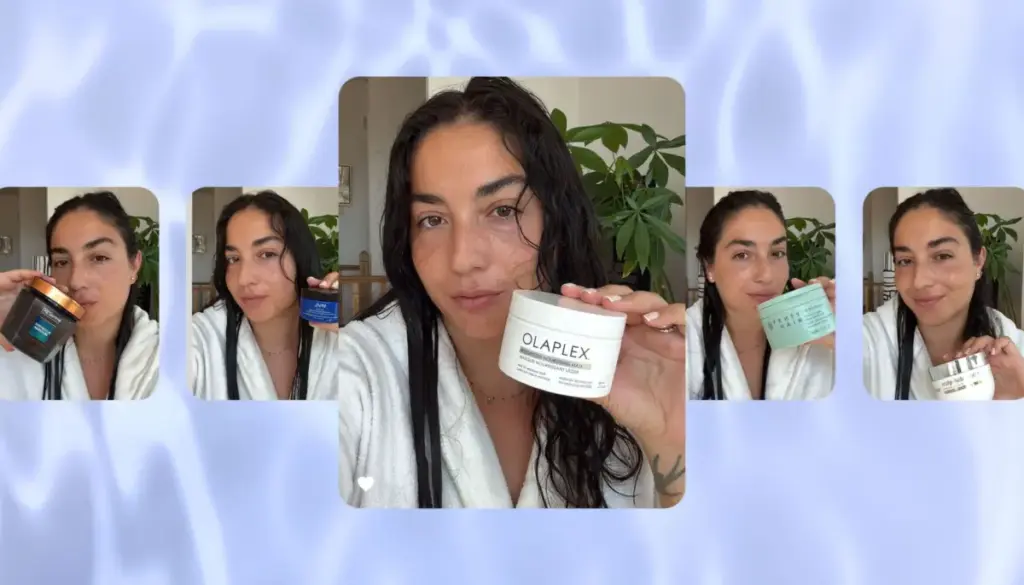
Executive Overview
In the modern landscape of hair care, achieving glossy, resilient, and healthy locks often feels like an uphill battle. Between the relentless toll of thermal styling tools, environmental pollution, chemical processing, and everyday mechanical wear-and-tear, our hair is constantly under siege. Enter the deep conditioner—a staple in modern cosmetology designed to breathe new life into stressed, weary strands.
Far from being a redundant step in your wash-day routine, deep conditioning is a targeted intervention. According to leading industry experts, while everyday conditioners offer superficial smoothing and detangling, deep conditioning treatments provide a concentrated dose of moisture, lipids, and proteins capable of penetrating the hair cuticle. Whether you are managing waist-length hair that has weathered years of environmental exposure or combating the frizz of chemically treated curls, understanding the science, application, and strategic selection of deep conditioners is essential for optimal hair health.
This comprehensive report explores the mechanics of deep conditioning, debunks common myths surrounding home application, outlines tailored routines for diverse hair types, and highlights expert-recommended formulations to help you achieve salon-quality results from the comfort of your bathroom.
Detailed Chronology: The Evolution of Hair Treatment and Conditioning Science
To truly appreciate the role of modern deep conditioners, it is helpful to look back at how hair care has evolved from rudimentary home remedies to sophisticated cosmetic science.
Early Beginnings (Mid-20th Century)
For decades, hair conditioning was a simple affair. Early beauty regimens relied on heavy oils, animal fats, and basic plant extracts to impart shine and manageability to dry hair. These early formulations often sat heavily on the hair shaft, lacking the molecular delivery systems required to genuinely repair structural damage.
The Rise of Synthetic Polymers (1970s–1990s)
The introduction of silicones and synthetic quaternary ammonium compounds in the late 20th century revolutionized the hair care industry. Conditioners could now coat the hair cuticle efficiently, providing immediate slip, detangling, and shine. However, these early commercial products were frequently one-size-fits-all, often leading to heavy product build-up for fine-haired consumers while leaving coarse or textured hair under-moisturized.
The Molecular and Bond-Building Era (2010s–Present)
Today, deep conditioning has transitioned into a science of molecular repair. Modern treatments do not merely coat the hair; they seek to rebuild broken disulfide bonds, replenish lost amino acids, and restore the internal lipid matrix of the hair shaft. Brands now utilize advanced peptides, ceramides, and targeted delivery mechanisms to address damage at a microscopic level, transforming deep conditioners from simple cosmetic softeners into legitimate restorative treatments.
Supporting Context & Metrics: Why Length, Texture, and Damage Dictate Your Routine
Hair is technically dead tissue once it emerges from the scalp, meaning it cannot repair itself biologically. Every inch of length represents time exposed to the elements, mechanical friction, and chemical processing.
The Vulnerability of Length
As Jason Hogan, a renowned hair colourist at Josh Wood Atelier, points out, length correlates directly with hair age. "Hair with any sort of length in it is going to be so much older, so will need much more attention," Hogan explains. A strand of hair that is 16 inches long has been subjected to years of brushing, washing, UV radiation, and styling—making the mid-lengths and ends inherently more porous and fragile than the virgin hair growing from the root.
The Anatomy of Damaged Hair
When hair is healthy, its outermost layer—the cuticle—lies flat, sealing in moisture and reflecting light to create shine. However, chemical bleaching, excessive heat styling, and rough handling cause these microscopic cuticle scales to lift, chip, and break away.
According to Harriet O’Neill, senior stylist, hairdresser, and supervisor at Duck and Dry, this structural degradation manifests visibly: "When hair is damaged, the outside of the hair becomes rougher, which is why you can start to see more frizz, tangling, and breakage. A deep conditioner helps to smooth the hair and put some moisture back in."
Quantitative Realities of Product Build-up
Consumers often err by over-applying rich treatments, mistaking heavy product weight for deep hydration. Industry data and professional consensus indicate that over 40% of clients experience limp, flat, or difficult-to-style hair simply due to inadequate rinsing or mismatched product viscosity. Fine to medium hair types, for instance, possess a smaller surface area and lower structural tolerance for heavy, butter-laden masks. Conversely, tightly coiled or highly textured hair types feature elliptical cross-sections and raised cuticles that demand heavy plant butters, rich oils, and intensive emollients to prevent moisture evaporation.
Official Statements & Professional Insights
To demystify the best practices surrounding deep conditioning, leading stylists, colourists, and dermatologists weigh in on formulations, frequency, and application techniques.
The Targeted Moisture Boost
Hadley Yates, a prominent celebrity hair stylist and extensionist, emphasizes the distinct role deep conditioning plays compared to standard daily regimens.
"Deep conditioners are a great way to give dry or damaged hair a more intensive hit of moisture and conditioning than your everyday conditioner," Yates states. "They contain a higher concentration of conditioning ingredients, which means they can give the hair a more intensive treatment."
Furthermore, Yates notes that deep treatments provide critical secondary benefits: "Apart from the much-needed moisture, they also help with overall smoothness and softness and improve moisture retention."
Spotting the Signs of Stress
Harriet O’Neill outlines the sensory indicators that signal an immediate need for deep conditioning intervention.
"They’re great when it starts to feel rough, dull, or harder to style," O’Neill notes.
When these textural changes occur, relying solely on a standard rinse-out conditioner is often insufficient to restore manageability.
The Dermatological Perspective on Scalp and Strand Health
Dr. Sharon Wong, a respected consultant dermatologist and hair expert, underscores the preventative value of regular masking, even for seemingly healthy hair.
"It is good practice to include a hair mask regularly into your routine even with healthy hair," Dr. Wong advises.
When addressing the nutritional requirements of chemically processed or compromised hair, Dr. Wong highlights the necessity of specific building blocks:
"Choose products which contain plenty of amino acids, which are the building blocks of protein to help strengthen the hair strands."
Deep Conditioning Masterclass: Best Practices for At-Home Application
Applying a deep conditioner incorrectly can diminish its efficacy or leave your hair feeling heavy and unmanageable. Industry experts break down the golden rules of at-home deep conditioning.
1. Ditch the Overnight Myth
A common misconception is that leaving a deep conditioning mask on for hours—or even sleeping in it overnight—yields superior results. Hadley Yates dispels this notion entirely:
"First off, there’s no need to leave your deep conditioner on for hours, or even overnight. Simply follow the brand’s instructions, which change depending on the product."
Leaving treatments on past their recommended window does not increase absorption; instead, it can saturate the hair cortex, cause hygral fatigue (the swelling and weakening of hair from excessive moisture absorption), and lead to limpness.
2. The Towel-Dry Rule
Applying a deep treatment to soaking-wet hair is a recipe for diluted results. Harriet O’Neill explains:
"Applying a treatment to soaking wet hair can dilute the product."
Always gently squeeze or towel-dry your hair after shampooing before distributing the product. This ensures that the active ingredients adhere to the hair shaft without being blocked by excess water molecules.
3. Strategic Placement
Concentrate your deep conditioner on the areas that need it most.
"Apply the deep conditioner to clean, towel-dried hair, concentrating on the mid-lengths and ends where you tend to have the most dryness and damage," advises Hadley Yates.
Avoid applying heavy masks directly to the scalp unless the product is specifically formulated as a scalp treatment; doing so can weigh down the roots and trigger excess oil production.
4. The Critical Rinsing Phase
Perhaps the most overlooked step in the deep conditioning process is the rinsing phase. Harriet O’Neill issues a stern warning regarding product residue:
"Make sure to rinse it out really thoroughly. Product residue is one of the biggest reasons hair can feel heavy, flat, or difficult to style afterwards. People often think they’ve rinsed it all out when there is still a little left behind."
Ingredients Decoded: What to Look For Based on Your Hair Concerns
Not all deep conditioners are created equal. Formulations must be chosen based on your hair’s specific biochemical needs rather than brand prestige or fragrance.
For Dry, Dehydrated Hair
If your primary concern is a lack of moisture rather than structural breakage, your hair requires humectants and emollients to attract and seal in hydration.
- Key Ingredients: Shea butter, nourishing natural oils (such as argan, jojoba, and coconut oil), and hydrating humectants like glycerin.
- Function: These ingredients draw moisture from the environment into the hair shaft and create a hydrophobic barrier to prevent moisture loss.
For Chemically Treated, Bleached, or Heat-Damaged Hair
If your hair has been compromised by lightening services, frequent flat-ironing, or perms, moisture alone will not fix the issue. You need structural reinforcement.
- Key Ingredients: Proteins, amino acids, ceramides, peptides, and advanced bond-building technology.
- Function: As Dr. Sharon Wong notes, amino acids and peptides act as building blocks to reinforce the compromised cortex, filling in gaps in the cuticle and restoring tensile strength.
Expert Product Recommendations
When asked to name their go-to products for transformative results, top stylists point to a few industry-leading formulations:
- For Long-Term Molecular Repair: Hadley Yates swears by K18’s Leave-In Mask. "It’s so easy to use and reverses damage at a molecular level. It’s definitely best for long-term use to properly repair damage," Yates explains.
- For Instant Hydration: If immediate suppleness and moisture are the goal, Yates recommends the Kevin Murphy Hydrate-Me.Masque.
- For Tailored Precision: Harriet O’Neill reiterates that the ultimate choice depends entirely on individual diagnosis. "If it has been bleached, highlighted, or damaged through frequent heat styling, look for a strengthening or protein-based treatment. If your hair mainly feels dry, a more nourishing moisture mask may be enough. The most important thing is choosing a formula based on your hair rather than simply picking the richest product."
In addition to at-home care, O’Neill notes that incorporating a professional in-salon treatment once a month can provide an unmatched level of intensive restoration for severely compromised hair.
Future Outlook: The Next Generation of Hair Health
As cosmetic chemistry continues to advance, the future of deep conditioning points toward hyper-personalization and biotechnology. We are moving away from broad categories like "dry" or "fine" hair toward diagnostic hair care, where treatments are custom-blended based on genetic porosity tests, local water hardness, and real-time environmental exposure metrics.
Furthermore, sustainable and bio-fermented ingredients are taking center stage. Consumers are increasingly demanding high-performance deep conditioners that leverage lab-grown proteins and biodegradable emollients without sacrificing luxury or efficacy.
Determining Your Ideal Frequency
Ultimately, establishing a sustainable deep conditioning schedule requires mindfulness. As Harriet O’Neill advises:
"Once a week is a good starting point for most people. Very dry, curly, bleached, or frequently heat-styled hair may benefit from regular treatments, while fine hair might only need one every couple of weeks."
Monitor your results by observing how your hair behaves. "If the hair is softer, shinier, and easier to style, the treatment is doing its job. If it starts to feel heavy, greasy, or coated, you may be using it too often, applying too much, or not rinsing it out properly," O’Neill concludes. By aligning your routine with professional insights and scientifically backed formulations, achieving and maintaining crown-worthy hair is well within your grasp.