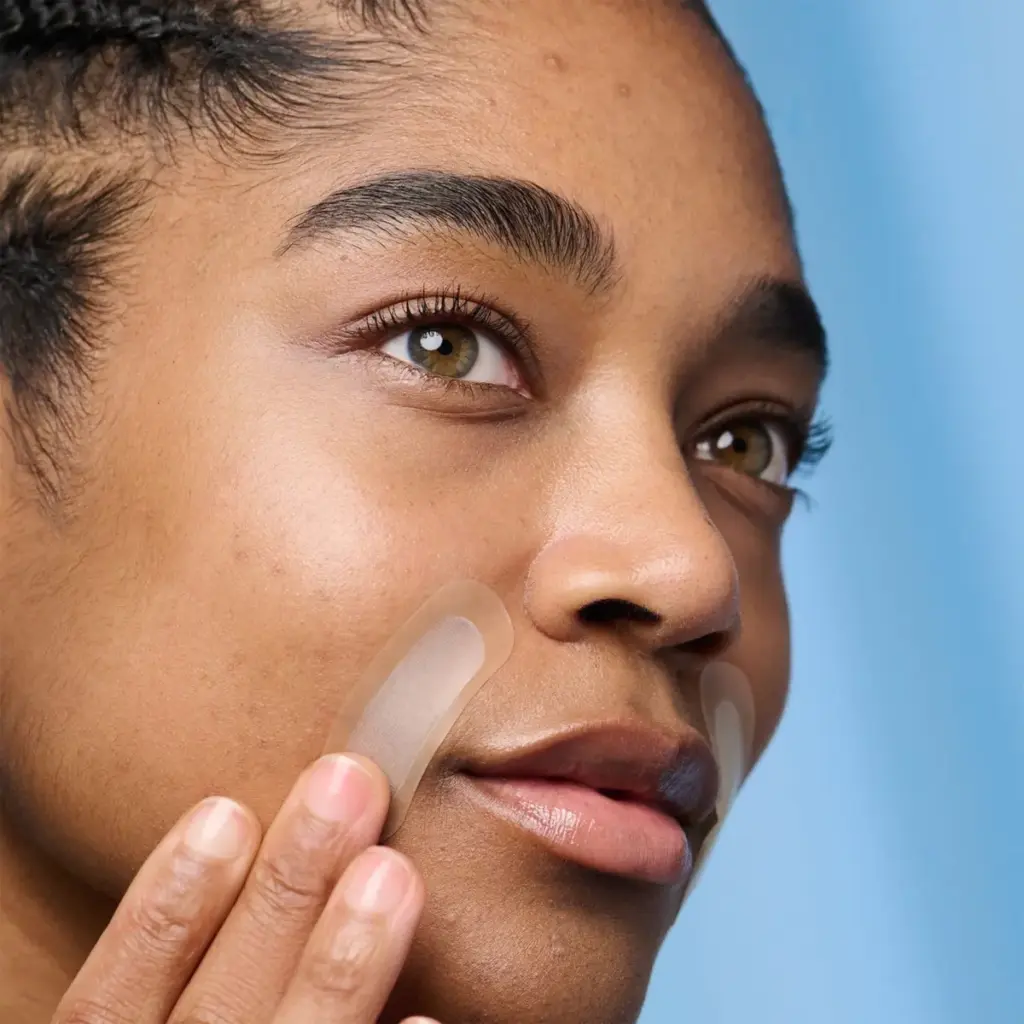
In an era dominated by non-invasive cosmetic procedures and the relentless pursuit of youthful skin, the skincare market has witnessed an explosive resurgence of an old-school remedy: wrinkle patches. Once recognized primarily as vintage paper strips used to restrict facial movements overnight, the category has evolved into a high-tech sector. Today’s market features medical-grade silicone sheaths, advanced microdart delivery systems, and peptide-infused patches designed to temporarily smooth expression lines, soften nasolabial folds, and ward off the perceived need for neurotoxins like Botox.
This comprehensive report explores the mechanics, efficacy, and safety profile of the leading anti-wrinkle patches on the market. By synthesizing insights from top dermatologists, celebrity estheticians, and beauty editors, this investigation separates marketing hype from dermatological reality. We evaluate the science of occlusion and transdermal micro-infusion, review top-tier consumer products ranging from budget-friendly options to luxury formulations, and answer the fundamental question: Do smile line patches actually work, and are they safe for daily use?
Detailed Chronology: The Evolution of Wrinkle Patches
To understand the modern landscape of facial patches, one must look at how the technology has evolved over the past century.
The Mid-20th Century: The Era of Mechanical Restraint
The concept of facial taping or mechanical restriction is not new. Brands like Frownies introduced unbleached kraft paper patches with vegetable-based adhesives over 125 years ago. The philosophy was simple: by physically holding the skin flat overnight, the user could prevent the repetitive folding caused by sleeping positions or involuntary facial expressions. These paper strips relied purely on mechanical immobilization and a rigid drying cast to stop expression lines from deepening.
The Late 20th Century: The Silicone Revolution
As medical technology advanced, the beauty industry adopted medical-grade silicone—initially used for scar management and wound healing—for cosmetic applications. Brands like SiO Beauty popularized silicone patches that created an occlusive micro-climate over the skin. This barrier trapped transepidermal water, temporarily plumping the stratum corneum and smoothing surface crepiness without relying on harsh mechanical tension or strong adhesives.
The Modern Era: Microdarts and Active Infusion
In recent years, the intersection of skincare and transdermal technology gave birth to the microdart (or microcone) patch. Pioneered by brands like 111Skin, Peace Out, PCA Skin, and Hero Cosmetics, these patches feature hundreds of microscopic, dissolvable pyramids composed of hyaluronic acid, retinol, peptides, and vitamins. When pressed into the skin, these micro-structures bypass the outermost skin barrier to deliver potent anti-aging actives directly into the upper layers of the epidermis, merging mechanical immobilization with targeted chemical delivery.
Supporting Context & Metrics: Analyzing the Top Contenders
The current market offers a diverse array of anti-wrinkle patches tailored to various skin types, tolerances, and cosmetic goals. Below is a detailed breakdown of the leading products evaluated by experts and editors.
Count: 4 reusable patches (forehead, neck, and two smile line patches)
The Expert Take: Dr. Ife Rodney, a double board-certified dermatologist, notes that SiO’s medical-grade silicone patches are an exceptional option because they "help seal in moisture and temporarily plump and smooth the skin." Celebrity esthetician Natasha Glasgow highlights the inclusion of softening stearic acid, which ensures the patches "come off easily without tugging, making them especially great if you have any sensitivity."
2. Frownies Corners of Eyes & Mouth Wrinkle Patches
The Expert Take: Having used them for over 25 years, Glasgow explains, "You wet them, and they dry into a gentle cast overnight." Dr. Rodney explains that their vegetable-based, water-activated adhesive "physically holds the skin in place and minimize[s] repeated folding." However, due to their firm hold, experts advise caution for those with compromised skin barriers or those currently using strong actives like retinoids.
3. Skin Gym Face Tape
Primary Material: Heat-sensitive adhesive tape
Count: 128 pack
The Expert Take: Ideal for healthy, non-sensitive skin, these pre-cut travel-friendly patches gently limit nocturnal muscle movement. Glasgow notes their utility in targeting the eyes, forehead, cheeks, and neck. Users simply apply the tape and rub gently to activate the heat-sensitive adhesive.
The Expert Take: Though marketed for the under-eyes, beauty editors frequently appropriate these for forehead and smile lines. Each patch features 1,000 hyaluronic-acid-infused microneedles designed to drive deep hydration and amino acids into the skin. As ELLE beauty commerce editor Nerisha Penrose shares, these patches serve as a viable alternative for those hesitant to commit to regular Botox appointments.
The Expert Take: Developed by plastic surgeons, these patches utilize proprietary microcones to deliver retinol and peptides. Clinical studies cited by the brand show a reported 17 percent reduction in smile lines after a single use. They also feature ascorbyl glucoside, a gentle vitamin C derivative suitable for beginners looking to tackle expression lines and crow’s feet.
6. Peace Out Microneedling Anti-Wrinkle Retinol Patches
The Expert Take: Combining microdart delivery with encapsulated retinol that releases gradually, these patches minimize irritation while maximizing firming benefits via vitamin C. Consumer reviews consistently praise their ability to temporarily diminish the appearance of deep smile lines overnight.
The Expert Take: Known primarily for acne patches, Hero Cosmetics brings its microdart expertise to fine lines. Featuring over 1,300 microdarts infused with retinol and adenosine—an ingredient studied for its role in supporting natural collagen synthesis—these patches are rounded out with calming niacinamide and centella asiatica to soothe the skin.
Official Statements: Dermatological Insights and Expert Consensus
To evaluate the scientific validity of smile line patches, we consulted leading medical professionals regarding their mechanics, limitations, and safety profiles.
Do Smile Line Patches Actually Work?
According to Dr. Aegean Chan, a double board-certified dermatologist, dermatopathologist, and founder of More Than Nine, expectations must be managed:
"I would categorize smile line patches as a temporary cosmetic smoothing product rather than a treatment that can meaningfully change the underlying nasolabial fold. The theory is that placing a patch over the smile lines limits repetitive folding of the skin, which could potentially help prevent the progression of superficial creasing. However, nasolabial folds are not primarily caused by movement of the skin in that area. Much of their appearance comes from deeper changes in facial anatomy, which a patch cannot address."
Dr. Chan also emphasizes the role of occlusion:
"These patches are generally meant to be worn during sleep, when you’re not repeatedly contracting those muscles. Someone may notice a temporary smoothing effect due to the patch’s occlusive action and added hydration, which can plump fine lines within the fold. However, there is much more evidence behind consistent sunscreen and retinoid use for targeting collagen remodeling and preventing UV damage that contributes to thinning of the skin."
Esthetician Natasha Glasgow concurs, noting that results from top-tier smile line patches typically last anywhere from several hours up to a full day, offering a "low-effort way to keep the area looking and feeling softer" when used intentionally.
Are Smile Line Patches Safe for Sensitive Skin?
Skin barrier health is a paramount concern when applying adhesive products to the delicate facial landscape.
"Medical-grade silicone is my top recommendation across the board—it’s gentle to remove and far less likely to pull or irritate the skin," states Glasgow. "Traditional adhesives, including paper-style patches, can sometimes lift the very first layer of skin, causing redness or extra sensitivity, especially if you are using retinols, vitamin C, or have recently had a peel, microneedling, or laser treatment. If your skin barrier is compromised or you have rosacea, eczema, or sensitivity, stick to pure silicone only."
Dr. Ife Rodney adds guidance on application frequency:
"Most patches can be used several times a week or even nightly, depending on the product and how your skin responds. Always follow the manufacturer’s instructions and apply them to clean, dry, healthy skin. They can work for most skin types, but if you have eczema, sensitive skin, or a history of adhesive allergies, patch test first and discontinue use if you develop redness, itching, or irritation."
Future Outlook: Where is the Anti-Aging Patch Market Headed?
As consumer demand shifts toward non-invasive, at-home clinical alternatives, the technology behind facial patches will likely continue to advance. We can anticipate several key trends shaping the future of the category:
Smart Biocompatible Materials: Future iterations may incorporate intelligent hydrogels that respond dynamically to skin pH, temperature, or moisture levels, releasing active ingredients precisely when the skin barrier requires them.
Enhanced Transdermal Delivery: As microdart and microcone manufacturing becomes more sophisticated, we will likely see broader inclusion of custom peptide blends, growth factors, and stabilized antioxidants that rival the efficacy of professional in-office infusions.
Sustainable and Reusable Innovations: With ecological consciousness rising among beauty consumers, the market is expected to pivot further away from single-use adhesive strips toward durable, medical-grade, reusable silicone systems paired with clean, refillable active serums.
Ultimately, while wrinkle and smile line patches cannot replace structural dermatological interventions like dermal fillers or surgical facelifts, they occupy a valuable niche. By combining mechanical prevention, deep hydration, and targeted active delivery, these patches offer a scientifically grounded, accessible method for achieving temporary smoothness and maintaining long-term skin health.