In an era where social media feeds are perpetually flooded with over-engineered wellness trends, expensive supplements, and high-tech gadgets promising miraculous bodily transformations, consumers are increasingly suffering from choice paralysis. Sifting through the digital noise to find practices that offer genuine, tangible benefits can feel like a part-time job. Yet, amidst the fleeting fads, two interconnected holistic rituals have stood the test of time and are currently experiencing a well-deserved renaissance: dry brushing and lymphatic drainage.
Far from being mere aesthetic novelties, these practices tap into the body’s innate physiological systems. Whether you are looking to elevate your pre-shower routine with a simple, budget-friendly tool or seeking professional body-sculpting treatments to alleviate stubborn puffiness, understanding the science and technique behind these rituals can help you separate valuable self-care from internet hype.
Executive Overview
The modern fascination with dry brushing and lymphatic drainage sits at the intersection of traditional holistic care and contemporary aesthetic desires. While dry brushing is frequently marketed as a high-powered physical exfoliation method, leading wellness experts emphasize that smoothing the skin’s surface is merely a superficial byproduct of a much deeper physiological mechanism. At its core, dry brushing acts as a gentle conversation with both the integumentary and nervous systems, waking up dormant tissue and stimulating the body’s lymphatic network.
Similarly, lymphatic drainage—long utilized in clinical and medical settings for post-surgical care and the management of chronic swelling—has carved out a permanent space in high-end spas, holistic centers, and daily self-care routines. By employing rhythmic, directional movements, both DIY dry brushing and professional lymphatic massage encourage the natural flow of lymph fluid. Rather than subscribing to aggressive, pseudo-scientific "detox" marketing, experts urge a paradigm shift: view these practices not as aggressive purges, but as tools to enhance overall physiological flow, reduce temporary water retention, and signal the nervous system to downshift into a state of deep relaxation.
Detailed Chronology: The Evolution of Lymphatic and Skin-Stimulation Rituals
To truly appreciate why dry brushing and lymphatic drainage have captured the collective modern imagination, it is helpful to trace their trajectories from ancient healing arts to contemporary wellness staples.
Roots in Traditional and Clinical Practices
Long before these techniques trended on digital platforms, variations of skin stimulation and manual fluid management were staples of diverse global healing traditions. Ancient Ayurvedic medicine utilized skin-scraping and brushing techniques (known as Garshana) using raw silk gloves or natural fibers to stimulate circulation, clear toxins (or ama), and invigorate the body prior to oil massages (Abhyanga).
Simultaneously, the foundational understanding of the human lymphatic system evolved significantly over centuries. In the mid-20th century, Danish physical therapists Emil and Estrid Vodder formalized manual lymphatic drainage (MLD) in France, creating a specific, gentle massage protocol designed primarily to treat chronic lymphedema and sinus congestion. For decades, MLD remained strictly within the purview of clinical medicine, physical therapy, and specialized post-surgical recovery wards.
The Holistic and Aesthetic Pivot
As the wellness industry expanded toward the end of the 20th and into the 21st century, practitioners recognized that the core principles of lymphatic stimulation could be adapted for aesthetic and general wellness purposes. Aesthetic clinics began integrating lymphatic facials to combat fluid retention and enhance facial contouring.
In recent years, the democratization of wellness via social media propelled dry brushing into the mainstream spotlight. What was once an obscure spa ritual transformed into an accessible at-home practice. Today, brands and specialized studios—such as Courtney Yeager’s The Tox and Kim Ross’s holistic acupuncture destination ORA in New York City—have bridged the gap between clinical efficacy and luxury self-care, offering specialized body-sculpting and lymphatic treatments that cater to consumers seeking both visible results and deep relaxation.
Supporting Context & Metrics: The Science of the Lymphatic System
To understand why dry brushing and lymphatic drainage work, one must first understand the unsung hero of the body’s fluid dynamics: the lymphatic system.
How the Lymphatic System Operates
Unlike the cardiovascular system, which relies on a central muscular pump (the heart) to relentlessly circulate blood through arteries and veins, the lymphatic system has no central pump of its own. Instead, it is an intricate, decentralized network of vessels, ducts, and lymph nodes that acts as the body’s primary filtration and waste-transport system.
It is responsible for clearing cellular waste, excess proteins, and toxins from interstitial spaces, returning filtered fluid back into the bloodstream. Because it lacks a mechanical pump, lymph movement is entirely dependent on external forces:
- Skeletal muscle contraction: Physical movement, exercise, and walking naturally squeeze surrounding lymphatic vessels, propelling fluid upward.
- Respiratory motion: Deep diaphragmatic breathing creates pressure changes in the thoracic cavity, acting as a secondary pump.
- Manual and tactile stimulation: Targeted external pressure, such as dry brushing and professional massage, mechanically encourages lymph fluid along its designated pathways toward the primary lymph nodes (located primarily in the neck, armpits, and groin).
The Dual Nature of Dry Brushing: Exfoliation Meets Neurological Soothing
When executed correctly, dry brushing offers a dual benefit. From a dermatological standpoint, using a natural-bristle brush on dry skin instantly lifts away accumulated dead epidermal cells, resulting in a smoother texture and a brighter, more polished appearance.
However, industry leaders argue that focusing solely on exfoliation misses the forest for the trees. Kim Ross, founder and CEO of ORA, notes that exfoliation is arguably the least interesting aspect of the practice. Instead, the gentle friction awakens the underlying tissue and engages the peripheral nervous system. It serves as a tactile reminder to slow down, grounding the individual in a mindful ritual that marries physical maintenance with mental decompression.
Official Statements & Expert Perspectives
Industry pioneers who have dedicated their careers to body sculpting and holistic health offer invaluable insights into the practical application and realistic expectations surrounding these rituals.
Courtney Yeager on Practical At-Home Stimulation
Courtney Yeager, founder of The Tox (specialized lymphatic body-sculpting studios) and The Shade, demystifies the mechanics of dry brushing:
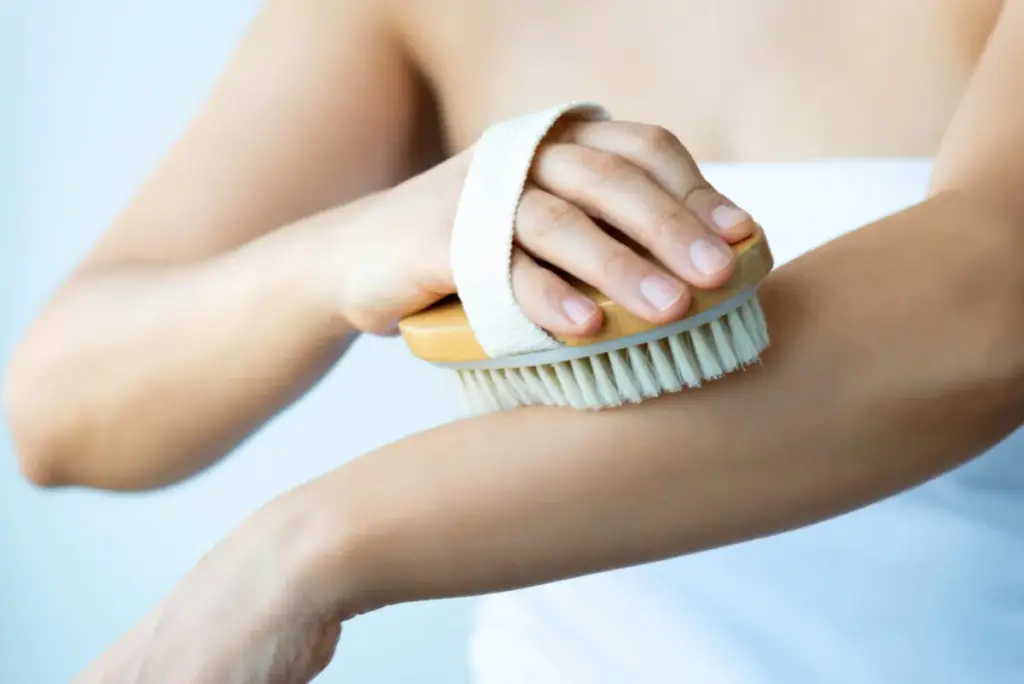
"Dry brushing is exactly what it sounds like. You are brushing the skin while using a natural-bristle brush, always sweeping upward toward the heart."
Yeager emphasizes that the practice should be viewed as an empowering, accessible form of at-home lymphatic maintenance. When discussing professional treatments versus DIY maintenance, she notes:
"When you move with purpose, following the body’s natural pathways toward the lymph nodes, you turn an everyday touch into something that helps de-puff, sculpt, and support the body’s flow."
She recommends incorporating lymphatic techniques for individuals experiencing physical sluggishness, post-travel bloating, water retention, or those simply striving for a more sculpted silhouette.
Kim Ross on Reframing "Detox" and Embracing Flow
Kim Ross of ORA pushes back against the aggressive marketing terminology that often plagues the wellness sector, specifically the ubiquitous and scientifically vague buzzword "detox."
"I think we’ve become conditioned to equate lymphatic drainage with ‘detox,’ but I prefer to think about it as creating better flow."
Ross elaborates on the immediate, tangible feedback clients experience when lymphatic circulation is optimized:
"When we improve that movement, clients often notice they’re less puffy, their features appear more defined, and they feel lighter overall."
Crucially, Ross highlights the psychological and neurological dividends of the practice, noting that the sheer gentleness of the touch signals to the autonomic nervous system that it is safe to downshift from a state of chronic sympathetic stress ("fight or flight") into parasympathetic restoration ("rest and digest").
Step-by-Step Guide: How to Properly Dry Brush
Because technique dictates efficacy—and aggressive execution can compromise the skin barrier—experts outline a specific protocol for safe, effective dry brushing.
- Select the Right Tool: Invest in a brush featuring natural bristles (rather than harsh synthetic plastics) with a comfortable handle that allows you to reach your back and lower extremities easily.
- Timing is Everything: Perform the ritual on completely dry skin immediately before taking a shower. This ensures you can easily wash away the sloughed-off dead skin cells afterward.
- Directional Sweeps: Always brush upward, starting at your feet and moving toward your heart. Follow the natural anatomical pathways of lymphatic flow:
- Begin at the soles of the feet, moving up the legs.
- Proceed to the hands, brushing upward along the arms toward the shoulders and chest.
- On the abdomen, use gentle clockwise circular motions to support digestive tract flow.
- Prioritize Gentleness Over Pressure: More pressure does not equal better results. As Kim Ross stresses, the goal is not to scour the skin until it turns bright crimson or feels raw; the goal is gentle stimulation and waking up the tissue.
- Post-Care Hydration: Step into the shower to rinse away exfoliated debris, pat dry gently, and apply a nourishing moisturizer or body oil to lock in hydration and soothe the skin barrier.
- Consistency Over Intensity: Dedicating just three to five minutes a few times a week is entirely sufficient to reap the rewards.
Professional Treatments: Dry Brushing vs. Lymphatic Drainage Massage
While at-home dry brushing is an exceptional gateway ritual, it operates on a different tier than specialized professional body work.
- At-Home Dry Brushing: Highly accessible, cost-effective, and requiring only a few minutes and a single tool, dry brushing is ideal for daily maintenance, surface exfoliation, and a quick energetic reset.
- Professional Lymphatic Drainage: Performed by certified therapists, clinical estheticians, or specialized practitioners (such as those at high-end studios like The Tox or ORA), professional MLD or body sculpting uses targeted, highly specialized pressure and rhythmic strokes. These treatments address deeper fluid congestion, post-surgical recovery, and intensive facial or full-body de-puffing.
Future Outlook: Managing Expectations in Modern Wellness
As the wellness landscape continues to mature, consumers are becoming more sophisticated, demanding transparency and scientific grounding over sensationalized claims. Both dry brushing and lymphatic drainage must be approached with a balanced perspective.
Experts universally caution that the benefits of these practices—while profoundly soothing and physically refreshing—are inherently supportive and temporary. Neither dry brushing nor specialized lymphatic massage constitutes a permanent structural reshaping of the body or a medical cure-all. They are best understood as dynamic tools designed to combat temporary fluid retention, ease sluggishness, and provide a moment of mindful reconnection in a hyper-accelerated world.
Ultimately, the gold standard of any wellness routine remains personal consistency. As both Yeager and Ross demonstrate, the most effective practice is not the most expensive, the most complicated, or the trendiest—it is simply the one that you enjoy enough to incorporate sustainably into your daily life.