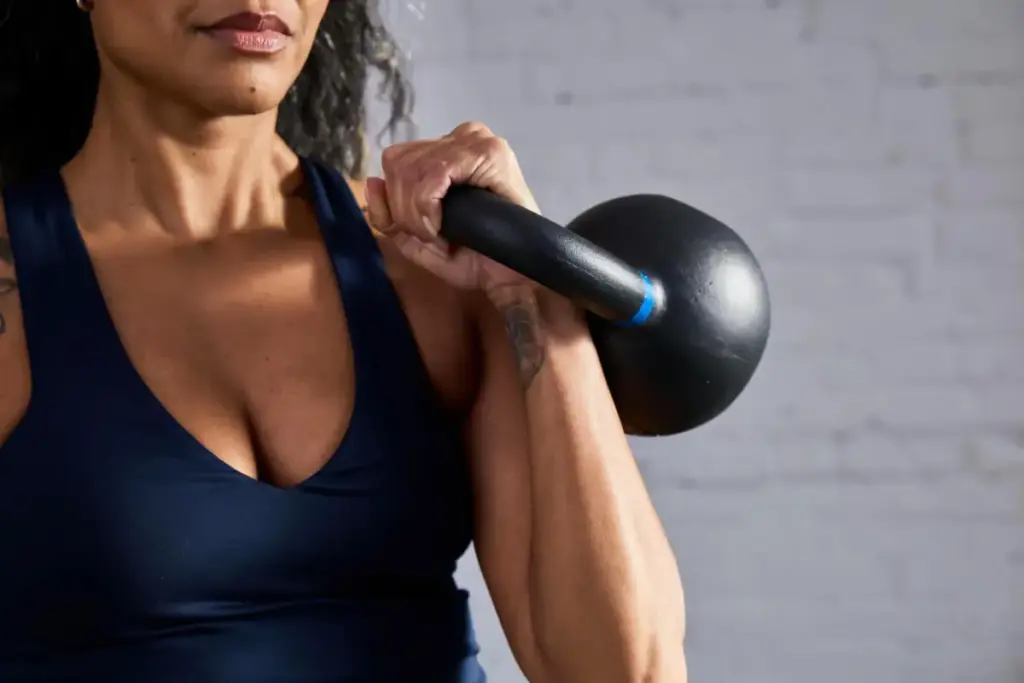
Getting older does not have to mean a quiet, inevitable surrender to frailty, physical decline, and the shrinking parameters of daily life. For decades, cultural narratives around aging have framed physical deterioration as an unalterable biological countdown—a slow loss of mobility, balance, and independence. However, modern exercise science and physical therapy are rewriting this script. The definitive, science-backed secret to hauling groceries, effortlessly climbing stairs, picking up grandchildren, and conquering life’s adventures well into your sixties, seventies, and beyond is remarkably straightforward: lift weights.
Far from being the exclusive domain of young gym-goers chasing aesthetic pumps, resistance training is a critical tool for human longevity. According to Abby Bales, PT, DPT, CSCS, physical therapist, certified strength and conditioning specialist, and founder of Reform Physical Therapy, "Weight training is the fountain of youth. Not only does it help increase and maintain bone density to prevent fractures, but the muscle mass that weight training builds also helps to regulate our blood sugar and metabolism."

Women, in particular, face a distinct physiological inflection point. Beginning around age 30, natural muscle mass begins to decline—a process that aggressively accelerates post-menopause due to dramatic hormonal shifts. This dual threat compromises both musculoskeletal and metabolic health. Yet, targeted resistance training offers an effective, scientifically validated countermeasure. By implementing a well-structured routine, aging adults can future-proof their bodies, preserve their independence, protect their neurological health, and thrive in ways previous generations could only imagine.
Detailed Chronology: Understanding the Biological Timeline of Aging and Muscle
To appreciate why resistance training is non-negotiable for older adults, one must first understand the biological timeline of human tissue degradation and renewal.

The Silent Decline: Post-30 Sarcopenia
Sarcopenia—the age-related loss of muscle mass and function—begins much earlier than most people realize. In our fourth decade of life, the human body enters a subtle, progressive decline in muscle protein synthesis. Without deliberate physical intervention, individuals can lose up to 3% to 5% of their muscle mass per decade after turning 30. This process weakens overall force production, slows down basal metabolism, and alters body composition, increasing the ratio of fat tissue to lean muscle.
The Menopausal Catalyst
For women, this baseline decline experiences a sharp acceleration during and after menopause. The steep drop in estrogen production directly impacts both muscle protein metabolism and bone mineral density. Estrogen is a key protector of bone integrity and muscle tissue quality; its depletion triggers a systemic vulnerability. Bone mineral density plummets, increasing the risk of osteopenia and osteoporosis, while the rate of muscle atrophy spikes.

According to the International Osteoporosis Foundation, this hormonal shift leaves postmenopausal women uniquely susceptible to falls, fractures, and loss of functional independence. Left unchecked, daily tasks like rising from a low sofa, carrying bags of groceries, or stepping up onto a curb become monumental physical hurdles.
The Intervention Window: It Is Never Too Late
Crucially, the human neuromuscular system retains its plasticity and ability to adapt at any age. Research demonstrates that even nonagenarians (individuals in their 90s) can build significant muscle mass and improve functional strength through progressive resistance training. When an older adult introduces external resistance—whether through dumbbells, resistance bands, machines, or bodyweight exercises—they send a biological signal to the body to synthesize new muscle proteins, strengthen connective tissues, and lay down new bone matrix via mechanotransduction.

Supporting Context & Metrics: The Far-Reaching Benefits of Senior Strength Training
The advantages of lifting weights in your 60s and beyond extend far beyond looking toned; they touch nearly every physiological system in the human body.
Metabolic Regulation and Blood Sugar Control
Muscle tissue is not just an engine for movement; it is an endocrine and metabolic organ. Greater muscle mass serves as a primary sink for glucose disposal. When you lift weights, your muscles absorb glucose from the bloodstream with greater insulin sensitivity, helping to prevent or manage type 2 diabetes. Furthermore, muscle is metabolically active tissue, meaning that maintaining or building muscle mass helps sustain a higher resting metabolic rate, staving off unwanted age-related fat accumulation.

Bone Density and Fracture Prevention
Bones adapt to the loads placed upon them. When skeletal muscles contract against heavy resistance, they pull on the bones, stimulating osteoblasts (bone-forming cells) to lay down new mineral deposits. This process directly combats the bone-thinning effects of osteoporosis, drastically reducing the likelihood of catastrophic fractures—such as hip breaks, which are a leading cause of loss of independence and mortality in older populations.
Neurological Health and Cognitive Resilience
The physical benefits of lifting weights are mirrored by profound cognitive gains. A landmark 2023 study published in Frontiers in Neuroscience highlighted the growing body of evidence linking resistance training to a reduced risk of neurological degeneration, including Alzheimer’s disease and dementia. Exercise stimulates the release of neurotrophic factors, such as Brain-Derived Neurotrophic Factor (BDNF), which support neuroplasticity, memory, and executive function.

Balance, Coordination, and Fall Prevention
Falls are one of the greatest threats to longevity in older adults. Resistance training improves neuromuscular coordination—the efficiency with which the brain communicates with muscle fibers. By strengthening stabilizing muscles around the ankles, knees, and hips, weight training enhances dynamic balance, ensuring that a misstep on an uneven sidewalk can be successfully corrected before a fall occurs.
Official Statements and Expert Guidelines
Designing an effective and safe strength training program for older adults requires balancing ambition with anatomical realities. Expert practitioners emphasize that safety and consistency are the twin pillars of long-term success.

According to Abby Bales, PT, DPT, CSCS, the ideal approach for beginners is methodical and sustainable. "Start small, build gradually, and stick with it," Bales advises. She recommends that older adults aim for two to three strength sessions per week, selecting five to six fundamental exercises per session, performed for three sets of 10 repetitions.
When choosing weights, intensity must be calibrated correctly. Bales notes that the resistance should feel heavy enough to make the final two or three repetitions of each set challenging, yet entirely achievable with pristine form. "Prioritize good form over the amount of weight you’re lifting, and don’t let fear stop you from getting started," she urges.

Fundamental Movement Patterns for Seniors
The best exercises for women over 60 are multi-joint, functional movements that mirror real-world physical demands. A well-rounded routine should balance upper-body pushing and pulling movements, lower-body knee-dominant and hip-dominant exercises, and core stabilization.
Here are the cornerstone exercises recommended by physical therapists for older adults:

-
Air Squat
- Why it rocks: Replicates the mechanics of getting up from a chair, toilet seat, or bending to pick up an item. It builds lower-body power and core stability.
- Pro tip: If deep squatting is challenging, place a chair or couch behind you and lightly tap your hips to the seat before rising.
-
Overhead Shoulder Press

- Why it rocks: Restores and maintains shoulder joint mobility and strength, making it easier to reach high cabinets or pull clothes over your head.
- Pro tip: Can be performed seated with dumbbells or even resistance bands to protect the shoulder joint.
-
Step-Up
- Why it rocks: Directly addresses the mechanics of walking up stairs and navigating uneven curbs safely.
- Pro tip: Start with a low platform (six inches or less) and hold onto a sturdy railing for balance support.
-
Seated Biceps Curl

- Why it rocks: Strengthens the arms for daily domestic tasks like carrying laundry baskets or lifting heavy cookware.
- Pro tip: Perform seated to stabilize the spine, moving to a standing variation as core strength improves.
-
Bent-Over Row
- Why it rocks: Targets the upper back, shoulders, and biceps, countering the forward-rounded posture associated with aging and low bone density.
- Pro tip: Adjust your torso hinge angle; a more upright posture reduces the load if you are just starting out.
-
Alternating Reverse Lunge

- Why it rocks: Builds unilateral strength in the quads, hamstrings, and glutes while testing and improving balance.
- Pro tip: Lightly touch a wall or kitchen counter for balance support during the step-back phase.
-
Incline Pushup
- Why it rocks: A joint-friendly alternative to floor pushups that builds chest, shoulder, and arm strength without straining the wrists.
- Pro tip: Use a high countertop or even a wall to reduce the incline load, slowly lowering the surface height as you gain upper-body strength.
-
Farmer’s Carry

- Why it rocks: The ultimate functional exercise for grip strength, core stability, and the safe transport of heavy loads at your sides.
- Pro tip: Walk slowly with a tall spine, keeping your shoulders pulled back and down.
Exercises to Approach with Caution
While almost no exercise is strictly off-limits if performed pain-free, Bales advises caution with certain movements depending on an individual’s current baseline:
- High-Impact Moves: Box jumps and jump squats can stress vulnerable joints and should be avoided by those with advanced arthritis or severe joint pain.
- Unshielded Rotational Twists: Aggressive spinal twisting can increase the risk of compression fractures in individuals with advanced osteoporosis.
- Unstable Single-Leg Drills: Always perform single-leg work near a secure handrail or wall to prevent accidental falls.
Future Outlook: The Next Frontier of Healthy Aging
As medical science continues to extend human life expectancy, the cultural goal is no longer merely adding years to life, but adding life to years—a concept known as healthspan. The integration of structured resistance training into geriatric medicine and community fitness represents a paradigm shift in preventative healthcare.

Looking ahead, public health initiatives are increasingly spotlighting senior fitness as a primary lever for reducing healthcare costs associated with falls, metabolic diseases, and long-term institutional care. Programs tailored specifically for postmenopausal women and older adults are moving out of niche physical therapy clinics and into mainstream community centers, YMCAs, and digital platforms.
The future of aging is active, empowered, and resilient. By embracing the barbell, the dumbbell, and the resistance band, older adults are reclaiming agency over their physical destinies. Progress takes time—with visible strength and metabolic improvements typically manifesting within six to eight weeks of consistent training—but the lifetime dividends are immeasurable. As fitness experts and physical therapists emphatically agree: the best time to plant a tree was twenty years ago; the second best time is today. The same holds true for picking up your first set of weights. Your future self will thank you.