Executive Overview
The intersection of traditional athletics and the creator economy has birthed a revolutionary sports entertainment phenomenon: the Kings League. Conceived by former Spanish international footballer Gerard Piqué and powered by some of the planet’s most influential digital creators, the league has spent the last few years systematically upending traditional sports broadcasting. Described colloquially as a hybrid between "Banana Ball"—the high-octane, rule-bending exhibition baseball league—and La Velada del Año—the record-shattering streamer-boxing phenomenon—the Kings League treats soccer like an interactive video game.
With eccentric rules, wild gameplay twists, and high-profile team owners drawn from both elite soccer pitches and top-tier streaming platforms, the league has captured the global sports imagination. Following massive successes in Spain, which included packing the iconic 90,000-seat Camp Nou stadium for its inaugural season finale, the organization has set its sights on its next major frontier: Brazil.
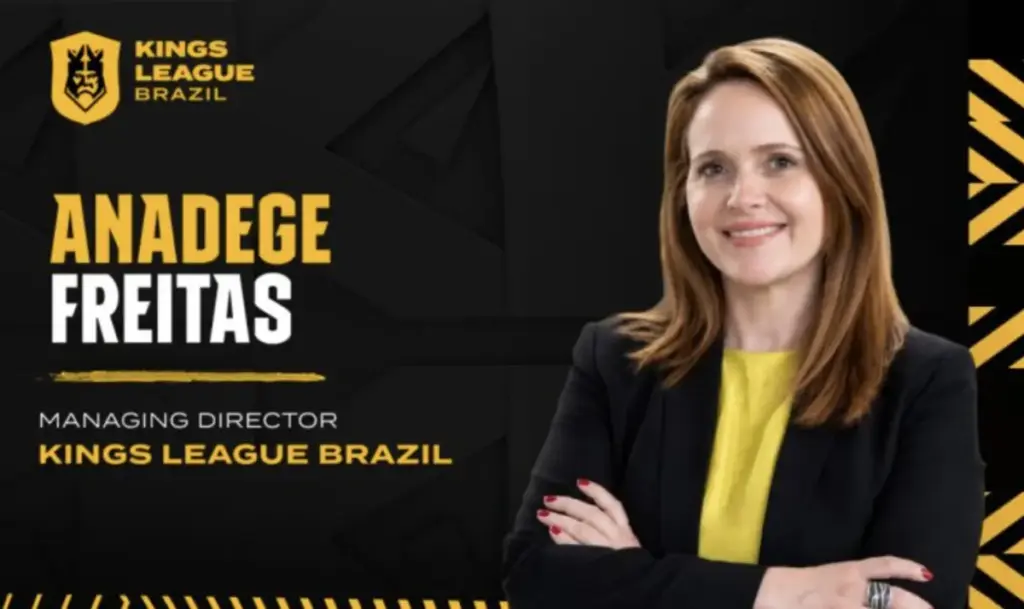
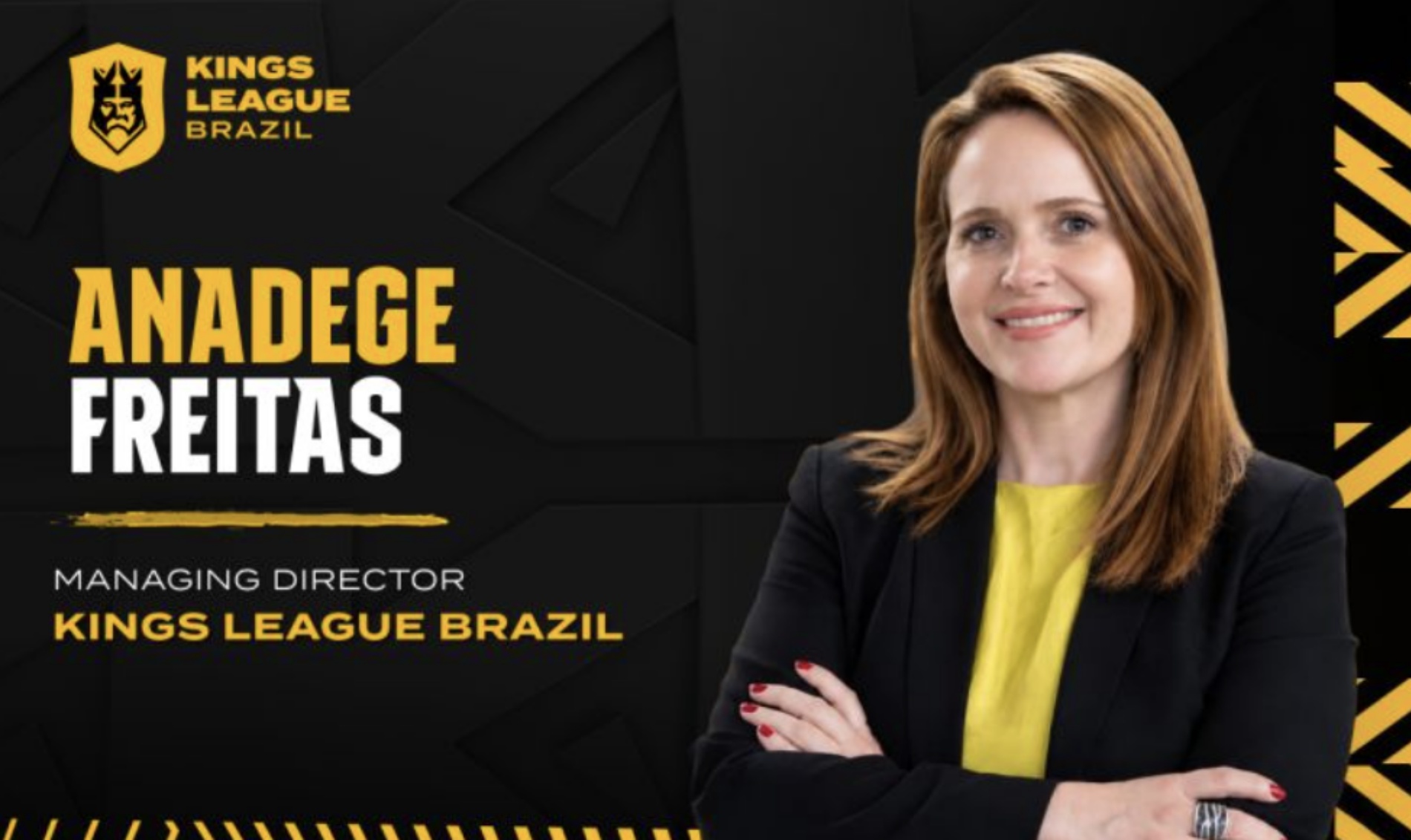
To conquer the powerhouse South American market, the Kings League has made a blockbuster executive appointment. Anadege Freitas, former Director of Content and Partnerships at Twitch, has stepped into the role of Managing Director for Brazil. Freitas brings a wealth of gaming and digital media pedigree—having held significant operational roles at Nintendo, Hasbro, and Activision Blizzard—to a market where digital content, creator culture, and soccer are national religions.
Freitas’s arrival marks a pivotal inflection point. As Brazil experiences an unprecedented boom in creator-led media, digital exportation, and record-shattering live-streaming milestones, the Kings League is positioning itself to capture the hearts, minds, and screens of millions of Brazilian fans.
Detailed Chronology: From Concept to a Global Powerhouse
To understand the magnitude of the Kings League’s expansion into Brazil, it is essential to trace the rapid, calculated evolution of the league since its inception.
2023: The Spark and the Camp Nou Phenomenon
The Kings League was officially founded in late 2022 by Gerard Piqué’s Kosmos holding group, with its inaugural season kicking off in early 2023. The premise was simple yet radically disruptive: take traditional soccer, strip away its rigid conservatism, and inject the fast-paced, unpredictable mechanics of video games.
The league immediately leaned into the creator economy, appointing heavy-hitting digital stars like Spanish streaming titans Ibai Llanos and TheGrefg as team presidents. They were joined by football royalty, including Piqué’s former teammate Iker Casillas. These presidents drafted squads, managed teams, and broadcasted matches directly to their massive digital audiences.
The format was an instant viral sensation. Featuring tie-breaking penalty shootouts from the halfway line, secret bonus cards, and rolling substitutions, the league shattered traditional viewership metrics. The culmination of its debut season proved its cultural footprint: a sold-out, 90,000-person live crowd packed into F.C. Barcelona’s Camp Nou stadium, with millions more watching concurrently online.
2023–2024: Scaling and the Launch of the Queens League
Capitalizing on its immediate momentum, the organization wasted no time expanding its portfolio. Recognizing the massive demand for women’s sports and female creator representation, the league launched the Queens League in mid-2023, replicating the men’s chaotic format with female creators and athletes at the helm. International expansion soon followed, testing the waters outside of its Spanish stronghold.
2025: Landing in Brazil
By 2025, the Kings League officially touched down in South America with the launch of its dedicated Brazilian iteration. Recognizing that success in Brazil requires deep localized authenticity, the league brought in heavyweights from the nation’s cultural fabric. Brazilian streaming legends like Gaules and Nobru were tapped alongside football icons Neymar and Kaká to lead teams and drive engagement.
However, running a localized league in one of the world’s most vibrant digital ecosystems required specialized leadership—paving the way for the executive shakeup of 2026.
2026: The Anadege Freitas Era
Entering 2026, the Kings League sought to cement its long-term viability in Brazil. The hiring of Anadege Freitas as Managing Director represents a strategic pivot toward institutional maturity, operational scaling, and deeper digital partnerships. Freitas, who spent four years at Twitch shaping content strategies after stellar runs at Nintendo, Hasbro, and Activision Blizzard, is tasked with bridging the gap between global sports infrastructure and native Brazilian creator culture.
Supporting Context & Metrics: The Brazilian Digital Landscape
Brazil is not merely a large market; it is a hyper-engaged crucible for digital media consumption. South America’s largest country boasts some of the highest social media penetration rates and video consumption metrics in the world, making it fertile ground for creator-led sports.
The Rise of Brazilian Creators and Live Sports
In recent years, Brazilian creators have shifted from niche gaming channels to mainstream media powerhouses. The cultural impact of Brazilian Roblox content, massive YouTube viewership spikes, and unique regional music movements (such as phonk trends) have proven that Brazilian audiences consume content at a staggering velocity.
Crucially, sports broadcasting in Brazil has undergone a tectonic shift away from legacy television networks toward digital-first platforms. The watershed moment arrived during the World Cup cycle leading up to 2026, when digital broadcast initiatives redefined how millions of fans experience live matches.
CazéTV and the LiveMode Wave
The undisputed king of this digital revolution has been Casimiro Miguel and his production company, CazéTV. Operating in partnership with agency LiveMode, CazéTV shattered multiple global YouTube viewership records by offering vibrant, creator-driven, and highly interactive live coverage of major international tournaments.
Months after the conclusion of those tournaments, CazéTV and LiveMode sparked a global wave of creator-led sports broadcasts. Traditional sports leagues worldwide are now racing to replicate the loose, community-driven, chat-integrated style pioneered in Brazil.
The Kings League’s creator-first ownership model places it in a prime position to ride this exact wave. By aligning itself with the infrastructure built by companies like LiveMode and leveraging the cultural momentum of streamers who command millions of concurrent viewers, the Kings League is speaking a language that Brazilian digital natives already understand fluently.
Official Statements & Strategic Insights
The integration of corporate digital heavyweights into the sports-entertainment sector signals a permanent evolution in how leagues are run. While athletic prowess remains central, the modern sports executive must be fluent in community management, platform algorithms, and digital monetization.
Bridging Silicon Valley Gaming and Live Sports
Anadege Freitas’s career trajectory offers a masterclass in modern digital leadership. Her background traversing gaming giants gives her a unique perspective on community-driven entertainment:
- Nintendo & Hasbro: Cultivated a deep understanding of legacy intellectual property, physical-digital crossover potential, and multi-generational consumer engagement.
- Activision Blizzard: Provided a front-row seat to the explosive growth of global competitive esports and organized digital tournaments.
- Twitch: Immersed her directly in the creator economy, teaching her the operational mechanics of live streaming, creator monetization, and community-first broadcasting.
Industry insiders note that Freitas’s appointment is designed to professionalize the Kings League’s Brazilian operations without diluting the raw, chaotic energy that made it popular in the first place.
Gerard Piqué’s Vision for Global Domination
Gerard Piqué has repeatedly emphasized that the Kings League was never meant to be a direct competitor to traditional football, but rather an alternative product designed for younger demographics whose attention spans have outgrown traditional 90-minute matches.
By bringing in leadership with deep ties to interactive media, Piqué and the Kings League executive board are signaling that technology, data analytics, and creator relations are just as important as tactics on the pitch.
Future Outlook: What’s Next for the Kings League in Brazil?
As Anadege Freitas settles into her role as Managing Director, several strategic milestones lie ahead for the Kings League in Brazil:
- Expanding the Localized Ecosystem: While the men’s competition has established a solid baseline, the natural next step involves launching a dedicated Queens League in Brazil, ensuring gender equity in the creator sports movement and capturing an entirely new demographic of fans.
- Deepening Platform Partnerships: Given Freitas’s deep roots at Twitch and her extensive network across tech platforms, expect tighter integration with domestic and international streaming giants, optimizing monetization, interactive chat features, and real-time second-screen experiences.
- Merging Traditional Icons with Digital Native Stars: Continuing to bridge the gap between football legends like Neymar and Kaká with digital-native creators like Gaules and Nobru will be vital for cross-generational appeal.
- Exporting the Model: Success in Brazil will serve as a blueprint for the Kings League’s broader international ambitions across the Americas. If the league can successfully capture the fiercely passionate Brazilian sports market, its playbook for creator-led sports entertainment will become the global gold standard.
Conclusion
The appointment of Anadege Freitas is more than just a routine executive hire; it is a calculated strike at the heart of the world’s most dynamic digital sports market. By fusing the chaotic, rule-bending innovation of the Kings League with the unparalleled digital engagement engine of Brazil’s creator economy, the stage is set for a new era of sports entertainment.
As traditional sports organizations struggle to retain younger audiences, the Kings League—guided by digital veterans and fueled by creator culture—is proving that the future of the beautiful game will not be televised on legacy networks; it will be streamed, shared, and played on the terms of the community.