Executive Overview
The beauty landscape has undergone a dramatic structural shift over the past decade. Where the late 1990s and early 2000s demanded pencil-thin, heavily arched brows, contemporary beauty standards—largely influenced by high-fashion editorials and social media aesthetics—pioneer the look of lush, feathery, and voluminous eyebrows. This persistent cultural fixation has birthed a lucrative sub-market within the cosmetics industry: eyebrow growth serums.
Much like their counterparts for eyelashes, these specialized topical treatments promise to transform sparse, over-plucked, or naturally thin brows into bold frames for the face. But beneath the polished marketing campaigns, slick packaging, and influencer endorsements lies a complex matrix of dermatology, pharmacology, and consumer expectations.
Do these products actually work, or are they simply an expensive addition to an already bloated vanity table? According to leading dermatologists, hair specialists, and aesthetic practitioners, the short answer is a qualified yes. However, achieving desired results requires more than just swiping a wand across the brow line; it demands an understanding of active chemical compounds, hair growth cycles, and potential dermatological side effects. This comprehensive report explores the biochemical mechanics of brow serums, analyzes the gold-standard ingredients, outlines optimal application protocols, and weighs the efficacy against potential safety risks.
Detailed Chronology and Evolution of Brow Enhancements
To understand the current obsession with topical brow serums, one must trace the evolutionary trajectory of how humans have managed, altered, and decorated their eyebrow arches throughout history. The journey from ancient cosmetic practices to modern bio-engineered serums highlights a relentless pursuit of facial symmetry and aesthetic perfection.
Ancient to Mid-20th Century: Cosmetics Over Biology
For centuries, changing brow trends relied entirely on subtractive and additive artistry rather than biological enhancement. Ancient Egyptians darkened and extended their brows using kohl and mineral pastes. In 18th-century Europe, fashionable women famously used mouse skins to create faux brows when natural hair failed them. Through the golden age of Hollywood in the 1930s and 1940s, icons like Marlene Dietrich popularized meticulously penciled arches, shaved and redrawn with theatrical precision.
During these eras, the concept of stimulating actual hair growth was virtually non-existent. Thinning brows caused by aggressive plucking or aging were managed strictly through camouflage—pencils, pomades, and powders.
The Late 20th Century: The Over-Plucking Epidemic
The turning point for modern corrective treatments arrived in the 1990s. The prevailing trend favored extreme thinness, driving millions of individuals to over-pluck their natural arches. For many, this aggressive follicular trauma triggered permanent damage. Hair follicles, subjected to repeated mechanical stress and trauma, simply stopped producing hair.
As the beauty pendulum swung back toward thick, natural brows in the 2010s, a generation of consumers found themselves stranded with permanent gaps, sparse tails, and stunted growth. Cosmetics alone—such as tinted gels and microblading—could temporarily fill the void, but they offered no biological solution. The market was primed for a restorative scientific intervention.
The Rise of Lash and Brow Biotechnology
The breakthrough for brow growth serums did not originate in skincare labs, but rather in ophthalmology. Glaucoma researchers noticed that patients treated with prostaglandin eye drops (such as bimatoprost) experienced an unexpected and dramatic side effect: their eyelashes grew significantly longer, darker, and thicker.
Recognizing the commercial potential of this pharmacological side effect, cosmetic scientists adapted these active ingredients for cosmetic use, initially launching lash-enhancing serums. It was only a matter of time before the technology was reformulated and optimized for the unique skin thickness and hair follicle distribution of the eyebrow region, giving birth to the multi-million-dollar brow serum industry we recognize today.
Supporting Context, Ingredients, and Biochemical Metrics
Modern eyebrow growth serums are sophisticated formulations that operate on dual tracks: stimulating biological regrowth at the follicular level while conditioning and fortifying existing hairs to prevent breakage.
Decoding the Formulation: Actives vs. Conditioners
According to London-based hair specialist and consultant dermatologist Dr. Sharon, the ingredients found in effective brow serums can be cleanly divided into two primary categories:
- Active Pharmaceutical Agents: These are medicines or potent biochemical compounds that directly interact with the hair growth cycle, waking up dormant follicles and prolonging the growth (anagen) phase.
- Conditioning and Strengthening Agents: These ingredients do not necessarily trigger new follicle activation, but they coat, nourish, and reinforce existing hair shafts, drastically reducing brittleness and imparting a denser, healthier visual appearance.
Key Active Ingredients for Regrowth
- Prostaglandins and Prostaglandin Analogs (e.g., Bimatoprost, Isopropyl Cloprostenate): Hailed as the heavy hitters of the industry, these compounds are responsible for the most dramatic transformations. As Dr. Geeta Yadav, board-certified dermatologist and founder of Facet Dermatology, notes, these analogs mimic the body’s natural signaling molecules to extend the growth phase of the hair follicle.
- Minoxidil: Widely recognized as a primary treatment for androgenetic alopecia on the scalp, low-dose topical minoxidil is occasionally incorporated into brow serums to increase blood flow to the hair follicles, stimulating cellular proliferation and encouraging new hair emergence.
Key Conditioning and Strengthening Ingredients
- Keratin, Amino Acids, and Peptides: These structural proteins and building blocks reinforce the protein matrix of each individual brow hair, increasing tensile strength and elasticity.
- Vitamins (Biotin, Panthenol / Pantothenic Acid, Vitamin E): Essential for cellular metabolism and moisture retention, these vitamins prevent dryness and support the overall microenvironment of the brow line.
- Botanical Oils (Castor Oil, Rosemary Oil, Avocado Oil): Rich in fatty acids, these traditional remedies coat the hair cuticle, sealing in moisture and creating a glossy, well-groomed finish while soothing the underlying skin.
Official Statements and Expert Insights
To gain a clearer perspective on how these products function in a clinical and commercial setting, industry leaders emphasize the importance of managed consumer expectations.
"If you’ve experienced eyebrow thinning due to factors like over-plucking, ageing, or medical conditions—or you simply desire fuller and more defined eyebrows—an eyebrow growth serum may be worth considering," states Hoda Kiani, founder of LoveLash.
Kiani stresses that while these serums are not biologically essential for survival or basic grooming, they serve as powerful targeted treatments for individuals seeking specific aesthetic enhancements.
From a dermatological standpoint, Dr. Sharon underscores the necessity of understanding the mechanics behind the bottle.
"They contain a range of ingredients which can be divided into two groups—actives that actually regrow hair and are typically medicines or drugs, and ingredients which condition and thicken existing hair, or a combination of the two. Eyebrow serums therefore work by increasing hair growth, and making the most of the hair that is already there."
Application Protocols for Maximum Efficacy
Owning a high-end serum is only half the battle; proper application technique is crucial for securing visible results. Skin and hair experts outline a strict daily routine:
- Frequency: For optimal results, users must apply the serum twice a day—once in the morning and once at night.
- Preparation: The eyebrow area must be completely clean and dry. Any residual makeup, facial oils, or heavy moisturizers can create a barrier, preventing the active ingredients from penetrating the skin’s stratum corneum down to the follicular bulb.
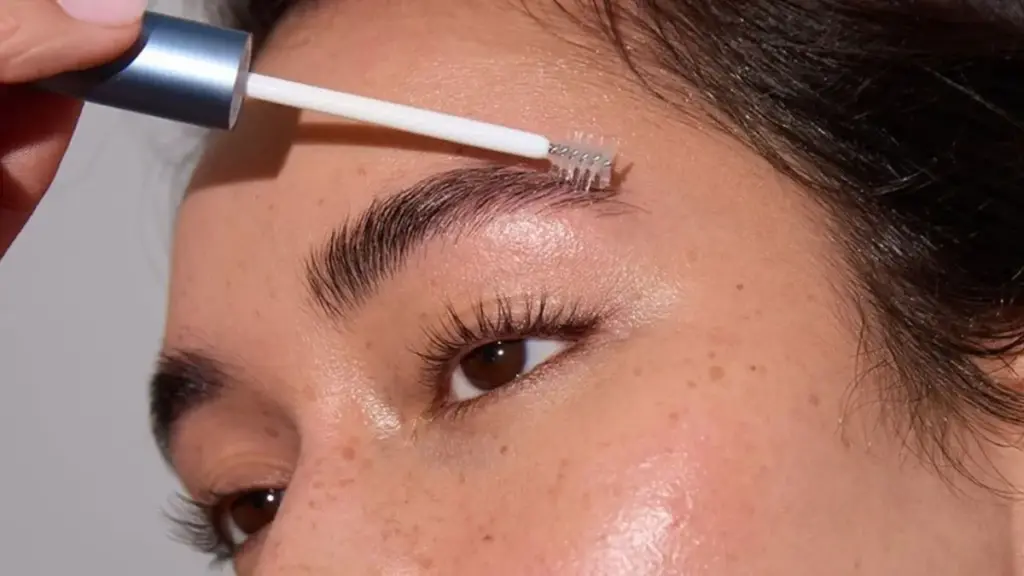
- Absorption: After precise application using the product’s wand or brush, the serum must be allowed to absorb fully before the user proceeds with their standard skincare or makeup routine.
As Hoda Kiani points out, this disciplined routine "ensures that the active ingredients penetrate the skin and follicles to encourage thicker, stronger eyebrow hairs."
Timelines: What to Expect and When
Patience is perhaps the most critical metric in the brow-growth journey. Unlike scalp hair, the growth cycle of eyebrow hair (the hair cycle comprising anagen, catagen, and telogen phases) is noticeably shorter, yet biological processes cannot be rushed.
- Weeks 3 to 4: Users typically begin to notice initial, subtle improvements. These often manifest as reduced shedding, improved texture, and the faint emergence of baby hairs in previously sparse zones, provided the application has been strictly consistent.
- Minimum 8 to 12 Weeks: The most striking, comprehensive results become visible after a minimum period of two to three months of daily use.
Dr. Sharon emphasizes an important long-term reality check: "Unlike scalp hair, the growth cycle of brow hair is shorter—but it can still take up to 3 months to work and consistency is key. If the product works, you would need to continue using it as maintenance." Much like a skincare regimen, stopping the use of a growth serum typically results in the brows returning to their baseline state over the course of several months as the hair cycles complete.
Safety, Side Effects, and Future Outlook
While the promise of effortless, lush arches is alluring, consumers must approach potent cosmetic treatments with a healthy dose of caution. The inclusion of active pharmaceutical ingredients—specifically prostaglandin analogs—introduces a profile of potential side effects that users, particularly those with sensitive skin, must carefully weigh.
Potential Adverse Reactions
Dermatologists warn that prostaglandin analogs, while undeniably effective at encouraging hair growth, are notorious for provoking localized irritation. Potential side effects include:
- Persistent eye itchiness and localized redness.
- Eyelid discoloration or hyperpigmentation along the brow line.
- In rare cases involving migration of the product into the eye area, potential eyelid drooping (ptosis) or permanent changes in iris pigmentation.
Because of these risks, individuals with pre-existing ocular conditions, highly sensitive skin, or autoimmune skin disorders should consult a board-certified dermatologist before incorporating a prostaglandin-based serum into their routine. For those wishing to avoid these risks entirely, the market offers alternative, peptide- and botanical-based formulas that prioritize conditioning over pharmaceutical stimulation.
Essential Pre-Testing Protocols
Before applying any active serum near the ocular region, experts strongly recommend conducting a patch test. Users should apply a small amount of the product to the inner arm or the side of the neck and monitor the area for a full 24 hours. If any signs of contact dermatitis, stinging, redness, or swelling occur, the product should be discarded immediately. Should an adverse reaction occur during active use, discontinue application at once and seek professional medical guidance.
Future Outlook
As cosmetic chemistry continues to evolve, the future of eyebrow enhancement points toward even greater personalization and safety. Researchers are actively investigating non-prostaglandin bio-peptides and plant-derived stem cell extracts that mimic the growth-stimulating properties of medical compounds without the associated risks of irritation or pigmentation changes. Furthermore, advancements in transdermal delivery systems promise to transport active ingredients more efficiently to the follicular bulb, reducing the necessary concentration of potent chemicals.
Ultimately, eyebrow growth serums occupy a fascinating intersection of science and vanity. When chosen wisely, applied with rigorous consistency, and used with a clear understanding of both their benefits and biological limitations, these specialized treatments can successfully transform the architectural framing of the face—delivering on the promise of bold, beautiful, and naturally resilient arches.