Milan Fashion Week has officially commenced, delivering an electrifying start that has set a remarkably high bar for the global fashion calendar. In a city renowned for its rich sartorial heritage, unmatched craftsmanship, and avant-garde vision, the opening days of the Spring/Summer collections have already delivered a seismic cultural impact.
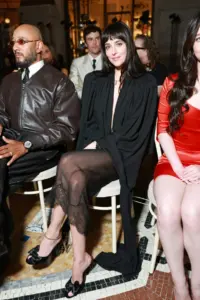
The festivities erupted with a formidable one-two punch: a masterclass in design from Prada and the high-octane spectacle of Vogue World: Milano. Miuccia Prada and Raf Simons offered a compelling, intellectual treatise on the skirt—recontextualizing a wardrobe staple through radical proportions and tactile exploration—while Vogue World transformed the urban landscape into a theatrical celebration of Italian style, performance, and cultural iconography. Following closely on their heels, houses like Jil Sander redefined contemporary austerity, introducing a wonderfully wonky, subversive take on minimalism that captivated fashion critics and buyers alike.
Yet, while the front rows are dazzled by the presentations unfolding under the blinding glare of runway spotlights, an entirely different world of creation, chaos, and chemistry thrives just out of sight. The frantic energy backstage—where hair stylists, makeup artists, dressers, and models orchestrate a symphony of last-minute adjustments—is where the true heartbeat of Fashion Week resides.
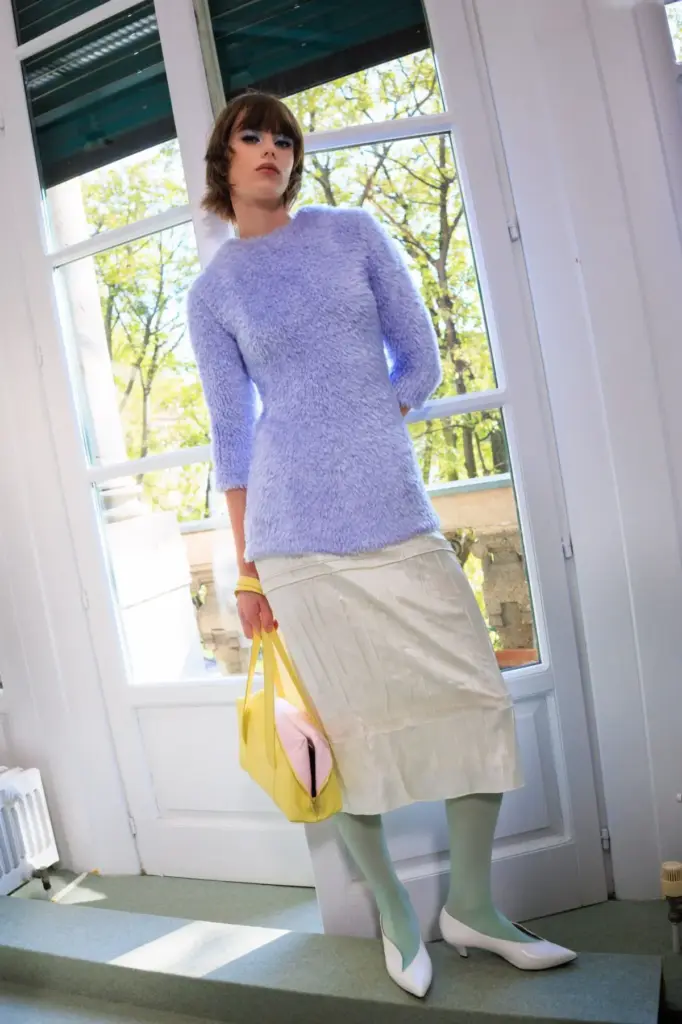
To capture this fleeting, high-stakes magic, acclaimed photographer Acielle Tanbetova (widely known as @styledumonde) has gone behind the curtain. Through her lens, we are granted an exclusive, unfiltered glimpse into the quiet moments of concentration, the bursts of laughter, and the meticulous tailoring that transform raw concepts into wearable art. As Milan Fashion Week unfolds across the city’s historic palazzos and industrial warehouses, this comprehensive report explores the opening presentations, the cultural resonance of the collections, the intricate mechanics of backstage life, and what the industry can expect in the days ahead.
Detailed Chronology: The Opening Days of Milan Fashion Week
The rhythm of Milan Fashion Week is notoriously fast-paced, demanding the attention of the global fashion community from the moment the first show invitation is honored. The schedule for the opening days was engineered to make an immediate statement, blending historical reverence with radical future-forward thinking.
The Prada Paradigm: Reimagining the Skirt
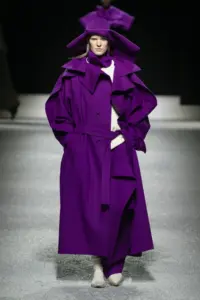
The week’s unofficial ribbon-cutting ceremony belonged to Prada. Miuccia Prada and co-creative director Raf Simons presented a collection that immediately sparked intense analytical debate across the fashion capitals of the world. Centered around a deeply thoughtful exploration of the skirt, the collection challenged conventional notions of femininity, utility, and proportion.
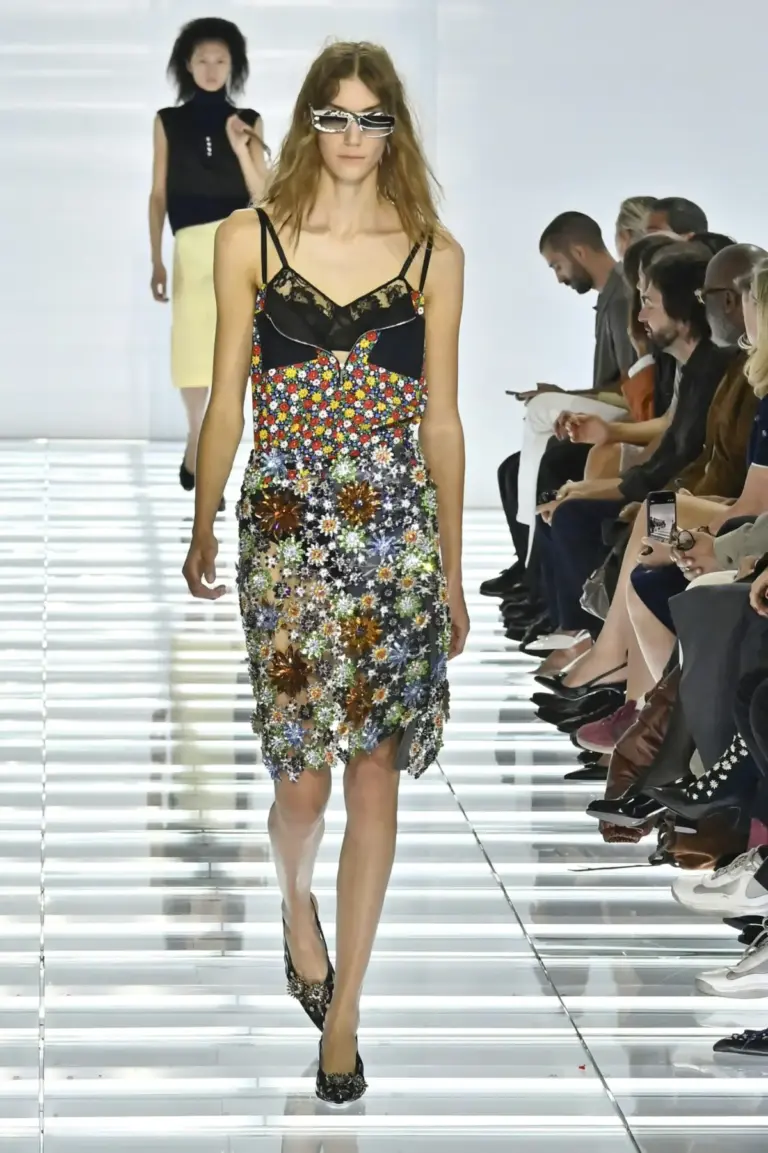
Models marched down the runway in silhouettes that played with structural tension. Heavy, utilitarian fabrics were juxtaposed with delicate, translucent layers, forcing the viewer to reconsider how garments interact with the human form. The show was not merely a display of seasonal trends; it was a conceptual exercise. Tailoring was dismantled and reassembled with surgical precision, featuring exaggerated waistlines, unexpected pleating, and hardware details that nodded to industrial design. By interrogating the fundamental architecture of the skirt, Prada set an intellectual tone for the week, reminding the industry why the label remains a pivotal force in contemporary fashion discourse.
Vogue World: Milano: A Celebration of Italian Heritage
Running parallel to the traditional runway presentations, Vogue World: Milano delivered a sensory-overload spectacle that married fashion with opera, dance, and cinema. Staged in one of Milan’s iconic historical piazzas, the event served as a love letter to Italian craftsmanship and cultural identity.
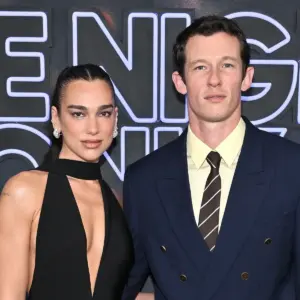
The production brought together legendary Italian design houses—from Gucci and Versace to Armani and Valentino—alongside emerging local talents, all styling models, dancers, and athletes in curated looks spanning decades of stylistic evolution. The performance element emphasized the emotional connection between Italian art and clothing, proving that fashion in Milan is not just a commercial enterprise, but an intrinsic part of the national cultural fabric. The event drew international celebrities, industry titans, and thousands of enthusiastic spectators, cementing Milan’s status as a vibrant, living theater of style.
Jil Sander and the Art of "Wonky Minimalism"
Following the high-energy bombast of the morning, Jil Sander offered a serene yet subversive counterpoint. Under the creative direction of Lucie and Luke Meier, the brand has continually refined its signature minimalism. However, the latest presentation introduced an intriguing twist: a delightfully wonky, slightly off-kilter approach to clean lines.
While the silhouettes remained fundamentally architectural and rooted in a restrained color palette of monochrome, slate, and ecru, subtle anomalies disrupted the perfection. Asymmetrical hems, unexpected fabric puckers, and exaggerated sleeves injected a sense of human vulnerability into otherwise pristine garments. It was minimalism with a pulse—proof that simplicity does not have to mean sterile or predictable.
Supporting Context & Metrics: The Economic and Cultural Engine
Milan Fashion Week is far more than a glamorous industry gathering; it is a massive economic engine that drives the global luxury market. Understanding the scale of the event requires examining the intersection of commerce, tourism, digital media, and manufacturing that converges in Lombardy twice a year.
Economic Impact and Tourism
According to preliminary data released by the National Chamber of Italian Fashion (Camera Nazionale della Moda Italiana), Milan Fashion Week generates hundreds of millions of euros for the local economy. Hotels, restaurants, transport services, and high-end retail sectors experience a dramatic surge in revenue during the biannual events.
Direct Economic Contribution: The influx of international buyers, journalists, celebrities, and influencers results in near 100% occupancy rates across Milan’s luxury and boutique hotels.
The "Made in Italy" Supply Chain: Fashion week acts as a vital showcase for the broader Italian manufacturing ecosystem. The intricate embroideries, bespoke textiles, and leather goods paraded down the runways directly support thousands of small-to-medium enterprises (SMEs) across Italy, preserving centuries-old artisan traditions.
Digital Reach and Media Metrics
In the modern digital landscape, the success of Fashion Week is measured not only by orders placed in showrooms, but by digital impressions, engagement rates, and social media dominance.
Global Audience Amplification: Livestreams of key shows like Prada and collaborative events like Vogue World draw tens of millions of viewers globally across platforms such as YouTube, Instagram, and TikTok.
The Backstage Lens: Behind-the-scenes content—captured by photographers like Acielle Tanbetova—generates some of the highest engagement metrics for luxury publications. Audiences crave the authenticity of unpolished moments, shifting the digital narrative from curated perfection to human-centric storytelling.
Official Statements and Industry Insights
As the collections are unveiled, industry leaders, designers, and cultural commentators have shared their perspectives on the trajectory of contemporary fashion and the unique pressures facing the Italian market.
In a post-show conversation regarding their design ethos for the season, the creative minds behind the leading houses emphasized a collective desire for substance over superficiality.
"Fashion today cannot afford to exist in a vacuum of purely aesthetic pursuit. It must respond to the complexities of the world we inhabit. When we deconstruct a garment like the skirt, we are questioning the structures of how people move, work, and express identity in public spaces."
— Design Collective Commentary, Milan Fashion Week
Furthermore, representatives from the Camera Nazionale della Moda Italiana highlighted the growing importance of sustainability and generational transition within the Italian fashion ecosystem.
"Milan has always balanced deep-rooted tradition with relentless innovation. As we navigate shifting global economic currents, our primary focus remains protecting the artisan supply chain while empowering a new generation of designers who view circularity and ethical production not as optional add-ons, but as core tenets of luxury."
— Official Statement, Camera Nazionale della Moda Italiana
Behind the scenes, leading makeup artists and hair stylists echoed the sentiment of intentional imperfection. Speaking backstage at Jil Sander, key beauty directors noted that the mandate for hair and makeup was to enhance individual character rather than impose a uniform mask.
"We are stripping away heavy artifice. The goal is to make the model look like the most striking, authentic version of herself—a little undone, lived-in, and entirely effortless."
— Lead Backstage Hair Stylist
Future Outlook: What Lies Ahead on the Milan Runway
As the initial wave of shows settles, the momentum of Milan Fashion Week shows no signs of slowing down. The upcoming days promise a diverse lineup that bridges heritage luxury with radical contemporary design.
Anticipated Highlights of the Week
Established Powerhouses: Major houses including Giorgio Armani, Dolce & Gabbana, Bottega Veneta, and Fendi are preparing to unveil their respective visions, each expected to draw intense global scrutiny regarding color palettes, silhouette evolution, and commercial viability.
Emerging Talent Incubators: Milan continues to champion rising stars through dedicated showcase spaces and mentorship programs. Designers representing the vanguard of Italian creativity will present collections that challenge traditional tailoring with experimental textiles, gender-fluid concepts, and digital integration.
Sustainability Initiatives: With increasing scrutiny from regulatory bodies and conscious consumers, upcoming presentations will place a heightened emphasis on transparent sourcing, upcycled materials, and low-impact production methodologies.
The Evolution of the Fashion Presentation
The opening days—marked by the theatrical grandeur of Vogue World and the intellectual rigor of Prada—signal a permanent shift in how fashion is communicated. Runways are no longer passive stages for clothing; they are immersive cultural events designed to generate emotional resonance and cross-platform dialogue.
As Acielle Tanbetova’s backstage imagery continues to capture the raw, unscripted human drama unfolding away from the flashing lights, it becomes increasingly clear that the magic of Milan Fashion Week lies in its dual nature: the flawless public illusion and the frantic, passionate reality that creates it.
With days of shows, presentations, and cultural activations still ahead, Milan remains the undisputed epicenter of style, setting the aesthetic agenda for the seasons to come.