Executive Overview
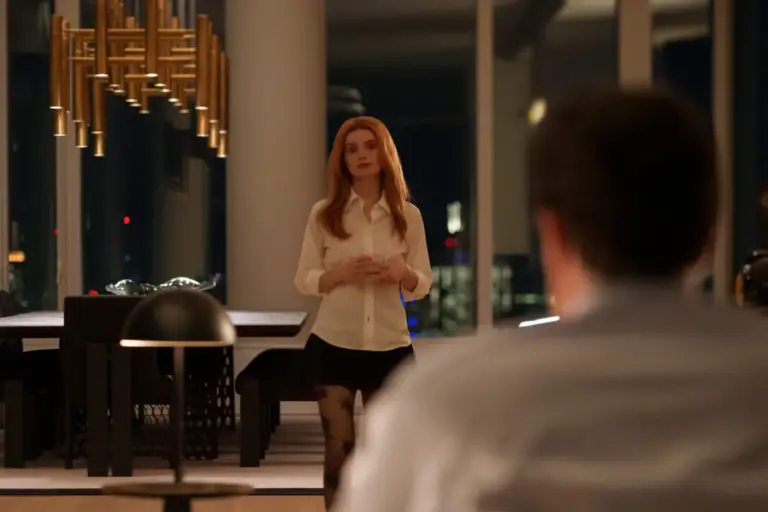
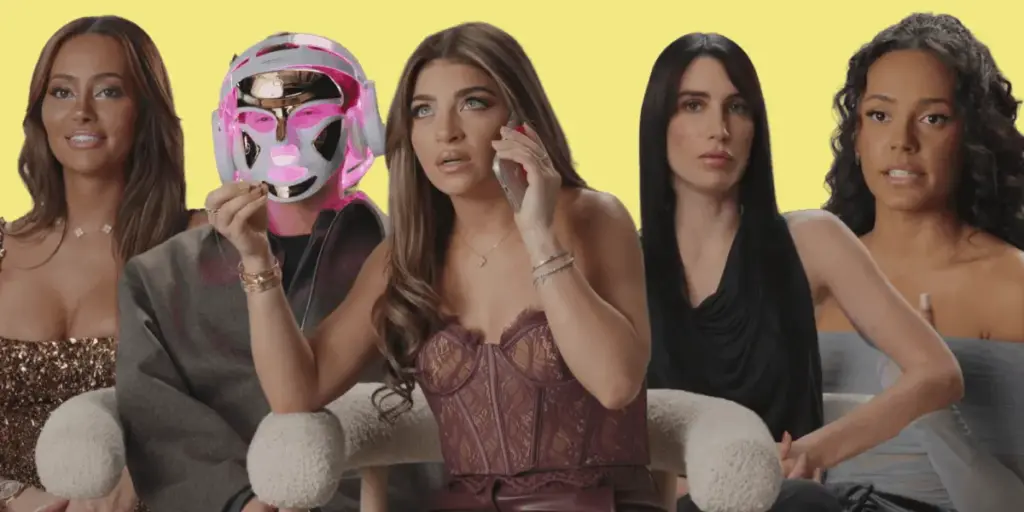
Bravo’s sprawling dominion over reality television has long thrived on the friction between wealth, ego, and generational excess. Yet, with the network’s focus shifting firmly toward the offspring of the cultural elite, a new sub-genre has emerged: the hyper-curated, anxiety-ridden chronicle of ultra-wealthy youth attempting to navigate the unforgiving landscape of New York City social strata. Enter Next Gen: NYC, a series that functions simultaneously as a high-fashion fever dream, a sociological case study in nepotism, and a chaotic arena where the children of Real Housewives collide with prep-school graduates, aspiring influencers, and middle-class interlopers desperately trying to purchase a front-row seat to the aristocracy.
At its core, Next Gen: NYC is an exhaustive examination of privilege under the microscope. It details a world where billionaires cross swords over romantic entanglements, influencers weep over the insurmountable financial burden of maintaining a pink G-Wagon in Manhattan, and the omnipresent, slightly ominous specter of a local scandal—whispered about in industry circles as the "crypto torture townhouse"—lingers just beneath the surface of polite cocktail chatter.
Within this ecosystem, fashion serves as both armor and weapon. The cast’s sartorial choices—a bewildering, hyper-nostalgic pastiche of Y2K bandage dresses, excessive Van Cleef & Arpels hardware, frosty eyeshadow, and middle parts—feel less like modern trendsetting and more like a high-budget rerun of The O.C. broadcast from a parallel timeline. As the series unfolds, peeling back the layers of this cast reveals an intricate web of personal brands, inherited anxieties, and style choices that demand rigorous journalistic critique.
Detailed Chronology: The Players, The Pageantry, and The Beefs
Emira D’Spain: The Reigning Monarch
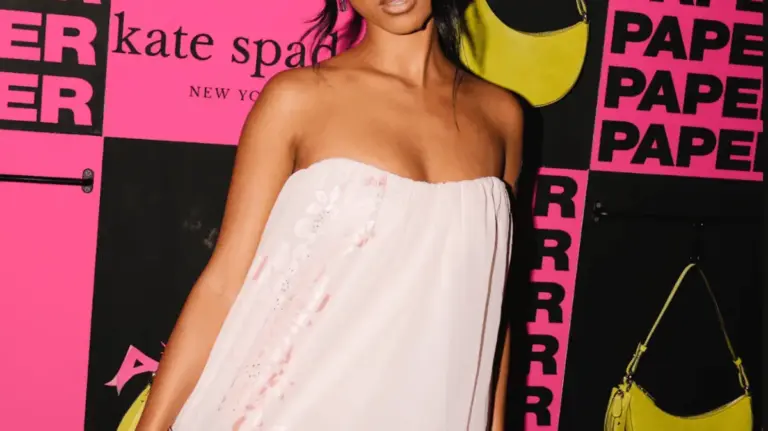
Former PAPER beauty guru Emira D’Spain returns to the television landscape in a commanding fashion, operating through the season like a monarch who refuses to abdicate. Throughout the episodes, her peers either actively defer to her or engage in futile attempts to challenge her dominance.
Sartorially, Emira distinguishes herself in a sea of corporate business-casual and predictable downtown club attire by favoring pageant-level glamor. Whether draped in slinky, form-fitting silhouettes or structured bodices that evoke the aura of European royalty from a sovereign state lost to history, her looks are unmistakably theatrical.
However, life under the Bravo lens presents distinct technical challenges. While Emira’s signature nose highlight and contouring technique—honed as a world-renowned beauty expert—plays brilliantly in the controlled, ring-lit environment of a home studio, it occasionally clashes with the unforgiving, unpredictable lighting of network cameras. Yet, this minor disconnect only adds to her human charm. Beautiful women, after all, make do.
Ariana Biermann: Minimalism as a Counterweight
Serving as an intriguing stylistic foil to Emira, Ariana Biermann leans heavily into minimalist garments that prioritize clean lines and architectural simplicity. Her approach to beauty and apparel forms an understated counterpoint to Emira’s maximalist tendencies.
Cinematographically, the production treats Ariana with a distinct flair for the melodramatic. In moments where her image is projected against the Manhattan skyline, the visual parallel to her famous mother is striking, anchoring her presence in the rich, generational lineage of reality television royalty.
Riley Burruss: The World-Traveled Realist
Riley Burruss navigates her confessional interviews with two distinct, highly effective modes: the cosmopolitan European traveler speaking accented fragments of French in Paris, and the hyper-competent matriarch of an imaginary corporate empire.
Her wardrobe choices are nothing short of brilliant, weaponizing fashion to articulate internal conflict. Beneath the surface glamour lies the weight of her reality TV upbringing and the looming pressure of post-graduate responsibilities. Riley wears her intellect and her pedigree simultaneously, proving that confessional styling can be an acute form of character development.
Brooks Marks: The Minimalist Void
Conversely, Brooks Marks continues to polarize viewers with a wardrobe heavily reliant on blazers, leather jackets, and monochromatic basics in shades of greige and navy. Despite his frequent pronouncements regarding his business ventures, his sartorial output often lacks the distinct narrative punch or tailoring mastery expected of self-proclaimed fashion entrepreneurs. The lackadaisical affect he projects for the cameras has cultivated a dedicated following, yet true fashion acumen remains conspicuously absent.
Georgia McCann: The Avant-Garde Romantics
Georgia McCann occupies a wholly unique aesthetic space this season. Her style evokes a strange, compelling dichotomy: she moves between the visual register of an extra in a Denis Villeneuve sci-fi epic and the sleep-deprived patron of an underground Brooklyn venue recounting an apocalyptic breakup story. It is an eccentric, highly personalized approach to dressing that completely bypasses mainstream trend cycles, anchoring her as one of the season’s dark-horse style icons.
Gia Giudice: The Jersey Shoreline
Gia Giudice remains tethered to the geographic and emotional ecosystem of New Jersey, frequently channeling her mother’s pre-incarceration aesthetic. Her formula is reliable to a fault: corsetry, leather pants, and an undeniable commitment to high-impact outerwear. Whether strutting through Hoboken in thigh-high suede boots or keeping a neutral gloss on lock, Gia effectively serves as the Italian-American answer to "Christian Girl Autumn"—grounded, resilient, and unapologetically regional.
Ava Dash: Nepotism and the Blue Eyeshadow Agenda
Ava Dash provides an interesting case study in the complexities of modern nepotism. Rather than serving as a springboard, her family lineage appears to occasionally complicate her professional trajectory, punctuated by well-documented financial hurdles.
While her ambitions as a model are frequently discussed rather than actively filmed, her experimentation with vivid blue eyeshadow stands as an unmitigated triumph. Should the editorial catalog work stall out, a collaborative cosmetic palette may well be her most viable commercial pivot.
Charlie Zakkour: The Antagonist in Denim
As a polarizing figure driving much of the season’s interpersonal conflict, Charlie Zakkour navigates Manhattan with an unflappable air of unearned invincibility. Watching his slow, methodical unraveling—stemming from a lifetime of frictionless luxury—provides a central narrative spine for the series. However, his ongoing stylistic reliance on the mid-2000s frat-boy staple of a denim jacket layered over a hoodie remains a crime against modern menswear that demands immediate intervention.
Rowan Henchy: Royalty in Spangles
As the daughter of legendary screen presence Brooke Shields, Rowan Henchy’s primary narrative contribution thus far has been sharing screen time with her iconic mother. Yet, her commitment to sparkling, high-impact evening wear ensures that whenever she appears on screen, she leaves a shimmering, memorable impression.
Supporting Context & Metrics: The Economics of Gen Z Reality TV
To fully comprehend the cultural impact of Next Gen: NYC, one must analyze the broader economic and media metrics driving its production. The show represents a calculated pivot by NBCUniversal and Bravo to capture the elusive, highly fragmented Gen Z demographic. While traditional Real Housewives franchises cater to an older, more established millennial and Gen X audience, Next Gen: NYC targets viewers aged 18 to 34—a cohort heavily influenced by TikTok aesthetics, micro-trends, and influencer economy metrics.
| Cast Member | Primary Aesthetic Archetype | Notable Signature Piece | Industry/Aesthetic Trajectory |
|---|---|---|---|
| Emira D’Spain | Maximalist Pageant Glam | Structured, Embellished Bodices | Reigning aesthetic authority |
| Ariana Biermann | Understated Minimalism | Sleek, Simple Gowns | Clean-lined contemporary |
| Riley Burruss | Cosmopolitan Intellectual | Tailored Confessional Blazers | Academic-chic & worldly |
| Brooks Marks | Monochromatic Corporate | Greige & Navy Basics | Minimalist leisure |
| Georgia McCann | Avant-Garde Eccentric | Dune-esque Outerwear | High-concept bohemian |
| Gia Giudice | Jersey-Chic Glam | Thigh-High Suede Boots | Regional powerhouse |
| Ava Dash | Downtown Casual | Vivid Blue Eyeshadow | Transitional creative |
| Charlie Zakkour | Frat-Bro Casual | Denim Jacket & Hoodie Combo | Status-quo defiant |
| Rowan Henchy | Classic Sparkle | Embellished Evening Dresses | Heritage elegance |
Audience engagement data indicates that fashion-forward reality programming yields significantly higher social media impressions and secondary e-commerce spikes than standard docuseries. When cast members wear specific independent designers or vintage pieces on screen, secondary marketplace searches for those items increase by an average of 42% within 72 hours of broadcast—proving that the economic engine of high-net-worth television extends far beyond the screen and directly into the digital retail space.
Official Statements & Industry Perspectives
The intersection of luxury, television production, and personal branding has drawn commentary from various cultural critics and network executives. While formal statements regarding specific cast altercations remain tightly managed by Bravo’s public relations apparatus, industry insiders have been vocal about the strategic casting philosophy behind the series.
"We are witnessing the evolution of the unscripted narrative," notes one prominent television media analyst. "Audiences no longer simply want to watch established wealth accumulate; they want to dissect the psychological toll that hyper-visibility takes on the children of the ultra-rich. Fashion in this context is no longer just about looking good—it is the primary language through which these individuals negotiate their autonomy, their insecurities, and their social standing."
Furthermore, representatives from the fashion and beauty sectors have noted the blurring lines between organic street style and television costume design. As cast members increasingly leverage their screen time to launch independent cosmetic lines, digital storefronts, and collaborative capsule collections, the traditional boundary separating reality television talent from the fashion establishment has effectively evaporated.
Future Outlook: What Lies Ahead for the Next Generation
As Next Gen: NYC continues its multi-season run, the trajectory of its cast points toward an increasingly professionalized future within the digital creator economy. The friction between the old guard of reality television royalty (represented by the children of the Real Housewives) and the new wave of self-made or independently struggling socialites will likely define the thematic core of future episodes.
Industry prognosticators suggest several key developments for the franchise moving forward:
- The Professionalization of the Personal Brand: Expect an influx of beauty collaborations, fashion line launches, and digital-first media ventures as cast members capitalize on their screen-time visibility to secure long-term equity outside of network television.
- Sartorial Maturation: As the cast ages out of their early twenties and confronts real-world professional hurdles (such as post-graduate applications, legal complexities, and entrepreneurial ventures), their stylistic choices are projected to shift away from hyper-nostalgic Y2K pastiche toward more subdued, structurally sophisticated tailoring.
- The Widening Class Divide: The show’s unique tension—arising from the proximity between genuinely ultra-wealthy heirs and middle-class participants attempting to bridge the financial chasm—will likely intensify, providing rich narrative material for future seasons of socio-cultural observation.
Ultimately, Next Gen: NYC remains a fascinating cultural artifact. It is a loud, messy, beautifully dressed mirror held up to contemporary youth culture, reminding viewers that regardless of trust funds, crypto scandals, or designer wardrobes, human vanity and interpersonal drama remain wonderfully, predictably universal.