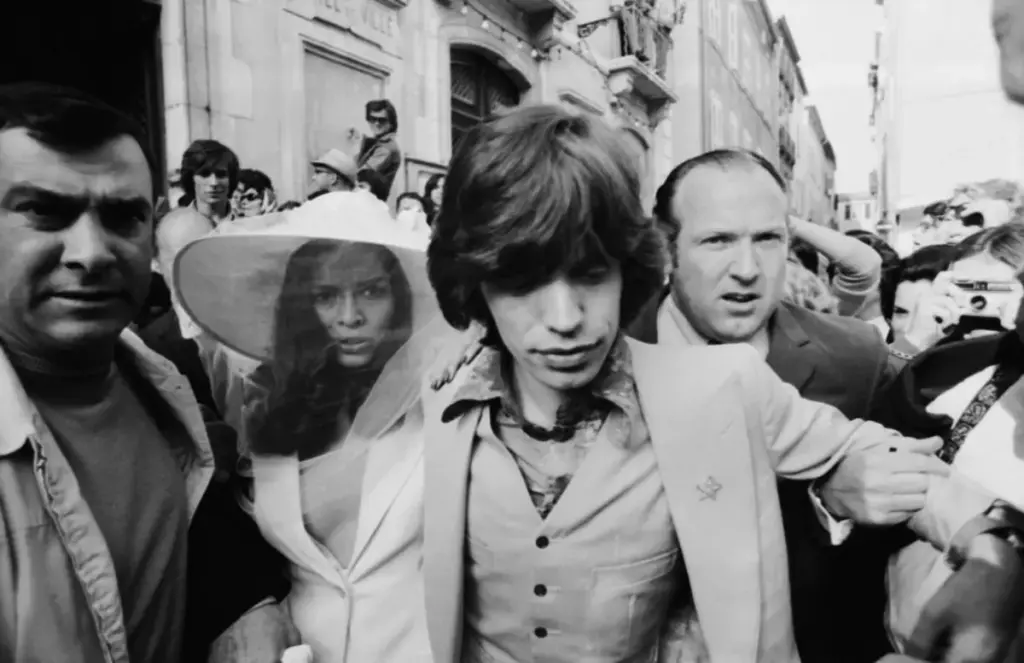
In an era defined by multi-day destination productions, over-engineered mood boards, and the relentless commercialization of matrimony, pop culture’s most influential tastemakers are executing a quiet, remarkably stylish rebellion. The latest cultural touchstone arrived on May 31, when global pop powerhouse Dua Lipa married actor Callum Turner in an intimate civil ceremony at London’s historic Old Marylebone Town Hall. Lipa commanded the steps in a custom Schiaparelli couture pencil skirt, sharp blazer, and a dramatic, wide-brimmed hat reminiscent of Bianca Jagger’s legendary 1971 Saint-Tropez bridal look.
This high-profile union immediately mirrored a similarly magnetic British affair from the previous summer: Charli xcx’s courthouse marriage to The 1975 instrumentalist George Daniel at Hackney Town Hall, where the bride wore custom Vivienne Westwood before strolling down the street to bum a cigarette outside a local restaurant.
While pop stars opting for civil unions is hardly a historical anomaly—tracing a lineage from Marilyn Monroe and Joe DiMaggio to Mick and Bianca Jagger—the contemporary resurgence carries a distinct sociological weight. As the modern wedding industry balloons past a staggering $1 trillion globally, fueled by Gen Z’s shifting values and post-pandemic recalibrations, the city hall wedding has evolved from an economical compromise into the ultimate status symbol of modern cool. It is an intentional rejection of wedding-as-performance, stripping away logistic anxiety, sky-high budgets, and audience-pleasing pageantry to prioritize individual autonomy, intimacy, and the unadulterated reality of partnership.
Detailed Chronology: From Old Marylebone to Mediterranean After-Parties
The anatomy of the modern pop star city hall wedding follows a precise, brilliantly executed blueprint: buttoned-up, classic municipal elegance followed by unbridled, hedonistic private celebrations abroad.
The Dua Lipa and Callum Turner Paradigm
The morning of May 31 delivered the unexpected yet culturally inevitable news of Dua Lipa and Callum Turner’s civil union. Stepping out of Old Marylebone Town Hall, Lipa leaned heavily into sartorial heritage, choosing a custom Schiaparelli couture ensemble that paid direct homage to Bianca Jagger. The architectural precision of the blazer paired with a sweeping avant-garde hat set an immediate visual standard for courthouse dressing.
However, true to the modern pop playbook, the civil formality was merely Act One. Lipa swiftly transitioned to a sun-drenched, beachside reception in Palermo, Sicily. Complete with cigarette buffets, Mediterranean coastal breezes, and a heavy dose of relaxed European nightlife, the second-wedding hybrid offered the best of both worlds: the legal gravity and classic aesthetic of a civic venue paired with the sensory overload of a private holiday party.
Charli xcx and George Daniel’s Hackney Blueprint
Lipa’s blueprint draws heavily from the precedent set by Charli xcx and George Daniel in the summer of 2024. Exchanging vows at Hackney Town Hall, Charli leaned into her signature subversive aesthetic, wearing Vivienne Westwood while sporting her iconic wraparound sunglasses. The images immediately captured the public imagination because of their hyper-local, grounded execution. Following the ceremony, the newly minted couple walked down Morning Lane to Dalla, an eight-minute walk away, embodying a level of effortless nonchalance that multi-million-dollar estate buyouts simply cannot manufacture.
A Lineage of Municipal Romance
These contemporary celebrations sit comfortably within a rich, counter-cultural tradition of celebrity elopements and civil ceremonies. Marilyn Monroe and Joe DiMaggio famously kept it understated at San Francisco City Hall in 1954; George Harrison and Pattie Boyd married at the Epsom register office in 1966; and Mick and Bianca Jagger forever cemented the town hall aesthetic in Saint-Tropez in 1971. Yet, today’s iteration feels less like a quiet elopement born out of necessity and more like an intentional curation—a luxury lifestyle choice that subverts the suffocating pressures of modern wedding culture.
Supporting Context & Metrics: The Economics of Modern Matrimony
To understand why city hall weddings have captured the cultural zeitgeist, one must examine the staggering economic and psychological landscape of the contemporary wedding industry.
The Cost of Performance
Weddings have increasingly transformed into high-stakes hosting gigs. According to data compiled in The Knot’s Real Weddings Study, over 2 million couples married in the United States alone, with average wedding costs hovering around $34,000. On a global scale, the wedding services market exceeds $1 trillion.
For the average consumer, participating in this ecosystem—from engagement shoots and destination bachelorette parties with color-coded itineraries to welcome dinners and farewell brunches—has become financially prohibitive. Studies tracking the cost of being a bridesmaid or guest show that individuals frequently shell out anywhere from $1,500 to $5,000 just to attend a loved one’s multi-part celebration.
The Gen Z Shift
Gen Z now accounts for roughly 40 percent of the U.S. wedding market, a demographic share that will only accelerate. This generation approaches marriage with a distinct philosophy characterized by radical individuality, skepticism toward legacy institutions, and financial pragmatism.
Google search trends reflect an unprecedented surge in interest for "city hall wedding," "courthouse wedding," and "town hall wedding." Internet real estate is currently saturated with city-specific guides, Reddit threads comparing Manhattan versus Brooklyn clerk’s offices, and vintage marketplace curation dedicated explicitly to courthouse-ready couture.
Influencer figures like Halley Kate and Hannah Chody have publicly dismantled the traditional wedding narrative for millions of followers. In a viral TikTok video released in February, Kate articulated the sentiment resonating across her generation: "You are just as legally married if you spend zero dollars on a courthouse wedding or $1 million on a 500-person wedding. I just feel like we’ve kind of lost the plot of, like, what a wedding is." The comment sections of such posts instantly overflow with testimonials from couples championing the financial freedom of a $100 municipal fee over crushing debt: "BUY A HOME INSTEAD OF A WEDDING!"
Official Statements and Industry Insights
While corporate wedding planners and luxury venue conglomerates continue to push grand-scale productions, sociologists and cultural commentators point to the city hall trend as a natural corrective mechanism.
Industry analysts note the stark contrast between ultra-high-net-worth spectacles—such as Nicola Peltz and Brooklyn Beckham’s reported $4 million, 600-guest Palm Beach estate gathering, or rumored multi-million-dollar arena productions—and the understated elegance of a municipal ceremony.
"We didn’t have to deal with the headache and logistics of planning a party for 200 people," shares a recent municipal groom who opted out of a traditional ballroom setting. "It allowed us to strip away the performance and focus entirely on enjoying our partnership and our actual guests."
Cultural critics observe that while pop stars like Lipa and Charli xcx still throw lavish, highly photographed after-parties in Sicily or London, the division between their public-facing civil ceremony and their private celebrations is illuminating. The courthouse appearance remains buttoned-up, unassuming, and accessible to global press outlets like the BBC and The Knot, while the true hedonistic revelry is kept safely behind the digital velvet ropes of close friends’ Instagram "photo dumps." It preserves the mystique of celebrity while championing a populist aesthetic: you do not need a kingdom to commit your life to someone.
Future Outlook: The End of the "Default" Wedding
As we look toward the remainder of the decade, the cultural momentum surrounding city hall weddings signals a permanent shift in how society views milestones of commitment.
The "Millennial Barn Wedding" era—characterized by rustic-chic aesthetics, mason jars, and rigidly scheduled weekend itineraries—is steadily yielding to the "City Hall To-Do." This is not a rejection of celebration, but a profound reclamation of it. It poses a fundamental question to an over-caffeinated, content-obsessed culture: If weddings can genuinely be anything you want them to be, why do we keep pretending they have to be the exact same thing?
Ultimately, the city hall renaissance serves as a refreshing reminder of the core truth of marriage. It strips away the logistical burden, the brand partnerships, and the performative hosting obligations, boiling the institution down to its essential components: a government official, a magnificent outfit, and the person you choose to spend your life with. Whether followed by a quiet dinner down the street or a sun-drenched cigarette buffet on the coast of Italy, the municipal wedding has officially graduated from a logistical fallback to the most sophisticated ticket in town.