Executive Overview
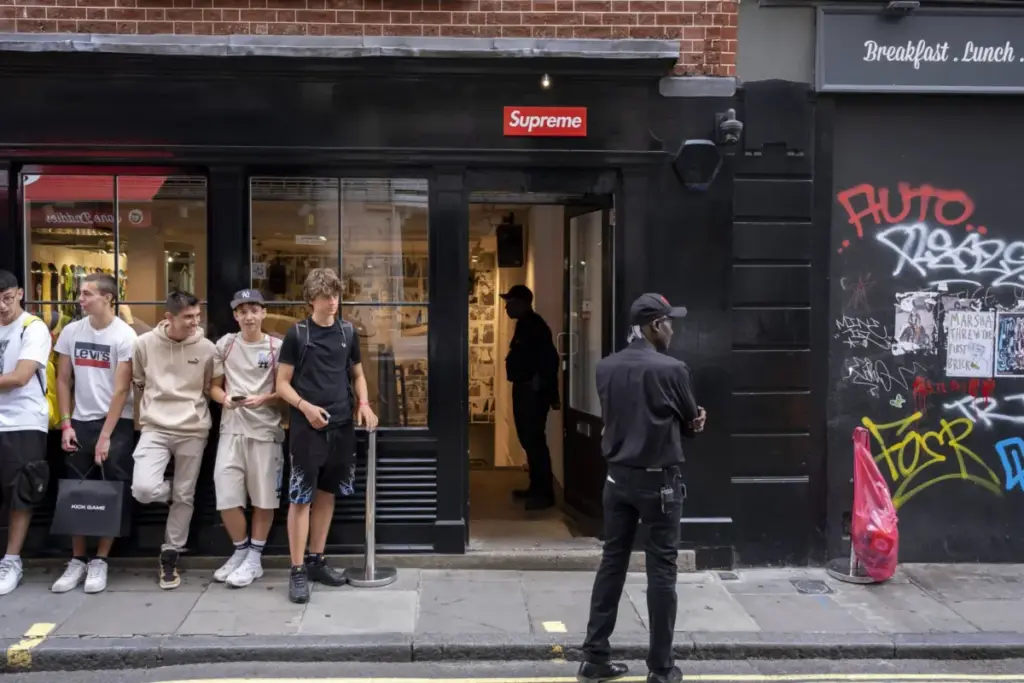
"Bye to the kids in line for the new Supreme," Lorde sings softly on Solar Power, cooing over her complex, love-hate relationship with the Golden State. It is a fond adieu to the signature snapshots of modern California culture: the models, the bottles, and the relentless climb for cultural clout.
Today, that line outside Supreme no longer stands alone as an isolated monument to streetwear obsession; it is the blueprint for a sweeping retail phenomenon. Across New York and Los Angeles, the brick-and-mortar shopping experience has been aggressively overhauled by digital-first brands. From the Spanish fashion house Gimaguas to the elevated basics of Tankair and the delicate intimates of CouCou, "it-girl" internet brands are breaking free from the constraints of e-commerce to launch temporary, highly curated storefronts.
These pop-ups operate less like traditional shops and more like museums of capitalist indulgence. Featuring numbered garments hung neatly within meticulously designed spaces, they command hours-long queues, foster intense parasocial marketing loops, and weaponize scarcity. This deep dive investigates the mechanics of #WaitingInLineSummer, examining how independent contemporary labels manipulate digital culture, parasocial proximity, and Gen Z consumer psychology to turn buying clothes into an endurance sport.
Detailed Chronology: Anatomy of a Trend
To understand how online shopping devolved into physical endurance tests, one must trace the timeline of the recent pop-up boom across America’s fashion capitals.
The Supreme Legacy and the Streetwear Precedent
Long before Instagram-native micro-brands claimed Sunset Boulevard, streetwear giants like Supreme pioneered the art of manufactured scarcity. The model was simple: drop limited quantities, cultivate unyielding hype, and watch consumers line up around city blocks.
This ethos trickled down into other subcultures. In May, anticipation peaked for a collaboration between Supreme and the pioneering witch house duo SALEM. For many, the drop represented an intersection of distinct internet aesthetics—bridging the chasm between opposing musical idols. Yet, the reality of digital checkout windows proved ruthless. Fumbling Apple Pay meant getting edged out by swift-fingered fans and bot networks within seconds.
The alternative? Driving the grueling miles through Los Angeles traffic to the West Hollywood store to secure the garment in person. While everyday scheduling conflicts—such as college graduations—often intervene, the temptation of the physical line remains a potent alternative to the digital hunger games.
The Spring/Summer Pop-Up Invasion
As the seasons shifted into warmer weather, temporary storefronts became the definitive aesthetic of metropolitan summers.
- March & April: Spanish design house Gimaguas brought its sun-drenched, quirky-chic garments to the West Coast before heading to New York, drawing crowds that treated the sidewalk queue as a social lounge.
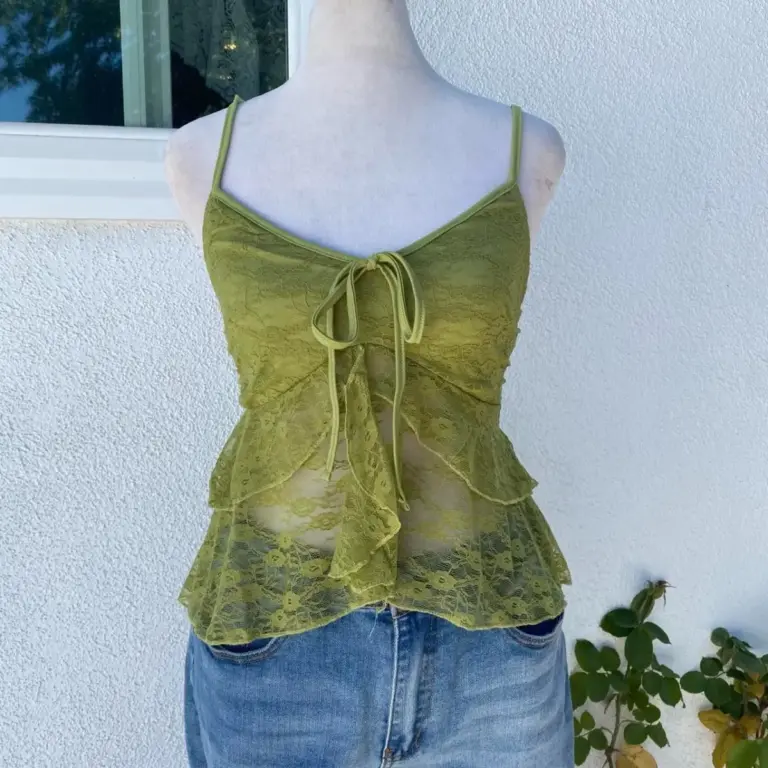
- May & June: CouCou Intimates launched its New York residency, drawing legions of young women eager to secure its cotton basics. Concurrently, Tankair landed on Melrose Avenue for a single week, offering a physical sanctuary for fans of its elevated basics and Thai-inspired designs.
Rather than offering seamless convenience, these stores function as exclusive members’ clubs. Visitors navigate a rigorous ritual: surviving the line, filling out paper cards to select desired colorways and sizes, and waiting a second time for a communal dressing room.
Supporting Context & Metrics: The Psychology of the Digital-Native Shopper
The proliferation of pop-up culture is intrinsically linked to the hyper-connected, internet-dominated lifestyles of Generation Z. Raised in an era where social media functions as a pseudo-mall, modern consumers operate on a "monkey-see-monkey-press-purchase" impulse.
The Parasocial Marketing Loop
The brilliance of these ephemeral stores lies in their social media deployment. Typically, a "Friends and Family" preview precedes the public opening. During these closed-door days, Instagram models, A-listers, and C-list influencers browse at their leisure.
Brands then flood their timelines with images of these tastemakers—Kaia Gerber, Addison Rae, Sabrina Carpenter, Hailey Bieber, and Bella Hadid—skipping the line entirely. The subtext is clear: if you shop here, you occupy the same cultural stratosphere as your favorite icons.
[Influencer Preview]
       │
       ▼
[Instagram Amplification (Parasocial Bait)]
       │
       ▼
[Consumer FOMO & Line Formation]
       │
       ▼
[In-Store Validation & Post-Game Social Media Documentation]
This dynamic preys directly on parasocial relationships. When shoppers see niche booktokers, recipe developers, and indie pop stars sporting CouCou’s Rina long sleeve or Tankair’s Studio Tanks, the barrier between admiration and acquisition dissolves.
Tour Merchandise and the Scarcity Mindset
Much like musicians selling exclusive tour tees, brands like Tankair and CouCou issue limited-edition shirts featuring the pop-up’s dates and locations. Yet, these items are rarely the primary draw; they serve as badges of honor, proving the buyer was physically present at the cultural moment.
This real-world documentation feeds an aggressive loop of online validation. Visitors chronicle their wait times, display their hauls, and post fitting-room selfies. The physical store becomes a content creation studio, where the primary currency is not just the clothing item itself, but the digital proof of participation.
Official Industry Perspectives and Expert Analysis
Fashion critics and cultural commentators have increasingly turned their lenses toward the intersection of digital consumption and physical retail theater.
Industry analysts point out that independent brands achieve what legacy retail conglomerates cannot: an aura of untouchability. Because these smaller labels operate with higher price points and restricted production runs, their inherent inaccessibility drives an almost fanatical obsession.
As Biz Sherbert, fashion writer and co-host of the Nymphet Alumni podcast, aptly noted on her Substack, American Style, when praising the utilitarian comfort of independent streetwear: "Time to put on some tank air and handle it."
The sentiment captures the dual nature of the trend: these garments are simultaneously functional everyday wear and armored aesthetic statements. The fit, breathability, and structural integrity of independent designs—such as Tankair’s service and studio tanks—distinguish them from the endless sea of fast-fashion TikTok shop dupes. As the adage goes in contemporary style circles: You can’t out-dupe the doer.
Future Outlook: Where is Ephemeral Retail Headed?
As consumers grow increasingly fatigued by relentless online marketing, the physical pop-up has proven that tactile, in-person experiences are more valuable than ever. However, the transient nature of these storefronts raises questions about long-term retail viability.
From Pop-Up to Permanent
For many indie brands, the pop-up model serves as a low-risk market test before committing to permanent real estate. We are already witnessing brands like Paloma Wool transition successfully from temporary installations to permanent brick-and-mortar fixtures on both the East and West Coasts. As these labels mature, the frantic, line-heavy pop-up model may evolve into more stable, community-driven flagship stores.
The Evolution of Gen Z Consumer Habits
Until permanent footprints become standard, the "Waiting In Line Summer" ethos is here to stay. The adrenaline rush of trying on garments under purple-carpeted fitting room lights, uploading the subsequent photo dumps, and broadcasting one’s aesthetic alignment with the zeitgeist remains an irreplaceable ritual for modern youth.
Ultimately, whether consumers are queuing up for a Supreme box logo drop or hunting down the latest independent micro-brand on Melrose, the message to digital commerce is clear: the future belongs to those who make scarcity an art form. Until those lines finally die down, the kids will be right where they’ve always been—standing on the sidewalk, phones in hand, waiting for the doors to open.