Executive Overview
In the modern digital landscape, celebrity endorsement is a billion-dollar apparatus powered by meticulously curated campaigns, glossy magazine spreads, and high-production television commercials. Yet, the most potent marketing catalysts are often unscripted, casual digital moments.
Consider the global phenomenon of K-pop and its preeminent standard-bearer, BTS. While the septet’s influence on global music charts, fashion houses, and diplomatic forums is well-documented, their collateral impact on everyday consumer habits remains an economic powerhouse largely driven by parasocial trust.
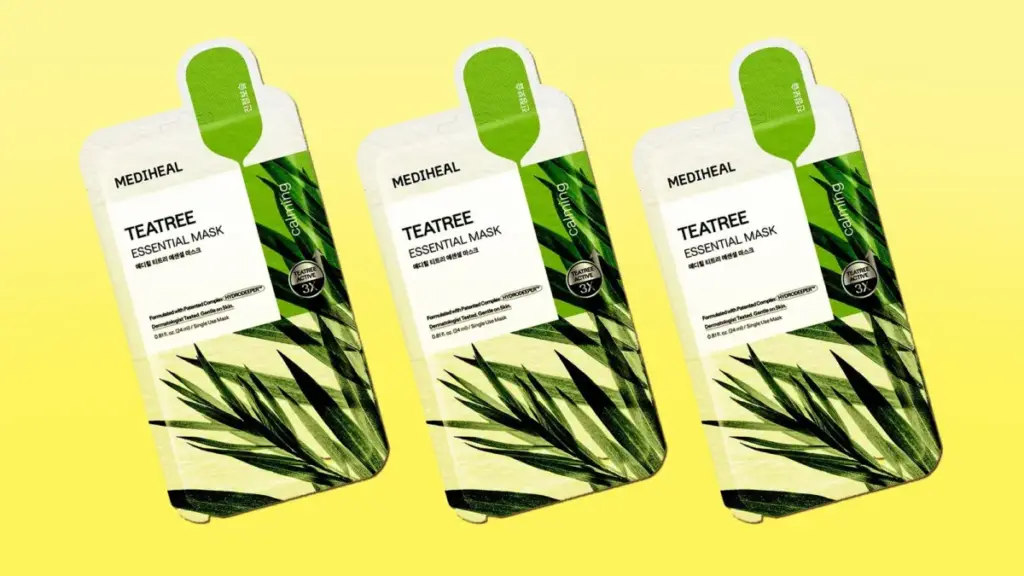
Three years ago, during an intimate interview with Vogue, BTS member Jimin casually highlighted a humble travel essential: the Mediheal Tea Tree Essential Face Mask. What followed was not a traditional commercial rollout, but an organic, grassroots consumer movement led by fans and beauty enthusiasts alike.
This article explores the anatomy of that endorsement, investigating how a fleeting soundbite evolved into a three-year staple for skincare devotees. By examining the biological synergy between tea tree oil and compromised skin barriers, the psychology of celebrity-driven consumerism, and the shift from trend-chasing to brand loyalty, we trace the profound impact of a single recommendation on the modern beauty landscape.
Detailed Chronology: From a Vogue Interview to a Three-Year Staple
The Genesis: The 2021 Vogue Revelation
The timeline of this skincare journey began roughly three years ago during a routine promotional feature with Vogue. Known worldwide for their immaculate, glass-like complexions, the members of BTS frequently face intense public scrutiny regarding their beauty routines. Constant international travel, heavy stage makeup, and shifting climates present severe challenges to maintaining skin health.
When asked about his ultimate travel essential, Jimin didn’t point to an ultra-luxury, cost-prohibitive serum or a top-tier proprietary dermatological formula. Instead, he championed the Mediheal Tea Tree Essential Face Mask. He specifically noted its utility in combating the severe dehydration caused by arid hotel environments.
For the author of this piece—someone historically skeptical of influencer marketing, familial advice, and peer pressure, relying instead strictly on dermatologists and estheticians—the endorsement hit differently. As the age-old beauty rule dictates, skincare is deeply individual. However, a concise, unpretentious statement from a global artist battling identical environmental stressors provided the empirical curiosity needed to test the product.
The First Application and Immediate Results
Following a minor dermatological disaster involving a harsh new face wash that triggered severe acne and localized dry patches, the author purchased a box of the recommended sheet masks.
Skepticism accompanied the initial application. Sheet masks are often dismissed by skincare purists as fleeting novelty items—transient boosts of hydration that offer temporary glow without long-term therapeutic value. Applied while watching television, the Mediheal mask initially delivered the expected immediate radiance.
However, the real test of any skincare product occurs over the morning hours. Waking up the next day, the superficial, high-shine glow had appropriately settled, but the foundational benefits remained:
- Textural Softness: The skin retained a deep, tactile suppleness.
- Blemish Reduction: Active acne lesions were visibly shrunk.
- Non-Scarring Healing: The spots were resolving rapidly without leaving behind hyperpigmentation or scarring.
The Ultimate Stress Test: Travel, Events, and Back-to-Back Breakouts
Fast-forward three years, and the Mediheal Tea Tree Essential Face Mask has transitioned from an experimental purchase to a non-negotiable cornerstone of a daily routine. Recently, the product faced its most rigorous trial yet: a grueling schedule of back-to-back travel, environmental shifts, and high-stakes social events.

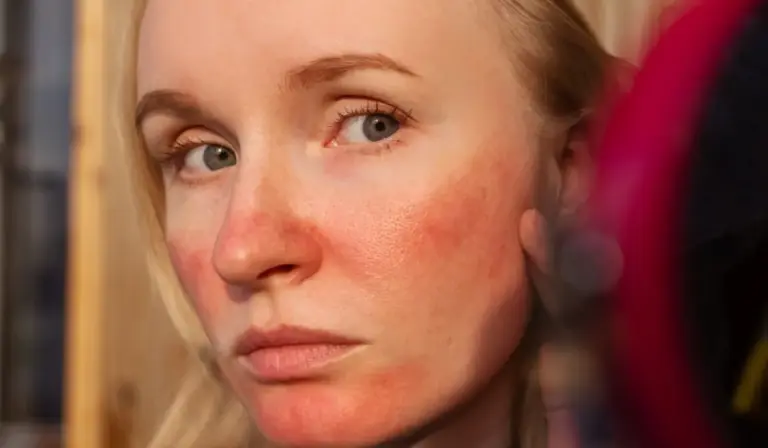
Predictably, the cumulative stress of transit and shifting climates rebelled against the skin. Just days before a major social engagement, three new cystic blemishes surfaced.
For many beauty enthusiasts, the psychological toll of a breakout outweighs the physical one. The anticipated joy of getting ready—curating makeup looks, experimenting with color palettes, and participating in ritualistic self-care—threatens to curdle into anxiety when skin irritation flares up.
Deploying a multi-step routine combining the Mediheal Tea Tree Trouble Calming Toner Pads for everyday maintenance and the essential face mask for intensive overnight recovery, the author initiated a strict two-day intervention.
On the morning of the event, the results spoke for themselves. While the skin was not miraculously erased of all imperfections, the inflammation had subsided to a degree that allowed for effortless makeup application. More importantly, the psychological dread evaporated, restoring the joy of the getting-ready ritual.
Supporting Context & Metrics: The Science of Tea Tree and Hydration
To understand why Jimin’s recommendation proved so remarkably effective—and why it endured for years—we must examine the dermatological science underlying the product’s formulation.
Tea Tree Oil vs. Traditional Acne Treatments
According to dermatological consensus published in outlets like Allure, tea tree oil (Melaleuca alternifolia) functions similarly to benzoyl peroxide in targeting Cutibacterium acnes, the bacteria responsible for inflammatory breakouts. However, tea tree oil offers a critical advantage: significantly reduced irritation and dryness.
Traditional acne treatments often rely on aggressive drying agents that strip the skin barrier. While this can temporarily halt sebum production, it frequently backfires.
The Oily-Dry Skin Paradox
A common misconception in skincare is that acne exclusively plagues those with naturally oily skin types. In reality, individuals with dry skin are equally susceptible to breakouts.
When the skin barrier is compromised by excessive dryness or harsh cleansers, the sebaceous glands panic, overcompensating by producing excess sebum to protect the dermal layer. This rebound oil production clogs pores, triggering a vicious cycle of dehydration and acne.
The Mediheal Solution: Hydration Meets Clarification
The brilliance of the Mediheal Tea Tree Essential Face Mask lies in its ability to bridge this exact divide. It provides dual-action care:
- Clarification: Tea tree extract actively works to calm inflammation and combat blemish-causing bacteria without the aggressive flaking associated with synthetic peroxides.
- Intensive Hydration: The sheet mask delivery system forces moisture deep into the stratum corneum, soothing dry patches and preventing the rebound oil production that worsens acne.
This harmonious balance explains why the author—who previously viewed sheet masks as impulse-buy items comparable to packs of chewing gum at a checkout counter—abandoned cyclical brand-hopping in favor of permanent brand loyalty.

Official Statements & Industry Impact
The phenomenon of K-pop idols driving global retail trends is well-documented by market analysts. When a member of BTS casually mentions a product, the economic ripple effects are immediate and measurable.
The K-Beauty Global Surge
South Korean beauty (K-beauty) exports have experienced exponential year-on-year growth, driven largely by the global Hallyu (Korean Wave) wave. Brands like Mediheal, once considered niche K-beauty secrets found primarily in Seoul’s Olive Young stores, have achieved mainstream Western retail integration thanks to digital word-of-mouth.
Industry insiders note that consumer trust has shifted away from traditional celebrity endorsements—which audiences increasingly view as disingenuous cash grabs—toward authentic, unprompted lifestyle reveals. When Jimin mentioned the Mediheal mask in an off-the-cuff Vogue segment, it bypassed traditional marketing filters. It was perceived not as an ad read, but as a genuine peek behind the curtain of an idol’s grueling touring lifestyle.
Dermatologist Perspectives on Sheet Mask Efficacy
Board-certified dermatologists often urge caution regarding sheet masks laden with synthetic fragrances and heavy preservatives. However, targeted formulations featuring clinically proven botanicals like tea tree, centella asiatica, and hyaluronic acid receive high marks for acute barrier repair.
"The inclusion of soothing botanicals in an occlusive sheet mask format allows active ingredients to penetrate more deeply than traditional wash-off treatments," notes clinical skincare literature. "When formulated correctly, they serve as effective emergency interventions for compromised skin barriers."
Future Outlook: The Evolution of Fandom and Consumer Loyalty
As we look toward the future of the beauty industry, the intersection of pop culture and cosmetic consumerism will continue to evolve. Several key trends highlight where this market is heading:
1. The Death of Impulse Buying in Skincare
Consumers are increasingly rejecting unsustainable, trend-chasing habits (such as constantly cycling through viral TikTok products) in favor of curated, reliable, long-term routines. The transition from casual sheet mask buyer to a dedicated Mediheal loyalist mirrors a broader cultural shift toward intentional, results-driven consumption.
2. The Expansion of Targeted Everyday Care
Products like the Mediheal Tea Tree Trouble Calming Toner Pads demonstrate how brands are expanding successful active-ingredient lines into multi-step daily ecosystems. As consumers grow more knowledgeable about skin barriers, maintenance products that pair seamlessly with intensive treatments (like sheet masks) will dominate market share.
3. Parasocial Authenticity as the Ultimate Marketing Tool
Traditional advertising agencies can spend millions attempting to manufacture viral moments, yet they are frequently outperformed by a three-second unscripted comment in a magazine interview. As long as artists like Jimin maintain authenticity in their public interactions, fan communities will continue to translate those tiny details into lifelong personal rituals.
Conclusion
What began as a passing remark in a video three years ago transformed into an unbreakable skincare alliance. It serves as a reminder that sometimes, the most profound self-care rituals come from the most unexpected places—bridging the gap between global stardom and everyday routines, one sheet mask at a time.