Executive Overview
For the millions of individuals navigating the unpredictable terrain of rosacea, the journey often resembles a frustrating cycle of trial and error. A cream that offers temporary relief suddenly stops working; an experimental routine leaves the skin burning; or a harsh, over-the-counter acne wash exacerbates the underlying inflammation, turning a minor flare-up into a persistent burn. For years, the standard approach to managing this chronic inflammatory skin condition relied heavily on generic topicals and long-term oral antibiotics—interventions that frequently failed to address the multifaceted nature of the disease.
However, the paradigm of dermatological care has shifted dramatically. Today’s clinical strategies are far more specific, sophisticated, and tailored to the individual patient. Modern rosacea management ranges from meticulously compounded multi-active prescription creams to advanced vascular lasers and rigorous daily sun protection protocols.
To uncover what is truly working in clinical practice today, we consulted 10 leading dermatologists from across the United States. Their collective insights reveal a nuanced, multi-pronged approach to rosacea care that goes far beyond standard symptom management. From understanding the nuanced presentation of the disease and leveraging the power of custom-compounded "triple creams" to utilizing cutting-edge laser technologies and identifying personalized lifestyle triggers, this comprehensive guide explores the gold standards of contemporary rosacea treatment.
Detailed Chronology & Evolution of Rosacea Treatments
To fully appreciate where rosacea care stands today, it is helpful to examine how clinical approaches have evolved over the decades.
The Era of Generic Prescriptions and Oral Antibiotics
Historically, rosacea treatment was treated with a broad-brush approach. In the late 20th century, dermatologists relied heavily on systemic therapies, primarily long-term oral tetracycline antibiotics, to suppress the inflammatory lesions associated with papulopustular rosacea. While these systemic drugs offered relief, prolonged use raised significant concerns regarding antibiotic resistance, gastrointestinal disruption, and microbiome imbalances. Topical treatments were similarly rudimentary, often limited to single-ingredient monotherapies—such as standalone metronidazole gels—that struggled to control the diverse symptoms of flushing, persistent erythema, and inflammatory bumps simultaneously.
The Rise of Targeted Topicals and Barrier Science
As dermatological science advanced into the 2000s and 2010s, researchers gained a deeper understanding of the skin barrier, neurovascular dysregulation, and the role of microscopic entities like Demodex mites in rosacea pathogenesis. This era saw the introduction of targeted single agents, such as azelaic acid and advanced anti-parasitic topicals like ivermectin (Soolantra). Concurrently, the industry began to recognize the critical importance of epidermal barrier restoration, shifting away from stripping, alcohol-based astringents toward ultra-gentle cleansers and lipid-replenishing moisturizers.
The Modern Era: Custom Compounding and Precision Energy Devices
Today, rosacea treatment has entered a hyper-personalized era. Recognizing that no two patients present with identical symptoms, progressive dermatologists have moved toward custom-compounded formulations that combine multiple active pharmaceutical ingredients into a single, synergistic vehicle. Furthermore, the advent of sophisticated vascular lasers and energy-based devices—such as pulsed dye lasers, advanced Intense Pulsed Light (IPL), and specialized Nd:YAG platforms—has allowed clinicians to treat the underlying vascular structural changes that no topical cream can reach.
Supporting Context, Clinical Distinctions & Metrics
Navigating rosacea begins with accurate clinical identification. Misdiagnosis remains one of the most significant hurdles in effective dermatological care, frequently delaying appropriate treatment and worsening patient outcomes.
First, Make Sure It Is Actually Rosacea
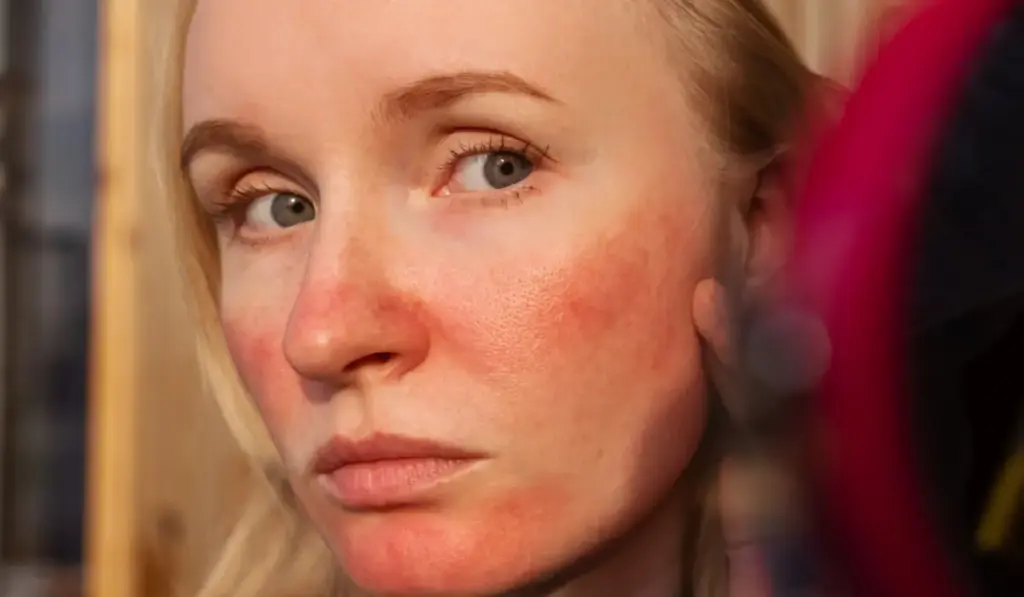
Rosacea is notoriously misdiagnosed as adult acne, contact dermatitis, or simple windburn. However, dermatologists emphasize clear clinical markers that set rosacea apart.
Dr. Gene Rubinstein, a dermatologist in Studio City, California, points out a reliable diagnostic tell:
"Most people misunderstand all the various ways rosacea may manifest, including redness and flushing, pustules, papules or bumps, and deeper nodules or cysts may all be seen. Interestingly, no actual whiteheads and blackheads, or comedones, are seen. This helps differentiate acne from rosacea clinically."
Furthermore, rosacea spans a much wider demographic than conventional wisdom suggests. Dr. Stephanie Daniel, a dermatologist based in Ashburn, Virginia, notes that the condition transcends traditional ethnic boundaries:
"For one, I have rosacea even though I’m from Far East Asia."
Dr. Daniel also highlights an overlooked systemic manifestation of the disease: ocular rosacea.
"My patients are often surprised a skin visit yielded benefit to their troublesome eye symptoms."
The Multi-Faceted Impact of Rosacea: By the Numbers
- Prevalence: Estimates suggest that rosacea affects over 416 million people globally, making it one of the most common chronic inflammatory skin disorders.
- Demographic Reach: While most frequently diagnosed in individuals aged 30 to 50—particularly those with fair skin of Celtic or Northern European descent—clinical data confirms that rosacea impacts all Fitzpatrick skin types, including Asian, Hispanic, and African American populations, where erythema can manifest as deep purple, brown, or ash undertones rather than bright pink.
- Psychological Toll: Studies indicate that up to 75% of rosacea patients report a lowered self-confidence, and over 40% report that the condition has negatively impacted their social interactions and professional lives, underscoring the urgent need for effective, proactive clinical management.
Official Statements & Expert Perspectives on Modern Management
The 10 dermatologists interviewed for this report emphasize that effective treatment requires a customized, multi-layered strategy tailored to the specific subtype of the disease.
Why Dermatologists Rely on "Triple Cream" Formulations
For many patients, standard monotherapies fall short. To combat this, modern dermatologists frequently prescribe compounded "triple creams," which blend several active ingredients into a single vehicle to streamline routines and enhance efficacy.
"I’ve really moved away from relying on traditional treatments like long-term oral antibiotics," says Dr. Victoria Moss, a dermatologist in Colorado Springs, Colorado. Instead, she turns to a compounded approach:
"A combination of metronidazole, azelaic acid, and ivermectin can be incredibly effective—definitely one of my favorite approaches for the right patient."
Dr. Jason Chouake, a dermatologist practicing in Cliffside Park, New Jersey, highlights the practical benefits of this approach:
"It simplifies the routine and can often be less expensive than using multiple brand-name prescriptions."
Because rosacea presents differently from patient to patient, customization is paramount. Dr. Jennifer Channual, a dermatologist in Newport Beach, California, explains her formulation strategy:
"Rosacea isn’t one-size-fits-all. For patients with inflammatory bumps and breakouts, I like a compounded triple rosacea cream containing ivermectin, azelaic acid, and metronidazole. For patients whose main concern is persistent redness and flushing, I like compounded formulations combining oxymetazoline, ivermectin, and niacinamide."
Dr. Rohit Kakar, a dermatologist in Bloomfield Hills, Michigan, echoes the need for tailored solutions:
"Many times these topicals need to be adjusted to maximize their results. The base that is utilized also matters."
What a Cream Cannot Fix: The Role of Vascular Lasers
While topical formulations excel at reducing inflammation, regulating skin microbes, and calming superficial irritation, they have structural limitations. They cannot erase a chronically dilated, visible blood vessel.
"For persistent redness and visible blood vessels, nothing compares to vascular laser treatments," asserts Dr. Chouake. "They allow us to directly target the abnormal blood vessels that cause the redness."
The choice of device depends on the specific presentation of the vascular damage—whether it is diffuse erythema or discrete, stubborn telangiectasias. Pulsed Dye Lasers (PDL), Intense Pulsed Light (IPL), and BroadBand Light (BBL) are industry standards.
Dr. Rubinstein advocates for a synergistic clinical protocol:
"We often use lasers to treat the blood vessels, including V-beam or vascular laser, and IPL or BBL. I use a combination approach, with V-beam and IPL, to achieve the best results. We almost always combine these lasers with medical treatment for optimal results."
Dr. David Bushore, a dermatologist in Austin, Texas, utilizes a staged device protocol in his practice:
"Cutera ExcelV+ laser has worked very well for my patients with persistent redness and visible vessels. Once a patient has done one of these treatments, we can use BBL HERO to help maintain results with less discomfort and downtime."
Additionally, clinicians must look at microscopic root causes. Dr. David Rayhan, a dermatologist in Huntington Beach, California, notes:
"Some patients’ rosacea is caused by microscopic skin mites called Demodex, and they don’t even know it! Soolantra is an FDA-approved cream for treatment of this type of rosacea. Also, IPL treatment can kill the demodex while also removing redness."
The Daily Step That Matters Most: Sun Protection
No matter how advanced the laser therapy or how sophisticated the compounded cream, results will falter without rigorous photoprotection.
"Sunscreen is the single most important step a rosacea patient can take daily," states Dr. Matthew Elias, a dermatologist in Fort Lauderdale, Florida.
However, formulation chemistry is critical. Dr. Rubinstein warns against the indiscriminate use of chemical filters:
"Not all sunscreens are good for rosacea: the physical sunscreens decrease temperature on the skin, but chemical sunscreens can flare rosacea due to a reaction that creates heat on the skin surface. So go for sunscreens containing titanium dioxide or zinc oxide."
Mineral sunscreens are overwhelmingly preferred by dermatologists for their compatibility with sensitive, reactive skin barriers.
Dr. Daniel underscores the consequences of lax habits:
"If there isn’t avid sun protection, any reversal will be lost and vessels will continue to dilate. This means clothing protection and sunscreen with reapplications throughout the day."
Identifying Triggers and Protecting the Skin Barrier
Environmental and dietary triggers remain classic contributors to rosacea flares, but expert consensus has evolved away from restrictive, blanket prohibitions.
"There are known factors that can worsen rosacea, including hot foods, spicy foods, alcohol (especially red wine), caffeine, and heavy exercise, especially aerobic," explains Dr. Rubinstein. "Hot yoga, unsurprisingly, can be a trigger. Other factors are sun, wind, cold weather."
Rather than forcing patients into unsustainable deprivation, Dr. Moss advocates for personalized awareness:
"Rather than eliminating everything, I recommend identifying your own reproducible triggers and avoiding the foods that consistently cause your rosacea to flare."
Skincare products can act as insidious triggers. Dr. Rubinstein warns:
"Be cautious with products that cause trauma to the skin, such as excessive exfoliation. Retinols may cause flares if rosacea is untreated. Harsh washes meant for acne can be problematic as well. Over-the-counter products should not contain fragrances or excessive oils. I usually recommend gentle cleansers and oil-free lotions, with hyaluronic acid moisturizers for excessively dry skin."
Summarizing the golden rule for reactive complexions, Dr. Daniel advises:
"Being gentle with all your products is essential. Minimalism is a good thing here."
Stop Waiting It Out
A recurring frustration among dermatologists is the delay in professional care, often fueled by misinformation found on social media platforms.
"I wish patients would reach out and get treatment sooner than later," urges Dr. Tami Cassis, a dermatologist in Prospect, Kentucky. "Following a TikTok recommendation just never works. We can manage rosacea so well these days it’s worth a trip to the dermatologist."
Future Outlook: The Next Frontier in Rosacea Therapeutics
As dermatological research continues to accelerate, the future of rosacea management promises even greater precision, comfort, and long-term remission rates.
- Advanced Neurovascular Modulators: Researchers are currently investigating topical therapies that target the neurogenic pathways responsible for flushing and persistent facial erythema. By regulating transient blood vessel dilation at the neurological level, these upcoming treatments aim to provide superior control over emotional and thermal flushing triggers.
- Microbiome Engineering: With a deeper appreciation for the skin microbiome and the pathogenic role of Demodex mites and cutaneous bacteria, future topicals will likely incorporate targeted postbiotics and microbiome-friendly actives designed to restore microbial balance without disrupting the delicate epidermal barrier.
- AI-Driven Customization: Artificial intelligence and machine learning algorithms are beginning to enter aesthetic and medical dermatology. These tools will enable clinicians to map facial erythema, vascular density, and skin barrier compromise with microscopic precision, allowing for real-time adjustments to compounded formulas and laser energy parameters.
- Next-Generation Energy Devices: The evolution of non-ablative, low-downtime energy devices will continue, focusing on selective photothermolysis that targets micro-vessels with zero epidermal disruption, allowing patients to maintain their daily routines without social downtime.
Ultimately, the consensus among the nation’s top dermatologists is clear: rosacea is a chronic condition that requires lifelong, intelligent management, but it is more treatable today than ever before. By moving away from generic over-the-counter experiments and partnering with a board-certified dermatologist for customized topicals, targeted laser interventions, and disciplined sun protection, patients can successfully reclaim calm, balanced, and resilient skin.